
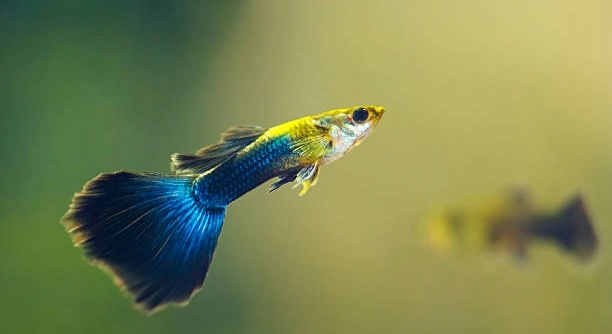
Guppies are popular pets, known for their lively nature and vibrant colors. However, it can be concerning when they often hide, leading to confusion for their owners. Understanding why this happens can help resolve the issue.
The most common causes for guppies hiding include stress, poor water quality, inadequate tank mates, or improper tank conditions. Guppies may also hide due to fear, illness, or breeding behaviors. Addressing these factors can reduce hiding and improve their well-being.
By identifying and addressing these potential causes, you can help your guppies feel more comfortable in their environment and reduce their hiding tendencies.
Stress and Overcrowding in the Tank
Stress is a common reason why guppies hide. When they feel overwhelmed by too many tank mates or constant movement, they seek refuge in hiding spots. A crowded tank can make guppies feel unsafe, leading them to stay hidden rather than swimming freely. This behavior is a sign they need a more comfortable space.
To reduce stress, make sure your tank is not overcrowded. A 10-gallon tank should be enough for 6 to 8 guppies, depending on other factors like water filtration and aeration. Overcrowding causes not only stress but also poor water quality, which makes the problem worse.
Guppies need room to swim, explore, and feel secure. If your tank is too small or too crowded, your guppies may become stressed and hide. It is important to adjust the number of fish or invest in a larger tank to provide them with a more comfortable and healthier environment.
Poor Water Quality
Water quality is a key factor in guppy behavior. Guppies are sensitive to poor water conditions, which can lead to hiding. The presence of harmful chemicals or fluctuating temperature can cause discomfort and force them to find hiding spots to avoid stress.
A regular water change schedule, ideally every week or bi-weekly, is essential for maintaining clean and healthy water. It helps to keep harmful toxins like ammonia, nitrites, and nitrates at safe levels. Additionally, monitoring the water temperature is crucial since guppies prefer a stable temperature between 72°F and 82°F.
Proper water conditions promote a happy and active guppy. If water quality deteriorates, guppies may retreat to a safe space in the tank, signaling that something is wrong. Keeping their environment clean and stable can encourage more natural and active behaviors.
Tank Mates and Aggression
Tank mates play a big role in how comfortable guppies feel. If they are housed with more aggressive fish, such as bettas or certain cichlids, guppies may feel threatened and choose to hide. Aggression can cause stress and even injury, leading to more hiding behavior.
To keep your guppies happy, select peaceful fish that won’t harass them. Other peaceful species, like neon tetras or other guppies, are great companions. You should also make sure there are enough hiding spots, like plants or decorations, for the guppies to retreat to if they need to feel secure.
In a well-maintained tank, guppies can live harmoniously with other fish. The key is to ensure that they’re not being chased or bullied. Providing a variety of hiding spots can help them manage stressful interactions and encourage them to feel more at ease, rather than hiding all the time.
Illness or Injury
Guppies may hide due to illness or injury, which causes them discomfort and a desire for rest. When they’re not feeling well, they might spend more time in secluded areas of the tank. Pay attention to signs of disease such as faded colors or lethargy.
If a guppy is injured or sick, it’s crucial to isolate it to prevent the spread of illness to other fish. Make sure the water quality remains optimal and consider adding a salt bath to promote healing. Addressing health problems quickly can help the guppy recover and return to normal behavior.
Injury or sickness can lead to changes in how your guppy behaves. If you notice unusual signs of illness, it’s important to act fast. By isolating the affected fish and addressing its needs, you can help it recover and feel comfortable in the tank again.
Poor Diet
A poor diet can contribute to guppies hiding. If they’re not receiving the proper nutrients, they might not feel strong enough to swim around. Guppies need a balanced diet with high-quality flake food, live food, or supplements to stay healthy and active.
Without proper nutrition, guppies may become lethargic and seek places to hide. It’s important to provide variety in their diet, offering them a mix of food that mimics their natural feeding habits. Offering food like brine shrimp or daphnia can help boost their energy and encourage more active behavior.
Temperature Fluctuations
Guppies are sensitive to temperature changes. If the water temperature fluctuates too much, it can make them feel uncomfortable. Consistent, warm water between 72°F and 82°F is ideal for guppies to thrive and remain active. Any drastic changes can lead to hiding behaviors.
Using a reliable aquarium heater and thermometer helps maintain a stable environment. Guppies are less likely to hide when they feel their surroundings are safe and stable. If the temperature is erratic, they may retreat to hidden spots until conditions improve.
FAQ
Why are my guppies hiding all the time?
Guppies hide primarily due to stress, poor water quality, aggressive tank mates, or illness. Stress can be caused by overcrowding, sudden changes in their environment, or incompatible fish. In some cases, if the water conditions aren’t ideal, guppies will retreat to quieter spots. Make sure their tank has the right balance of fish and is well-maintained.
Can guppies die from hiding too much?
While hiding in itself doesn’t directly cause death, prolonged hiding can be a sign of stress or illness, both of which can impact the guppy’s health over time. If a guppy is hiding for an extended period, it’s important to check water conditions and look for signs of disease or injury. Addressing any underlying issues quickly will help prevent further complications.
How can I reduce stress in my guppies?
To reduce stress, ensure that your guppies have enough space in the tank. Overcrowding can create an unsafe environment. Provide hiding spots using plants or decorations, and make sure the water conditions are stable. Avoid placing aggressive fish in the same tank, as they can cause stress. Regular water changes are also essential.
Is it normal for guppies to hide at night?
Yes, guppies may hide at night as part of their natural behavior. They are nocturnal and tend to seek shelter in darker areas during the night for safety. As long as they’re active during the day, nighttime hiding is perfectly normal.
Can guppies hide because of tank mates?
Yes, aggressive or territorial tank mates can make guppies feel threatened. Fish like bettas or certain cichlids might harass guppies, causing them to hide. Make sure that the other fish in the tank are peaceful and suitable companions for guppies. If needed, add more plants or decorations to provide them with hiding spaces.
How do I know if my guppy is sick?
Sick guppies may exhibit symptoms like faded colors, lethargy, loss of appetite, or unusual swimming patterns. If you notice these signs, it’s important to act quickly. Isolate the sick fish and check the water quality to make sure it’s ideal. Providing a salt bath or medication might be necessary, depending on the illness.
Can poor water quality make guppies hide?
Yes, poor water quality is a major cause of guppies hiding. Elevated ammonia, nitrites, or nitrates can make guppies uncomfortable. Make sure to test the water regularly and change it weekly or bi-weekly to keep it clean. Proper filtration will also help maintain water quality.
Why are my guppies hiding after I added new fish?
When new fish are added, guppies may hide due to the change in their environment. The introduction of new tank mates can cause temporary stress. This behavior should pass once the fish become acclimated to each other. If hiding continues, check water quality and ensure the new fish are compatible with guppies.
How do I encourage my guppies to stop hiding?
To encourage your guppies to stop hiding, focus on improving their environment. Ensure they have enough space, stable water conditions, and compatible tank mates. Adding plants and decorations can give them places to feel secure without having to hide constantly. A balanced diet also promotes healthy, active behavior.
Should I be worried if my guppy is hiding for days?
If your guppy hides for days, it could be a sign of an underlying problem, such as stress, illness, or poor water quality. Check the water parameters, observe for signs of disease, and ensure the tank is not overcrowded. Prolonged hiding should be addressed to prevent harm to your fish.
How often should I change the water in my guppy tank?
For a healthy guppy tank, it’s important to change 10-20% of the water every week. This helps remove waste products and toxins, keeping the environment safe for your guppies. A regular water change routine ensures that the water stays clean and stable, reducing stress and preventing hiding behaviors.
Final Thoughts
Guppies are active and social fish, so when they hide, it’s usually a sign that something is not right. Whether it’s due to stress, illness, or poor water quality, understanding the cause of their behavior is the first step in addressing it. Stress is often caused by overcrowding or the presence of aggressive tank mates. Guppies thrive in environments where they feel safe, with plenty of space to swim and places to hide if they need to rest. Overcrowding the tank or introducing incompatible fish can lead to anxiety, which is why proper tank management is essential.
Another important factor is water quality. Guppies are very sensitive to poor water conditions, so regular water changes and testing are necessary to maintain a healthy environment. High levels of ammonia, nitrites, or nitrates can make guppies uncomfortable, leading them to retreat and hide. Keeping the water clean and at a stable temperature will help them feel more secure. A stable, well-maintained environment is key to ensuring that your guppies remain active and healthy, rather than retreating to the darker corners of the tank.
Finally, it’s important to be patient. Guppies may hide for a variety of reasons, and sometimes it’s simply a natural part of their behavior, such as resting at night. However, if the hiding becomes prolonged or you notice other signs of distress, such as lethargy or loss of appetite, it’s time to investigate further. Taking steps to ensure that their tank is well-sized, properly filtered, and free from stressors can improve your guppies’ health and help them feel more comfortable. By maintaining their environment and monitoring their behavior, you can create a happy, healthy space where your guppies can thrive.

Hello,
If you enjoy the content that we create, please consider saying a "Thank You!" by leaving a tip.
Every little bit helps us continue crafting quality advice that supports the health, happiness, and well-being of pets around the world, for pets of all shapes, sizes, and species.
We really appreciate the kindness and support that you show us!