
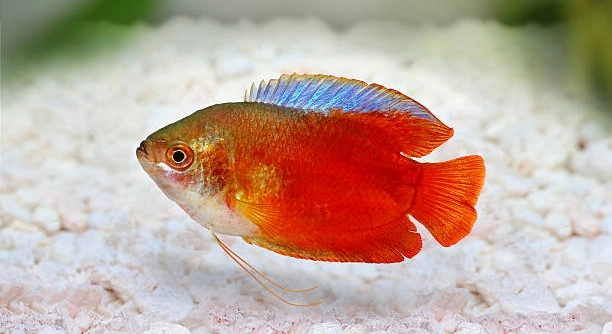
Gouramis are popular aquarium fish known for their peaceful nature and graceful swimming. Sometimes, you may notice them staying still for long periods, which can be concerning for fish owners. This behavior often signals something important about their environment or health.
Gouramis staying still often indicate stress, illness, poor water conditions, or lack of stimulation. Addressing water quality, temperature, and diet are essential steps to restore their natural activity. Monitoring their tank environment regularly helps maintain their well-being.
Understanding why your gouramis remain motionless can improve their care and comfort. This article will explore common causes and practical solutions to help your fish thrive.
Common Reasons Gouramis Stay Still
Gouramis often stay still when they experience stress, illness, or uncomfortable tank conditions. Stress can come from overcrowding, sudden changes in water temperature, or aggressive tank mates. Illnesses like bacterial infections or parasites can make gouramis lethargic. Water quality is a major factor—poor filtration, high ammonia, or incorrect pH levels affect their health. Sometimes, gouramis simply rest or hide when they feel safe and secure. Noticing changes in behavior early helps you respond before problems worsen. Proper tank setup, regular water testing, and gentle handling reduce stress and encourage activity. Keeping gouramis healthy involves consistent care and attention to their environment.
Checking water parameters regularly helps maintain a healthy space for gouramis. Proper oxygen levels, temperature, and cleanliness support their natural behavior.
Understanding these reasons allows better care to keep gouramis active and healthy in their tank environment.
Water Quality and Tank Conditions
Water quality directly affects gouramis’ behavior and health. Low oxygen, high toxins, or unsuitable temperature cause lethargy. Gouramis need clean, warm water, typically between 75°F and 82°F, with stable pH around 6.0 to 7.5. Frequent water changes help remove waste and maintain balance. Using a reliable filter and avoiding overcrowding keeps the tank stable. Poor water can stress fish and reduce their immune response, leading to sickness and stillness. Tank decorations should offer hiding spots but not overcrowd the swimming area. Regularly monitoring and adjusting these factors encourages gouramis to swim naturally and stay active.
Gouramis thrive in tanks that mimic their natural habitat. Adjusting water conditions to suit their needs improves their energy levels and well-being.
Maintaining ideal water quality involves testing ammonia, nitrite, and nitrate levels weekly. Using aquarium test kits makes this easy. Gradual water changes of 20-30% weekly remove toxins without shocking fish. Temperature fluctuations should be avoided to prevent stress. When water quality is optimal, gouramis display normal swimming patterns and vibrant colors. Overcrowding increases waste and competition, so keeping fewer fish per gallon is important. Live plants also help maintain good water quality by absorbing nitrates and providing shelter. Combining these care steps promotes healthier, more active gouramis in any aquarium.
Illness and Disease
Illness is a common reason gouramis remain still. Signs include faded colors, clamped fins, or labored breathing. Early detection is key to recovery.
Bacterial infections, parasites, and fungal diseases often cause lethargy. Treating water with medication, maintaining cleanliness, and isolating affected fish can prevent spread. Sometimes, stress weakens immune systems, making gouramis more vulnerable. Regular observation helps catch problems before they worsen.
If illness is suspected, test water parameters immediately. Poor water quality often worsens infections. Improving the environment and consulting a vet or fish specialist ensures proper treatment. Prevention through good care is always better than cure.
Stress Factors
Stress can make gouramis stay still or hide. Changes in environment, aggressive tank mates, or loud noises often trigger this behavior. Stability is important for their comfort.
Sudden changes, like moving the tank or adding new fish, cause stress. Overcrowding or incompatible species lead to aggression, making gouramis withdraw. Bright lighting or lack of hiding spots also add to their discomfort. Reducing stress involves creating a calm, stable environment with proper tank mates. Consistent feeding schedules and avoiding sudden disturbances help gouramis feel secure. Recognizing and managing stress early improves their overall health and activity levels.
Feeding Issues
Improper feeding can cause gouramis to become inactive. Overfeeding or underfeeding disrupts their energy levels and health.
Providing a balanced diet with appropriate portions ensures gouramis remain lively. Uneaten food pollutes the water, adding stress.
Environmental Enrichment
Gouramis need stimulation to stay active. A tank with plants, hiding spots, and varied decorations encourages natural behavior. Bored fish often stay still out of lack of interest.
Changing the environment occasionally by rearranging decorations or adding new plants can renew their curiosity. This keeps them engaged and reduces inactivity.
Temperature Fluctuations
Gouramis are sensitive to sudden temperature changes. Consistent, warm water supports their metabolism and activity.
Avoid placing the tank near drafts or heating vents that cause temperature swings.
FAQ
Why is my gourami staying still at the bottom of the tank?
Gouramis often stay at the bottom when stressed, sick, or feeling unsafe. Poor water quality or low oxygen levels can make them rest near the substrate. Sometimes, they are conserving energy if the tank temperature is too low. Checking water parameters and tank conditions usually helps fix this behavior.
How can I tell if my gourami is sick?
Look for signs like faded colors, clamped fins, lack of appetite, or erratic swimming. Labored breathing and spots or lesions on the body also indicate illness. Regularly observing your fish helps catch symptoms early so you can act quickly.
Can gouramis stay still when they are just resting?
Yes, gouramis do rest like other fish, often in quiet corners or among plants. Resting periods are normal if they swim actively at other times. If stillness becomes constant or paired with other signs, it may signal a problem.
What water parameters are best for gouramis?
Ideal water temperature is between 75°F and 82°F with a pH range of 6.0 to 7.5. Ammonia and nitrite levels should always be zero, and nitrates kept low. Regular testing and water changes keep these levels balanced.
How often should I change the water for my gouramis?
Weekly water changes of about 20-30% are recommended. This helps remove toxins and maintain clean water. More frequent changes might be needed if the tank is overcrowded or if water quality drops quickly.
Could tank mates cause my gourami to stay still?
Yes, aggressive or territorial tank mates stress gouramis. Stress leads to hiding and inactivity. Choosing peaceful companions and providing plenty of hiding spots reduces conflict and helps gouramis stay active.
What should I feed my gourami?
Gouramis need a balanced diet of flakes, pellets, and occasional live or frozen foods like bloodworms or brine shrimp. Feeding small amounts twice daily prevents overfeeding and keeps water clean.
Can poor lighting affect gourami behavior?
Too bright or constantly on lights can stress gouramis, causing them to stay still or hide. Using a timer to simulate natural day and night cycles helps maintain their natural rhythm and activity.
Is it normal for gouramis to be still when new to a tank?
Yes, new gouramis often stay still as they adjust to their environment. This acclimation phase can last a few days. Providing a calm, stable environment speeds up their comfort and activity return.
How do I reduce stress for my gouramis?
Keep water conditions stable, avoid overcrowding, and select compatible tank mates. Provide hiding places and keep noise and sudden movements near the tank to a minimum. A peaceful environment encourages natural behavior.
Can diseases cause prolonged stillness?
Yes, diseases such as bacterial infections, parasites, or fungal issues weaken gouramis, causing them to stay still. Prompt treatment and improving water quality increase recovery chances.
When should I seek professional help for my gouramis?
If your gourami shows persistent lethargy, visible symptoms like sores or unusual swimming, and doesn’t improve with water changes or diet adjustments, consult a vet or fish specialist. Early diagnosis improves outcomes.
How important is tank size for gourami activity?
A properly sized tank gives gouramis room to swim and explore. Small or overcrowded tanks cause stress and inactivity. For a single gourami, a minimum of 20 gallons is recommended to support healthy behavior.
Can seasonal changes affect gouramis?
Seasonal changes in room temperature or lighting can affect tank conditions and gourami behavior. Maintaining consistent tank temperature and light cycles year-round prevents stress-related stillness.
What signs indicate my gourami is happy and active?
Bright colors, smooth swimming, regular feeding, and exploring the tank are signs of a healthy and happy gourami. They may also interact with tank mates and respond to their environment actively.
How do I create a stress-free environment for gouramis?
Maintain good water quality, stable temperature, suitable tank mates, and provide plants or decorations for shelter. Avoid sudden changes and loud noises. Regular care and observation help keep gouramis comfortable.
Can feeding too much cause gouramis to stay still?
Overfeeding leads to poor water quality, which can stress gouramis and make them inactive. Leftover food decomposes, raising toxins. Feeding the right amount and removing uneaten food helps prevent this.
Are gouramis nocturnal or diurnal?
Gouramis are generally diurnal, meaning they are most active during the day. Providing a regular light cycle supports their natural behavior and helps prevent unusual stillness.
How can I encourage my gourami to be more active?
Improving tank conditions, offering varied food, and enriching the environment with plants and hiding spots promote activity. Avoid overcrowding and ensure peaceful tank mates to reduce stress and encourage movement.
What role does tank decoration play in gourami behavior?
Decorations provide hiding places that reduce stress and allow natural behaviors. A well-decorated tank keeps gouramis engaged and less likely to stay still out of boredom or fear. Regularly updating the environment helps maintain interest.
Final Thoughts
Gouramis staying still can be concerning, but it often signals something that can be fixed with care and attention. Many factors influence their behavior, including water quality, stress, illness, and environment. By paying close attention to these details, you can help your gouramis feel comfortable and more active. Observing their daily habits is important because changes in behavior are usually the first sign that something is wrong.
Water quality is one of the most crucial elements for healthy gouramis. Regular testing and maintaining stable water parameters prevent many common problems. Ensuring the right temperature, pH, and cleanliness keeps your fish in good condition. Along with proper feeding, these factors build a strong foundation for their health. Avoiding overcrowding and choosing compatible tank mates also reduces stress and aggression, which can cause gouramis to stay still or hide.
Creating a calm and enriched environment benefits gouramis in many ways. Plants, decorations, and hiding spots allow them to express natural behaviors and feel secure. Adjusting the lighting to mimic natural cycles helps maintain their rhythm and activity levels. Small changes like these improve their quality of life and encourage movement. Staying consistent with care and quickly addressing any health issues will keep your gouramis happy and lively for a long time.

Hello,
If you enjoy the content that we create, please consider saying a "Thank You!" by leaving a tip.
Every little bit helps us continue crafting quality advice that supports the health, happiness, and well-being of pets around the world, for pets of all shapes, sizes, and species.
We really appreciate the kindness and support that you show us!