
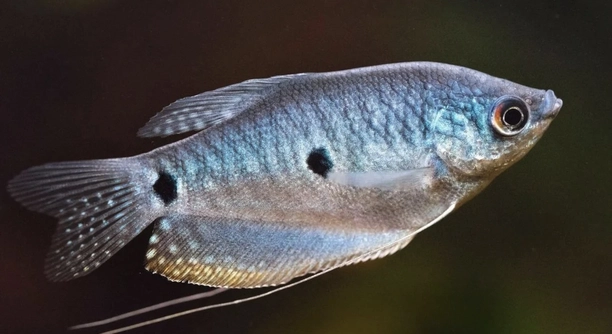
Are your gourami spending more time hiding than swimming around their tank? This sudden behavior can leave fish keepers feeling unsure. It’s important to understand what might be causing this shift in activity.
Gourami often become reclusive due to stress from poor water conditions, aggressive tank mates, or sudden environmental changes. Ensuring stable parameters, a peaceful community, and a familiar setup can help reduce their anxiety and improve behavior.
Understanding the causes behind their reclusive habits can help you make small changes that lead to a calmer and more active aquarium.
Common Reasons for Gourami Hiding
Gourami can start hiding more often if something in their environment changes or feels unsafe. One of the biggest causes is poor water quality. High ammonia or nitrite levels can make them stressed and uncomfortable. Sudden changes in temperature or pH can also lead to hiding behavior. Another reason is aggression from tank mates. Gourami are generally peaceful, and if other fish are chasing or nipping at them, they will seek shelter. Even bright lighting or too much noise around the tank can trigger stress. Lack of hiding spots can also make them feel exposed, so they retreat whenever they find a quiet corner. Lastly, if they are new to the tank or recently moved, it’s normal for them to stay hidden for a few days until they adjust. Watching their patterns closely can help you spot which factor is causing the behavior and address it calmly.
Try adding more plants or decorations to create safe spaces where your gourami feel secure.
If water tests show problems, take steps to fix them right away. Use a proper water conditioner, perform small water changes, and monitor the levels regularly. If aggressive fish are present, consider separating them or creating barriers. Keeping things calm helps reduce their stress.
When Reclusion Signals Something More Serious
Sometimes hiding isn’t just about stress. It can be an early sign of illness or injury.
When your gourami becomes reclusive and also shows other symptoms like faded color, clamped fins, or poor appetite, it could mean they are unwell. Infections, parasites, or internal problems might be the reason. Watch closely for changes in how they swim, breathe, or interact with other fish. If they start breathing heavily or stay near the surface, it might be a sign of poor oxygen or gill issues. Quarantining the affected fish in a separate tank may help you observe more clearly and treat them safely. Look for any unusual spots, bloating, or signs of fungus. Using aquarium salt, adjusting temperature, or applying medications might be needed depending on the condition. Avoid guessing—research carefully or ask a vet experienced with fish. Reacting early makes a difference and could prevent it from spreading to other fish in your tank.
How Tank Setup Affects Their Behavior
A tank that feels too open or bright can make gourami feel unsafe. Without enough plants or hiding spots, they often choose to stay out of sight. Even loud noises or frequent movement around the tank can make them nervous and keep them from exploring freely.
Adding tall plants, caves, and driftwood gives your gourami places to retreat when they feel overwhelmed. This doesn’t just reduce stress—it also helps them feel more confident over time. Keep lighting soft or use floating plants to diffuse harsh brightness. Make sure your filter doesn’t create a strong current; gourami prefer calm water. Also, avoid tapping on the glass or placing the tank near a busy area. A peaceful and stable setup encourages natural behavior. Once they feel secure, they’re more likely to swim out and interact with the rest of the tank without fear.
Some tanks look nice but don’t meet the gourami’s needs. Minimalist designs with few decorations or bare-bottom tanks can leave them feeling exposed. Background noise, like loud music or constant movement, also plays a role. You might not notice it, but the fish do. A comfortable tank setup makes a big difference in how relaxed and social your gourami will be every day.
What You Can Do to Help Them Adjust
Start by testing your water and checking your equipment. A heater that’s off or a filter that’s too strong might be causing discomfort. Small changes often help more than major ones, especially if they’re showing signs of stress already.
Gradual improvements are usually the most effective. If your gourami is new to the tank, give them time. Let them settle without moving decorations or introducing new fish for a while. Avoid turning lights on or off suddenly—use a timer to create a routine. If they’re hiding due to tank mates, try separating aggressive fish with a divider or rehoming them. Use live or silk plants to build shaded spots and hiding areas. If the problem continues, observe their eating and swimming habits. Consistent routines and a calm environment often help them feel secure again. Patience and simple adjustments often lead to a noticeable improvement in their activity and mood.
Feeding Habits and Reclusive Behavior
If your gourami are skipping meals or only eating when no one is watching, it could be linked to stress. Changes in feeding behavior are often one of the first signs something isn’t right in their environment.
Try feeding smaller portions and staying quiet near the tank. Use slow-sinking foods they enjoy, and give them time to eat without rushing. Keep feeding times consistent, as routine helps build trust and encourages them to come out more often.
Signs It’s Time to Seek Help
If your gourami remains hidden for several days and also shows signs like labored breathing, swelling, or frayed fins, it’s best to consult an aquatic vet or experienced aquarium specialist. Waiting too long can make treatment harder and may put other fish at risk.
Simple Habits That Make a Big Difference
Keep a regular schedule for lighting, feeding, and cleaning. A calm routine helps them feel safe.
FAQ
Why are my gourami hiding all the time?
Gourami often hide when they feel stressed or unsafe. This can be due to poor water quality, aggressive tank mates, or a lack of hiding spots. Changes in temperature, lighting, or sudden loud noises can also make them retreat. Ensuring stable conditions and enough cover helps reduce hiding behavior.
How can I improve my gourami’s environment to make them more active?
Add live or silk plants, caves, and decorations for shelter. Use soft lighting or floating plants to reduce brightness. Make sure the water flow is gentle and avoid sudden changes or loud noises near the tank. Keeping the tank in a quiet, stable place encourages them to explore more.
Is it normal for gourami to hide after being introduced to a new tank?
Yes, it’s normal. New gourami usually hide for a few days or even weeks while adjusting. This is their way to feel safe in a new space. Be patient and avoid changing the tank setup during this time.
Can poor water quality cause gourami to become reclusive?
Absolutely. High levels of ammonia, nitrites, or nitrates, as well as incorrect pH or temperature, stress gourami. They react by hiding to avoid danger. Testing water regularly and making adjustments can help them feel comfortable again.
What signs show that my gourami might be sick and not just shy?
Look for faded colors, clamped fins, difficulty breathing, loss of appetite, or unusual swimming patterns. If they hide and also show these symptoms, it’s time to act. Quarantine and proper treatment might be necessary to prevent worsening.
How often should I clean my gourami’s tank?
Regular partial water changes every week or two are best. This keeps the water clean without disturbing beneficial bacteria. Avoid full cleanings unless necessary, as this can stress fish and remove helpful microorganisms.
Can tank mates cause gourami to become reclusive?
Yes, aggressive or overly active fish can scare gourami. They prefer calm, peaceful companions. If your gourami hides after adding new fish, consider rearranging the tank or moving aggressive fish to another home.
What should I feed my gourami to keep them healthy and active?
Feed a balanced diet including flakes, pellets, and occasional live or frozen foods like brine shrimp or bloodworms. Feeding small portions twice a day helps maintain energy without polluting the tank.
Will gourami become more social over time?
Yes, if their environment stays stable and stress-free, gourami usually become more confident and social. They may start exploring and interacting with their tank mates or owners as they get used to their surroundings.
How can I tell if my gourami is stressed?
Stress signs include hiding, rapid breathing, loss of appetite, faded color, and unusual swimming. Identifying these early and fixing causes like water quality or tank setup helps prevent serious health problems.
Gourami are gentle fish that need a calm and stable environment to thrive. When they become reclusive, it usually means something in their tank isn’t quite right. Whether it’s poor water quality, a lack of hiding places, or stressful tank mates, these factors can make gourami feel unsafe. Paying attention to their behavior early on helps you spot problems before they get worse. Simple changes like adding plants, adjusting lighting, or checking water parameters can make a big difference in how comfortable and active your gourami feel.
It’s also important to remember that gourami can take time to adjust to new surroundings. If you’ve just introduced them to a tank or recently changed the setup, hiding is a natural way for them to protect themselves while they get used to the new space. During this time, try to keep everything as stable as possible. Avoid moving decorations or changing the water too quickly. Giving them quiet, safe places to retreat helps build their confidence. Over time, most gourami will become more social and start exploring once they feel secure.
Finally, always keep an eye out for signs of illness or serious stress. If your gourami hides continuously and shows symptoms like faded colors, clamped fins, or difficulty breathing, it’s a good idea to seek advice from a vet or experienced aquarium keeper. Early treatment can prevent many common fish health issues and protect the other tank inhabitants. Overall, understanding your gourami’s needs and providing a peaceful, well-maintained tank environment is the best way to encourage healthy, happy fish that enjoy swimming openly instead of hiding away.

Hello,
If you enjoy the content that we create, please consider saying a "Thank You!" by leaving a tip.
Every little bit helps us continue crafting quality advice that supports the health, happiness, and well-being of pets around the world, for pets of all shapes, sizes, and species.
We really appreciate the kindness and support that you show us!