
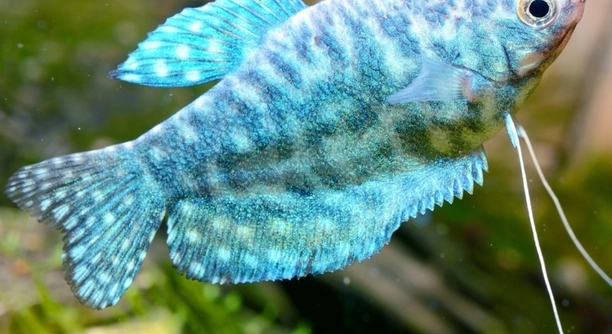
Are your gourami swimming on opposite sides of the tank and barely acknowledging each other’s presence, even during feeding time?
The most common reason your gourami are avoiding each other is stress from territorial behavior. Gouramis can be territorial, especially in smaller tanks or when there are not enough hiding places, leading to social withdrawal.
Learning what triggers this behavior can help you make the right changes in your tank setup and improve your gouramis’ overall wellbeing.
Common Reasons Gourami Keep Their Distance
Gourami can be shy or aggressive depending on their environment, tank mates, and even their individual personalities. If your gourami are avoiding each other, it’s often because something is off in the tank. Size matters—a small or overcrowded tank can cause stress and make them feel unsafe. Aggression is another factor, especially among males or different gourami types. Water quality also plays a big part; poor conditions lead to discomfort and can make your fish keep to themselves. Other stressors include loud noises, too much light, or frequent changes to their setup. When stressed, gourami tend to retreat and avoid conflict. They don’t always want to fight, so they hide or distance themselves instead. Observing their body language and swimming patterns can help you spot signs of tension. Addressing their space, water quality, and environmental stress can help them feel more at ease.
Shy behavior can also appear if one fish feels outmatched or threatened by another, even without direct aggression.
Giving your gourami places to hide, like plants or decorations, offers them comfort and helps ease social tension. It’s important to create zones in the tank where each fish feels secure. Avoid placing aggressive or dominant species with them. When gourami feel safer, they behave more naturally and may start interacting again. Some species are just more solitary by nature, but giving them a peaceful and well-structured environment makes a difference. Watch for nipping or chasing behavior—this can indicate bullying, and it’s best to act quickly to prevent stress-related health issues. By adjusting tank conditions, your gourami may gradually return to a more balanced and active state.
What You Can Do to Help
Make sure your tank is at least 20 gallons if you have more than one gourami. This gives them enough room to swim and establish space.
Improving tank conditions is one of the best ways to reduce stress. First, test your water regularly for pH, ammonia, nitrite, and nitrate levels. Gouramis thrive in clean water with stable parameters. Add real or artificial plants and decorations to break the line of sight—this helps lower aggressive encounters. Reduce strong lighting or sudden movements near the tank. Keep the water temperature stable, ideally between 75°F and 80°F. If aggression is ongoing, consider rearranging the tank layout or even separating the fish temporarily. Avoid overfeeding and clean the tank consistently. You can also try adding a tank divider if one fish is constantly chasing the other. When changes are made gradually and with care, your gourami are more likely to settle and interact in a calmer, healthier way.
Signs Your Gourami Might Be Stressed
Stressed gourami often show changes in behavior like hiding, darting, or avoiding others. You might also notice them eating less, breathing heavily, or swimming near the surface more than usual.
Faded colors can be a strong sign of stress. When gourami feel uncomfortable, their vibrant hues may become dull. They might also clamp their fins close to their body, stop exploring, or avoid parts of the tank where they once swam freely. If one fish is constantly chased by another, it may spend most of its time hiding behind plants or decorations. Watch how your fish react during feeding—if one avoids food or stays in a corner, it’s likely feeling unsafe. These behaviors usually appear gradually but can worsen quickly if conditions don’t improve.
Gourami that are under constant stress may also become more prone to illness. Their immune systems weaken, making them vulnerable to infections like ich or fin rot. If you notice white spots, ragged fins, or unusual swelling, it could be tied to long-term stress. They might also rub against objects in the tank, which could indicate discomfort. The key is to notice these patterns early. The sooner you act, the better their chances of recovery. Monitor their routine daily for any new or unusual signs.
Tank Setup Mistakes to Avoid
A tank that’s too small makes it hard for gourami to feel safe. When they don’t have space to swim or hide, they’re more likely to become territorial or withdrawn. Tankmates that are too active can also increase stress.
Overdecorating a tank can be just as stressful as having too few hiding spots. Avoid sharp objects or cluttered arrangements that limit swimming space. Make sure your tank has a good balance between open areas and covered zones. Another common issue is keeping too many males together. Even with enough space, male gourami can become aggressive toward one another. Avoid using overly bright lights or placing the tank in a high-traffic room with loud noises. Sudden water changes or inconsistent temperature can also stress your fish. Always cycle your tank properly before adding new fish, and give each gourami time to adjust to their surroundings without being rushed.
Differences in Personality and Species
Some gourami are naturally more dominant, while others prefer to stay out of the way. Even in the same tank, their personalities can clash, leading to avoidance rather than aggression.
Certain gourami species are more peaceful than others. For example, honey gourami are gentler compared to three-spot or pearl gourami.
When Separation Is the Best Option
If one gourami is constantly hiding, losing weight, or showing signs of damage, it may be time to separate them. Prolonged stress leads to health problems and shortens their lifespan. Use a tank divider or move one fish to a new, fully cycled tank. Give each fish time to relax and settle in a safe environment. Always monitor their condition after separation. If their color brightens and appetite improves, that’s a good sign they’re recovering. Separation doesn’t have to be permanent—sometimes, just a break helps. But if aggression returns, it’s safer to keep them apart long-term.
Final Check-In on Tank Conditions
Test your water weekly, make small adjustments, and keep track of their behavior. Clean water and a calm space go a long way.
FAQ
Can gourami live alone if they don’t get along with others?
Yes, gourami can live alone, and many do quite well on their own. If a gourami is being bullied or stressed by tank mates, living alone in a well-maintained tank can help it thrive. Not all gourami are social, and some prefer solitude. A solo setup with plenty of hiding spots and stable water conditions can reduce stress and lead to healthier behavior. Just make sure the tank is still engaging, with plants and decorations, so your gourami stays active and comfortable.
How do I know if my gourami are fighting or just playing?
Gourami chasing each other lightly can look playful, but there are clear signs of aggression. If you see torn fins, missing scales, or one fish constantly hiding, that’s more than play. Watch for one gourami repeatedly charging or nipping at another. If this happens often and doesn’t stop, it’s most likely fighting. Occasional chasing can be normal, but it should not cause injury or lead to one fish avoiding food. If you’re unsure, observe during feeding and see how they behave around each other then.
Is it okay to mix different types of gourami in one tank?
It depends on the species. Some types, like honey gourami, are more peaceful and mix well with others. But more territorial types, such as three-spot or kissing gourami, can become aggressive in shared spaces. Always check compatibility before placing different gourami together. Also, make sure the tank is large enough, ideally over 30 gallons for mixed species. Use plants and decorations to break lines of sight and reduce conflict. Even compatible gourami might need their own space to feel safe.
What should I do if my gourami keeps hiding?
If your gourami hides all the time, it’s often a sign of stress. First, check your water parameters—poor quality water can make fish uncomfortable. Then, observe tank mates for signs of bullying. Add more hiding spots like tall plants or caves. Make sure the lighting isn’t too bright, and keep the tank in a quiet area. If the hiding continues and they also stop eating or lose color, separation might be needed. Some gourami are just shy, but constant hiding with other symptoms should be taken seriously.
How much space do two gourami need?
For two gourami, a minimum of 20 gallons is recommended. Larger is always better, especially if they aren’t the same type or one tends to be more dominant. In small tanks, territorial behavior is more likely. Extra space gives each fish room to retreat and helps prevent stress. Use plants, driftwood, and other decorations to divide the space. This helps them establish separate zones and reduces unwanted encounters. If issues continue, upgrading to a bigger tank can help a lot.
Do gourami change color when they’re unhappy?
Yes, a stressed or sick gourami may lose its bright colors. This dulling is a clear signal that something is wrong. Watch for other signs like clamped fins, loss of appetite, or erratic swimming. Color can also change due to fear, sudden lighting changes, or poor water quality. Sometimes, color fades temporarily during adjustment to a new tank but returns when the fish settles. If color loss is long-lasting, it’s important to test your water and check for aggressive behavior in the tank.
How often should I monitor gourami behavior?
It’s best to do a quick daily check when feeding and a more detailed look every few days. Watch for changes in swimming, appetite, and social interaction. If one gourami suddenly becomes isolated, aggressive, or inactive, it’s time to investigate. Keeping a routine helps catch issues early. Also, test your water weekly and observe how they respond to tank cleanings or layout changes. Regular monitoring helps prevent stress from turning into long-term health problems.
Can adding new decorations or plants help reduce tension?
Yes, adding plants and decorations is one of the easiest ways to create a more peaceful tank. These items give each gourami its own space and help reduce constant visual contact. Choose tall plants or wide leaves they can swim around or hide behind. Natural dividers like driftwood or caves help prevent one fish from dominating the entire tank. Just be careful not to overcrowd the tank—leave enough open space for swimming. A well-balanced layout helps promote calm behavior.
Final Thoughts
When gourami avoid each other, it’s usually a sign that something in the tank is not right. It can be caused by stress, poor water conditions, lack of space, or differences in personality. In some cases, they might simply not get along due to natural behavior or species traits. Gourami are often peaceful, but they still need their own space and a calm environment to feel safe. Watching how they act daily can help you catch problems early. Avoid assuming that all fish get along just because they are the same species or size. Every gourami is a little different, and their behavior may change depending on their mood, health, or surroundings.
Making a few changes to the tank can help a lot. Simple things like adding more plants, hiding spots, or decorations can give each gourami a space to call its own. Adjusting lighting, checking water parameters, and keeping the tank clean also helps lower stress. If the tank is too small, upgrading to a larger size gives them more room to swim and feel comfortable. Sometimes, separating aggressive or shy fish is the best option. It doesn’t mean you failed—some fish just do better on their own. The goal is to help them feel secure and reduce any behavior that makes them uncomfortable.
Owning gourami can be a relaxing and rewarding experience when their needs are met. These fish are beautiful, intelligent, and can show interesting behavior when they’re in the right setup. Paying attention to their body language and routines helps you better understand what they need. Whether you’re new to keeping fish or have had aquariums for a while, it’s always worth learning more about the species you keep. Each step you take to improve their care brings better results over time. When your gourami feel safe and relaxed, they’ll swim more freely, show brighter colors, and act more naturally. That’s when you’ll know they’re truly happy in their home.

Hello,
If you enjoy the content that we create, please consider saying a "Thank You!" by leaving a tip.
Every little bit helps us continue crafting quality advice that supports the health, happiness, and well-being of pets around the world, for pets of all shapes, sizes, and species.
We really appreciate the kindness and support that you show us!