
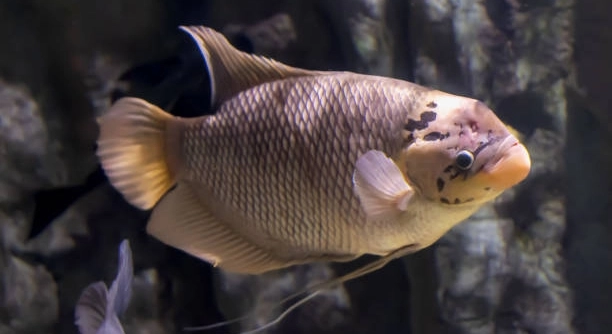
Are your gourami always hiding behind plants, rocks, or decorations in your tank, making it hard to enjoy their beauty?
The most common reason gourami hide frequently is due to stress, often caused by poor water conditions, tank mates, or a lack of proper shelter. Insecure environments or sudden changes can lead to this withdrawn behavior.
From tank setup and lighting to compatible companions, many small things can influence your gourami’s comfort and visibility in your aquarium.
Common Reasons Gourami Hide
Gourami are shy by nature, but constant hiding often means something is off in their environment. Water quality is a major factor. If ammonia or nitrate levels are too high, fish may become stressed and seek shelter. Another common reason is tank mates. Aggressive or fast-moving fish can scare gourami, causing them to retreat. A noisy or overly bright room can also make them uneasy. In some cases, the tank lacks proper decor, plants, or shaded areas, leaving them with no place to feel secure. Temperature fluctuations, strong currents from filters, or sudden changes in routine may add to their stress. New gourami might take longer to adjust, especially if the tank setup doesn’t mimic their natural habitat.
Sometimes, hiding can simply mean they’re adjusting to something new, like a recent water change or the addition of a new tank mate. It’s important to give them time and observe.
Make sure you offer hiding spots using live plants, caves, or driftwood. Gourami need places where they can feel protected without being completely isolated.
How to Help Them Feel Safer
Start by testing your water parameters regularly to keep ammonia, nitrite, and nitrate levels safe. Unstable water can make gourami nervous.
Choosing the right tank mates is just as important as the water conditions. Peaceful fish that don’t nip fins or chase are best suited for living with gourami. Overcrowding the tank can also cause stress, so give each fish enough space to swim and explore. Use soft lighting if possible, and avoid placing the tank in a busy area where sudden movements or loud sounds could startle them. Decorate the tank with floating plants and hiding spots like caves or clay pots to give your gourami quiet places to rest. Make sure the water temperature stays stable between 74°F and 82°F, depending on the species. A calm, well-maintained tank helps your gourami feel secure and show their natural behavior more often. Be patient and observe—they often come out once they feel safe enough.
Signs Your Gourami May Be Stressed
Gourami that are always hiding may also stop eating, breathe heavily, or show duller colors. These signs often appear together and should not be ignored. Watch closely for changes in daily behavior or routines.
Heavy breathing at the surface can mean the water has low oxygen or poor quality. Loss of appetite is also a concern, especially if it lasts more than a few days. A stressed gourami might also twitch, dart, or stay still for long periods. Faded colors or clamped fins—where the fins are held tightly against the body—are also warning signs. These are your fish’s way of signaling something is wrong. Take action by checking water conditions, tank temperature, and behavior of other fish. Even small changes in the tank can help improve things.
Another clue to stress is frequent hiding even during feeding times. Gourami usually come up to eat, so if they skip meals or wait until the tank is empty, they may be feeling unsafe. Bullying from other fish or too much noise around the tank can also be to blame. Try offering food in quieter moments and observe how they respond. Small daily habits often reveal how secure your fish feels.
What to Avoid When Trying to Help
Avoid moving things around too often. Constant changes in layout or decor can make gourami feel unsure and disrupt any comfort they’ve built up.
Don’t add too many fish at once. Overcrowding raises stress and lowers water quality fast. Avoid using harsh lighting or loud filters—these can overwhelm gourami and lead to even more hiding. Skip sudden water changes too. It’s better to do smaller, regular ones to keep the tank stable. Also, don’t chase or tap the glass to make them come out. This makes them feel threatened and teaches them to hide more. Finally, avoid sharp decorations that could injure them as they move in and out of cover. Instead, focus on creating a calm space with plenty of soft plants, dim lighting, and consistent care. Your fish will feel safer, and hiding may become less frequent over time.
Best Tank Setup for Confident Gourami
Use floating plants like hornwort or duckweed to give them shaded spots near the surface. This helps them feel secure while allowing natural movement.
Choose a gentle filter with adjustable flow. Gourami prefer calm water, and strong currents can make them feel exposed or stressed.
Feeding Habits That Encourage Activity
Offer food at the same time each day to build a routine. Use floating pellets or flakes made for gourami, since they feed at the surface. Spread food in a quiet moment to avoid startling them. Avoid overfeeding, as leftover food can dirty the water. Including the occasional treat like freeze-dried bloodworms may also encourage them to come out more. When they begin to associate feeding time with safety, they’ll feel more confident showing themselves.
When to Ask for Help
If your gourami keeps hiding despite your efforts, contact a vet or experienced aquarist. It could be a health issue needing treatment.
FAQ
Why is my gourami hiding all of a sudden?
Sudden hiding often means something in the tank has changed. Check for recent water changes, new tank mates, or loud noises near the aquarium. Even small things like a new decoration or filter adjustment can make them feel insecure. Stress can cause them to retreat until they feel safe again.
Is it normal for new gourami to hide?
Yes, it’s completely normal. New gourami need time to adjust to their surroundings. They may hide for several days or even a week. Give them space, keep the tank calm, and make sure there are plenty of plants and hiding spots. As they settle in, they’ll become more active.
Can tank mates cause gourami to hide?
Yes, aggressive or fast-moving tank mates often scare gourami. Fin nippers or territorial fish can make them feel unsafe. Choose peaceful species like corydoras, small tetras, or other gentle community fish. Always monitor new introductions to avoid conflict in the tank.
How do I know if my gourami is just resting or actually stressed?
Gourami sometimes rest near the bottom or in plants. That’s normal if they’re still eating and swimming normally at other times. Stress usually shows up as constant hiding, loss of appetite, clamped fins, or changes in color. If you notice those signs, check tank conditions right away.
Does the tank size affect how often gourami hide?
Yes. A small or overcrowded tank can cause stress. Gourami need space to swim and explore. A minimum of 20 gallons is recommended for dwarf gourami, while larger species need even more room. More space usually means more confidence and less hiding.
What temperature should I keep the tank at for gourami?
Most gourami do well in water between 74°F and 82°F. Sudden changes in temperature can cause them to hide. Use a reliable heater and thermometer to keep the temperature steady. Avoid placing the tank near windows or vents that can cause sudden shifts.
Can lighting affect my gourami’s behavior?
Yes, lighting plays a big role. Too much bright light can make them feel exposed. Use a soft or adjustable light and provide shaded areas using floating plants. Try a regular day-night cycle to mimic natural conditions. This helps them feel more secure and active.
How long does it take for a hiding gourami to feel safe again?
It depends on the cause. If they’re new to the tank, they may take a week or more. If stress is caused by poor water or bullying tank mates, improvement could take longer. Make small, gentle changes and monitor their behavior for progress.
Should I use medication if my gourami is hiding a lot?
Not right away. Only use medication if there are clear signs of illness like white spots, swelling, or frayed fins. Hiding alone isn’t enough to assume sickness. Always check water parameters first. If things don’t improve, consult a vet or experienced aquarist.
Is hiding a sign of loneliness in gourami?
Some gourami prefer solitude, while others enjoy company. Dwarf gourami can sometimes be kept in pairs or small groups, but only if the tank is big enough and they’re not fighting. Loneliness isn’t a common cause of hiding, but poor social setups can lead to stress.
Can I rearrange the tank to help them feel safer?
It depends. Too many changes at once can make things worse. If your tank lacks hiding spots or cover, adding a few plants or decorations can help. Just do it gradually. Avoid constantly moving things around. Let them get used to their environment first.
Do gourami sleep?
Yes, gourami do sleep, usually at night. They rest near the bottom or in plants, staying mostly still. It’s a quiet, low-energy state. Don’t disturb them during this time. If your fish is resting but swims actively during the day, it’s probably just sleeping.
Final Thoughts
Gourami are peaceful and sensitive fish. When they spend most of their time hiding, it’s often their way of telling you something isn’t right. While some hiding is normal—especially for new or shy individuals—constant or sudden hiding is usually caused by stress. This stress can come from many things, including poor water quality, strong currents, aggressive tank mates, or too much noise. Even a lack of plants or shelter can make your gourami feel exposed. Paying attention to these details can make a big difference. A calm, clean, and stable tank helps them feel safe and show their natural behavior.
It’s important to be patient. Fixing the problem doesn’t always lead to immediate changes. Sometimes your gourami needs time to feel comfortable again. Small actions, like lowering the filter flow, checking water parameters, or dimming the lights, can slowly help. Feeding them at regular times in a quiet setting also builds trust. Avoid making too many changes at once. Let them settle and observe how they react over time. If your gourami starts coming out more often, eating well, and showing brighter colors, that’s a good sign that things are improving. Don’t be discouraged if it takes a few days or even weeks.
Caring for gourami means staying consistent and gentle. Keep an eye on their behavior and don’t ignore signs of stress. If hiding continues despite your efforts, it may be helpful to ask for advice from an aquarium expert or vet. Sometimes health issues are not easy to see, and a second opinion can help. Remember, your gourami relies on you to provide a safe space where it can feel at ease. With the right care, they usually become more social and relaxed. Creating a balanced and peaceful environment not only helps your gourami but also makes the tank more enjoyable to watch. A little effort goes a long way in helping these beautiful fish feel secure and thrive.

Hello,
If you enjoy the content that we create, please consider saying a "Thank You!" by leaving a tip.
Every little bit helps us continue crafting quality advice that supports the health, happiness, and well-being of pets around the world, for pets of all shapes, sizes, and species.
We really appreciate the kindness and support that you show us!