
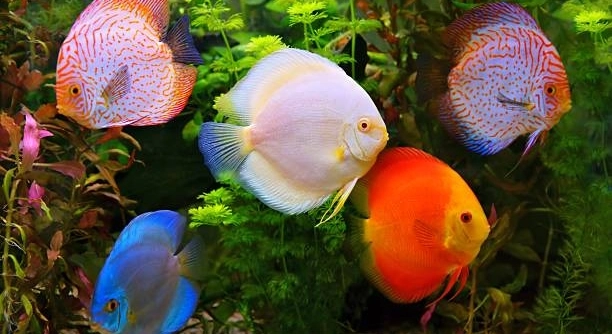
Are your discus fish suddenly becoming pale? This unexpected change in color can be worrying for any fish owner. Discus are known for their vibrant colors, so fading hues often signal an underlying issue worth addressing.
Discus fish become pale due to stress, poor water quality, illness, or improper diet. These factors disrupt their natural pigmentation and health, requiring immediate attention to restore their color and prevent further complications.
Understanding why your discus lose color can help you take the right steps to improve their environment and wellbeing. This article will guide you through common causes and practical solutions to keep your discus vibrant and healthy.
Common Causes of Discus Becoming Pale
Discus fish often lose their vibrant color due to stress. Stress can come from overcrowding, sudden changes in water temperature, or aggressive tank mates. Poor water quality is another major factor. High ammonia, nitrite, or nitrate levels can weaken your fish and cause color fading. Illnesses such as parasites or bacterial infections also affect pigmentation. A poor diet lacking in essential nutrients will make discus appear dull and pale. Regular monitoring of water parameters and a balanced diet are crucial. Additionally, inadequate lighting or sudden changes in the tank environment may contribute. Maintaining stable conditions helps discus keep their rich colors. Identifying these causes early can prevent further damage and promote a healthier aquarium environment for your fish.
Stress, water quality, illness, and diet are the main reasons discus become pale. These factors often work together, making it essential to address each carefully.
Proper care and attention to tank conditions can quickly restore your discus’s colors. Consistent maintenance and monitoring will help prevent future fading.
How to Improve Your Discus’s Color
Improving your discus’s color involves several key steps. Begin with testing water regularly and maintaining excellent water quality through frequent changes and proper filtration.
A varied diet rich in carotenoids, vitamins, and proteins supports vibrant pigmentation. Include foods like spirulina, bloodworms, and high-quality pellets specifically designed for discus. Avoid sudden temperature fluctuations by keeping the tank stable between 82°F and 86°F. Provide a calm environment free from aggressive fish that might stress your discus. Using appropriate lighting designed for aquarium plants and fish enhances their natural colors. Treat any signs of disease promptly with suitable medication. Finally, patience is important as color recovery may take days or weeks. Consistent care will reward you with brighter, healthier discus fish that display their full beauty.
Regular water testing and stable temperatures are crucial. A balanced diet with proper nutrients supports color restoration effectively.
Monitoring Water Parameters
Regularly testing water parameters is essential to keep discus healthy. Key elements to watch include ammonia, nitrite, nitrate, pH, and temperature. Keeping these within safe ranges prevents stress and color loss.
Ammonia and nitrite must always be at zero since even small amounts are toxic to discus. Nitrate should be kept below 20 ppm to avoid long-term health effects. Maintaining a stable pH between 6.0 and 7.0 supports optimal fish health. Temperature should stay consistently between 82°F and 86°F to prevent stress. Sudden changes in these parameters cause stress and fading colors. Frequent partial water changes, proper filtration, and avoiding overfeeding help maintain water quality.
Investing in good test kits allows you to monitor these levels regularly. Observing your discus’s behavior alongside water tests can help identify problems early, protecting your fish’s color and health.
Signs of Illness to Watch For
Pale discus often show other signs of illness, such as clamped fins, lethargy, or loss of appetite. These symptoms suggest infection or parasites. Identifying illness early can prevent worsening health.
Common illnesses include parasitic infections like gill flukes, bacterial infections causing fin rot, and internal parasites. Each illness impacts color and behavior differently, but all require prompt treatment. Look for white spots, ragged fins, or abnormal swimming patterns. Ill fish often isolate themselves or hide more than usual. Regular observation is key to spotting these signs. Quarantine new fish before adding them to the main tank to avoid spreading disease.
Consulting a vet or aquatic specialist can guide treatment choices. Medications vary depending on the illness, so accurate diagnosis is important. Early action helps restore your discus’s health and coloration effectively.
Tank Environment Adjustments
Adjusting the tank environment can reduce stress and improve discus coloration. Provide plenty of hiding spots and avoid overcrowding. Stable lighting and temperature are also important.
Keeping the tank quiet and calm helps discus feel secure. Avoid sudden changes in their surroundings to prevent color loss.
Choosing the Right Food
High-quality food rich in carotenoids supports vibrant discus colors. Include natural foods like bloodworms and spirulina. Avoid overfeeding, which can pollute water and stress fish.
Supplement their diet with pellets formulated specifically for discus. A varied diet improves health and enhances pigmentation naturally.
Importance of Regular Maintenance
Consistent tank cleaning and water changes keep water parameters stable. This prevents stress-related color fading and illness in discus.
Regularly remove debris and uneaten food to maintain a healthy environment for your fish.
Why are my discus suddenly becoming pale?
Discus turn pale mainly due to stress, poor water conditions, illness, or improper diet. Stressors like overcrowding or aggressive tank mates can cause fading. Water quality issues such as high ammonia or nitrate levels weaken their health. Illnesses and nutrient deficiencies also impact their natural colors.
How can I tell if my discus are stressed?
Signs of stress include hiding more often, clamped fins, loss of appetite, and unusual swimming patterns. Color fading is another key indicator. If these behaviors appear suddenly, it’s likely the fish are experiencing stress from environmental changes or tankmates.
What water parameters should I monitor for discus health?
Keep ammonia and nitrite at zero, nitrate below 20 ppm, pH between 6.0 and 7.0, and temperature stable between 82°F and 86°F. These ranges create a safe and comfortable environment for discus, helping maintain their color and vitality.
How often should I change the water?
Partial water changes of 20-30% once a week are ideal. Frequent changes prevent buildup of harmful toxins and maintain stable water conditions, which reduces stress and color fading in discus.
Can diet affect my discus’s color?
Yes, diet greatly influences discus coloration. Foods rich in carotenoids like spirulina and bloodworms enhance their natural pigments. Avoid low-quality or monotonous diets that lack essential nutrients to keep colors bright and fish healthy.
What are common diseases that cause pale discus?
Common illnesses include parasitic infections like gill flukes, bacterial infections causing fin rot, and internal parasites. These conditions weaken the fish and cause color loss, often accompanied by lethargy, abnormal swimming, or visible spots and fin damage.
How should I treat sick discus?
Quarantine sick fish and use medications appropriate for the diagnosed illness. Consult an aquatic specialist for proper diagnosis and treatment. Early detection and treatment improve recovery chances and help restore color.
Can lighting affect discus color?
Proper lighting enhances discus coloration. Use lighting designed for aquariums that simulates natural light cycles. Avoid sudden changes or overly bright lights, which can stress fish and cause pale colors.
Is overcrowding a problem for discus?
Yes, overcrowding leads to stress and competition for resources. This causes fading color and health issues. Keep discus in appropriately sized tanks with enough space and hiding spots for each fish to feel secure.
How long does it take for discus to regain color?
Color recovery varies but usually takes days to weeks after addressing the cause. Consistent care, improved water quality, and a balanced diet are necessary. Patience is important, as stress recovery is gradual.
Are tank mates important for discus color?
Tank mates impact stress levels. Aggressive or fast-moving fish stress discus and cause color loss. Choose peaceful companions that won’t outcompete discus for food or territory to maintain a calm environment.
Can water temperature swings cause fading?
Yes, sudden temperature changes stress discus, leading to pale colors. Keep temperature stable within the recommended range, using a reliable heater and thermometer for consistency.
Does genetics play a role in discus color?
Genetics influence baseline color patterns but environmental factors mainly affect how bright those colors appear. Proper care enhances genetic potential, while poor conditions cause fading regardless of genetics.
How can I prevent my discus from becoming pale?
Maintain stable water parameters, provide a balanced diet, avoid overcrowding, and monitor for illness. Regular tank maintenance and observation help catch problems early and keep discus vibrant and healthy.
Are supplements necessary for color enhancement?
Supplements like carotenoid-rich additives can boost color but should not replace a nutritious diet. Use supplements carefully and consult aquarium experts to avoid overdosing or nutritional imbalances.
What role does tank decoration play in discus color?
Natural decorations like plants and driftwood create a comfortable environment and reduce stress. This encourages brighter coloration. Avoid harsh, reflective surfaces that may cause stress or aggression.
How often should I observe my discus for color changes?
Daily observation is best. Regular checks allow early detection of color fading or health issues. Early intervention can prevent serious problems and support quicker recovery.
Can stress from handling cause color loss?
Yes, excessive or rough handling causes stress and pale colors. Minimize handling and use gentle methods during water changes or tank maintenance to protect your discus’s wellbeing.
Is water hardness important for discus color?
Discus prefer soft to moderately hard water. Extreme hardness or softness can stress fish and dull their color. Test water hardness regularly and adjust with suitable products if needed.
What is the best way to introduce new fish to prevent stress?
Quarantine new fish for at least two weeks to ensure they are healthy. Introduce them slowly to the main tank, monitoring for aggressive behavior or disease spread. This protects existing discus from stress and illness.
Keeping discus fish vibrant and healthy requires attention to several important factors. Pale colors in discus usually indicate stress, poor water quality, illness, or an unbalanced diet. Understanding these causes is key to addressing the issue effectively. Regular water testing and maintaining stable conditions help prevent problems before they start. Consistent care, including appropriate temperature, pH, and clean water, supports the natural coloration of discus and keeps them comfortable in their environment.
Diet plays a significant role in maintaining discus color. Feeding a variety of foods rich in carotenoids and essential nutrients ensures your fish get what they need to display their best colors. Avoid overfeeding, as leftover food can pollute the tank and cause stress. Additionally, providing a calm environment with peaceful tank mates reduces stress and helps your discus retain their vibrant appearance. Small changes in tank setup or care routines can have a big impact on how your discus look and feel.
Patience is important when helping your discus regain their color. It can take days or weeks for the fish to recover from stress or illness and return to their bright hues. Early detection and treatment of health issues improve recovery chances. Regular observation allows you to catch problems early. By staying consistent with water maintenance, feeding, and monitoring, you create the best environment for your discus to thrive. With proper care, your discus will show their natural beauty and remain healthy for a long time.

Hello,
If you enjoy the content that we create, please consider saying a "Thank You!" by leaving a tip.
Every little bit helps us continue crafting quality advice that supports the health, happiness, and well-being of pets around the world, for pets of all shapes, sizes, and species.
We really appreciate the kindness and support that you show us!