
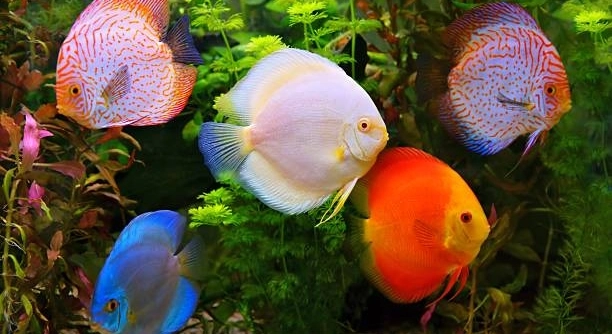
Many aquarium owners enjoy keeping discus fish for their vibrant colors and graceful movements. Sometimes, these fish seem calm during the day and only become active at night. This behavior can be confusing and may lead to concerns about their health or environment.
Discus fish are naturally more active during low light conditions because they feel safer and less stressed. Their nocturnal activity is linked to their instincts, environment, and lighting, which influence when they feel comfortable swimming and feeding.
Understanding why your discus behave this way can improve their care and help create a better tank environment for them. This article will explain the main reasons behind their night activity and offer practical tips.
Natural Behavior and Environment
Discus fish are native to slow-moving rivers in the Amazon, where shaded and dim environments are common. These conditions encourage them to be more active during dawn, dusk, or night when predators are less visible. In home aquariums, bright daytime lighting can make them feel exposed and stressed, leading to less activity. The natural instinct of hiding during the day and moving more at night helps them stay safe. This behavior is completely normal and reflects how they respond to their environment. Adjusting the lighting or providing more hiding spaces can help them feel comfortable during the day. Observing your fish in low light can reveal more natural activity and reduce stress. Proper tank setup mimics their native habitat and supports healthier behavior.
Low light conditions often encourage discus to explore and feed, showing more natural activity compared to bright lights.
Providing dimmer lighting and shaded areas replicates the discus’ natural environment, helping them stay active throughout the day.
Feeding Patterns and Tank Setup
Discus fish usually prefer to feed during quieter and darker times, which is why they become more active at night. In a busy tank with bright lights and daytime activity, they might hide or stay still to avoid stress. Feeding them in the evening or under dimmed lights can encourage better eating habits. The layout of the tank also plays a role. Plants, driftwood, and hiding spots give discus places to feel safe, helping them reduce stress and stay more active when they want to. Ensuring stable water conditions and a calm environment will also promote healthy feeding behavior. When these factors are balanced, you may notice your discus becoming more active even during the day.
Nighttime feeding is common for discus, so adjusting feeding times can align with their natural rhythm.
Choosing the right feeding schedule and creating a comfortable environment are key to encouraging your discus to be active and healthy. Offering food in the evening or under softer lighting helps them feel secure and ready to eat. Adding plants or decorations creates safe spaces that reduce stress, allowing them to explore more freely. Keeping water clean and stable also supports their natural behaviors and overall well-being. By understanding and adjusting these factors, you can enjoy watching your discus become more lively throughout the day as they grow comfortable in their tank.
Lighting and Stress Levels
Bright lighting in a tank can cause discus fish to feel stressed and hide during the day. This reduces their activity and makes them more active only at night when the lights are dimmer.
Stress from intense lighting affects discus behavior by increasing their need to find shelter. They prefer low or moderate lighting that mimics their natural habitat. Providing shaded areas with plants or decorations can help reduce stress. Consistent light cycles also support their internal rhythms, helping them feel secure. Avoid sudden changes in lighting, as these can startle discus and cause erratic behavior. Proper lighting balance is essential for encouraging natural activity and reducing stress-related hiding.
When discus feel less stressed due to better lighting conditions, they become more active throughout the day. This improved behavior also leads to healthier feeding and stronger immune systems, helping your fish thrive in the aquarium.
Tank Mates and Social Behavior
Discus are social fish but can be shy or stressed when housed with aggressive tank mates. Peaceful companions help them feel safe and encourage daytime activity.
Aggressive or overly active fish may intimidate discus, causing them to hide more often. Choosing calm, compatible species creates a balanced environment. Tank mates should have similar water requirements and temperaments. Grouping discus with other peaceful fish helps reduce stress and promotes natural social behavior. A stable social group can make discus more confident, increasing their activity during the day. Avoid overcrowding the tank, as this adds stress and competition for space.
Understanding how tank mates affect your discus can improve their comfort and behavior. When discus feel secure among their companions, they display healthier, more natural activity patterns and interact more openly within the aquarium.
Water Quality and Activity
Poor water quality can cause discus fish to become less active and hide more often. Clean, stable water helps them feel comfortable and encourages natural behavior.
Regular water changes and monitoring of parameters like pH, temperature, and ammonia are essential for their health. Stable water conditions reduce stress and support daytime activity.
Feeding Times and Behavior
Feeding discus fish in the evening or at night matches their natural feeding habits. This timing encourages more movement and activity when they feel safest to eat.
Adjusting feeding schedules to lower light periods helps discus stay more active and improves their appetite. Offering food when they are most comfortable supports their well-being.
Tank Setup and Comfort
A well-decorated tank with plants and hiding spots provides security for discus fish. This setup helps reduce stress and promotes activity.
When discus feel secure in their environment, they are more likely to explore and be active throughout the day.
FAQ
Why are my discus only active at night?
Discus fish are naturally more comfortable and active during low light conditions, such as early morning, evening, or night. Bright lighting during the day can make them feel exposed and stressed, so they tend to hide or stay still. Their natural instincts guide them to be more active when it feels safer, which often happens after the lights go down in your aquarium.
Can I change my discus’ behavior to be active during the day?
Yes, you can encourage daytime activity by adjusting lighting and tank conditions. Use dimmer lights or create shaded areas with plants and decorations. Feeding during low light times can also help. Gradually changing the light cycle helps discus feel secure, which may increase their daytime movement.
Is it normal for discus to hide during the day?
Yes, hiding during the day is common, especially if the tank is bright or there are aggressive tank mates. Providing hiding places and softer lighting can help discus feel safe and reduce hiding behavior.
How important is tank lighting for discus activity?
Lighting is very important. Bright or sudden lighting can stress discus and reduce their activity. Maintaining a consistent light cycle with moderate or dim lighting mimics their natural environment and encourages healthier behavior.
What role do tank mates play in discus activity?
Tank mates can influence discus behavior significantly. Peaceful and calm companions reduce stress and help discus feel more secure. Aggressive or overly active fish can scare discus, causing them to hide more and be less active during the day.
Can feeding times affect when discus are active?
Feeding times play a key role. Discus tend to be more active around feeding, especially during low light times. Feeding in the evening or early morning aligns with their natural habits and encourages activity.
How does water quality impact discus behavior?
Poor water quality causes stress and illness, leading discus to hide or become inactive. Keeping water clean and stable with regular testing and changes supports their health and natural activity.
What tank setup helps discus feel comfortable?
A tank with plenty of plants, hiding spots, and gentle water flow creates a safe environment. This reduces stress and encourages discus to explore and swim more during the day.
Are discus nocturnal fish?
Discus are not strictly nocturnal but show crepuscular tendencies, meaning they are most active at dawn and dusk. Their activity at night is linked to feeling safer in low light, not a true night-only pattern.
Should I be worried if my discus are mostly active at night?
Not usually. This behavior is natural and often linked to stress or environmental factors. Improving tank conditions, lighting, and feeding schedules can help balance their activity.
How long does it take for discus to adjust to new lighting?
Adjusting lighting gradually over a week or two helps discus feel secure. Sudden changes can increase stress and hide behavior, so slow transitions are better.
Can stress cause discus to be less active during the day?
Yes. Stress from bright lights, aggressive tank mates, poor water quality, or lack of hiding places reduces daytime activity. Addressing these issues improves their comfort and movement.
Is it normal for discus to feed mostly at night?
Feeding mostly at night can be normal due to their preference for low light feeding times. Adjusting feeding to coincide with their active periods helps ensure they get enough nutrition.
What can I do if my discus remain inactive despite changes?
If your discus stay inactive, check water quality, tank mates, and lighting carefully. Illness could be a factor, so observe for signs of sickness and consider consulting a vet or aquarium expert.
Can adding more plants help discus be active during the day?
Yes, plants provide shade and hiding spots, which reduce stress and encourage discus to explore more in daylight hours.
How do I know if my discus are stressed?
Signs of stress include hiding, lack of appetite, clamped fins, or unusual swimming. Improving environment and care usually helps reduce stress.
Do discus need a specific light cycle?
A consistent light cycle of about 10-12 hours of light followed by darkness works well. This consistency supports their natural rhythms and reduces stress.
Can adjusting feeding times alone change discus activity patterns?
Adjusting feeding times helps but is more effective when combined with proper lighting and tank setup. Feeding during low light encourages activity but won’t fully change behavior if the environment feels unsafe.
Is nighttime activity harmful to discus?
No, nighttime activity is normal and not harmful. It reflects their natural instincts to avoid bright light and potential predators.
How do I make my discus feel safe in the tank?
Provide plants, hiding spots, stable water conditions, gentle lighting, and peaceful tank mates. These factors help discus feel secure and more active during the day.
Discus fish often show more activity at night because of their natural instincts and environment. They come from shaded, slow-moving rivers where light is low during parts of the day. In home tanks, bright lights and busy surroundings can make them feel unsafe. This causes them to hide or stay still during the day, becoming more active only when the lights are dim or off. Understanding this behavior helps explain why your discus might seem quiet in the daytime and lively at night. It is a normal way for them to protect themselves and feel secure.
Adjusting your tank setup can help your discus feel more comfortable and encourage daytime activity. Using dimmer lights or adding plants and decorations to create shaded areas will mimic their natural habitat. Feeding them during low light times, like early morning or evening, also aligns with their natural rhythms. Stable water conditions, peaceful tank mates, and a calm environment reduce stress, which is important for discus to show natural behavior. With small changes, you may see your discus becoming more active during the day, but it’s important to be patient because these fish adjust slowly.
Ultimately, the key to keeping discus happy is understanding their needs and respecting their natural habits. They are sensitive fish that rely on safe, low-stress environments to thrive. Nighttime activity is not a sign of poor health but a natural response to their surroundings. By providing the right lighting, tank setup, feeding schedule, and companions, you can support your discus’ well-being and enjoy watching them behave naturally. Remember, creating a peaceful home for your discus takes time, but the effort helps them live healthier and happier lives.

Hello,
If you enjoy the content that we create, please consider saying a "Thank You!" by leaving a tip.
Every little bit helps us continue crafting quality advice that supports the health, happiness, and well-being of pets around the world, for pets of all shapes, sizes, and species.
We really appreciate the kindness and support that you show us!