
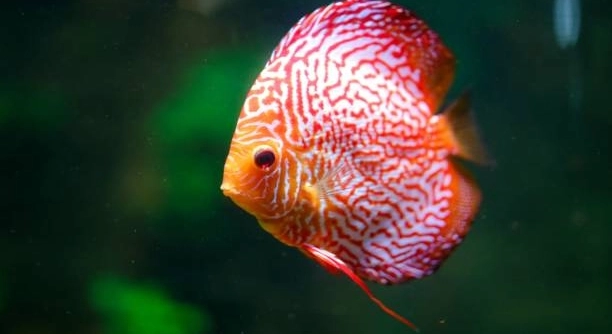
Are your discus fish always gathering around the heater, making you wonder if something in their environment is off balance?
Discus fish tend to hover near the heater when the tank’s water temperature is too low or inconsistent. They are highly sensitive to changes in warmth, often seeking out the most stable heat source available.
Understanding their temperature needs and adjusting your setup can make a big difference in their comfort, health, and daily behavior.
Why Temperature Matters So Much to Discus
Discus fish are tropical by nature and thrive in warm, stable water. When the tank’s temperature dips below their comfort zone, they instinctively move closer to the heater. This behavior is their way of seeking out the warmth they need to stay healthy. Unlike some other fish, discus are especially sensitive to fluctuations, and even minor changes in temperature can affect their mood, immune response, and eating habits. They need a steady range between 82°F and 86°F to maintain balance. Cold water stresses them out and can lead to long-term health problems like infections or reduced lifespan. If the tank is too big or the heater isn’t strong enough, the warmth may not spread evenly. As a result, they’ll gravitate to the warmest area—right next to the heater. Paying attention to this early sign helps prevent future issues before they become more serious.
Always use a reliable aquarium thermometer to check your tank.
A weak heater or poor water circulation can lead to uneven heat, causing your discus to huddle near the warmest area.
Signs the Heater Isn’t Doing Its Job
When discus hover near the heater constantly, it’s a sign the overall water temperature might be too low or uneven.
One way to spot a heater problem is to compare the temperature at different parts of the tank. If there’s a big difference between the area near the heater and the other side, the heat is not spreading well. In larger tanks, this is common when there’s only one small heater or poor water movement. Adding a second heater or improving flow with a circulation pump can fix this. Also, some heaters aren’t accurate and might show a correct reading while failing to heat the water enough. Try using a separate digital thermometer to double-check. You should also check for drafts, nearby air vents, or a tank lid that doesn’t hold heat well. If you keep your room cooler, this can also affect the tank more than expected. Keeping your setup consistent makes your discus feel safe and stay active.
How Tank Placement Affects Water Temperature
A tank placed near a window or air vent can lose heat quickly. Cold drafts or direct sunlight can cause temperature swings throughout the day, which makes discus uncomfortable and more likely to crowd around the heater for stability.
Avoid placing your aquarium where it’s exposed to temperature changes from windows, doors, or HVAC vents. Even if the room feels warm to you, nearby cold drafts or external light can affect the water more than expected. Discus fish need consistency. A heater alone won’t help if the room itself varies too much. Always keep the tank in a spot where the ambient temperature stays stable throughout the day and night. If your home gets especially cold at night, consider insulating the back and sides of the tank or using a tank cover. These small steps can make a noticeable difference and reduce the stress your discus experience.
When the room temperature fluctuates, your heater has to work harder and longer to maintain balance. That constant strain can wear out the heater faster or cause uneven heating across the tank. Keeping your tank in a steady environment helps extend the life of your equipment and supports your discus fish in staying calm and healthy.
Importance of Proper Water Flow
Without good circulation, warm water stays close to the heater while the rest of the tank stays cooler. This leads to uneven heating, and your discus will stay near the warm area, trying to stay comfortable and safe.
To improve water flow, use a reliable filter that moves water gently but consistently. You can also add a small circulation pump or position your filter’s output so that it moves warm water around the tank. Don’t rely on just the heater to spread the warmth. Test temperatures in different spots using a digital thermometer. If you notice a difference of more than 2°F, that’s a sign your tank needs better circulation. Be careful not to create a current that’s too strong—discus fish prefer calm waters. Even gentle movement is enough to even out temperature zones. Proper circulation supports better oxygen levels and keeps your discus active and stress-free.
When to Upgrade Your Heater
If your discus are always near the heater and the rest of the tank stays cooler, your heater might be too small for your tank size. A weak heater won’t maintain a consistent temperature, especially in larger tanks or colder rooms.
Heaters lose efficiency over time. If it takes longer to warm up or the temperature fluctuates often, consider replacing it. Choose a heater rated slightly above your tank’s volume for better performance. Always check for visible wear, cracked casing, or flickering indicator lights. These are early signs your heater may no longer be reliable.
Choosing the Right Heater
Select a heater with adjustable temperature settings and a strong safety record. For discus tanks, aim for 5 watts per gallon as a starting point. In colder homes or larger tanks, using two smaller heaters on opposite sides ensures more even heat. Go for models with auto shut-off in case of overheating or running dry. External temperature controllers are also helpful. These give you more control and often more accurate readings than built-in dials. Make sure the heater is submersible and placed near a spot with good water flow. That way, the warmth spreads evenly, and your discus don’t cluster in one place.
Why Temperature Stability Is So Important
Discus don’t handle stress well, and unstable temperatures can weaken their immune systems. Keeping the tank steady helps them stay relaxed and active every day.
FAQ
Why do my discus only hover near the heater and ignore other parts of the tank?
Discus fish are very sensitive to water temperature. If they stay close to the heater, it usually means the rest of the tank is cooler or the temperature is uneven. This happens when the heater is too weak, the tank is too large for one heater, or water flow is poor. They instinctively seek the warmest spot to feel comfortable. Improving circulation and checking the heater’s strength can help spread heat evenly throughout the tank.
Can temperature fluctuations really harm my discus?
Yes, discus are delicate fish that thrive in stable conditions. Frequent temperature changes can stress them out, weaken their immune system, and make them prone to illness. They need a consistent temperature between 82°F and 86°F. Sudden drops or rises disrupt their metabolism and behavior. Keeping the tank environment stable is key for their health and happiness.
How can I tell if my heater is working properly?
Use a reliable digital thermometer placed in different areas of the tank. The temperature near the heater and farther away should be similar, with no more than a 2°F difference. If you notice large gaps, your heater or water circulation may be insufficient. Also, check if the heater warms the water in a reasonable time. Flickering indicator lights or visible damage suggest it’s time to replace the heater.
Is one heater enough for a large discus tank?
In most cases, one heater isn’t enough for large tanks over 40 gallons. Multiple heaters placed on opposite ends help maintain even temperature and reduce cold spots. This also adds safety—if one heater fails, the other can keep the tank warm temporarily. Using two smaller heaters often works better than one large heater in terms of spreading heat and protecting your fish.
What is the ideal temperature range for discus fish?
Discus fish do best in water temperatures between 82°F and 86°F. This range mimics their natural tropical habitat and supports proper digestion, immune function, and activity. Temperatures below 80°F can make them sluggish and vulnerable, while temperatures above 88°F may cause stress and oxygen shortages. Staying within this range ensures they stay healthy and vibrant.
How important is water circulation in a discus tank?
Water circulation is very important. It helps distribute heat evenly, prevents cold spots, and improves oxygen levels. Discus prefer calm water but still need gentle movement to keep the tank balanced. Without good circulation, warm water stays near the heater and the rest of the tank stays cooler, causing your fish to cluster near the heat source. A good filter setup or a circulation pump can fix this.
Can room temperature affect my discus tank?
Yes, room temperature directly impacts your tank’s water temperature. If the room is too cold or has drafts, your heater will struggle to maintain a stable temperature. Even if the heater is strong, rapid changes in room temperature can cause fluctuations in the tank. Try to keep your tank in a room where the temperature stays fairly consistent day and night to reduce stress on your fish.
What should I do if my discus still hover near the heater after upgrading equipment?
If your discus continue this behavior after upgrading the heater and improving circulation, check for other stress factors. Poor water quality, low oxygen, or illness can cause them to seek warmer spots. Test water parameters like pH, ammonia, and nitrites. Also, observe their behavior and appetite. If unsure, consulting a vet or an experienced hobbyist may help identify hidden problems.
Are there any heater brands recommended for discus tanks?
Heater brands with a reputation for reliability and safety are best. Look for models with adjustable thermostats, auto shut-off features, and strong customer reviews. Brands like Eheim, Fluval, and Aqueon are popular among discus keepers. Choosing submersible heaters with digital controls can provide more precise temperature management, which is crucial for delicate discus fish.
How often should I check my discus tank’s temperature?
Check your tank’s temperature daily or at least every other day. This helps catch any heater failures or fluctuations early. Regular monitoring prevents long periods of stress for your discus and allows quick adjustments. Using a digital thermometer with an easy-to-read display makes this task simple and efficient.
Is it necessary to use a tank cover for discus?
Yes, using a tank cover helps maintain stable temperatures by reducing heat loss. It also prevents drafts and evaporation, which can cool the water unevenly. A proper lid keeps the tank environment controlled and reduces the risk of sudden temperature changes that can stress your discus.
Can adding plants affect how discus respond to temperature?
Live plants can help stabilize tank conditions by reducing temperature swings and providing hiding spots, which reduce stress. Plants absorb some heat and release oxygen, promoting a healthier environment. However, dense plant growth can slow water flow, so balance is important to avoid cold pockets forming around the heater.
How long does it take for a heater to stabilize the tank temperature?
A good heater usually takes a few hours to bring the tank up to the set temperature, depending on tank size and starting water temperature. Large tanks or very cold water will take longer. Avoid sudden adjustments; allow the heater to work steadily for consistent results. Patience is important to avoid stressing your discus with rapid temperature changes.
Final Thoughts
Maintaining the right water temperature is one of the most important aspects of caring for discus fish. These tropical fish are sensitive to changes in their environment, and they rely on a stable, warm tank to stay healthy and active. When discus hover near the heater, it is often a sign that something about their tank’s temperature isn’t quite right. This behavior is a natural response to cold or uneven water, which can stress them if not addressed. Understanding how temperature affects discus behavior helps you create a better living environment for your fish and avoid potential health problems.
It’s essential to ensure your heater is strong enough and functioning properly to keep the entire tank warm. A heater that is too small or faulty will create cold spots, causing discus to gather near the warmest area. Along with a quality heater, good water circulation plays a key role in distributing heat evenly. Poor flow leads to temperature differences in the tank, making your discus feel unsafe in cooler areas. Paying attention to heater size, placement, and water movement will help you maintain a steady temperature throughout the tank. Also, consider the location of the aquarium within your home. Avoid placing it near windows, doors, or vents where temperature changes are more likely. A stable ambient room temperature supports the heater’s work and reduces stress on your fish.
Lastly, keep a close eye on your discus and their environment regularly. Using a reliable thermometer to monitor temperature and checking equipment for signs of wear can prevent issues before they affect your fish. Remember that discus fish require consistent care and a calm environment to thrive. Small changes in their tank conditions can have big effects on their health and behavior. By maintaining stable water temperature and addressing any heater or flow problems early, you give your discus the best chance to live happily and comfortably in their home.

Hello,
If you enjoy the content that we create, please consider saying a "Thank You!" by leaving a tip.
Every little bit helps us continue crafting quality advice that supports the health, happiness, and well-being of pets around the world, for pets of all shapes, sizes, and species.
We really appreciate the kindness and support that you show us!