
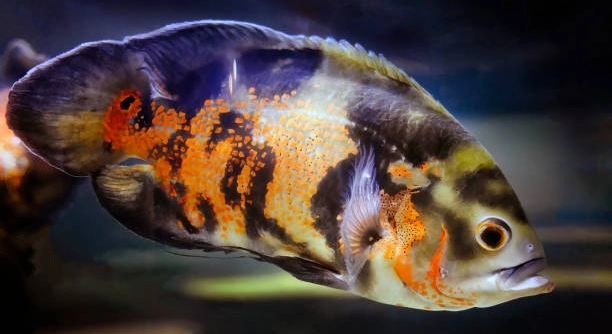
Do you ever notice your convicts suddenly choosing a new place to dig and wonder what might be prompting this change in behavior? Many caretakers find it puzzling when familiar patterns suddenly shift.
Convicts often dig in new spots due to environmental changes, stress, or the search for better hiding or breeding locations. These behaviors are natural instincts, and shifts in tank setup or social dynamics can trigger them.
Observing these behaviors closely can help you understand your convicts’ needs and adjust their environment for comfort and stability.
Understanding New Digging Spots
Convicts change digging locations for a variety of reasons. Sometimes, it is as simple as finding a more comfortable substrate. Shifts in tank layout, like moving rocks or plants, can make a new spot more appealing. Water flow and temperature differences in the tank can also influence where they dig. Social interactions play a role too. If another convict is dominant in one area, others may move to a different spot to avoid confrontation. Breeding instincts can prompt digging in new areas as well. Even minor disturbances outside the tank, such as loud noises or vibrations, can make them feel unsafe, prompting relocation. Observing their behavior carefully can help you notice these subtle changes. By understanding the triggers, you can adjust tank conditions and reduce stress. Over time, consistent observation helps predict where they are likely to dig next, keeping both the fish and the tank environment stable and healthy.
Digging in new spots is often a natural response to environmental shifts, social dynamics, and instinctual behavior.
Monitoring these changes can give insights into your convicts’ preferences, making it easier to create a safe and comfortable habitat for them.
Tank Adjustments and Observation
Regular observation helps detect patterns in digging behavior.
Small adjustments to substrate, hiding spots, and water conditions can encourage stability. Providing multiple areas with soft substrate allows convicts to choose comfortable digging zones without causing stress. Ensure decorations are stable and cannot collapse during digging. Adjust water flow if certain areas are avoided or overused. Monitoring temperature gradients and keeping consistent feeding schedules can reduce sudden changes in behavior. Social harmony is important; consider rearranging territories if aggression is present. Breeding periods may temporarily shift digging preferences, which should be expected.
Consistent observation over several days can reveal if a change is temporary or long-term. Documenting locations, frequency, and conditions can help identify patterns. By noting these details, you can make informed adjustments to tank setup. Providing varied but stable substrate and hiding areas reduces stress and encourages natural behaviors. Understanding these needs ensures convicts are comfortable, healthy, and engaged in their environment, making it easier to anticipate their next moves. Balancing environmental factors with social dynamics keeps the tank peaceful. Regularly checking water quality and tank layout prevents surprises and keeps their digging habits manageable, creating a thriving habitat over time.
Common Triggers for New Digging Spots
Changes in tank decor or water flow often prompt convicts to explore new areas. Social tension or dominance between fish can also push them to dig elsewhere, while breeding instincts naturally encourage new digging behavior in different locations.
Water temperature shifts, lighting changes, and even slight disturbances outside the tank can influence where convicts dig. If a spot becomes uncomfortable, overcrowded, or exposed, they will instinctively search for a safer or more favorable location. This behavior is a combination of instinctual survival, comfort, and environmental assessment, making observation key to understanding their choices.
Substrate type and depth play a major role. Convicts prefer digging in soft, loose materials that allow easy excavation. Rocks, plants, and other obstacles can make certain areas more attractive. Over time, observing preferred spots helps predict behavior and guide tank arrangement. Adjusting tank layout while keeping multiple comfortable zones ensures convicts remain active, healthy, and less stressed.
Breeding and Territorial Influence
Digging behavior intensifies during breeding periods, with convicts creating new pits to attract mates or protect eggs.
Territorial disputes among convicts often cause relocation of digging activity. Dominant fish may claim favored areas, forcing others to find alternative locations. Territoriality is strongest in males, who will patrol and defend specific regions, while females may move freely to find suitable spots for shelter or breeding. Monitoring these interactions helps reduce conflict and ensures everyone has access to safe digging zones.
Providing multiple hiding spots, soft substrate, and adequate space minimizes territorial stress. Observing interactions carefully allows you to identify dominant and submissive fish. This helps in adjusting decorations and substrate placement to reduce conflict. Breeding pairs may need isolated areas to ensure egg survival. By balancing space and resources, convicts remain healthy and active, with natural digging behavior maintained without constant disruption. Tank management during these periods ensures both social harmony and successful breeding outcomes, supporting overall fish wellbeing.
Environmental Factors
Water quality changes can make convicts choose new digging spots. High nitrate levels, sudden pH shifts, or low oxygen can push them to relocate. Monitoring these conditions regularly helps maintain stable behavior.
Lighting and temperature variations also influence digging. Brighter areas or cooler corners may be avoided, while comfortable zones attract activity, shaping their preferred locations.
Substrate Preferences
Convicts respond strongly to the type and depth of substrate. Soft, sandy material encourages digging, while gravel or coarse stones may limit it. Uneven or shallow areas often remain untouched, showing that substrate comfort is key to understanding their choices and adjusting tank setup accordingly.
Managing Multiple Digging Spots
Providing several soft substrate areas allows convicts to dig without conflict. This reduces stress and prevents dominant fish from monopolizing one location. Proper space distribution supports natural behavior, keeping the tank environment balanced and fish interactions healthier.
FAQ
Why are my convicts digging so much lately?
Convicts dig frequently due to instinctive behavior. They look for safe spots, prepare areas for breeding, or try to adjust their territory. Changes in the tank, such as new decorations, altered substrate, or shifts in water flow, can also trigger more digging. Stress, competition, or discomfort may increase this activity.
Is it normal for convicts to switch digging locations often?
Yes, switching spots is natural. Convicts are territorial and may relocate to avoid conflict, find better substrate, or adjust to water conditions. Frequent relocation is common during breeding periods or when tank layouts change, and it usually reflects instinctive choices rather than a problem.
Can digging harm my tank setup?
Yes, digging can displace decorations, plants, and substrate. Loose rocks may fall, and plants can be uprooted. Providing soft substrate and stable decorations reduces damage. Multiple digging zones help distribute activity and prevent a single area from becoming overly disturbed.
Does tank size affect digging behavior?
Smaller tanks often increase digging intensity due to limited space and territorial pressure. Larger tanks allow convicts to spread out, reducing conflict and stress. Ensuring sufficient space and hiding areas is essential for promoting natural behavior and reducing damage from frequent digging.
Should I change the substrate to reduce digging?
Changing substrate can help but only if it addresses discomfort or stress. Soft sand encourages digging, while gravel may limit it. Offering multiple substrate types allows convicts to choose preferred areas without completely restricting natural behavior, balancing their instincts with tank stability.
Are digging habits different during breeding periods?
Yes, digging increases during breeding. Males often create and defend pits to attract females, while females may dig to inspect potential nesting sites. Providing extra soft substrate and secluded areas helps reduce territorial disputes and ensures eggs are safely protected.
Can water conditions influence digging?
Absolutely. Shifts in temperature, pH, oxygen levels, or water flow can prompt convicts to relocate digging spots. Stable water parameters reduce stress and make convicts more comfortable in consistent areas, minimizing sudden or excessive digging behavior.
How can I prevent fighting over digging areas?
Provide multiple soft substrate zones and hiding spots to reduce territorial disputes. Observe interactions to identify dominant and submissive fish, and adjust tank layout as needed. Separating aggressive individuals during breeding periods can prevent conflict and ensure all fish have access to safe digging areas.
Do convicts dig to find food?
Occasionally, yes. Convicts may sift through substrate searching for leftover food or tiny organisms. Maintaining a balanced feeding routine reduces excessive substrate digging for food while still allowing natural foraging behavior.
When should I be concerned about digging behavior?
Be concerned if digging is paired with stress signs, injuries, or poor water conditions. Excessive or destructive digging may indicate discomfort, aggression, or unsuitable tank setup. Monitoring behavior closely and making adjustments to substrate, decorations, and tank parameters can prevent problems.
Is it normal for convicts to uproot plants while digging?
Yes, this is a natural side effect of their digging behavior. Anchoring plants more securely, using pots, or providing multiple digging zones can protect plant life while allowing convicts to express natural behavior.
How do I encourage healthy digging habits?
Provide soft substrate, multiple safe digging areas, and stable decorations. Keep water parameters stable, observe social dynamics, and offer hiding spots. Allow natural instincts while maintaining a balanced environment. This promotes healthy, stress-free behavior without excessive tank disruption.
Can adding more hiding spots reduce digging in the same area?
Yes, additional hiding spots distribute activity, giving convicts alternative spaces to explore and dig. This reduces pressure on a single area, minimizes territorial conflict, and supports calmer behavior throughout the tank.
Do males and females dig differently?
Males are more territorial and dig to establish dominance or attract females. Females may dig to inspect nesting sites or find safer locations. Understanding these differences helps anticipate behavior and provide proper substrate, shelter, and space for both sexes.
Is frequent digging a sign of stress?
It can be, especially if accompanied by aggression, hiding, or erratic swimming. Stress often stems from overcrowding, poor water quality, or strong territorial conflicts. Monitoring conditions and adjusting the tank layout helps reduce stress-related digging.
How long do convicts keep changing digging spots?
Behavior varies. During breeding or tank rearrangement, digging may shift daily. In stable conditions, they may settle into preferred areas for weeks or months. Observing patterns helps predict behavior and maintain a consistent, safe environment.
Can digging affect other fish in the tank?
Yes, heavy digging can disturb other fish, uproot plants, and stir up debris, impacting water clarity. Providing multiple soft substrate areas and monitoring interactions minimizes disruption and supports harmony among all tank inhabitants.
Does substrate depth matter for digging?
Deep substrate allows more extensive digging and hiding opportunities, while shallow substrate limits activity. Ensuring adequate depth in preferred areas encourages natural behavior while preventing frustration or excessive relocation.
Are there signs that digging is unhealthy?
Unhealthy digging may involve constant relocation, aggression, or injuries. Excessive disruption of plants and decorations, paired with stress behaviors, indicates issues. Adjusting water parameters, substrate, and tank layout often resolves these problems.
Can I use barriers to limit digging?
Barriers can protect plants or decorations but may frustrate fish if overused. Focus on creating multiple soft substrate zones and secure structures instead of restricting movement completely, balancing natural behavior with tank management.
How often should I observe digging behavior?
Daily observation helps detect changes, stress signs, and territorial shifts. Tracking behavior patterns allows proactive adjustments to tank setup, substrate, and hiding spots, keeping convicts healthy and active without excessive disruption.
Is it okay if one area is dug more than others?
Yes, convicts often favor specific areas for comfort, territory, or breeding. Providing alternatives prevents conflict while allowing fish to express natural behavior. Observing preferences helps maintain balanced tank conditions and reduces stress-related digging.
What is the best way to manage digging during breeding?
Create secluded soft substrate areas, provide extra hiding spots, and monitor dominant fish. Isolate aggressive individuals if needed. This ensures eggs remain safe, territorial disputes are minimized, and breeding behavior can proceed naturally without excessive tank disruption.
Does feeding schedule impact digging?
Regular feeding reduces digging for food in the substrate. Inconsistent schedules may increase substrate searching. Balanced meals encourage natural foraging behavior while limiting excessive relocation or substrate disturbance.
Can digging ever stop completely?
No, digging is instinctual. While its intensity can be managed with proper substrate, tank layout, and environmental stability, convicts will always dig occasionally as part of their natural behavior. Managing conditions rather than eliminating behavior is the key.
How do I balance natural digging with plant care?
Use pots, anchor plants securely, and provide multiple digging zones. This allows convicts to dig freely without destroying vegetation. Observing behavior helps adjust plant placement and substrate depth, maintaining both healthy fish and thriving plants.
Will digging affect water clarity?
Yes, digging can stir up substrate, clouding the water. Regular cleaning, proper filtration, and designated digging areas help maintain water clarity without restricting natural behavior.
Are there tools to help manage digging behavior?
Soft substrate mats, secure plant anchors, and stable decorations help guide digging while protecting tank elements. Observing fish behavior and providing multiple options reduces stress and maintains balance in the tank.
Can aggressive digging be a sign of overcrowding?
Yes, crowded tanks increase competition for space and territory. Overcrowding can trigger excessive digging, stress, and conflicts. Providing sufficient space and hiding areas minimizes aggressive behavior and promotes healthier interactions.
Do environmental enrichments reduce digging stress?
Yes, adding rocks, caves, and plants creates choices for safe digging and hiding. Varied enrichment distributes activity, reduces stress, and encourages natural behavior, keeping convicts active without damaging the tank.
How do I know if my convicts are happy with their digging spots?
Happy convicts dig comfortably, show balanced social behavior, and use multiple areas without constant relocation. Calm swimming, regular feeding, and minimal aggression indicate they are content with their environment and substrate choices.
Are there differences in digging between young and adult convicts?
Juveniles explore more and dig frequently to establish territory and find safe spots. Adults may dig less but focus on breeding and defending chosen areas. Recognizing these differences helps tailor tank setup for each life stage.
Can lighting changes influence digging patterns?
Yes, brighter or dimmer areas may be avoided or preferred. Providing shaded and well-lit areas allows fish to choose comfortable spots, balancing natural behavior with tank design.
Is digging a sign of good health?
Healthy convicts dig naturally, maintain vibrant coloration, and interact normally with tankmates. Consistent digging in soft substrate is a sign of normal instincts and active behavior.
How do I prevent stress-related digging?
Maintain stable water parameters, provide multiple hiding spots, ensure adequate space, and monitor social interactions. Proper substrate, enrichment, and consistent feeding reduce stress-induced digging, keeping fish healthy and tank stable.
Can changing decorations help manage digging?
Yes, rearranging rocks, plants, and structures can redistribute activity, reduce conflict, and encourage natural digging in preferred areas without disrupting the entire tank.
Do convicts prefer certain corners or edges for digging?
Often, yes. Corners and edges provide shelter, stability, and security. Observing preferred locations helps optimize tank layout, ensuring multiple suitable areas are available and reducing territorial disputes.
How long does it take for convicts to settle into new digging spots?
It depends on tank stability, social dynamics, and substrate comfort. Some settle within days, while others may shift for weeks. Observing patterns helps predict behavior and maintain a balanced, stress-free environment.
Are there signs that digging behavior is abnormal?
Abnormal digging involves constant relocation, destruction of plants or decorations, and stress indicators like hiding or aggression. Persistent abnormal behavior signals environmental or social issues needing intervention.
Can digging increase aggression between fish?
Yes, limited space or substrate can trigger fights over preferred areas. Providing multiple zones, hiding spots, and soft substrate reduces territorial disputes and promotes calmer interactions.
Does water current affect digging behavior?
Yes, strong currents can discourage digging in exposed areas, while calm zones attract activity. Adjusting flow can guide digging toward preferred locations and minimize disruption.
Are there long-term effects of excessive digging?
Excessive digging can stress fish, damage plants, and disturb substrate balance. Maintaining multiple soft areas and stable environmental conditions reduces risks, supporting healthier, more natural behavior over time.
Can I train convicts to dig in certain areas?
Not fully, but guiding behavior with soft substrate zones, hiding spots, and stable decorations encourages preferred digging areas. Observation and careful tank setup help influence where they dig naturally without restricting instincts.
How important is observation for managing digging?
Observation is crucial. Tracking location preferences, aggression, and stress signs helps make informed adjustments. Regular monitoring ensures tank stability, supports natural behavior, and prevents potential problems from escalating.
Does substrate color influence digging preference?
Sometimes. Convicts may prefer light or neutral substrates that highlight territory or eggs. Experimenting with substrate options can help identify the most comfortable areas for digging while maintaining a visually appealing tank.
Are there specific signs of breeding-related digging?
Yes, males often create and defend pits, while females inspect or dig smaller areas. Increased digging intensity, paired with courtship displays, signals breeding activity. Providing soft substrate and secluded zones ensures safety and reduces conflict.
Can digging disturb other tank inhabitants?
Yes, constant substrate movement can stress smaller or less aggressive fish. Multiple digging zones, hiding spots, and careful layout prevent disturbance while allowing convicts to express natural behaviors.
How often should I adjust tank layout to manage digging?
Adjust only when necessary, such as when conflict arises, plants are uprooted, or substrate is overused. Frequent changes can increase stress, so minor tweaks are preferable to major rearrangements.
Does digging affect water filtration?
Yes, stirred substrate can clog filters or reduce water clarity. Ensuring filtration is strong enough and monitoring tank cleanliness prevents issues while allowing natural digging.
Can I use barriers to protect certain areas from digging?
Barriers can protect plants or decorations but should not restrict overall movement. Offering multiple zones and soft substrate is more effective in managing digging without frustrating fish.
Are there natural alternatives to reduce digging stress?
Providing rocks, caves, plants, and multiple substrate options allows fish to dig safely and express instincts. Environmental enrichment balances activity with comfort, reducing stress naturally.
Do convicts ever stop digging in a preferred area?
Not completely, but activity may decrease once the area is comfortable, safe, and has stable conditions. Natural instincts will continue at a lower intensity, especially outside breeding periods.
How do I balance digging with tank aesthetics?
Use multiple soft substrate areas, anchor plants, and stabilize decorations. This allows natural behavior while maintaining visual appeal, balancing convicts’ needs with a tidy, attractive tank.
Is digging behavior linked to nutrition?
Balanced feeding reduces substrate searching for food. Nutritional deficiencies may increase foraging behavior, leading to more frequent digging. Consistent, quality meals help maintain normal activity without over-stressing the tank environment.
How can I tell if a new digging spot is temporary or permanent?
Observe over several days. Temporary spots often shift frequently, while permanent spots are revisited consistently. Documenting patterns helps predict behavior and plan substrate, decorations, and hiding areas accordingly.
Can excessive digging indicate illness?
Yes, abnormal digging combined with lethargy, poor appetite, or color changes may signal illness. Water tests, observation, and veterinary advice help identify and address health concerns promptly.
Do substrate types affect egg-laying behavior?
Yes, soft sand or fine gravel encourages digging for breeding and egg-laying. Hard or coarse substrates may limit natural nesting behavior, impacting reproductive success. Providing preferred substrate supports healthy breeding.
How do I maintain multiple digging spots without overcrowding?
Distribute soft substrate zones evenly, provide hiding spots, and allow sufficient swimming space. Observing fish behavior helps adjust layout and prevent territorial disputes while supporting natural digging instincts.
Are digging patterns consistent among convicts?
Patterns vary by individual, age, and sex. Dominant fish, breeding pairs, and juveniles behave differently. Tracking habits helps predict preferred areas and manage tank layout efficiently.
What is the best way to record digging behavior?
Keep a daily log of locations, frequency, and conditions. Note interactions, water parameters, and substrate types. This helps identify patterns, adjust tank setup, and support fish health.
Can lighting schedules impact digging timing?
Yes, convicts may prefer digging during dimmer periods. Stable light cycles help regulate activity and reduce sudden relocation or stress-induced digging, supporting predictable behavior patterns.
Is it normal for digging to peak at certain times of day?
Yes, activity often increases during feeding or low-light periods. Recognizing these peaks helps plan observation, feeding, and maintenance to minimize stress and disruption.
Can digging behavior be used to monitor tank health?
Yes, changes in digging frequency or location often reflect water quality, stress, or social issues. Regular observation provides early indicators for corrective action.
Do substrate types influence social interactions?
Yes, soft, spacious substrate reduces conflict by allowing multiple zones. Hard or limited substrate can increase aggression as fish compete for preferred areas. Proper setup supports calmer social dynamics.
How do I encourage natural digging without causing damage?
Provide soft substrate, multiple zones, and stable decorations. Offer hiding spots, maintain water quality, and observe interactions. This allows instinctive behavior without harming plants, decorations, or other fish.
Are there specific plants that survive convicts’ digging?
Hardy plants like Java fern or Anubias survive digging better. Anchoring them or using pots protects roots while allowing natural substrate movement in other areas.
How do I reduce stress-related substrate digging?
Maintain stable water parameters, provide multiple soft zones, ensure hiding spots, and reduce social tension. Balanced feeding and environmental enrichment help minimize stress and excessive digging.
Can digging patterns indicate tank dominance hierarchy?
Yes, dominant fish often occupy preferred areas, forcing others to relocate. Observing patterns helps identify hierarchy and adjust layout to reduce conflict while maintaining natural behavior.
Does water temperature influence digging intensity?
Yes, slightly cooler or warmer areas may be avoided or preferred. Consistent temperatures across the tank encourage steady digging habits and reduce sudden relocation or stress.
Can substrate depth prevent excessive digging?
Deeper substrate allows natural digging and hiding without frustration. Shallow areas may lead to relocation or repeated attempts to dig. Proper depth ensures comfort and balanced behavior.
Is it normal for convicts to dig near decorations?
Yes, decorations provide shelter and stability, making nearby substrate attractive. Anchoring decorations prevents damage while still allowing natural digging behavior in adjacent areas.
Do juveniles dig differently from adults?
Juveniles explore more and dig frequently to establish territory. Adults focus on breeding, defending areas, and maintaining comfort zones. Recognizing this helps tailor substrate, hiding spots, and tank layout for each age group.
Are digging patterns influenced by tank shape?
Yes, corners and edges often become preferred digging spots. Long, open areas may be avoided unless enriched with substrate, hiding spots, or decorations. Observing preferences helps optimize layout.
How do I know if digging is excessive?
Excessive digging involves constant relocation, destruction of plants or decorations, and stress signs. Moderate, instinctive digging is normal, but repeated disturbance indicates environmental or social issues that require attention.
Can digging cause injuries?
Yes, loose decorations or unstable rocks can fall during digging. Secure all structures, anchor plants, and provide soft substrate to prevent injury while allowing natural behavior.
How can I track preferred digging spots?
Use a log or photo records to note location, frequency, and tank conditions. Tracking patterns helps anticipate behavior, adjust substrate, and maintain balanced, stress-free tank conditions.
Does substrate type affect overall tank health?
Yes, soft substrate supports natural digging, reduces stress, and maintains water quality. Hard or poorly maintained substrate can increase debris, stress, and aggression, impacting fish and tank stability.
Are digging habits affected by feeding methods?
Yes, convicts may dig to search for food if meals are inconsistent or scattered. Controlled feeding schedules and hiding some food in substrate can encourage natural foraging while reducing excessive disruption.
Can digging behavior be redirected?
Partially. Providing preferred substrate, multiple soft zones, hiding spots, and enrichment encourages activity in safer areas. Observation and layout adjustments guide behavior without restricting instincts.
Do convicts show preference for certain substrate textures?
Yes, soft sand or fine gravel is usually favored. Coarse or hard substrate may be avoided. Offering varied textures helps identify preferred areas and maintain natural digging behavior.
Can digging patterns indicate water quality problems?
Yes, sudden shifts in preferred spots or frequent relocation may signal poor water quality, pH changes
Convicts are naturally active and curious fish, and digging is one of their most instinctive behaviors. They dig to explore, mark territory, prepare for breeding, and search for comfortable hiding spots. This behavior may seem disruptive at first, especially if plants are uprooted or substrate is disturbed, but it is an essential part of how they interact with their environment. Observing where and how they dig gives insight into their preferences and needs. By paying attention to their patterns, you can make informed adjustments to the tank setup, including substrate, decorations, and hiding spots. Over time, this understanding helps create a more balanced and stable environment, where convicts can exhibit natural behaviors without causing unnecessary stress or damage to the tank.
Managing digging behavior is largely about preparation and observation. Providing soft substrate in multiple areas allows fish to dig freely without focusing all activity in one spot. Anchoring decorations and using pots for delicate plants can prevent damage while still allowing natural behavior. Maintaining stable water conditions, including temperature, pH, and oxygen levels, reduces stress, which often triggers excessive relocation. Social dynamics also play a role, as dominant fish may push others to dig elsewhere. Observing interactions can reveal which fish are more territorial and which areas are most preferred, giving you guidance on how to arrange decorations and substrate. Consistent observation and minor adjustments, rather than drastic changes, support both the fish and the tank environment.
It is important to remember that digging is not a problem to eliminate but a behavior to manage. Excessive interference can stress convicts or prevent them from expressing natural instincts. By offering suitable substrate, multiple zones for digging, hiding areas, and stable decorations, you allow the fish to make choices that suit them while keeping the tank orderly. Recognizing the signs of stress, aggression, or environmental discomfort helps prevent problems before they escalate. A well-prepared tank supports both the physical health and behavioral needs of your convicts. Over time, understanding and accommodating their digging habits creates a harmonious tank where fish feel safe, comfortable, and active, and the overall tank environment remains clean, organized, and enjoyable to maintain.

Hello,
If you enjoy the content that we create, please consider saying a "Thank You!" by leaving a tip.
Every little bit helps us continue crafting quality advice that supports the health, happiness, and well-being of pets around the world, for pets of all shapes, sizes, and species.
We really appreciate the kindness and support that you show us!