
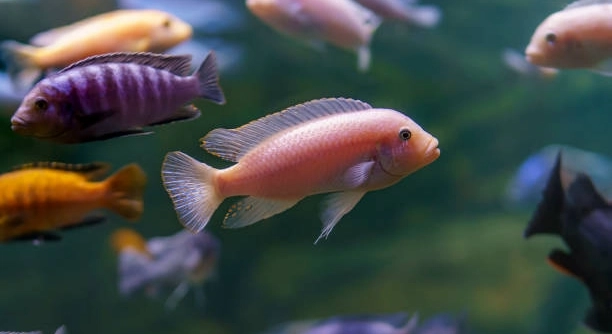
Are your convict cichlids constantly chewing on the sponge filter in your aquarium? This behavior can be puzzling for many hobbyists, especially when the fish seem healthy otherwise. Understanding why this happens can improve tank care.
Convicts often chew on sponge filters due to a combination of territorial behavior, exploring their environment, and natural instincts to graze. This activity is generally harmless but can indicate stress, insufficient enrichment, or a need for more appropriate feeding options.
Observing their behavior closely can reveal patterns and potential triggers. Proper adjustments to the tank setup can help minimize unnecessary chewing.
Common Reasons Convicts Chew on Sponge Filters
Convict cichlids often chew on sponge filters as a natural part of exploring their environment. They use their mouths to investigate objects, which helps them understand textures and boundaries in the tank. Sometimes, this behavior is linked to territorial instincts, especially if the aquarium is small or crowded. Convicts may also graze on algae or biofilm that grows on the sponge, which provides a minor food source. Another reason is stress or boredom; without enough hiding spots, plants, or decorations, they may turn to the filter as a focal point. Young convicts are particularly active chewers because they are still developing their spatial awareness and experimenting with their surroundings. Ensuring proper tank maintenance, balanced feeding, and a varied environment can reduce excessive chewing. While occasional nibbling is harmless, frequent biting may indicate a need to adjust tank conditions or enrichment methods to maintain their well-being.
Chewing can signal minor stress or a need for more stimulation. Addressing environment and feeding often reduces this behavior naturally.
Adding varied decorations, hiding spots, and enriching food sources can redirect their attention. Observing how they interact with the filter helps identify patterns and prevent damage.
How to Manage Filter Chewing
Providing alternative surfaces or enrichment reduces the focus on sponge filters. Harder decorations or driftwood can serve as safe outlets for exploration and grazing.
Adjusting the tank setup is essential to minimize filter chewing. Convicts often react to limited space or lack of environmental complexity by focusing on easily accessible objects. Adding rocks, caves, or plants allows them to establish territories and encourages natural digging and grazing behaviors. Regular feeding schedules with varied food types also reduce the likelihood of filter chewing because the fish spend more time eating and less time investigating the filter. Monitoring water quality is equally important; poor conditions can increase stress-related behaviors, including chewing. Observing their activity helps determine if changes are effective. If necessary, gradually repositioning or partially covering the filter with safe materials can provide a buffer while maintaining filtration. Over time, combining environmental enrichment with proper care usually leads to reduced chewing and healthier, more active fish that interact appropriately with their surroundings.
Signs Your Convicts Are Stressed
Excessive chewing on the sponge filter can indicate stress. Other signs include aggressive behavior, loss of color, or hiding more than usual. Recognizing these signals early helps prevent long-term health issues.
Stress in convict cichlids often arises from overcrowding, poor water quality, or abrupt changes in the tank. When they feel threatened or uncomfortable, chewing becomes an outlet for tension. Observing how often and when they target the filter can reveal triggers. Adjusting tank conditions, adding hiding spots, and maintaining stable water parameters usually helps reduce stress. Stress-related chewing is more common in younger or newly introduced fish adapting to a new environment.
Behavior patterns also reflect social dynamics. Dominant individuals may chew more to assert territory, while submissive fish may retreat. Understanding these interactions allows targeted interventions. By balancing the environment and monitoring tank mates, you can encourage calmer behavior and minimize destructive chewing habits over time.
Preventing Filter Damage
Covering or repositioning the sponge filter can protect it from constant chewing. Using safe materials like mesh or plants helps.
Providing a stimulating environment is crucial to prevent filter damage. Convict cichlids need places to hide, explore, and graze, which distracts them from the filter. Adding rocks, driftwood, and artificial caves allows them to claim territories and reduces focus on the sponge. Feeding them varied foods at consistent times keeps them engaged and less likely to chew excessively. Regular tank cleaning ensures water quality remains stable, preventing stress-driven behavior. Observation helps identify patterns and make adjustments before damage occurs.
Some owners also find that alternating enrichment items keeps convicts interested and reduces repetitive chewing. Rotating decorations or adding floating objects creates new points of interest. Combining these strategies maintains a healthy, stimulating tank while preserving filter integrity and supporting the fish’s natural behaviors.
Tank Setup Considerations
Tank size directly affects convict behavior. Smaller tanks increase territorial disputes and stress, which can lead to more chewing on the sponge filter. Providing enough space reduces conflicts and allows natural exploration without damaging equipment.
Decorations and hiding spots play a key role. Rocks, caves, and plants give convicts alternatives to the filter. These additions help them establish territories and feel secure, lowering the likelihood of destructive chewing.
Feeding and Nutrition
A balanced diet is essential for reducing filter chewing. Convicts often nibble on the sponge when they are searching for food. Offering high-quality pellets, occasional live or frozen foods, and vegetable matter ensures they are well-fed. Regular feeding schedules also prevent boredom-driven chewing and support overall health.
Observing Behavior Patterns
Tracking when and how often convicts chew the sponge helps identify triggers. Observation allows targeted adjustments to tank conditions and enrichment items.
FAQ
Why are my convicts chewing the sponge filter all the time?
Convict cichlids chew the sponge filter for several reasons, including exploration, territorial behavior, and grazing on algae or biofilm. Young or newly introduced fish may chew more as they adapt to their environment. Stress, boredom, or lack of hiding spots can also increase chewing frequency. Adjusting the tank environment often reduces this behavior.
Is chewing on the sponge filter harmful to my fish?
In most cases, occasional chewing is harmless. The sponge is soft and non-toxic, so small bites do not pose a health risk. However, constant chewing may stress the fish or wear the filter down over time. Providing alternative enrichment reduces potential harm and maintains a safe environment.
Can chewing indicate stress or illness?
Yes, excessive filter chewing can be a sign of stress. Other indicators include loss of color, hiding, aggression, or reduced appetite. Stress may result from overcrowding, poor water quality, sudden temperature changes, or inadequate hiding spots. Monitoring these factors helps prevent health issues.
How can I reduce filter chewing without removing the sponge?
Offer alternative surfaces and enrichment. Rocks, driftwood, and artificial caves give convicts places to explore. Adding plants or floating objects redirects attention. Feeding high-quality, varied foods at regular intervals keeps them occupied and less likely to focus on the filter.
Will increasing tank size help stop this behavior?
Yes, a larger tank provides more space for territory and reduces stress-related behaviors. Overcrowded tanks can trigger aggression and chewing. Ensuring enough room for each fish, along with enrichment items, supports calmer behavior and minimizes filter nibbling.
Are there any safe materials to cover the sponge filter?
Yes, covering part of the sponge with mesh or attaching safe decorations can protect it while still allowing proper water flow. Avoid sharp or toxic materials. Gradual changes work best to prevent startling the fish or disrupting filtration.
Does diet affect chewing habits?
Absolutely. Fish that are underfed or lack variety may seek extra nutrition by grazing on algae or biofilm on the sponge. Feeding a balanced diet of pellets, occasional live or frozen food, and vegetable matter keeps them satisfied and reduces filter-focused chewing.
Can multiple convicts chewing together cause problems?
Yes, group behavior can amplify chewing. Dominant fish may target the filter to assert territory, and others may copy the behavior. Observing social dynamics and providing sufficient hiding spots, enrichment, and feeding can prevent excessive chewing caused by social stress.
How long does it take for behavior to improve after changes?
It varies, but noticeable improvements usually occur within a few days to a week after introducing enrichment, adjusting diet, or improving tank conditions. Consistency is key. Continue observing patterns to ensure long-term reduction in chewing behavior.
Should I be concerned if they destroy part of the sponge?
Minor wear is normal and not harmful. Excessive damage may affect filtration efficiency. In that case, replace the sponge or add a protective barrier while maintaining water flow. Frequent observation ensures the filter remains functional and safe for the fish.
Can environmental changes trigger chewing?
Yes, moving the filter, changing water conditions, or introducing new tankmates can increase chewing temporarily. Fish explore new elements with their mouths, which may result in short-term filter chewing. Stable, gradual adjustments reduce stress-related behaviors.
Do convicts ever outgrow chewing the filter?
Some do, especially as they settle into a well-structured tank. Adult fish may chew less once territories are established and enrichment keeps them engaged. Providing consistent care and stimulating environments increases the chances that chewing will naturally decrease.
Is it better to replace the sponge with another filter type?
Not necessarily. Sponge filters are gentle, provide biofilm for grazing, and are safe for fry. Instead of replacing the filter, focus on enrichment, tank layout, and proper feeding to reduce chewing without sacrificing filtration benefits.
Can chewing affect water quality?
Minimal chewing typically does not impact water quality. However, if the sponge is damaged or partially removed, it may reduce filtration efficiency, potentially affecting ammonia and nitrite levels. Regular maintenance ensures water remains safe while managing chewing behavior.
What is the best long-term solution for reducing chewing?
A combination of tank enrichment, proper diet, sufficient hiding spots, and observing fish behavior provides the most effective long-term solution. Gradually implementing changes and monitoring responses helps maintain a healthy, engaging environment while protecting the sponge filter.
This FAQ covers common concerns about convict cichlids chewing sponge filters. Following these strategies helps maintain fish health, prevent stress, and preserve tank equipment efficiently.
Final Thoughts
Convict cichlids chewing on sponge filters is a behavior many fish owners notice, especially when the fish are young or recently introduced to a new tank. While it may seem concerning at first, this behavior is often a natural part of their exploration and territorial instincts. Convicts use their mouths to interact with the environment, investigate textures, and even search for small amounts of algae or biofilm. This type of chewing does not usually harm the fish, but it can indicate underlying factors such as stress, boredom, or insufficient environmental enrichment. Recognizing the behavior early allows fish owners to take steps to support their convicts’ well-being while minimizing unnecessary damage to the sponge filter. By understanding why convicts engage in this behavior, you can create a healthier and more engaging tank environment that meets their natural needs.
Providing a proper tank setup is one of the most effective ways to reduce excessive chewing. A larger tank with sufficient space for each fish allows them to establish territories without feeling cramped or stressed. Adding decorations such as rocks, caves, driftwood, and live or artificial plants gives convicts safe outlets for exploration and grazing, diverting attention from the sponge filter. Feeding a balanced diet with high-quality pellets, occasional live or frozen foods, and vegetable matter also helps. Fish that are well-fed and engaged in natural activities are less likely to chew on the filter excessively. Regular tank maintenance, including monitoring water quality, performing water changes, and keeping the filter in good condition, ensures the fish remain healthy and stress-free. Consistent observation allows adjustments to the tank setup, diet, or enrichment if chewing behavior persists, creating an environment that promotes calm, natural behavior.
It is important to remember that some level of chewing is normal and not necessarily a problem. Convict cichlids are active, curious, and sometimes territorial, so occasional nibbling on the sponge filter is part of their natural behavior. The goal is not to completely stop chewing but to manage it so that the fish remain healthy and the filter stays functional. Using enrichment, proper feeding, hiding spots, and safe protective measures for the sponge can significantly reduce the frequency of chewing. Over time, as convicts settle into a stable environment, their focus on the sponge filter often decreases naturally. Maintaining a balanced and stimulating tank environment ensures that your fish are active, stress-free, and able to express their natural behaviors, while also preserving the longevity of your equipment. With attention to diet, habitat, and enrichment, managing this behavior becomes straightforward, allowing both the fish and the tank to thrive.

Hello,
If you enjoy the content that we create, please consider saying a "Thank You!" by leaving a tip.
Every little bit helps us continue crafting quality advice that supports the health, happiness, and well-being of pets around the world, for pets of all shapes, sizes, and species.
We really appreciate the kindness and support that you show us!