
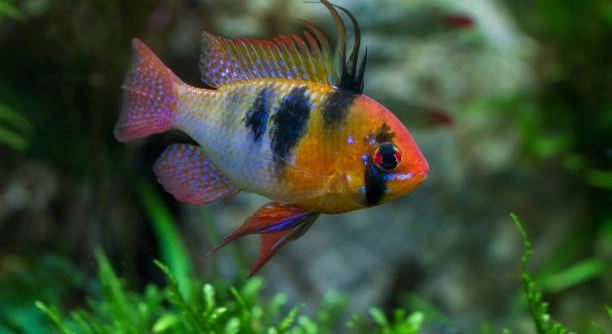
Do your convict fry seem to spend most of their time near the water’s surface instead of swimming around the tank? This behavior can be worrying for new aquarium owners trying to care for their young fish.
Convict fry floating near the top usually indicates insufficient oxygen in the water or stress from water quality issues. Ensuring proper aeration, maintaining clean water, and providing a stable environment can help fry swim normally and thrive.
Understanding these early behaviors can help you adjust your tank setup and care routine, promoting healthier growth and reducing stress for your fry.
Common Reasons Convict Fry Float at the Top
Convict fry floating near the water surface is often related to oxygen levels and water conditions. Young fry are delicate, and even small changes in temperature, pH, or cleanliness can make them struggle. Poor water circulation can leave areas with low oxygen, which forces fry to seek air at the top. Overcrowding also increases stress, making it harder for fry to swim normally. Another factor is diet; underfed or overfed fry may lack energy, affecting their ability to swim and maintain buoyancy. Observing behavior closely helps identify whether it’s temporary or a sign of ongoing issues. Proper filtration and gentle aeration often prevent most floating problems. Regular partial water changes keep ammonia and nitrate levels safe, allowing fry to grow steadily. Monitoring the tank daily ensures early intervention before problems worsen, improving fry survival rates.
Floating is usually harmless if it happens occasionally, but repeated behavior signals care adjustments are needed.
Small changes, like slightly increasing aeration or adjusting feeding, can quickly stabilize fry behavior. Consistent monitoring prevents long-term stress and ensures proper growth.
Adjusting Tank Conditions for Fry Health
Maintaining stable tank conditions is key to healthy convict fry.
Water temperature, oxygen levels, and cleanliness directly affect swimming and feeding. Temperature fluctuations or poor aeration can cause fry to gather at the top. Regular water changes and gentle filtration keep ammonia and nitrate levels low, which prevents stress. Avoid sudden decorations or rearranging the tank, as fry are sensitive to disturbances. Overcrowding can be addressed by transferring some fry to a secondary tank or using dividers to give them space. Providing small, frequent feedings of high-quality fry food ensures energy levels remain consistent. Using an air stone or sponge filter creates gentle water movement and better oxygen distribution without harming the fry. Observing their behavior after adjustments helps confirm that changes are effective. Minor tweaks often have immediate positive effects, allowing fry to swim more naturally and reduce top-floating tendencies.
Tracking water parameters daily and making incremental adjustments is the most effective approach. Maintaining proper conditions consistently ensures healthier growth, stronger fry, and a calmer tank environment, minimizing stress and improving long-term survival rates. Regularly cleaning filters, removing uneaten food, and monitoring temperature fluctuations can prevent most common problems. Even small improvements in water circulation or oxygenation can make a visible difference. Feeding in moderation supports energy without polluting the water. A patient, methodical approach to tank management allows fry to thrive while reducing floating at the surface. By focusing on stable, clean, and oxygen-rich conditions, the tank becomes a safer environment, and fry develop swimming skills naturally. Observing responses over time ensures that your adjustments are working effectively, keeping the young fish healthy and active.
Feeding Practices That Affect Fry Behavior
Overfeeding or underfeeding convict fry can make them float at the top. Proper portion sizes and timing are crucial for their energy and swimming ability.
Fry need frequent, small meals to maintain energy. Overfeeding can pollute the water, causing oxygen depletion that forces fry upward. Uneaten food breaks down into ammonia and nitrates, creating stress and poor water quality. On the other hand, underfed fry may lack the strength to swim properly, leaving them at the surface to gasp for air. Using high-quality, finely crushed fry food ensures they receive the right nutrients without compromising water cleanliness. Observing feeding response helps adjust amounts for healthier development.
Rotating food types also supports balanced growth. Including infusoria, microworms, or powdered fry food offers variety and prevents nutrient deficiencies. Maintaining a consistent feeding schedule encourages natural swimming patterns and reduces floating. Small, careful adjustments often yield quick improvements in fry behavior.
Water Quality and Oxygen Levels
Maintaining high water quality and proper oxygenation prevents fry from floating unnecessarily.
Testing ammonia, nitrite, and nitrate levels regularly is essential. Elevated toxins can stress fry, causing them to rise to the surface. Using a gentle filter and performing partial water changes ensures toxins stay low. Adequate aeration from air stones or sponge filters increases oxygen levels, helping fry swim comfortably. Avoid strong currents that may tire fry, focusing on gentle water movement that circulates oxygen evenly.
Keeping water temperature stable also supports healthy metabolism and buoyancy. Fry are sensitive to rapid changes, which can affect their swimming and appetite. Monitoring dissolved oxygen, along with pH and hardness, ensures a balanced environment. Adjusting tank maintenance routines based on observation creates a consistent, stress-free habitat. Over time, stable conditions reduce floating, encourage normal behavior, and promote stronger growth. A well-maintained tank supports fry health and reduces the need for frequent interventions.
Tank Overcrowding
Too many fry in a small tank can cause them to float at the top due to stress and competition for oxygen. Providing enough space reduces tension and allows fry to swim freely without struggling for resources.
Separating fry into smaller groups or using dividers improves water circulation and lowers stress levels. Less crowded tanks help maintain better oxygen levels and cleaner water, which supports normal swimming behavior. Fry are more likely to feed properly and grow steadily when space is adequate, preventing unnecessary surface floating and improving overall health.
Temperature Fluctuations
Rapid or extreme changes in water temperature can make fry lethargic and float near the surface. Maintaining a stable temperature encourages consistent activity and normal swimming patterns. Sudden drops or spikes may cause stress or metabolic issues, affecting buoyancy and energy levels.
Lighting and Environmental Stress
Bright lights or frequent disturbances can stress fry, causing them to gather at the top. Adjusting light intensity and limiting tank activity helps them feel secure.
FAQ
Why are my convict fry floating at the top of the tank?
Convict fry float at the surface mainly due to low oxygen levels, water quality issues, or stress. Young fry are delicate, and even minor changes in temperature, ammonia levels, or overcrowding can affect their swimming. Ensuring proper aeration, stable water conditions, and adequate feeding helps them swim naturally.
Is floating a sign of illness?
Not always. Occasional floating can be normal if fry are exploring the surface or adjusting to feeding. Persistent floating, paired with lethargy, clamped fins, or lack of appetite, may indicate health issues. Observing behavior and water parameters helps determine if intervention is needed.
How can I improve oxygen levels in the tank?
Adding a gentle air stone or sponge filter increases dissolved oxygen without creating strong currents. Partial water changes also help remove waste that reduces oxygen. Ensuring good water circulation in all areas of the tank keeps fry swimming comfortably.
How often should I feed convict fry?
Fry need small, frequent meals, usually 3–5 times daily depending on tank size and fry age. Overfeeding can pollute the water and reduce oxygen, while underfeeding may leave fry weak and floating at the top. High-quality fry food, infusoria, or microworms work well.
Can water temperature affect floating?
Yes. Fry are sensitive to sudden temperature changes. Rapid drops or spikes can slow metabolism, reduce energy, and make them float near the surface. Keeping temperature stable with a reliable heater and monitoring daily prevents stress-related floating.
Does overcrowding contribute to floating?
Absolutely. Too many fry in one tank increases competition for oxygen and food. Separating fry into smaller groups or using dividers ensures adequate space, improves water circulation, and reduces stress. Fry in less crowded tanks swim more naturally and grow stronger.
Can lighting or environmental stress cause floating?
Yes. Bright lights, sudden movements near the tank, or frequent tank maintenance can stress fry. Stress may cause them to gather at the top. Dimming lights slightly, limiting disturbances, and providing hiding spots help fry feel secure.
What role does water quality play in floating?
Water quality is crucial. High ammonia, nitrite, or nitrate levels stress fry and affect buoyancy. Regular testing, gentle filtration, and partial water changes maintain safe water chemistry, reducing the tendency for fry to float near the surface.
How long should fry float before I intervene?
Occasional short-term floating is usually harmless. If fry float at the top consistently for more than a few hours or show other stress signs, check water parameters, oxygen levels, and feeding practices immediately. Quick adjustments prevent long-term health issues.
Are there any foods that reduce floating?
Yes. Nutrient-rich, finely crushed fry food or live foods like infusoria and microworms provide energy for active swimming. Rotating food types supports healthy development, helps fry maintain strength, and reduces surface-floating behavior.
Can tank decorations affect fry behavior?
Yes. Sharp or overcrowded decorations may create hiding areas that fry avoid, making them gather near the top. Simple, safe tank setups with smooth decorations encourage exploration and natural swimming, reducing stress-related floating.
How do I know if floating is due to oxygen or stress?
Observe behavior and water conditions. Fry gasping at the surface in a clean tank may be stressed. If water is warm, stagnant, or overcrowded, low oxygen is likely. Improving aeration, circulation, and reducing tank disturbances usually resolves the issue.
Should I move fry to a different tank if they float?
Only if overcrowding, poor water conditions, or disease cannot be corrected in the current tank. Moving fry to a prepared, stable tank with proper oxygenation and space helps reduce stress and allows normal swimming.
How can I prevent floating in the future?
Maintain stable water parameters, adequate oxygenation, and appropriate feeding schedules. Avoid overcrowding, provide gentle water flow, and reduce sudden disturbances. Regular observation ensures issues are caught early, keeping fry healthy and swimming naturally.
What signs indicate serious health problems?
Signs include lethargy, clamped fins, discolored bodies, rapid breathing, or floating accompanied by erratic swimming. Persistent surface floating combined with these symptoms requires immediate water testing and potential intervention to prevent losses.
Can adult convict cichlids affect fry floating?
Yes. Aggressive adults can stress fry, causing them to swim at the top or hide excessively. Using a separate breeding tank or tank divider keeps fry safe, reduces stress, and encourages normal swimming behavior.
Does tank size influence floating behavior?
Smaller tanks with too many fry reduce oxygen and increase stress, causing surface floating. Larger tanks with proper aeration, filtration, and enough space help fry swim freely, grow stronger, and reduce surface activity.
Are floating fry less likely to survive?
If floating is frequent and caused by stress, poor water, or disease, it can affect growth and survival. Early adjustments in feeding, tank conditions, and oxygenation significantly improve fry survival rates and overall health.
How long before I see improvement after making changes?
With proper water quality, aeration, and feeding adjustments, fry usually show signs of normal swimming within hours to a day. Consistent care and observation are essential to maintain improvements and prevent recurring floating.
Is it normal for fry to occasionally swim at the surface?
Yes. Occasional surface swimming is natural as fry explore and feed. Persistent or repeated floating, especially with other stress signs, requires adjustments to tank conditions, feeding, or oxygen levels to ensure healthy growth.
Convict fry floating near the top of the tank can feel worrying at first, but it is often a sign that their environment needs small adjustments rather than a serious problem. Fry are delicate and sensitive to changes in water quality, oxygen levels, temperature, and tank conditions. Even minor fluctuations in these factors can make them gather at the surface to breathe or conserve energy. Observing their behavior closely helps identify whether it is occasional or persistent. Occasional surface swimming is normal as fry explore and feed, but repeated floating may indicate stress or an issue with tank conditions. Taking note of water temperature, ammonia levels, nitrate levels, and oxygenation can quickly reveal the reason behind their behavior.
Adjusting tank conditions is usually the most effective way to help fry swim normally. Adding gentle aeration with an air stone or sponge filter helps distribute oxygen evenly and prevents areas of stagnant water. Partial water changes remove excess waste and reduce ammonia and nitrate levels, which can be harmful in high concentrations. Maintaining a stable temperature is also important, as fry are sensitive to sudden changes. Overcrowding can contribute to floating because competition for oxygen and food increases stress. Separating fry into smaller groups or using dividers gives them space to swim freely and reduces tension. Feeding small, frequent meals of high-quality fry food ensures they get the energy they need to swim naturally without polluting the water.
Consistency in tank maintenance and observation is key to long-term fry health. By keeping water conditions stable, oxygen levels adequate, and feeding schedules regular, fry are more likely to grow steadily and exhibit normal behavior. Avoiding sudden changes, bright lights, or frequent disturbances helps reduce stress, allowing fry to stay active and healthy. Paying attention to their behavior, adjusting tank conditions as needed, and responding promptly to stress signs ensures a safer environment for young convict cichlids. Over time, these practices not only reduce surface floating but also promote stronger growth, better swimming skills, and higher survival rates. Regular care, patience, and small adjustments make a big difference in keeping fry healthy and active.

Hello,
If you enjoy the content that we create, please consider saying a "Thank You!" by leaving a tip.
Every little bit helps us continue crafting quality advice that supports the health, happiness, and well-being of pets around the world, for pets of all shapes, sizes, and species.
We really appreciate the kindness and support that you show us!