
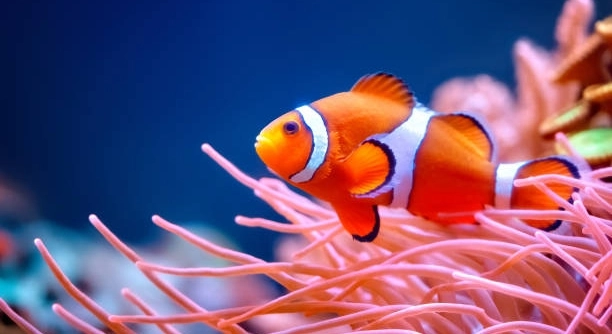
Are your clownfish always huddled in one small area of the tank, barely exploring the rest of their surroundings? This behavior might seem unusual, especially if you’re expecting them to swim freely and explore more.
Clownfish often remain in one spot due to their natural bonding with anemones or familiar objects, which they see as a safe zone. This behavior is driven by instinct, as it helps them avoid predators and feel protected.
Understanding why your clownfish act this way can help you create a more comfortable tank setup and support their natural behavior in captivity.
Common Reasons Clownfish Stay in One Spot
Clownfish often pick one area of the tank and stay there, especially if it feels safe. In the wild, they form close relationships with sea anemones and rarely leave their side. In a home aquarium, they may adopt a corner, a decoration, or even a powerhead as their home base. This behavior is completely natural. They feel secure in familiar spots and might not feel the need to swim around constantly. Stress, unfamiliar tank mates, or changes in water quality can also make them less active. It’s not always a sign of illness, but it’s good to watch for other symptoms like poor appetite or labored breathing. As long as your clownfish are eating, breathing normally, and showing some interest in their chosen area, they’re likely fine. Giving them consistent lighting, proper tank mates, and a stable environment will help them feel even more at ease.
Sometimes clownfish just prefer what they know. It’s part of their nature to stick close to their chosen spot and guard it.
To support this behavior, make sure the tank has enough hiding spaces and soft-flow areas where they can feel comfortable. Avoid sudden changes that might cause stress.
When to Be Concerned
If your clownfish are staying in one spot but also acting strange—like skipping meals, swimming sideways, or breathing heavily—it may be a sign of a problem. These behaviors can be linked to poor water quality or illness.
Start by testing the water parameters to ensure ammonia, nitrite, and nitrate levels are all within a safe range. Even small fluctuations can impact your fish’s health. Watch how other tank inhabitants are behaving, too. If multiple fish seem stressed, it’s likely a water issue or something wrong with the tank environment. If it’s just the clownfish, consider whether their spot is near a strong current or heat source. Too much flow or warmth in one area can lead them to hover in the only spot they feel safe. If nothing improves after correcting the environment, it’s a good idea to consult a vet who specializes in fish.
Creating a Comfortable Tank Setup
Clownfish need a space where they feel safe. Use soft lighting, avoid strong currents, and include places for them to hide. Rocks, fake corals, and gentle-flow zones can help them feel more secure in their chosen area.
Anemone-like decorations can encourage clownfish to explore while still feeling protected. If you don’t keep live anemones, consider soft coral alternatives or sponge-textured decor. Avoid placing these too close to filters or water outlets, as clownfish dislike strong flow. Keep your tank environment consistent. Sudden changes in temperature or lighting can make clownfish retreat even more. A regular light schedule and stable water conditions make them feel more relaxed. You don’t need to crowd the tank, but offering a few cozy spaces gives them options. Let your clownfish decide where they feel safest and avoid rearranging things too often once they’ve chosen a spot they like.
It also helps to keep tank mates peaceful. Avoid pairing clownfish with overly active or aggressive species that might chase or intimidate them. This causes unnecessary stress and can lead to long-term hiding. Stick with calm, compatible fish that won’t compete for space. A tank that feels calm overall allows clownfish to show more confidence. When their environment feels steady, they often become more curious and start exploring nearby spaces on their own over time.
Understanding Clownfish Behavior Patterns
Clownfish are territorial and will naturally stick close to what they consider “home.” They don’t swim large distances unless they need to. This can seem odd compared to other fish that dart around, but it’s completely normal for them.
Their behavior is rooted in survival. In the wild, clownfish stay close to anemones because it offers protection from predators. In a tank, they often bond with a corner or decoration the same way. Once they find a spot they like, they will defend it and rarely leave unless disturbed. You may also see one clownfish acting more dominant. In pairs, one usually becomes female and takes the lead, while the other is smaller and more passive. These roles are natural and don’t mean something is wrong. Watching how they interact with each other and their environment gives you a better idea of what’s normal for them. The key is consistency, calm surroundings, and letting them stick to their natural habits.
How Tank Size and Layout Affect Activity
A small tank can limit how much your clownfish want to move. If the space feels cramped, they may settle in one corner and stay there.
Overcrowding or poor layout can also block swimming paths. Keep the tank open enough for them to move around comfortably if they choose to.
Feeding Habits and Daily Routine
Clownfish often stay close to their favorite spot unless it’s feeding time. Keeping a consistent feeding schedule helps them feel secure. They learn when to expect food and may become more active around those times. Use slow-sinking pellets or frozen food that doesn’t scatter too much. Uneaten food falling near their chosen area reinforces their behavior and encourages them to stay nearby. Try offering food in different spots occasionally to encourage gentle movement. Don’t overfeed, as that can cause mess and stress. Keeping feeding times predictable, while gently encouraging exploration, can help balance their comfort and activity level in a healthy way.
Final Thoughts Before Adjusting Anything
Let clownfish settle into their habits. If they seem healthy, there’s often no need to interfere with their routine.
FAQ
Why do my clownfish stay in the corner of the tank?
Clownfish naturally choose a specific area to call home. In the wild, they stay near anemones for safety. In a tank, they often pick a corner, a rock, or even the filter as their safe zone. This isn’t unusual. It means they’ve found a spot where they feel secure. As long as they’re eating well, breathing normally, and not showing signs of stress or illness, this behavior is completely normal. You don’t need to worry unless they start acting lethargic or refuse food. Giving them a consistent routine helps them stay comfortable in their chosen spot.
Is it normal for clownfish not to swim around much?
Yes, clownfish are not very active swimmers. They tend to stay near their home base most of the time. This is a natural part of their behavior and doesn’t mean they’re unhappy. Some fish like to explore, but clownfish prefer to hover and gently swim around a familiar spot. If they feel safe and undisturbed, they’ll stay in that area for long periods. If you notice that they aren’t eating or show signs of labored breathing, that could be a sign of something wrong. But if their only unusual behavior is staying in one area, they’re probably fine.
Can clownfish live without an anemone?
Clownfish do not need an anemone to survive in a home aquarium. While they naturally pair with anemones in the wild, they can adapt well to a tank without one. They often pick substitutes like soft corals, sponges, rocks, or even plastic decor. These replacements give them the same sense of shelter. If you don’t want the responsibility of caring for an anemone—which can be more demanding—it’s completely okay. Clownfish will still thrive if they have stable water conditions, a peaceful environment, and a spot that feels safe. Many clownfish live long, healthy lives in tanks without any anemones.
Why does one clownfish swim more than the other?
In a pair, one clownfish usually becomes dominant. That’s the one that will become female. The dominant clownfish often swims more boldly and explores the tank. The smaller, more submissive clownfish tends to stay close and follow the lead. This isn’t a problem—it’s part of how clownfish form their social roles. Over time, the difference in activity may shift slightly, but it’s usually clear which fish is in charge. Unless one of them starts hiding, stops eating, or shows signs of illness, it’s not something to worry about. It’s just how clownfish behave in a bonded pair.
Is it okay to rearrange the tank to make them explore more?
It’s best not to rearrange the tank too often. Clownfish build a sense of safety around familiar surroundings. Moving things around can cause stress and confusion. If you want to make small changes, do it slowly and over time. For example, add one new item instead of shifting everything. You can also gently encourage activity by offering food in different areas. But avoid making big changes unless there’s a reason to, like cleaning or fixing a problem. A stable, familiar layout is usually better for clownfish and helps them stay calm and comfortable in the long run.
What tank mates are best for clownfish?
Peaceful and non-aggressive fish are the best companions for clownfish. Good examples include gobies, blennies, or firefish. Avoid pairing them with large, fast, or territorial fish, especially those known to bully or nip. Tank mates that constantly swim around or chase others can cause stress, which may make clownfish hide more. Choose species that won’t compete for space or food. It’s also helpful to introduce all tank mates slowly and watch how your clownfish react. If they continue to guard their area but still eat and act normal, they are adjusting well. Always prioritize calm interactions and tank harmony.
Final Thoughts
Clownfish are naturally drawn to one area in their tank, and this behavior is usually nothing to worry about. It’s how they stay safe and feel secure. In the wild, they rarely leave their anemones, and in a home aquarium, they behave in a similar way by choosing a favorite corner, rock, or decoration. Many new tank owners expect clownfish to swim around more, but their calm and steady nature means they’re not as active as other types of fish. What may look like strange behavior is actually very normal for them.
As long as your clownfish are eating well, breathing normally, and not showing signs of stress, it’s okay if they stay in one spot most of the time. Their comfort zone is part of how they manage their space and energy. Creating a tank that feels calm, balanced, and not too crowded can help them feel even more at ease. Try not to make sudden changes to their environment, and give them time to adjust. Most clownfish will become more active over time, especially if they feel safe and are surrounded by peaceful tank mates.
If you ever notice changes like a loss of appetite, strange swimming patterns, or heavy breathing, it’s worth checking your water quality or asking a professional for help. But if your clownfish simply prefer staying in one place, that’s just part of who they are. Keeping a stable routine, offering good hiding spots, and choosing calm fish to share their space can all make a big difference. Over time, your clownfish may explore more on their own, but even if they don’t, you can feel confident knowing their behavior is often tied to their natural instincts.

Hello,
If you enjoy the content that we create, please consider saying a "Thank You!" by leaving a tip.
Every little bit helps us continue crafting quality advice that supports the health, happiness, and well-being of pets around the world, for pets of all shapes, sizes, and species.
We really appreciate the kindness and support that you show us!