
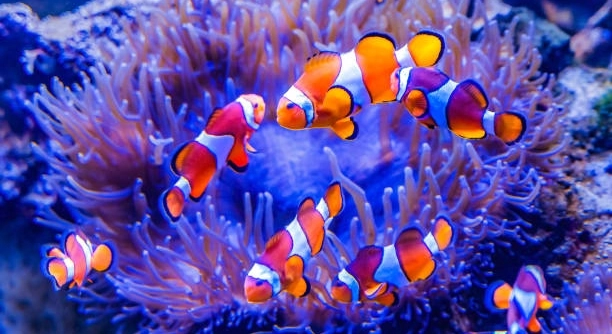
Are your clownfish suddenly hovering in the middle of the tank instead of swimming near the bottom or hiding among the rocks? This unusual behavior can be surprising to observe, especially if your clownfish have been calm and active before. Understanding why this happens is important for their care.
Clownfish hover mid-water primarily due to changes in water quality, stress, or illness. Poor oxygen levels, sudden temperature shifts, or the presence of parasites can cause this behavior. It often signals that the fish are uncomfortable and may need intervention.
Recognizing the reasons behind this behavior helps maintain a healthy environment for your clownfish and ensures their well-being in your aquarium.
Common Reasons for Clownfish Hovering Mid-Water
Clownfish usually stay close to their anemones or the tank bottom. When they hover mid-water, it often means something in their environment has changed. One common reason is low oxygen levels. If the tank isn’t properly aerated, the fish may swim higher to find more oxygen. Another reason is water temperature fluctuations. Sudden changes can stress clownfish and cause unusual swimming patterns. Poor water quality, like high ammonia or nitrite levels, also affects their behavior. Stress from aggressive tank mates or overcrowding can make clownfish uneasy. Sometimes, illness or parasites cause discomfort, prompting the fish to stay mid-water. It’s important to regularly test water and maintain a stable environment to keep clownfish comfortable. Watching for other signs, like changes in color or appetite, helps detect problems early. These factors combined often explain why your clownfish might be hovering instead of resting.
Water quality and tank conditions directly influence clownfish behavior, making regular checks essential.
Monitoring these factors ensures your clownfish stay healthy and active in their habitat.
How to Improve Your Aquarium Environment
Improving the tank environment starts with regular water testing to check oxygen, ammonia, nitrites, and nitrates. Keeping the water clean and properly filtered helps maintain balance. Adding an air stone or increasing surface agitation can boost oxygen levels. Temperature should be stable, ideally between 74 and 79°F (23–26°C). Avoid placing the tank near heat sources or drafts. If aggressive fish stress your clownfish, consider rearranging the tank or separating species. Regular partial water changes reduce toxins and improve overall conditions. Feeding a balanced diet supports fish health, too. If illness is suspected, isolate the affected fish and consult treatment options quickly. These steps create a safer and more comfortable environment, helping your clownfish return to normal behavior. Maintaining consistent care makes a noticeable difference in their activity and well-being over time.
Recognizing Signs of Stress in Clownfish
Stress in clownfish can show through unusual swimming, loss of appetite, or faded colors. Hovering mid-water is often a clear sign. They may also hide more or act aggressively toward tank mates. Early recognition helps prevent serious health problems.
Stress weakens clownfish immune systems, making them vulnerable to diseases. Causes include poor water quality, sudden environmental changes, or overcrowded tanks. Watching their behavior daily is key. If they stop eating or develop spots, it indicates illness. Correcting water conditions and reducing stressors can improve their health. Stress signs vary but always point to discomfort that needs addressing.
Providing hiding spots, stable water parameters, and gentle tank mates reduces stress. Feeding high-quality food also supports their immune system. Avoid sudden changes during cleaning or feeding routines to keep them calm. These steps help maintain a peaceful tank where clownfish feel safe and thrive.
Treating Common Illnesses That Cause Hovering
Parasites and bacterial infections often cause clownfish to hover unusually. Treatments depend on identifying the specific problem quickly. Using a quarantine tank helps isolate affected fish and prevent spread. Medication may be necessary but must match the illness.
Quarantine tanks should have similar water conditions as the main tank to avoid additional stress. Common treatments include antiparasitic dips or antibiotics for bacterial infections. It is important to follow dosing instructions carefully and complete the full course. Observing changes during treatment can guide adjustments or further care. Early action improves chances of full recovery.
Supporting a healthy immune system through good nutrition and clean water reduces illness risk. Avoid overcrowding to minimize stress-related diseases. Regular tank maintenance and monitoring help catch problems before they escalate, keeping clownfish active and comfortable in their environment.
Importance of Proper Tank Maintenance
Regular tank maintenance is essential to keep clownfish healthy. Cleaning the tank, changing water, and monitoring water parameters prevent problems that cause stress and unusual behavior like hovering. A clean environment supports their well-being.
Ignoring maintenance allows toxins to build up, which harms clownfish. Consistent care creates a stable habitat where fish feel secure and thrive.
Feeding Tips for Healthy Clownfish
A balanced diet helps clownfish stay strong and resist illness. Offer a variety of foods, including pellets, flakes, and frozen options like brine shrimp or mysis shrimp. Avoid overfeeding to prevent water quality issues.
Avoiding Overcrowding in Your Aquarium
Too many fish in one tank increases stress and competition. Overcrowding can lead to aggression and poor water conditions, causing clownfish to behave oddly or become sick.
Monitoring Water Parameters
Consistent checks of temperature, pH, ammonia, nitrite, and nitrate levels are critical. Stable water conditions reduce stress and support clownfish health.
FAQ
Why are my clownfish hovering mid-water but not eating?
When clownfish hover mid-water and refuse to eat, it often indicates stress or illness. Poor water quality, parasites, or sudden changes in their environment can cause this behavior. It’s important to test water parameters and observe other signs such as discoloration or rapid breathing. Improving water conditions and isolating the fish for treatment may be necessary to help them recover.
Can low oxygen levels cause clownfish to hover?
Yes, low oxygen is a common reason clownfish hover mid-water. Fish often swim near the surface or mid-water where oxygen is higher. Lack of adequate aeration or poor water circulation can reduce oxygen levels. Using an air stone or improving water flow can resolve this issue and encourage normal swimming behavior.
Is hovering mid-water a sign of disease in clownfish?
Hovering mid-water can be a symptom of several illnesses, including parasitic infections or bacterial diseases. It often accompanies other symptoms such as lethargy, clamped fins, or spots on the body. Prompt identification and treatment of the illness increase the chances of recovery.
How often should I test my aquarium water?
Testing water weekly is ideal for maintaining healthy conditions. Frequent checks help catch harmful changes before they affect your clownfish. Focus on ammonia, nitrite, nitrate, pH, and temperature. Keeping these parameters stable is crucial for preventing stress and disease.
What water temperature is best for clownfish?
Clownfish thrive in temperatures between 74°F and 79°F (23°C to 26°C). Temperature outside this range can cause stress and alter their behavior, including hovering. Use a reliable heater and thermometer to maintain consistent temperature.
Can aggressive tank mates cause my clownfish to hover?
Yes, aggressive or overly active fish can stress clownfish, causing them to hover mid-water or hide more often. Ensuring compatible species and providing plenty of hiding spots helps reduce stress and supports natural behavior.
Should I quarantine sick clownfish?
Quarantining sick clownfish is highly recommended. It prevents the spread of disease and reduces stress on other fish. A quarantine tank with similar water conditions allows for targeted treatment and careful monitoring during recovery.
How can I prevent my clownfish from hovering due to stress?
Maintain stable water parameters, avoid overcrowding, and provide a calm environment with hiding spots. Regular feeding with quality food and minimal sudden changes to the tank setup also help reduce stress.
Does diet affect clownfish behavior?
Yes, poor nutrition can weaken clownfish and lead to unusual behaviors, including hovering. Feeding a balanced diet with varied food types supports their immune system and overall health.
What should I do if my clownfish keep hovering after improving tank conditions?
If clownfish continue hovering despite stable water quality and good care, consider illness as the cause. Consulting an aquatic specialist or vet can help diagnose and treat any hidden health issues.
Are there natural behaviors that look like hovering but are normal?
Sometimes clownfish hover briefly when exploring or interacting with other fish. However, consistent mid-water hovering combined with other signs usually points to a problem needing attention.
Can water changes stress clownfish and cause hovering?
Sudden or large water changes can temporarily stress clownfish, causing them to hover. Performing gradual water changes with similar temperature and chemistry reduces stress and supports stable behavior.
Final Thoughts
Clownfish hovering mid-water is often a sign that something in their environment needs attention. This behavior usually points to stress, poor water quality, or possible illness. Maintaining stable water conditions is essential to help your clownfish feel secure and behave naturally. Regular testing of water parameters such as temperature, pH, ammonia, nitrites, and nitrates plays a key role in preventing problems. Small changes can affect fish health, so keeping everything consistent is important.
Taking care of clownfish also means observing their behavior closely. Signs like loss of appetite, unusual swimming patterns, or changes in color may indicate stress or disease. Acting quickly by adjusting the environment or providing treatment improves their chances of recovery. Feeding a balanced diet and avoiding overcrowding reduce stress and strengthen their immune system. Creating a peaceful tank with proper hiding spots supports their comfort and well-being.
Patience and careful attention are necessary when dealing with clownfish behavior issues. Changes do not always resolve immediately, but consistent care brings positive results over time. Keeping your aquarium clean, stable, and safe will help your clownfish thrive and display natural, healthy behaviors. Understanding the reasons behind hovering mid-water can guide you in providing the best care possible for your fish.

Hello,
If you enjoy the content that we create, please consider saying a "Thank You!" by leaving a tip.
Every little bit helps us continue crafting quality advice that supports the health, happiness, and well-being of pets around the world, for pets of all shapes, sizes, and species.
We really appreciate the kindness and support that you show us!