
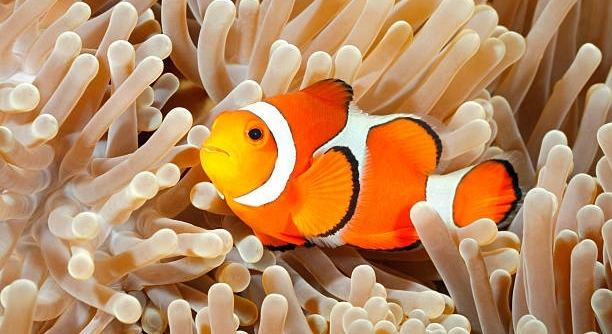
Are your clownfish spending more time than usual near the surface of the tank? This behavior can be concerning for any fish owner who wants their aquatic pets to stay healthy and comfortable. Observing their movement closely helps in identifying potential issues.
Clownfish hovering at the surface often indicate problems such as low oxygen levels, poor water quality, or stress due to environmental changes. These conditions affect their breathing and overall well-being, making it important to address the underlying causes promptly and effectively.
Understanding the reasons behind this behavior will help you maintain a healthier environment for your clownfish and prevent further complications in your aquarium.
Common Reasons Clownfish Hover at the Surface
Clownfish often hover at the surface when the oxygen levels in the water are low. This usually happens if the tank lacks proper aeration or if the water temperature is too high. Warmer water holds less oxygen, making it harder for fish to breathe comfortably. Another reason could be poor water quality caused by waste buildup or infrequent water changes. Ammonia and nitrite levels rising can stress clownfish, causing unusual behavior like staying near the surface. Stress from sudden changes in the environment, such as adding new fish or rearranging decorations, may also make clownfish feel unsafe and cause them to stay at the top. Monitoring water parameters regularly and ensuring good filtration can help prevent these issues.
Low oxygen and poor water quality are the main factors driving clownfish to stay near the surface.
Keeping the tank clean, maintaining proper aeration, and stable water temperature will improve your clownfish’s comfort. Using an air pump or adjusting the filter flow can increase oxygen levels. Regular water testing ensures that harmful chemicals do not build up. Changes to the tank environment should be gradual to avoid stressing the fish. When these steps are followed, clownfish usually return to normal swimming behavior, making your aquarium a healthier place for them.
How to Improve Oxygen Levels in Your Aquarium
Oxygen is essential for clownfish health, so ensuring adequate levels in your tank is important.
Using an air pump or adding airstones can increase oxygen circulation. These devices create bubbles that help oxygen dissolve into the water, making it easier for fish to breathe. Another way is to increase water movement by adjusting your filter’s outflow or adding a powerhead. Surface agitation allows gas exchange, replenishing oxygen and removing carbon dioxide. Plants also help oxygenate water during the day through photosynthesis. However, be careful not to overcrowd the tank with plants, as too many can cause oxygen levels to drop at night. Keeping water temperature stable and avoiding overheating will also help maintain oxygen balance. Regular water changes remove waste that consumes oxygen. Together, these steps create an environment where clownfish can thrive without stress from low oxygen.
Consistent oxygen levels ensure your clownfish remain active and healthy, reducing the risk of surface hovering.
Signs of Poor Water Quality
Clownfish are sensitive to ammonia, nitrites, and nitrates in the tank. These chemicals build up when waste is not properly managed. Poor water quality can cause them to hover at the surface, gasp for air, or become lethargic. Testing water regularly is essential to prevent this.
Maintaining clean water is key to clownfish health. Ammonia and nitrites are toxic even at low levels and usually come from uneaten food or fish waste. Nitrates are less harmful but can stress fish over time. Frequent partial water changes help keep these chemicals under control. Using a reliable water test kit helps monitor these levels closely. If water quality is poor, immediate action is necessary to protect the fish from illness.
Filtration systems play a vital role in managing water quality. Mechanical filters remove solid waste, while biological filters break down harmful chemicals. Keeping filters clean and properly maintained supports a stable environment. Avoid overcrowding the tank, as this can increase waste production beyond what the system can handle. When water quality is managed well, clownfish are less likely to stay near the surface or show signs of stress.
Stress and Environmental Changes
Stress from sudden changes can cause clownfish to behave oddly, including hovering at the surface. New tank mates, shifting decorations, or changes in lighting can unsettle them. Stability in their environment is important for comfort.
Clownfish rely on consistent surroundings. Sudden changes disrupt their sense of security and can trigger stress responses. Introducing new fish without proper acclimation raises aggression and anxiety. Rearranging tank decorations alters hiding spots, making clownfish feel exposed. Changes in water parameters like pH, temperature, or salinity, even if small, add to their stress. Minimizing disturbances and making gradual adjustments helps clownfish feel safe and reduces surface-hovering behavior. Creating stable routines for feeding and maintenance further supports their well-being.
Overfeeding and Its Effects
Overfeeding can pollute the water quickly. Uneaten food decomposes, increasing harmful chemicals that stress clownfish.
This stress often leads to abnormal behaviors, like hovering at the surface. Feeding small amounts and removing excess food helps keep water clean and fish healthy.
Importance of Proper Tank Size
A tank that is too small limits oxygen and space for clownfish. This confinement stresses them, causing unusual behavior such as surface hovering.
Providing enough space supports their natural movement and helps maintain good water conditions, reducing stress and promoting health.
Temperature and Clownfish Behavior
Water temperature affects clownfish metabolism and oxygen levels. Too warm water lowers oxygen and increases stress, making them hover near the surface.
Maintaining stable, appropriate temperatures is crucial to avoid these problems and keep clownfish comfortable and active.
FAQ
Why are my clownfish hovering at the surface of the tank?
Clownfish often hover near the surface due to low oxygen levels, poor water quality, or stress. When oxygen is limited, they stay near the top to breathe easier. Waste buildup and high ammonia or nitrite levels can also cause discomfort. Environmental stressors, like sudden changes or overcrowding, add to the problem.
How can I improve oxygen levels in my aquarium?
Adding an air pump or airstones increases oxygen by creating bubbles that dissolve oxygen into the water. Adjusting your filter’s flow or adding a powerhead improves water movement and surface agitation, which helps gas exchange. Keeping the water temperature stable and not too warm also supports oxygen levels.
What water parameters should I monitor for clownfish health?
Keep a close eye on ammonia, nitrites, and nitrates. Ammonia and nitrites should always be at zero, while nitrates should be under 20 ppm. pH should stay between 7.8 and 8.4, and temperature ideally between 74°F and 79°F (23°C-26°C). Regular testing helps catch issues early.
Can overfeeding cause clownfish to hover at the surface?
Yes. Overfeeding leaves uneaten food that decomposes and releases harmful chemicals like ammonia. This worsens water quality and stresses clownfish, making them stay near the surface to cope with low oxygen or discomfort.
How often should I do water changes?
Perform a 10-20% water change weekly or biweekly, depending on tank size and stocking levels. Regular water changes remove waste and keep harmful chemicals low, improving oxygen levels and overall water quality.
Does tank size affect clownfish behavior?
Tank size plays an important role. A small tank limits oxygen availability and space to swim, causing stress. Clownfish in cramped tanks are more likely to hover near the surface. A minimum of 20 gallons is recommended for a pair of clownfish.
What should I do if I notice my clownfish gasping at the surface?
Gasping indicates serious oxygen deficiency or poor water quality. Check oxygen levels and water parameters immediately. Increase aeration and perform a partial water change to improve conditions. If gasping continues, further investigation and treatment may be needed.
Can stress from new tank mates cause surface hovering?
Yes. Aggressive or unfamiliar fish can stress clownfish, causing them to stay near the surface for safety. Introducing new fish slowly and providing hiding places reduces stress and helps clownfish adjust.
Is temperature fluctuation harmful to clownfish?
Fluctuations in temperature cause stress and reduce oxygen solubility in water. This can lead to clownfish hovering at the surface. Maintaining a stable temperature within their ideal range prevents these problems.
Are there signs besides hovering that indicate clownfish stress?
Other signs include lethargy, loss of appetite, hiding excessively, and changes in color. Observing these alongside surface hovering helps identify if your fish are stressed or unhealthy.
How do plants affect oxygen levels in the aquarium?
Live plants produce oxygen during the day but consume it at night. While plants generally help oxygenate water, too many can lower oxygen overnight, potentially stressing clownfish. Balance plant quantity carefully.
Can water filtration issues cause clownfish to hover at the surface?
Poor or clogged filters reduce water flow and oxygen exchange. This can cause low oxygen and poor water quality, prompting clownfish to stay near the surface. Regular filter maintenance is essential to avoid this.
What are the best ways to reduce stress for clownfish?
Keep the tank stable by avoiding sudden changes in water parameters or decorations. Introduce new fish gradually, provide hiding spots, and maintain a calm environment. Regular feeding and consistent routines also help reduce stress.
When should I seek professional help for my clownfish?
If poor water quality and oxygenation are ruled out but your clownfish still hover at the surface or show signs of illness, it’s time to consult a vet or aquarium specialist. Persistent abnormal behavior may signal disease or other health problems.
Can lighting affect clownfish behavior?
Sudden or harsh lighting can stress clownfish, causing them to act unusually, including surface hovering. Use a consistent lighting schedule and avoid intense or flashing lights to keep them comfortable.
How long does it take for clownfish to recover from stress?
Recovery time varies but generally takes a few days to a couple of weeks with proper care. Improving water quality, oxygen levels, and minimizing stressors helps them return to normal behavior faster.
When clownfish hover at the surface of their tank, it usually signals that something in their environment needs attention. This behavior is often related to oxygen levels, water quality, or stress. Paying close attention to these factors helps ensure the fish remain healthy and active. Maintaining a balanced aquarium means regularly checking water parameters, providing proper aeration, and avoiding sudden changes that might unsettle your clownfish. Taking these steps creates a stable environment where your fish can thrive.
Water quality is one of the most important things to watch. Ammonia, nitrites, and nitrates can build up quickly if the tank is not cleaned or filtered properly. These chemicals can cause discomfort and even harm your clownfish if left unchecked. Regular partial water changes and proper filtration are effective ways to keep the water safe. Overfeeding should be avoided because uneaten food decays and contributes to poor water conditions. A clean, well-maintained tank will support healthier fish and reduce behaviors like hovering at the surface.
Stress can also cause clownfish to behave differently. Changes such as introducing new fish, rearranging decorations, or fluctuating temperatures may disturb them. Clownfish feel safest when their environment is consistent and calm. Offering hiding spots and keeping a stable routine helps lower their stress levels. If your clownfish continue to hover at the surface despite good water quality and oxygen levels, it might be worth consulting a specialist to check for health issues. Keeping these considerations in mind ensures a happier and healthier life for your clownfish.

Hello,
If you enjoy the content that we create, please consider saying a "Thank You!" by leaving a tip.
Every little bit helps us continue crafting quality advice that supports the health, happiness, and well-being of pets around the world, for pets of all shapes, sizes, and species.
We really appreciate the kindness and support that you show us!