
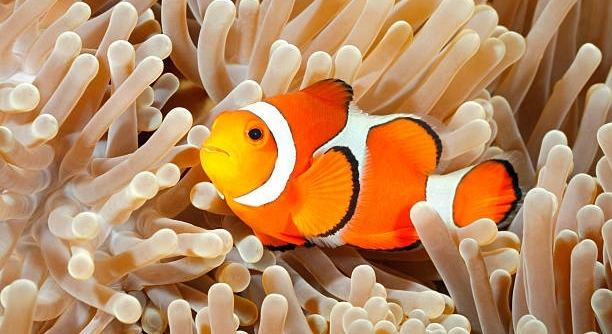
Are your clownfish acting up after the lights go out, leaving you confused and concerned about their sudden nighttime behavior?
Clownfish fighting at night is usually caused by territorial disputes, changes in tank conditions, or stress from overcrowding. These aggressive interactions often stem from establishing dominance, especially in smaller tanks or when new fish are introduced.
Understanding their behavior can help you adjust their environment and improve nighttime harmony in your tank.
Common Reasons Clownfish Fight at Night
Nighttime aggression between clownfish is often linked to territory. When the tank lights go off, their natural instincts become stronger, especially in small or crowded tanks. Without clear territory, clownfish may feel threatened or unsettled, leading to sudden bursts of aggression. This is even more common in tanks with limited hiding spaces or when tankmates are introduced. Pair dynamics also matter—if you have two clownfish, one will usually try to become dominant. This process can take time and often leads to aggressive displays, especially at night when they’re more alert to each other’s movements. Stress from changes like lighting shifts, water conditions, or rearranged décor may also contribute. A peaceful tank during the day doesn’t always mean nighttime will be calm. Ensuring a stable and roomy environment can reduce the risk of aggression and support a more relaxed nighttime behavior for your clownfish.
Lack of shelter or poorly managed tank conditions can cause fish to become territorial and react aggressively, especially when it’s dark.
Give your clownfish enough space, use stable lighting routines, and limit tank changes before bed. These small adjustments can make a big difference. Offering extra hiding places or reef-like structures may also ease the tension and help with nighttime peace.
When to Step In and How to Help
Watch their behavior for signs of stress, injury, or constant aggression. Occasional snapping is normal, but regular fighting isn’t.
If the fighting continues every night, it may be time to reassess your tank setup. First, check for overcrowding. Clownfish need space to feel secure. A small tank forces them into tight quarters and increases the chances of conflict. If you’re keeping a pair, make sure they’re compatible. Sometimes two females or two immature males will constantly challenge each other. Replacing one fish or allowing time for one to change into a female (in a male pair) might help. Use dim lighting instead of turning lights off suddenly to ease the shift into night. This gentler transition can calm their activity level and lower tension. Always monitor water quality and temperature closely—poor conditions can make fish more irritable. Finally, don’t overfeed or feed right before lights out. It’s best to give them time to settle naturally without extra stimulation before sleeping.
How Tank Conditions Influence Behavior
Tank conditions can affect how clownfish behave, especially at night. Poor lighting, sudden changes in water temperature, or shifts in pH can trigger stress and lead to defensive behavior or aggression during resting hours.
Stable tank conditions help clownfish feel secure. Keep the water temperature between 75–82°F, and avoid sudden drops. Monitor pH levels regularly, aiming for a range of 8.0–8.4. If these fluctuate often, your fish may become anxious. Also, keep ammonia and nitrate levels low to prevent discomfort. Lighting plays a big role—use a timer for consistent day-night cycles and consider using a dim light setting before complete darkness. This reduces the shock of sudden changes and can ease aggressive reactions. Avoid placing the tank in areas with loud noise or sudden movement, which can also add stress. A calm environment encourages more predictable and relaxed nighttime behavior.
Providing plenty of hiding places and visual barriers in the tank helps reduce aggression. Rocks, caves, and anemone-like structures offer clownfish spots to retreat and feel safe. When fish have secure areas to claim, they are less likely to fight over space. Rearranging tank décor occasionally may also reduce territorial habits and break up patterns of aggression. Make sure every fish has access to shelter and a safe zone. This balance in space can prevent many conflicts, especially after dark when visibility and security matter most. Always check your filter and circulation systems, as strong currents or malfunctioning equipment can affect fish comfort and movement, especially during rest hours. Keeping things predictable is the best way to reduce stress-related behavior.
Signs Your Clownfish Are Too Stressed
Look for torn fins, rapid breathing, or constant pacing. These signs often mean your clownfish are overwhelmed or not feeling safe in their environment.
Loss of appetite and hiding for long periods can also point to stress. If fighting continues nightly, it’s time to reassess their setup and space.
Managing Pair Dynamics the Right Way
Clownfish establish hierarchy, and this process can look aggressive. Usually, one fish becomes dominant and eventually turns female. If you have two juveniles, expect some fighting until one takes charge. But if you accidentally pair two females, fighting may not stop. In that case, separating them might be the only option. Compatibility is key. Always introduce clownfish to the tank at the same time, or add a smaller one later if pairing with an established fish. Avoid adding a second dominant fish to a tank that’s already balanced. Watch closely during the first few nights after introduction.
When Separation Is Necessary
If aggression leads to visible injuries or constant stress, it’s best to separate the fish into different tanks or use a divider.
FAQ
Why do clownfish fight more at night than during the day?
Clownfish rely on their senses to feel safe and secure. At night, their vision is limited, which can heighten their awareness of movement or changes in the tank. This sometimes makes them more defensive or territorial. The dark may also trigger instinctive behaviors linked to protecting their space, which shows up as fighting. Daylight provides better visibility and more distractions, so they are less focused on each other. If the tank is crowded or lacks hiding spots, these tensions tend to increase at night when the fish feel more vulnerable.
How can I reduce nighttime fighting in my clownfish?
Improving tank conditions is the best approach. Make sure there is enough space and shelter for each fish to feel secure. Adding rocks, caves, or artificial anemones can create separate territories. A steady lighting schedule with a gradual dimming period before lights out can help your clownfish adjust smoothly. Avoid sudden changes to water temperature, chemistry, or tank layout. Also, don’t overfeed before bedtime, as leftover food can increase stress or competition. Lastly, avoid overcrowding and keep compatible pairs or groups.
Is it normal for clownfish to be aggressive with each other?
Yes, some level of aggression is normal, especially among males competing to become dominant or when establishing territory. Clownfish naturally form hierarchies, and this can involve chasing, biting, or chasing behavior. However, constant or violent fighting is a sign that something is wrong in the tank environment or that the fish may not be compatible. Monitoring their interactions closely can help you intervene early to prevent injuries or long-term stress.
Can clownfish change sex, and does that affect fighting?
Clownfish are protandrous hermaphrodites, which means they start life as males and can change to females if needed. Usually, the dominant fish becomes female while the other stays male. This process can increase aggression as fish compete to establish rank. When a female dies or is removed, the dominant male changes sex to take her place, and the hierarchy resets. This natural behavior can cause temporary fighting but usually settles once roles are established.
Should I separate clownfish if they fight?
Separation is recommended if fighting leads to injury or constant stress. Use a tank divider or move one fish to another tank temporarily to give them space. Sometimes just breaking visual contact helps reduce tension. Long-term separation may be necessary if aggression does not improve after adjusting tank conditions or if the pair is incompatible. Always prioritize fish health and well-being to avoid injuries.
Does tank size affect clownfish aggression?
Yes, smaller tanks increase the likelihood of aggression because fish have limited space to establish territories. In cramped conditions, clownfish feel trapped and compete more fiercely for hiding spots or resources. Larger tanks with plenty of décor, caves, and visual barriers allow fish to spread out and reduce confrontations. For pairs, a minimum of 20 gallons is recommended, but bigger is better to maintain peaceful behavior.
Can tank mates cause clownfish to fight more?
Some tank mates can increase stress and aggression in clownfish, especially if they are territorial, aggressive, or very active. Fish that invade clownfish territory or compete for food may trigger defensive behavior. Peaceful community fish or compatible species reduce stress. Avoid pairing clownfish with large or aggressive species that could intimidate or provoke them. Observing interactions when introducing new fish is important to prevent nighttime fights.
How important is water quality in managing clownfish aggression?
Water quality directly affects fish health and stress levels. Poor water conditions, like high ammonia, nitrate, or fluctuating pH, weaken clownfish and make them more prone to aggression. Keeping water parameters stable and within recommended ranges helps maintain calm behavior. Regular water changes, filtration, and testing are key. A well-maintained environment supports natural behavior and reduces irritability.
What role does diet play in clownfish aggression?
Proper feeding supports overall health and reduces competition. Overfeeding can cause leftover food buildup, leading to poor water quality and increased stress. Underfeeding may trigger competition and aggressive behavior during meal times. Feed small, balanced portions multiple times a day to keep clownfish satisfied. Avoid feeding right before lights out, as excitement over food can increase activity and fighting.
Can lighting schedules affect clownfish behavior?
Lighting has a strong influence on fish activity and stress. Sudden changes between bright light and darkness can startle clownfish and cause defensive reactions. Using a timer for consistent light cycles helps them adjust naturally. Gradually dimming the lights before night allows a smooth transition and reduces tension. Avoid placing the tank where external lights or noises disrupt the cycle. A steady routine promotes calmer, predictable behavior.
When clownfish fight at night, it can be concerning, but this behavior is often natural and linked to their instincts. Clownfish are territorial by nature, and nighttime can heighten their awareness of their surroundings, leading to more frequent displays of aggression. Understanding that some level of fighting is normal helps you remain calm and focused on providing the right environment for them. The key is to observe carefully and identify if the behavior is occasional or constant, as this will guide your response. Natural behaviors don’t always mean something is wrong, but ongoing conflict can signal stress or imbalance in the tank.
Maintaining stable and appropriate tank conditions is essential for minimizing nighttime fights. Clownfish need enough space, hiding places, and consistent water quality to feel secure. Sudden changes in lighting, temperature, or tank décor often increase stress and provoke fighting. A gradual dimming of lights before nightfall helps your fish adjust comfortably. Offering plenty of shelters like rocks, caves, or artificial anemones provides safe zones where they can retreat and reduce tension. Keeping the tank clean and well-maintained supports healthy behavior and reduces irritability. Being mindful of these factors creates a calm environment that benefits your clownfish both day and night.
Finally, it is important to understand that sometimes clownfish pairs or groups may not be compatible. If fighting becomes harmful or nonstop, separating the fish might be necessary to protect their health. Watching their behavior closely and making adjustments early can prevent injuries and reduce stress. Clownfish behavior can improve with small changes, but patience is important as dominance and hierarchy develop naturally over time. By providing a stable environment and monitoring their interactions, you support your clownfish’s well-being and encourage peaceful nights in your tank.

Hello,
If you enjoy the content that we create, please consider saying a "Thank You!" by leaving a tip.
Every little bit helps us continue crafting quality advice that supports the health, happiness, and well-being of pets around the world, for pets of all shapes, sizes, and species.
We really appreciate the kindness and support that you show us!