
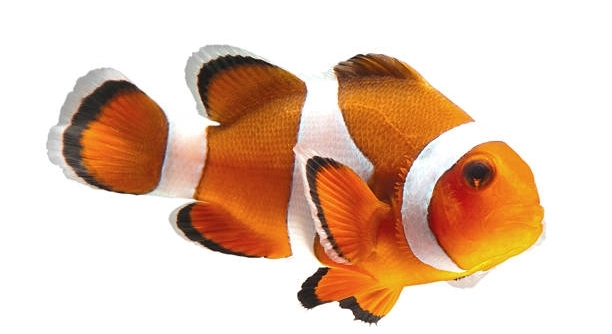
Clownfish are popular pets in home aquariums, loved for their bright colors and playful behavior. Many owners notice their clownfish digging in the sand, which can seem unusual or concerning at first. This activity is actually a common part of their natural behavior.
Clownfish dig in the sand mainly to create a safe and comfortable nesting area. This digging also helps them search for food particles and establish territory. Their behavior is instinctive and important for their well-being in captivity.
Learning more about why clownfish dig in the sand can help you better understand their needs and keep your aquarium healthy and happy. This article will explain the reasons behind this behavior and what it means for your fish.
Why Clownfish Dig in the Sand
Clownfish often dig in the sand to build a nest or find food. This behavior is natural and helps them feel secure. In the wild, clownfish live in coral reefs where they create small burrows or clear spaces in the sand to lay their eggs. When kept in aquariums, they show similar instincts by digging to prepare a spot that feels safe. Sometimes, they dig to search for tiny bits of food that might be hidden beneath the surface. This digging can also help them mark their territory by moving around the sand and rearranging it. Watching your clownfish dig can be interesting because it shows how they interact with their environment. It is important to provide a soft sandy substrate for them, as harder surfaces may cause stress or discomfort. Understanding this natural behavior can help you create a better habitat for your clownfish to thrive.
This digging is not a sign of stress but a natural way for clownfish to feel comfortable in their tank environment.
If you notice your clownfish spending a lot of time digging, make sure the sand layer is deep enough and clean. A sandy substrate of at least one to two inches is ideal, allowing them to dig comfortably. Also, avoid using sharp or coarse materials that could hurt their fins or bodies. Providing hiding places like small caves or anemones can make them feel even safer. Keeping the water clean and stable helps reduce any stress that might cause excessive digging. Overall, the digging is a sign your clownfish are behaving normally and feeling secure in their tank. Observing these behaviors closely gives you clues on how to maintain a healthy and happy aquarium.
How to Manage Digging Behavior in Your Aquarium
Managing your clownfish’s digging is simple and mostly about tank setup.
Ensuring the tank has plenty of soft sand and hiding spots will reduce excessive digging. Also, regular tank cleaning keeps the environment healthy. Adding a layer of fine sand lets the fish dig naturally without harm. Sometimes, clownfish dig more when stressed or bored, so providing enrichment is helpful. You can place decorations or live plants to stimulate their curiosity. If digging becomes destructive or too frequent, check water parameters and diet. Feeding high-quality food and maintaining good water quality will support their health. By paying attention to these details, you create a safe space that meets their natural behaviors. This makes both you and your clownfish more content with their shared home.
Signs Your Clownfish Is Comfortable
Clownfish digging calmly and regularly usually means they feel safe. They won’t dig aggressively or frantically if they are stressed or unhappy.
When clownfish dig gently, it shows they are exploring and settling into their environment. They might clear a spot to rest or prepare a place for eggs. Calm digging is steady and not destructive. It often happens near hiding spots or decorations they favor. Watching these signs helps you know your fish’s mood. If they are active and interact with other tank mates, it’s a good sign. This behavior means they trust their surroundings and have no urgent threats.
On the other hand, frantic or constant digging could suggest something is wrong. It might be caused by poor water quality, lack of hiding places, or an improper diet. If your clownfish looks stressed while digging, it’s time to check the tank conditions. Regular monitoring keeps your fish comfortable and reduces unwanted digging.
What to Do If Digging Becomes Excessive
Excessive digging may indicate that your clownfish is uncomfortable or stressed. Check the water parameters first, as poor water quality is a common cause. Test for ammonia, nitrites, nitrates, and pH levels to ensure they are within safe ranges. If water quality is fine, look at the tank setup. Too little sand or lack of hiding spots can increase digging. Adding more sand or decorations can help. Also, consider your fish’s diet. A balanced diet with proper nutrition reduces stress and unwanted behavior. Changing feeding habits or offering variety can make a difference. Sometimes, excessive digging happens when clownfish are trying to defend territory or compete with tank mates. Observing their interactions can help you identify if this is the case. Adjusting tank size or rearranging decorations may reduce conflicts and calm the digging.
Best Substrate for Clownfish
Fine sand is the best substrate for clownfish to dig in safely. It allows them to dig without hurting themselves and mimics their natural environment well.
Avoid using sharp gravel or large rocks because these can damage their fins or cause stress. Soft, clean sand is easier for them to move around and feel comfortable.
Feeding Habits and Digging
Clownfish sometimes dig while searching for food hidden in the sand. Providing small, frequent meals helps reduce this behavior. Feeding sinking pellets or frozen foods ensures they get enough nutrition without needing to dig excessively.
A balanced diet rich in protein supports their health and natural behavior. Avoid overfeeding, which can lead to waste buildup and poor water quality, increasing digging due to stress.
Tank Size and Digging Behavior
A properly sized tank gives clownfish enough space to explore and reduces stress. Crowded or small tanks can increase digging as a reaction to discomfort or competition. A tank of at least 20 gallons is recommended for a pair of clownfish to thrive.
Impact of Tank Mates
Tank mates influence digging behavior. Aggressive or overly active fish can cause clownfish to dig more due to stress or defense. Choosing peaceful companions helps keep the environment calm and reduces excessive digging.
FAQ
Why do clownfish dig more at certain times?
Clownfish may dig more during breeding seasons or when they feel the need to prepare a nesting site. This is a natural behavior linked to reproduction and territory. They also dig more after tank cleanings or changes because they are exploring or adjusting to new conditions. Sometimes, digging increases when food is scarce or hidden in the substrate. Monitoring their behavior alongside tank conditions helps understand these digging spikes better.
Is digging harmful to clownfish?
No, digging is generally not harmful and is a natural behavior. However, if the substrate is rough or sharp, it could injure their fins or bodies. Providing soft sand prevents harm. Excessive digging caused by stress or poor conditions can affect their health, so it’s important to maintain a proper tank environment.
Can digging cause problems in my aquarium?
Digging can stir up sand and create cloudy water temporarily, but this usually clears quickly. If digging is excessive, it might disrupt plants or decorations. Over time, constant digging could loosen substrate or uncover live rock, so it’s important to watch for signs of damage and adjust the tank setup as needed.
Should I be worried if my clownfish digs a lot?
Frequent digging isn’t always a concern, but it can signal stress, boredom, or poor tank conditions. Check water quality, tank size, and tank mates if digging seems excessive or frantic. Ensuring a proper diet and environment helps reduce digging related to discomfort.
How can I reduce digging behavior?
To reduce digging, maintain clean water and provide plenty of soft sand. Add hiding places and decorations to give your clownfish secure spots. Feeding high-quality food regularly helps prevent digging caused by hunger. Also, avoid overcrowding the tank to lower stress levels.
Can digging be a sign of illness?
Digging alone is usually not a sign of illness. But if your clownfish shows other symptoms like lethargy, loss of appetite, or discoloration along with digging, it may need veterinary attention. Stress from poor tank conditions can weaken their immune system, so keep the environment stable.
Do all clownfish dig in the sand?
Most clownfish will dig to some degree because it’s a natural behavior. The intensity varies by individual and species. Some may dig gently, while others are more active. Providing the right environment encourages normal digging without causing damage.
Is it okay to keep anemones with clownfish in a sandy tank?
Yes, clownfish and anemones have a natural relationship, and many aquarists keep them together. Just ensure the sand is deep enough for the clownfish to dig without disturbing the anemone’s base. Proper placement of both helps maintain a balanced environment.
Clownfish digging in the sand is a normal and natural behavior that reflects their instincts and comfort. This digging helps them create safe spaces, search for food, and mark their territory. When you notice your clownfish digging gently and steadily, it usually means they are content and adjusting well to their environment. Providing the right type of soft sand and enough space in the tank supports this behavior in a healthy way. It is important to remember that digging is not a sign of a problem on its own, but rather part of how clownfish live and interact with their surroundings.
However, if the digging becomes excessive or frantic, it may signal that something needs attention. Stress, poor water quality, lack of hiding places, or aggressive tank mates can cause your clownfish to dig more than usual. In these cases, checking the tank conditions and making necessary adjustments can help reduce the digging. Keeping the tank clean, feeding a balanced diet, and offering comfortable hiding spots all play a role in maintaining a calm and stable environment. Paying attention to your clownfish’s behavior over time allows you to notice when changes occur and respond accordingly.
Overall, understanding why clownfish dig in the sand can help you create a better home for them. It shows how important it is to mimic their natural environment as much as possible in captivity. Soft sand, enough space, good water quality, and peaceful companions will encourage your clownfish to behave naturally without unnecessary stress. Watching your fish dig and explore can be a rewarding part of aquarium keeping, giving you insight into their needs and habits. Taking simple steps to support this behavior ensures your clownfish stay healthy and happy in your care.

Hello,
If you enjoy the content that we create, please consider saying a "Thank You!" by leaving a tip.
Every little bit helps us continue crafting quality advice that supports the health, happiness, and well-being of pets around the world, for pets of all shapes, sizes, and species.
We really appreciate the kindness and support that you show us!