
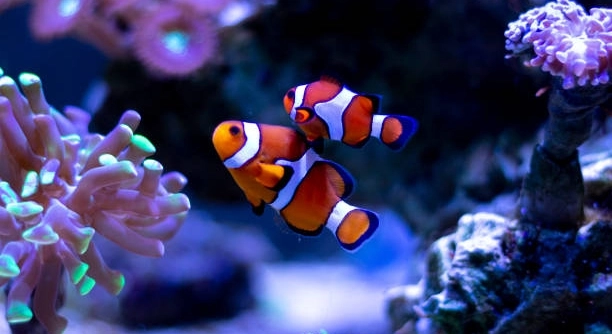
Clownfish are known for their bright colors and playful behavior in home aquariums. Many owners notice these fish digging in the sand, which can seem puzzling or even concerning at first. This activity is quite common among clownfish and has several reasons behind it.
Clownfish dig holes in the sand primarily for nesting and territorial purposes. This behavior is instinctive and linked to their natural environment where they prepare safe areas for laying eggs. Additionally, digging helps them find food and establish dominance within their habitat.
Understanding why your clownfish dig can improve your aquarium management and fish wellbeing. Learning about their natural instincts will help create a better environment for these lively creatures.
Reasons Clownfish Dig in the Sand
Clownfish dig holes for several natural reasons. One major reason is nesting. They create small pits to lay and protect their eggs. The sand provides a safe, hidden spot that keeps eggs away from predators. Another reason is territory. Digging helps clownfish mark their space and keep other fish away. It is a way to show dominance without fighting. Additionally, clownfish dig to find food particles buried in the sand. This behavior helps them supplement their diet with small organisms or leftover food. Finally, digging can also be a form of play or exercise. It helps keep the clownfish active and engaged in their environment, which is important for their overall health.
Clownfish digging is normal and a sign of their natural behavior in captivity. It shows they are comfortable enough to perform instinctive activities.
To manage this behavior, provide a sandy substrate and ensure the tank has plenty of hiding places and clean water. This allows the fish to express their natural habits safely without causing damage to the tank or plants.
How to Care for Your Aquarium During Digging
When your clownfish dig in the sand, it can sometimes cause the sand to cloud the water or disturb plants. This is normal but should be monitored. To keep the tank healthy, regular water changes are essential. Removing excess debris helps keep water clear and balanced. Avoid overcrowding the tank, as this can increase stress and aggressive digging. Adding decorations or rocks can help break up open spaces and give the fish more to explore, reducing excessive digging in one spot. Using a fine, soft sand substrate is better than coarse gravel, as it is easier for the fish to move and less likely to harm their delicate fins. Ensuring a well-balanced diet will also help reduce excessive searching for food in the sand, which can cause more digging.
Maintaining the right environment will help your clownfish feel secure and reduce any negative effects of their digging habits.
Impact of Digging on Aquarium Plants
Clownfish digging can uproot or damage live plants in the aquarium. This happens because they move sand and disturb the roots while searching for food or making nests. Plants with delicate root systems are especially vulnerable to this behavior.
To protect your plants, consider choosing hardy species that can tolerate some disturbance, like Java fern or Anubias. You might also place plants in pots or use heavier substrate materials around them. This limits how much the clownfish can dig near the roots. Another option is to create dedicated digging areas with loose sand away from planted zones. This helps keep the plants intact while allowing natural fish behavior.
Adjusting tank layout and plant placement ensures both your clownfish and plants can thrive together without conflict. Finding the right balance may take some trial and error.
Signs of Stress Related to Digging Behavior
Excessive digging can sometimes signal stress or discomfort in clownfish. If you notice constant digging, increased aggression, or hiding, it may be time to check water quality and tank conditions. Poor water parameters or overcrowding often cause stress. Providing ample hiding spots and reducing noise or disturbances helps calm the fish.
If the digging behavior becomes destructive or obsessive, evaluate tank mates to avoid bullying or competition. Stress affects the fish’s immune system, making them more prone to illness. Regular observation and maintenance keep the aquarium stable and your clownfish healthy.
Recognizing stress signs early allows you to make quick changes and improve your fish’s environment. This helps maintain their natural behavior without harm.
How to Encourage Healthy Digging
Providing a suitable environment encourages natural digging without damage. Use soft, fine sand as substrate to make digging easier and safer for your clownfish. This reduces the risk of injury and helps them feel comfortable expressing their behavior.
Adding small rocks or decorations gives them places to explore and limits digging in unwanted areas. This helps keep your tank organized and prevents excessive disturbance of plants or equipment.
Tank Setup Tips to Minimize Disruption
Arranging your tank to separate digging zones from planted or fragile areas reduces damage. Position plants in heavier substrate or pots and create open sandy spaces for digging. This setup respects the clownfish’s instincts while protecting other tank elements.
Regular cleaning and maintenance also keep sand and water clear despite digging activity. Keeping the tank balanced is key to a peaceful, healthy environment.
Signs Your Clownfish Is Preparing to Spawn
Clownfish dig more intensely when ready to spawn. This behavior includes cleaning a flat surface and creating a nest in the sand or on rocks. It is a natural part of their reproductive cycle.
Watching for these signs can help you prepare for breeding in your aquarium.
FAQ
Why do clownfish dig holes in the sand?
Clownfish dig holes mostly for nesting, marking territory, and searching for food. This digging is an instinctive behavior linked to their natural habits in the wild. Creating small pits helps protect eggs, while moving sand can uncover hidden food particles. It also serves to establish dominance within their tank environment.
Is digging harmful to my clownfish?
Digging itself is not harmful when done on a proper substrate like soft sand. It is a natural behavior that helps keep the fish active and engaged. However, if the substrate is too coarse or sharp, it can cause injury. Ensuring a suitable tank setup minimizes any risk related to digging.
How can I protect my aquarium plants from digging damage?
Choose hardy plants with strong root systems, such as Java fern or Anubias, that tolerate some disturbance. Planting in pots or using heavier substrate around roots can also help. Creating dedicated sandy digging areas away from plants limits damage while allowing natural fish activity.
Does digging mean my clownfish is stressed?
Not always. Normal digging is part of their instinct. However, excessive or frantic digging paired with hiding or aggression may indicate stress. Stress can result from poor water quality, overcrowding, or bullying. Regular tank maintenance and a balanced environment help reduce stress.
What substrate is best for clownfish digging?
Fine, soft sand is the best substrate for clownfish. It allows easy digging without hurting their fins or bodies. Avoid sharp gravel or coarse materials that can cause injury. Soft sand also helps keep the tank cleaner by reducing dust clouds caused by digging.
Can digging cause water to become cloudy?
Yes, digging can stir up sand and create temporary cloudiness. This is normal but should clear after some time. To minimize this, use fine sand and clean the tank regularly. Avoid overfeeding to reduce excess debris that may settle in the substrate.
How do I know if my clownfish is preparing to spawn?
Signs include more intense digging, cleaning a flat surface, and making a nest in the sand or on rocks. They may also show increased territorial behavior. These actions prepare the tank environment for laying and protecting eggs.
Can digging cause issues with other tank inhabitants?
Digging may disturb plants or decorations that other fish depend on for shelter. It can also unsettle bottom dwellers sensitive to substrate changes. Designing the tank with separate zones for digging and plants helps reduce conflicts between species.
How often should I clean the tank if my clownfish digs a lot?
Frequent digging may cause more debris and waste to circulate. Weekly water changes and substrate vacuuming are recommended to keep the environment healthy. Monitoring water parameters regularly ensures balance and reduces stress caused by poor conditions.
Will digging stop if I give my clownfish enough food?
Feeding a balanced diet reduces the need for excessive digging to find food. However, digging is also for nesting and territory, so it won’t stop completely. Providing varied food options and good tank setup supports natural behaviors without causing damage.
Clownfish digging in the sand is a natural and instinctive behavior. It helps them with important activities like nesting, marking territory, and finding food. Understanding this behavior allows aquarium owners to better care for their fish and create an environment that supports these natural actions. Instead of worrying when your clownfish starts to dig, it’s helpful to see it as a sign that your fish is active and comfortable in its tank. Providing the right substrate, such as soft sand, makes digging safe and easier for them.
Managing the aquarium setup can reduce the negative effects of digging. Protecting plants by using hardy species or placing them in pots helps keep them safe from being uprooted. Creating designated digging areas in the tank with loose sand allows the clownfish to express their behavior without damaging other parts of the tank. Regular maintenance, including water changes and cleaning the substrate, keeps the tank healthy even when the fish move sand around. It’s also important to monitor the fish for signs of stress, like excessive digging or hiding, and make changes to their environment if needed.
Overall, digging is a common and mostly harmless behavior in clownfish that reflects their natural instincts. By understanding why they dig and how to support this behavior properly, you can ensure a healthier and more balanced aquarium. Adjusting the tank layout, substrate, and maintenance routines helps both your fish and your plants thrive together. Keeping an eye on your clownfish’s behavior allows you to enjoy their unique personalities while maintaining a peaceful tank environment.

Hello,
If you enjoy the content that we create, please consider saying a "Thank You!" by leaving a tip.
Every little bit helps us continue crafting quality advice that supports the health, happiness, and well-being of pets around the world, for pets of all shapes, sizes, and species.
We really appreciate the kindness and support that you show us!