
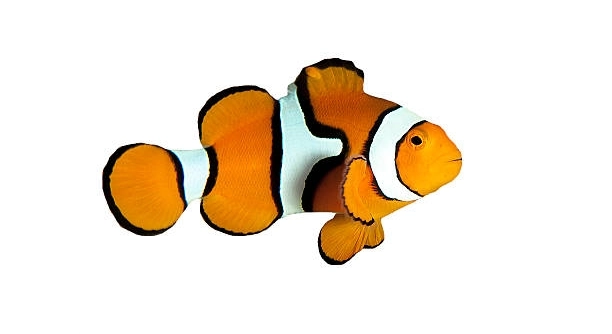
Clownfish are popular pets in many home aquariums, known for their bright colors and lively behavior. Owners often notice these fish digging holes in the sand or substrate. This digging can seem strange or worrying at first.
Clownfish dig holes primarily to create a safe space for laying eggs and to protect their territory. This natural behavior helps them feel secure and can also improve water circulation in their environment, contributing to their overall health and comfort.
Learning about this behavior can help you better care for your clownfish and maintain a healthy tank environment for them. Understanding why they dig offers insight into their natural instincts and needs.
Reasons Behind Clownfish Digging Behavior
Clownfish digging holes is a natural instinct connected to their breeding and habitat preferences. In the wild, they seek out safe spots to lay eggs, often clearing an area by moving sand or small debris. This behavior is not just about making a nest; it also helps the fish create a comfortable and secure environment. Digging can improve water flow around the substrate, which helps keep the area clean and oxygenated. In a home aquarium, this behavior may become more noticeable because the tank is a limited space. The fish might also dig to claim territory or to find food particles buried in the sand. If you have other species in the tank, clownfish digging can sometimes lead to interactions with tank mates. Recognizing this behavior as natural can reduce concerns and help you focus on maintaining proper tank conditions.
Digging is often a sign that your clownfish is comfortable and active in its environment.
Keeping the substrate clean and providing hiding spots can reduce excessive digging and stress.
How to Manage and Support This Behavior
If your clownfish is digging more than usual, consider the tank setup first. Make sure the substrate is suitable for digging; fine sand is better than coarse gravel because it is easier for the fish to move. Provide plenty of live rock or decorations that mimic their natural habitat. These items offer hiding places and reduce the need for digging as a stress response. Regular water changes and good filtration also help keep the tank clean and reduce debris that might encourage digging. Monitoring tank mates is important, as aggressive species can cause clownfish to dig out of stress or fear. Finally, avoid overfeeding, which can lead to leftover food settling in the substrate and prompt more digging. By making these adjustments, you support your clownfish’s natural behaviors while maintaining a balanced tank environment.
Impact of Digging on Your Aquarium
Digging can sometimes disturb the aquarium setup, moving plants and decorations. It may also cloud the water with sand particles, affecting clarity and filtration.
This behavior can be disruptive if your tank has delicate plants or corals. The movement of sand can uproot plants, making it harder for them to survive. It may also cause uneaten food or waste to spread, which can harm water quality. Regular cleaning and careful arrangement of decorations can help minimize these effects. Watching your clownfish’s digging habits lets you intervene before damage happens.
In some cases, digging creates beneficial changes, like increasing oxygen flow near the substrate. However, excessive digging might stress other tank inhabitants. Balancing the environment with proper tank design reduces problems and keeps all fish comfortable.
Signs Your Clownfish Is Stressed or Unhealthy
If digging increases suddenly or seems frantic, it could be a sign of stress or illness. Watch for changes in color, appetite, or behavior along with digging.
Stress can come from poor water conditions, overcrowding, or aggressive tank mates. Illnesses may also cause abnormal digging as the fish tries to find relief. Testing water quality regularly helps identify problems early. Adjusting tank mates or improving diet can reduce stress. If you notice unusual symptoms, consulting a veterinarian familiar with marine fish is important. Early care supports your clownfish’s health and reduces harmful digging behaviors.
Creating a Safe Nesting Area
Clownfish dig to build nests for their eggs, so providing a safe spot is important. Use smooth rocks or ceramic caves where they can feel secure.
Avoid sharp or rough materials that could harm the fish or eggs. Keep the area clean and stable to encourage natural nesting behavior.
Feeding and Its Effect on Digging
Overfeeding can lead to excess food settling in the substrate, which encourages digging as clownfish search for leftovers. Feeding smaller amounts more frequently helps reduce this problem.
A balanced diet with proper nutrients keeps your clownfish healthy and less likely to dig out of stress or hunger. Avoid feeding foods that easily break apart and sink quickly.
Monitoring Tank Conditions
Keep an eye on water temperature, pH, and ammonia levels. Poor water quality increases stress, causing more digging. Regular testing and maintenance help keep your clownfish comfortable.
When to Seek Help
If digging is paired with other unusual behaviors, consider consulting a marine specialist. Early intervention can prevent serious health issues.
FAQ
Why do clownfish dig more at certain times?
Clownfish tend to dig more when they are preparing to lay eggs. This usually happens in cycles tied to their natural breeding habits. They clear away sand and debris to make a safe place for their eggs. Environmental changes, like new tank decorations or water quality shifts, can also increase digging as the fish adjust to their surroundings.
Is digging harmful to clownfish?
Digging itself is not harmful and is part of their natural behavior. However, if the digging becomes excessive, it may cause stress to other tank inhabitants or disturb plants and decorations. Maintaining a good tank setup and clean substrate helps keep the digging from becoming a problem.
How can I reduce my clownfish’s digging?
Providing plenty of hiding places, using fine sand as substrate, and keeping the tank clean can reduce digging. Feeding the right amount and ensuring compatible tank mates also help. Sometimes, adding live rock or coral can satisfy their need for territory without excessive digging.
Can clownfish damage my aquarium while digging?
Yes, if digging is intense, it can uproot plants or move decorations, potentially damaging fragile setups. It can also stir up sand, which clouds the water and clogs filters. Monitoring and adjusting tank conditions will help minimize damage.
Does digging mean my clownfish are unhappy?
Not necessarily. Digging is often a sign they are comfortable and following their instincts. However, if digging increases suddenly along with other signs of stress like loss of appetite or color changes, it could indicate problems that need attention.
What substrate is best for clownfish?
Fine sand is ideal because it is easy for clownfish to move and dig without injury. Coarse gravel can be uncomfortable and difficult for them to handle. Sand also helps maintain good water flow and supports beneficial bacteria.
Can clownfish dig cause water quality issues?
Yes, digging stirs up debris and uneaten food, which can increase waste in the water. This can raise ammonia and nitrite levels, harming fish health. Regular cleaning and good filtration are necessary to prevent water quality problems.
Should I change tank mates if digging is excessive?
If aggressive or territorial tank mates cause stress, clownfish may dig more. Assess the tank community and consider changing aggressive species or adding more hiding spots. Reducing stress helps normalize digging behavior.
How often should I clean the substrate to help with digging?
Cleaning the substrate during regular water changes is best. Remove uneaten food and waste without disturbing the entire substrate. A gentle vacuuming once every one to two weeks helps keep the area clean and reduces digging triggers.
Can digging be a sign of disease?
In some cases, yes. If digging is frantic or paired with other symptoms like lethargy, white spots, or rapid breathing, illness may be involved. Consulting a marine vet or specialist quickly can prevent serious issues.
Is digging more common in certain clownfish species?
All clownfish species may dig, but the intensity varies. Some species naturally dig more as part of their breeding and territorial habits. Knowing your clownfish’s specific needs helps manage their behavior better.
Does diet affect digging behavior?
A balanced diet reduces digging caused by hunger or searching for food. Overfeeding can encourage digging as leftover food accumulates. Feeding high-quality pellets or frozen foods in measured amounts helps maintain healthy behavior.
Can I use decorations to distract my clownfish from digging?
Yes, adding caves, rocks, or coral structures gives your clownfish places to explore and claim territory without excessive digging. This helps keep them mentally stimulated and reduces substrate disruption.
Is it normal for clownfish to dig in new tanks?
Yes, clownfish often dig more in new tanks as they explore and settle in. This behavior usually decreases once they establish their territory and feel secure.
What signs show my clownfish are ready to breed?
Increased digging, cleaning of flat surfaces, and pairing behavior indicate breeding readiness. Clownfish prepare nests by clearing substrate and guarding potential egg sites.
How does tank size affect digging?
Smaller tanks can increase digging because space is limited. Providing ample territory and hiding spots in any tank size helps reduce excessive digging and stress.
Clownfish digging holes is a natural and common behavior. It is part of their way to feel safe, prepare for breeding, and protect their space. Understanding why they dig helps you accept this behavior as normal rather than worrying about it. Digging shows that your clownfish are active and interacting with their environment, which is a positive sign of their wellbeing. Instead of trying to stop them completely, focus on providing a tank setup that supports this natural instinct while keeping the environment balanced and safe.
Keeping your aquarium clean and well-maintained is important to manage the effects of digging. Regular water changes, proper filtration, and careful feeding reduce debris and prevent water quality problems that might arise from disturbed substrate. Using fine sand as the tank bottom can make digging easier for your clownfish and less likely to harm plants or decorations. Adding hiding places like rocks, caves, or coral also helps satisfy their need for territory without causing too much disruption. These small changes can make a big difference in how much digging affects your tank.
Watching your clownfish carefully will let you notice if digging changes suddenly or becomes excessive. Changes in behavior, appetite, or color can point to stress or illness that need attention. Keeping tank mates peaceful and compatible reduces stress-related digging. If problems persist, consulting a marine fish specialist can help solve issues before they get worse. Overall, supporting your clownfish’s natural behavior while maintaining good tank conditions will lead to a healthier and happier aquarium for both you and your fish.

Hello,
If you enjoy the content that we create, please consider saying a "Thank You!" by leaving a tip.
Every little bit helps us continue crafting quality advice that supports the health, happiness, and well-being of pets around the world, for pets of all shapes, sizes, and species.
We really appreciate the kindness and support that you show us!