
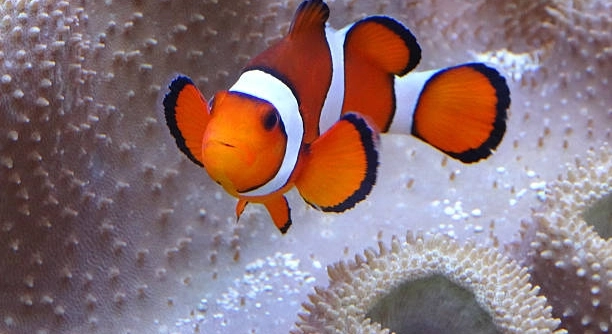
Are your clownfish constantly flicking their fins in the aquarium? Many fish owners notice this behavior and wonder what it means. It is common to see clownfish making small fin movements throughout the day.
Clownfish flick their fins for several reasons, including communication, maintaining balance, and reacting to their environment. This fin flicking can indicate stress, irritation, or simply normal behavior as they adjust to water currents and interact with other fish.
Understanding why your clownfish flick their fins can help you provide a better environment for them. Learning about these behaviors is important for keeping your fish healthy and comfortable.
Reasons Behind Clownfish Fin Flicking
Clownfish flick their fins for a variety of reasons. One common cause is communication with other fish. They use fin movements to show submission or to establish territory. Sometimes, flicking helps them adjust their position in the water, especially when there are currents or waves. Another reason is irritation caused by parasites or poor water conditions. If the water quality is low or if there are harmful substances, clownfish may flick their fins more often as a response. Stress can also trigger this behavior, especially if the tank is overcrowded or if there are aggressive tank mates. Sometimes, fin flicking is just a natural part of their behavior, showing that they are alert and active.
Watching your clownfish carefully can help you understand why they flick their fins and whether it is normal or a sign of trouble.
If fin flicking is paired with other signs like lethargy or loss of appetite, it’s important to check your tank’s conditions and act quickly.
How Water Quality Affects Clownfish Behavior
Poor water quality is a major factor influencing clownfish fin flicking. Ammonia, nitrite, and nitrate levels that are too high cause irritation to the fish’s skin and gills, leading to constant fin flicking as they try to relieve discomfort. Even if these levels are within safe limits, sudden changes or fluctuations can stress the fish. Regular water testing is essential to maintain a stable environment. Chlorine and heavy metals in tap water can also cause problems if not properly treated. Filtration systems must be efficient and regularly cleaned to keep the water healthy. Beyond chemical balance, temperature and pH also affect fish behavior. If water conditions aren’t right, clownfish may flick their fins excessively, showing they are unsettled. By maintaining good water quality, you create a safe home where your fish can thrive without unnecessary stress.
Stress and Aggression in Clownfish
Stress often causes clownfish to flick their fins more frequently. Changes in the tank, like new fish or decorations, can unsettle them.
Aggressive tank mates can intimidate clownfish, making them react by flicking their fins as a warning or defense. Overcrowding also increases stress levels.
Reducing stress means keeping the tank stable. Avoid sudden changes and monitor fish interactions. Providing hiding spots helps clownfish feel secure. When aggression is present, separating aggressive fish can prevent harm. Watching your fish regularly allows you to spot stress early and make adjustments before problems worsen.
Parasites and Health Issues
Parasites are a common reason for unusual fin flicking. They irritate the fish’s skin, causing constant flicking to try to remove discomfort.
If fin flicking is paired with other symptoms like rubbing against objects, clamped fins, or visible spots, parasites could be the cause. Treatment with appropriate medication and improving water quality usually helps clear infections.
Keeping the tank clean and quarantining new fish reduces parasite risk. Healthy clownfish are less likely to get sick. Regular observation and quick action are key to preventing long-term health problems caused by parasites.
Normal Behavior Versus Problem Signs
Clownfish flick their fins as a natural way to stay balanced and communicate. This behavior is usually gentle and rhythmic.
If the flicking becomes rapid, intense, or is paired with other signs like lethargy, it may indicate a problem needing attention.
Tank Environment and Its Impact
The size and setup of the tank can influence fin flicking. A small or overcrowded tank increases stress, causing more fin flicking. Lack of hiding spots leaves clownfish feeling exposed and vulnerable. Proper decoration and enough space allow them to behave naturally. Consistent water flow and temperature also reduce stress. Creating a comfortable environment helps minimize unnecessary fin flicking and keeps your clownfish healthier and more relaxed.
When to Seek Help
If fin flicking persists despite good tank conditions, consult a specialist. Professional advice can help diagnose hidden issues.
FAQ
Why do clownfish flick their fins so often?
Clownfish flick their fins to communicate, keep balance, and respond to their environment. Sometimes, it’s a sign of irritation or stress caused by water quality or tank conditions. Normal fin flicking is gentle and steady, but rapid or constant flicking might mean something is wrong.
Is fin flicking always a bad sign?
No, fin flicking can be normal behavior. Clownfish use it to interact with other fish and adjust their position in the water. It becomes a concern when it is intense, constant, or paired with other symptoms like lethargy, loss of appetite, or clamped fins.
Can poor water quality cause fin flicking?
Yes, poor water quality is one of the main reasons clownfish flick their fins excessively. High ammonia, nitrite, or nitrate levels irritate their skin and gills. Sudden changes in water parameters or the presence of chlorine can also stress them, leading to fin flicking.
How often should I test my aquarium water?
Testing water weekly is ideal, especially for ammonia, nitrite, nitrate, pH, and temperature. Frequent checks help catch problems early before they affect your clownfish’s health or cause unusual fin flicking.
Can tank mates cause stress-related fin flicking?
Yes, aggressive or territorial tank mates can stress clownfish, causing them to flick their fins as a warning or to defend themselves. Overcrowding increases stress too. Providing hiding spots and monitoring fish behavior helps reduce aggression.
What should I do if my clownfish is flicking fins because of parasites?
If parasites are suspected, look for other signs like rubbing against objects, visible spots, or clamped fins. Quarantine the affected fish and use recommended medications. Improve water quality and clean the tank to prevent reinfection.
Is temperature important for fin flicking behavior?
Absolutely. Clownfish prefer stable temperatures between 74°F and 78°F (23°C to 26°C). Fluctuations or extremes cause stress and can increase fin flicking. Use a reliable heater and thermometer to maintain steady temperature.
Can fin flicking mean my clownfish is sick?
Sometimes, yes. If fin flicking comes with lethargy, loss of appetite, discoloration, or other unusual signs, it could indicate illness. Early diagnosis and treatment improve recovery chances.
How can I reduce fin flicking caused by stress?
Maintain stable water conditions, avoid sudden tank changes, and provide hiding spots. Reduce aggressive tank mates or overcrowding. Regular observation helps catch stress early.
When is it time to seek professional help?
If fin flicking persists despite good care, or if other symptoms appear, consult a vet or experienced aquarist. Professional advice can identify hidden problems and recommend treatment.
Does fin flicking ever stop completely?
No, some fin flicking is natural and healthy. The goal is to keep it within normal levels, without signs of distress or injury.
Can diet affect fin flicking?
A poor diet can weaken your clownfish’s immune system, making them more prone to stress and illness, which might cause increased fin flicking. Feeding a balanced, high-quality diet supports their health.
Are certain clownfish species more prone to fin flicking?
All clownfish flick their fins, but some species may show the behavior more due to temperament or sensitivity. Observe your specific fish to understand their normal behavior.
Does fin flicking indicate breeding behavior?
Sometimes, fin flicking can be part of courtship or territorial displays during breeding. It tends to be accompanied by other behaviors like chasing or nest preparation.
Can lighting affect fin flicking?
Strong or inconsistent lighting may stress clownfish, causing increased fin flicking. Use appropriate lighting levels and maintain a consistent day-night cycle for your tank.
Clownfish flick their fins for many reasons, and understanding this behavior helps keep them healthy. Often, fin flicking is a normal part of how they move and communicate. It helps them stay balanced in the water and interact with other fish. However, when fin flicking becomes constant or more intense, it can be a sign of stress or discomfort. Changes in the tank, poor water quality, or aggressive tank mates often cause this stress. Watching your clownfish regularly and paying attention to their fin flicking patterns can help you notice when something is wrong early.
Water quality plays a very important role in your clownfish’s well-being. Even small changes in ammonia, nitrite, or nitrate levels can irritate their skin and gills, causing them to flick their fins more often. Temperature and pH also affect how comfortable they feel. Keeping the tank clean and stable is the best way to reduce stress and prevent health issues. When your clownfish is in a comfortable environment with good water quality, they tend to flick their fins less and act more relaxed. Providing hiding spots and enough space in the tank also helps reduce stress caused by other fish or overcrowding.
If fin flicking happens with other signs like rubbing against tank decorations, clamped fins, or changes in behavior, it might be a sign of parasites or illness. Treating these problems early is important for your clownfish’s health. When fin flicking continues despite good care, seeking advice from a specialist can help find hidden problems. Overall, fin flicking is a normal behavior, but paying attention to its changes helps you create a better home for your clownfish. Keeping an eye on their behavior and environment will support their health and happiness in your tank.

Hello,
If you enjoy the content that we create, please consider saying a "Thank You!" by leaving a tip.
Every little bit helps us continue crafting quality advice that supports the health, happiness, and well-being of pets around the world, for pets of all shapes, sizes, and species.
We really appreciate the kindness and support that you show us!