
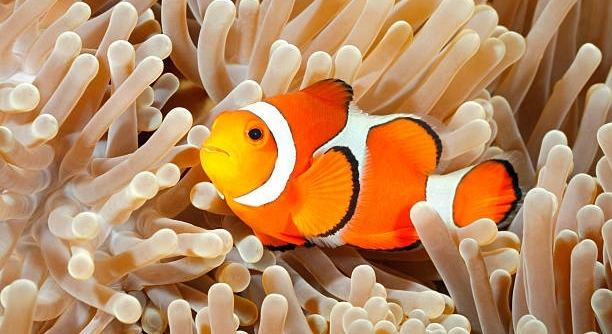
Many clownfish owners notice their fish becoming more active at night. This unusual behavior can seem surprising since clownfish are often calmer during dark hours. Understanding why this happens can help improve their care and environment.
Clownfish act hyper at night mainly due to changes in lighting and natural instincts. Reduced light can stimulate their activity as they search for food or explore their surroundings. This behavior mimics their wild patterns, where night activity increases to avoid predators and find shelter.
Recognizing these patterns can help you create a better tank setup and manage your clownfish’s health more effectively.
Why Clownfish Get More Active at Night
Clownfish are naturally more alert when the lighting changes. During the day, they usually stay close to their host anemones, resting or swimming calmly. But when the lights go down, their instincts tell them to be more alert and active. This is because, in the wild, night time is a chance to explore new areas without as much risk from predators. Even in a tank, this behavior remains. The dim environment encourages them to swim faster, chase small particles in the water, or check their territory. You might see them darting around more quickly or even “chasing” each other, which is normal. Understanding this helps you avoid worrying about their nighttime energy. Instead, it’s a sign they are responding naturally to changes in their environment. Keeping a stable light schedule will help maintain this routine and support their overall health and wellbeing.
This nighttime activity is natural and usually not a sign of stress or illness.
If your clownfish seem restless only at night, it’s a good idea to observe how long they stay active. Some activity is normal, but if it continues all night without rest, there might be other factors affecting them. Make sure their tank environment is comfortable with proper hiding spots and that the lighting mimics a natural day-night cycle. Sometimes, strong tank lighting or constant noise can make fish uneasy. Adjusting these factors will help calm their nighttime behavior. Also, feeding your fish at regular times during the day rather than at night supports their natural rhythms. Monitoring these details keeps your clownfish happy and balanced.
How Tank Conditions Affect Nighttime Behavior
Tank conditions play a big role in how your clownfish behave when the lights go off. If the tank is too small or overcrowded, your fish might become restless. Proper filtration and water quality are also important since poor water can cause stress, leading to unusual activity. Lighting is another key factor; too bright or inconsistent lighting can confuse fish and disrupt their natural patterns.
Adjusting the light schedule to simulate natural sunrise and sunset helps regulate their activity. Providing plenty of hiding places gives clownfish spots to rest comfortably at night. This reduces their need to swim continuously. Additionally, maintaining clean water with stable temperature and salinity reduces stress that might cause hyperactivity. Monitoring these conditions creates a calm environment that supports their natural behavior. When all these factors are balanced, your clownfish will have a healthy routine, being active during the day and resting calmly at night.
Feeding and Nighttime Activity
Clownfish often become more active at night if they are hungry or expecting food. They may swim quickly or search the tank when feeding times don’t match their natural rhythm.
Regular feeding schedules help keep their activity balanced. Feeding once or twice a day during daylight hours works best. Nighttime feeding can confuse their internal clocks and increase restlessness. Make sure you provide a balanced diet with pellets, flakes, and occasional treats like brine shrimp or frozen food. Avoid overfeeding, which can cause water quality issues and stress the fish. When their nutritional needs are met on a regular schedule, their behavior will be calmer during night hours, and they will rest better.
Some owners notice clownfish chasing each other or darting around after feeding. This behavior is normal and shows they are healthy and active, but it usually decreases after they settle down.
The Role of Tank Mates
Tank mates can influence clownfish activity at night. Aggressive or very active fish can disturb clownfish, causing them to be restless after dark. Peaceful tank mates tend to encourage calmer behavior.
Choosing compatible species helps maintain a peaceful tank environment. Fish that share similar activity patterns and temperaments usually live better together. Avoid overcrowding the tank to reduce competition and stress. When clownfish feel secure with their tank mates, they rest better and show less hyperactivity at night. Watching interactions can reveal if any fish are causing disturbance, allowing adjustments for a balanced aquarium. A harmonious tank supports healthier and more natural behavior for all inhabitants.
Lighting and Its Impact on Behavior
Lighting changes signal day and night to clownfish. Sudden or inconsistent light shifts can make them more active at night. A gradual dimming helps ease this transition.
Using a timer for your tank lights creates a reliable cycle. This consistency supports natural rest patterns and reduces nighttime hyperactivity.
Stress and Its Effect on Clownfish Activity
Stress from poor water quality, sudden changes, or aggressive tank mates often increases clownfish activity. They may swim frantically or hide less. Identifying and fixing stress sources is crucial for their well-being. Regular water testing, stable temperature, and gentle handling reduce stress and help maintain calm behavior.
Natural Instincts at Night
Clownfish have natural instincts to stay alert at night. This behavior helps them avoid predators and explore safely, even in tanks.
Monitoring Behavior Changes
Keep an eye on any sudden or prolonged changes in activity. This can indicate health or environment issues needing attention.
FAQ
Why are my clownfish more active only at night?
Clownfish are naturally more alert when the lighting dims. This behavior comes from their instincts to explore and avoid predators in the wild during darker hours. Even in a tank, they follow these patterns. Nighttime activity usually means they are healthy and responding to environmental changes.
Is it normal for clownfish to chase each other at night?
Yes, chasing is normal, especially after feeding or when they are establishing territory. At night, their increased activity can make this chasing more noticeable. It is a sign of social interaction rather than aggression if it doesn’t lead to injury.
Could poor water quality cause hyperactivity in clownfish?
Yes, poor water quality can stress clownfish, which may result in unusual activity like darting or restlessness. Regular water tests and maintenance keep the tank healthy and reduce stress-related behaviors.
How does lighting affect clownfish behavior?
Lighting signals day and night to clownfish. Sudden changes or irregular lighting schedules confuse their natural rhythms, causing more activity at night. Using a timer for a steady light cycle helps keep their behavior balanced.
Should I feed my clownfish at night if they are active?
Feeding at night can disrupt their natural cycles and increase restlessness. It’s best to feed during the day, maintaining a regular schedule to support healthy sleep and activity patterns.
What tank mates work best with clownfish to reduce nighttime hyperactivity?
Peaceful, similarly sized fish with calm behavior are ideal tank mates. Aggressive or very active fish can stress clownfish, leading to more nighttime activity. Proper tank size and hiding spaces also help reduce stress.
Can tank size impact clownfish activity at night?
A small or overcrowded tank can cause stress and increase activity as clownfish try to find space or avoid others. Providing enough room and hiding spots supports calmer behavior.
How can I tell if my clownfish are stressed?
Signs include rapid swimming, hiding less, loss of color, or constant activity without rest. Stress often comes from poor water, aggressive tank mates, or sudden environmental changes.
Do clownfish sleep at night?
Clownfish do rest at night but may remain alert and swim slowly around their territory. Their nighttime activity does not mean they aren’t resting; it’s just part of their natural behavior.
Can hyperactivity be a sign of illness in clownfish?
Sometimes. If hyperactivity is accompanied by other symptoms like loss of appetite, color changes, or unusual spots, it could indicate illness. In that case, water quality checks and veterinary advice are recommended.
How can I reduce my clownfish’s hyperactivity at night?
Keep a stable light schedule using a timer, maintain good water quality, provide hiding places, avoid overcrowding, and feed during daylight hours. These steps create a calm environment that encourages natural rest.
Is nighttime hyperactivity harmful to clownfish?
Usually, no. It is part of their natural behavior and shows they are alert and healthy. However, excessive activity caused by stress or illness should be addressed to prevent long-term problems.
Can changing tank decorations reduce hyperactivity?
Yes, adding or rearranging decorations can create new hiding spots and reduce stress. Clownfish feel safer with places to retreat, which helps lower excessive nighttime movement.
What role does temperature play in clownfish behavior?
Stable temperature within the recommended range helps keep clownfish calm. Sudden changes or extremes can cause stress and increase activity or restlessness.
Are some clownfish species more active at night than others?
Yes, some species or individual fish may naturally be more active due to genetics or environment. Observing your specific clownfish helps you understand their unique behavior patterns.
Clownfish being more active at night is a natural behavior rooted in their instincts and environment. They respond to changes in light and feel more alert when it gets darker. This nighttime activity often includes swimming faster, exploring the tank, or interacting with tank mates. While it might seem unusual at first, it is usually a sign that your clownfish are healthy and reacting as they would in the wild. Understanding this behavior helps reduce unnecessary worry and allows you to better support their needs.
There are several important factors that influence how active clownfish become after dark. Lighting plays a key role—using a timer to simulate natural day and night cycles helps maintain their regular rhythm. Feeding routines also matter; feeding during the day instead of at night supports a stable schedule for your fish. Tank conditions, such as water quality, tank size, and the presence of compatible tank mates, also affect their comfort and stress levels. When these elements are in balance, clownfish tend to be calmer at night and show more natural resting behavior.
Taking good care of your clownfish means paying attention to these details and adjusting as needed. Keep the water clean and stable, maintain consistent lighting, and choose tank mates that don’t cause stress. Providing hiding places will help your clownfish feel secure and encourage resting during night hours. If you notice changes in behavior that seem unusual or if the activity is extreme and prolonged, it might be worth checking water parameters or consulting with an aquatic specialist. Overall, the hyperactivity at night is often normal, but careful observation and proper care ensure your clownfish remain happy and healthy in their home.

Hello,
If you enjoy the content that we create, please consider saying a "Thank You!" by leaving a tip.
Every little bit helps us continue crafting quality advice that supports the health, happiness, and well-being of pets around the world, for pets of all shapes, sizes, and species.
We really appreciate the kindness and support that you show us!