
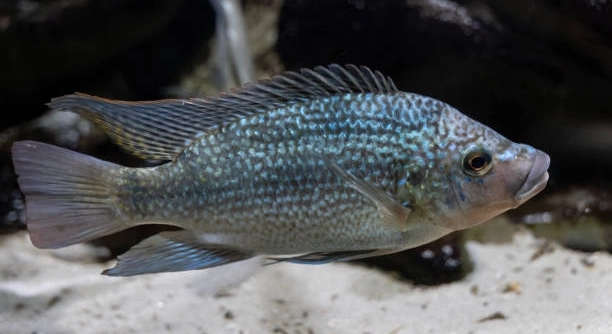
Do you ever notice your cichlids acting differently around their fry, swimming aggressively or chasing them across the tank? These sudden behaviors can be surprising, leaving many fish owners unsure about what triggered the change in their aquarium.
Cichlids may chase their fry due to stress, limited space, or natural instinct to assert dominance. Environmental changes, poor water quality, or overcrowding can also trigger this behavior, causing parents to perceive fry as threats or competition rather than offspring.
Understanding the reasons behind this behavior can help you create a calmer, safer environment for both adults and fry in your tank. Proper observation and adjustments can make a big difference.
Common Reasons Cichlids Chase Fry
Cichlids are complex fish with strong instincts, and chasing fry is often a natural behavior. Territorial instincts are one of the main reasons; adult cichlids may feel the fry are invading their space. Changes in the tank, like new decorations, sudden movements, or rearranged plants, can trigger stress, causing adults to act aggressively. Overcrowding is another factor. When the tank is too small, adults may see fry as competition for resources. Even parents can turn on their young if they feel threatened. Water quality also matters. Poor conditions can heighten stress and increase aggressive tendencies. Nutrition plays a role as well. Adults lacking proper food may see fry as an easy snack. Observing your tank carefully helps identify which factor is influencing behavior. By recognizing patterns, you can adjust the environment or care routines to reduce chasing and protect the fry from harm.
These behaviors often result from stress, territorial instincts, overcrowding, or insufficient nutrition, affecting both fry safety and adult fish well-being.
Watching your cichlids closely reveals patterns in their interactions. Small changes in environment or care can prevent aggression and improve harmony.
How to Protect Fry from Aggression
Separating fry into a smaller tank or breeding box is a common solution. This keeps them safe while reducing stress for adults.
Creating hiding spots with plants, rocks, or decorations allows fry to escape when adults become aggressive. Consistent feeding schedules ensure adults are well-nourished and less likely to target fry. Water quality maintenance is critical; clean, well-filtered water reduces stress. Monitoring temperature and pH helps maintain stable conditions, which decreases aggression. Avoid sudden changes like rearranging tank decorations or adding new fish quickly. Observing interactions between adults and fry daily helps catch problems early. If aggression persists, consider reducing the number of adult fish in the tank. Proper planning of tank layout and population density is essential. Over time, adults may accept fry more readily if they feel secure. Providing a calm environment benefits both adult cichlids and young fry, improving survival rates and overall tank health.
Adjusting Tank Conditions
Keeping the tank clean and properly maintained reduces stress and aggression in cichlids. Regular water changes and monitoring pH and temperature create a stable environment that supports fry survival.
Overcrowding increases tension among adult cichlids, leading to chasing and potential harm to fry. Providing ample space, hiding spots, and visual barriers helps manage territorial behavior. Using rocks, plants, or small caves allows fry to hide and escape aggressive adults. Consistent feeding schedules keep adults focused on food rather than fry. Observing fish behavior daily helps identify potential issues early, allowing timely intervention. These small adjustments can create a calmer, safer tank for all fish.
Lighting and water flow can also influence behavior. Too strong lighting or fast currents can stress adults, making them more aggressive toward fry. Adjusting these elements helps balance the tank. Maintaining stable conditions over time reduces repeated aggression, allowing fry to grow safely and adults to remain healthy.
Feeding and Nutrition Strategies
Feeding adults frequently and with high-quality food reduces predatory behavior toward fry. Adults distracted by proper nutrition are less likely to chase or eat their young.
Providing a varied diet supports overall health and decreases aggression. Protein-rich pellets, frozen foods, and occasional live foods ensure adults are satisfied. Overfeeding should be avoided, as it can pollute water and increase stress. Feeding small portions multiple times a day can keep adults focused on eating instead of fry. Observing how adults respond to feeding helps adjust quantity and type of food. Consistency in diet and feeding routine contributes to a calmer tank environment. Over time, well-fed adults often become more tolerant of fry, and aggression decreases naturally. Proper nutrition is essential for both adult and fry survival, promoting healthier interactions and tank harmony.
Creating Hiding Spots
Adding plenty of plants, rocks, and small caves gives fry safe places to escape adult aggression. These hiding spots reduce stress and increase their chances of survival in a shared tank.
Dense vegetation or floating plants helps fry remain out of sight. Even simple decorations can break lines of sight, giving them peace while adults patrol their territory.
Using Breeding Boxes
Breeding boxes or fry nets separate young fish from adults while still allowing water flow. This method protects fry without isolating them completely, maintaining tank stability.
Monitoring Behavior
Watching adults closely helps identify patterns in chasing or aggression. Early detection allows quick action before fry are harmed.
Gradual Acclimation
Introducing fry slowly into the main tank after a period in a safe enclosure helps adults adjust. This reduces immediate aggression and improves long-term survival rates.
FAQ
Why are my adult cichlids chasing their fry suddenly?
Adult cichlids may chase fry due to stress, overcrowding, or territorial instincts. Changes in the tank, like new decorations or altered plant arrangements, can trigger aggression. Poor water quality or insufficient food can also make adults see fry as competition or even as food.
Is it normal for parents to eat their fry?
Yes, this behavior can be natural. Even caring parents may eat fry if they feel stressed, threatened, or if the fry appear weak. Ensuring a calm environment, proper nutrition, and hiding spots reduces the chances of this happening.
How can I prevent chasing without separating fry?
Providing dense plants, rocks, or small caves creates escape routes and visual barriers. Keeping the tank spacious, clean, and stable reduces stress. Feeding adults frequently with high-quality food keeps them focused on eating rather than chasing fry.
Do all cichlid species chase their fry?
Not all, but many do. Aggression levels vary by species. Some are highly protective and rarely chase fry, while others have stronger territorial instincts that can make chasing common. Understanding your species’ natural behavior helps manage tank conditions effectively.
How long does chasing usually last?
Chasing often decreases as fry grow and adults adjust to their presence. Early stages of fry life are the most critical. By providing hiding spots and proper care, aggression typically lessens within a few weeks.
Can water quality affect aggression?
Yes. Poor water quality increases stress, which can trigger chasing. Regular water changes, proper filtration, and monitoring pH and temperature keep adults calm and reduce fry harassment.
Should I remove aggressive adults?
If aggression persists despite proper care, separating or reducing adult numbers may be necessary. This prevents injury or death of fry and ensures a healthier tank environment.
Do hiding spots really help fry survive?
Absolutely. Hiding spots give fry places to escape adult aggression, increasing survival rates. Dense plants, rocks, and small caves break lines of sight and allow fry to grow safely while adults patrol the tank.
How often should I feed adult cichlids to reduce chasing?
Adults do best with small, frequent feedings. Two to three times a day with high-quality pellets, frozen food, or live food keeps them well-nourished and less focused on fry as potential food. Avoid overfeeding, as this can harm water quality.
Can temperature or lighting influence chasing behavior?
Yes. Too strong lighting or rapid temperature changes can stress adults, making them more aggressive. Maintaining stable conditions with gentle lighting and consistent temperature helps reduce chasing and creates a calmer tank environment.
Will separating fry affect their growth?
Using breeding boxes or fry nets allows fry to stay safe while still receiving nutrients from water flow. This separation generally does not hinder growth and can improve survival rates, giving fry a better chance to develop without constant stress.
Is chasing more common in crowded tanks?
Yes. Overcrowding increases territorial disputes and stress, which often leads to chasing. Keeping a balanced number of adults and fry, along with sufficient space and hiding spots, prevents excessive aggression.
Can adults learn to accept fry?
With stable tank conditions, adequate food, and proper hiding spots, adults often become more tolerant over time. Gradually introducing fry from a safe enclosure can help adults adjust, reducing chasing behavior as fry grow stronger.
What signs indicate fry are in danger?
Look for constant chasing, visible injuries, or fry hiding excessively. Fry that appear stressed, lethargic, or missing may be at risk. Quick action like adding hiding spots, separating adults, or adjusting care can prevent loss.
Are there any species that rarely chase fry?
Yes. Some cichlid species are more nurturing and protective. Knowing the specific behavior of your species helps plan tank setup, care routines, and feeding schedules to minimize risks for fry.
How do I know if stress is causing aggression?
Adults showing rapid movements, constant chasing, or hiding fry are signs of stress. Environmental factors like overcrowding, poor water quality, or sudden changes can increase these behaviors. Stabilizing the tank and monitoring interactions helps identify and reduce stress.
Can live food reduce chasing behavior?
Yes. Offering live food like brine shrimp or daphnia can distract adults and satisfy predatory instincts, keeping their attention away from fry. Feeding adults a mix of live and prepared food improves nutrition and reduces aggression naturally.
Is separating fry the only solution?
Not always. Proper tank conditions, feeding routines, hiding spots, and observation can often reduce chasing without separation. However, highly aggressive adults or limited space may still require temporary separation to ensure fry survival.
How long should fry stay in a breeding box?
Typically, fry stay in a safe enclosure until they are strong enough to escape adult attention, usually a few weeks. Gradual introduction to the main tank after this period helps reduce stress and improves survival chances.
Can rearranging the tank cause sudden chasing?
Yes. Adults can interpret new layouts as a threat to their territory. Reintroducing fry or changing decorations suddenly may trigger aggression. Gradual changes and observation help maintain stability and reduce stress-related chasing.
What is the best way to balance adult and fry populations?
Maintain enough space, provide hiding spots, feed adults well, and monitor behavior daily. Adjusting tank numbers when necessary ensures both adults and fry coexist safely, improving overall health and reducing aggression incidents.
This FAQ covers the main concerns about adult cichlids chasing fry, offering practical steps to protect your young fish and maintain a calm, balanced tank environment.
Caring for cichlids can be challenging, especially when you notice adults suddenly chasing their fry. This behavior is often stressful to witness, but it is usually a natural response to changes in their environment, overcrowding, or stress. Understanding the reasons behind chasing helps you take steps to protect your fry and create a calmer tank for all fish. Many factors influence aggression, including water quality, feeding schedules, territorial instincts, and the layout of the tank. By addressing these elements carefully, you can reduce stress for adult cichlids and give your fry a better chance to survive. Simple changes, like adding hiding spots or adjusting the number of adults in the tank, can make a significant difference in how peaceful your aquarium feels.
Keeping the tank stable is key to managing aggression. Adults are less likely to chase fry when they feel secure, have enough space, and are consistently fed. Overcrowding and sudden changes, like rearranging plants or decorations, can trigger chasing quickly. Water quality is another important factor. Poor water conditions increase stress and aggression, so monitoring pH, temperature, and filtration helps adults remain calm. Dense plants, rocks, or caves give fry places to hide, and this visual separation can prevent constant harassment. Feeding adults a balanced diet and keeping a predictable feeding routine reduces the chances they will see fry as food. Even small adjustments, like lowering lighting intensity or slowing water flow, can help keep adults relaxed. With patience and careful observation, chasing often decreases naturally over time.
It is also important to recognize when intervention is necessary. Using breeding boxes or separating fry temporarily can protect them during the most vulnerable stages. Gradually introducing fry back into the main tank helps adults adjust without increasing aggression. Observing fish behavior daily allows you to catch potential problems early and take action before fry are harmed. While some aggression is normal, consistent monitoring and proper care improve survival rates and overall tank harmony. By maintaining a clean, stable, and well-structured environment, you give both adults and fry the best chance to thrive. Over time, adults often become more tolerant, and fry grow stronger, making the tank a safer and calmer home for all your cichlids.

Hello,
If you enjoy the content that we create, please consider saying a "Thank You!" by leaving a tip.
Every little bit helps us continue crafting quality advice that supports the health, happiness, and well-being of pets around the world, for pets of all shapes, sizes, and species.
We really appreciate the kindness and support that you show us!