
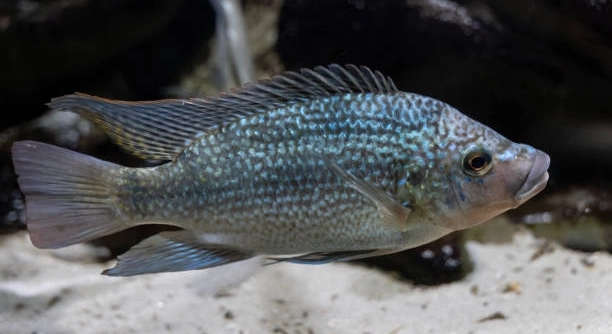
Are your cichlids constantly moving and piling up gravel in their tank? This behavior can catch many fishkeepers off guard. Observing their activity may seem unusual, but it is a natural part of how these fish interact with their environment.
Cichlids pile up gravel primarily to create nesting sites, mark territory, or display natural foraging behaviors. This activity is influenced by species instincts, tank layout, and water conditions, and it often reflects healthy environmental interaction rather than a problem.
Understanding these behaviors can help you manage your tank more effectively. Proper observation and minor adjustments can ensure your cichlids remain healthy and their habitat stays balanced.
Understanding Gravel Piling Behavior
Gravel piling is a common behavior among cichlids, especially during breeding or territorial displays. These fish naturally dig and move substrate to create preferred nesting areas or to establish dominance within their tank. Watching them push and pile gravel can seem chaotic, but it reflects instinctive behaviors. Some species are more active than others, often rearranging large portions of the tank substrate. Environmental factors such as tank size, water temperature, and hiding spots can influence how much your cichlids dig. Even a well-planted tank cannot completely stop this behavior, as it is hardwired. Observing patterns in gravel movement helps you identify breeding activity or territorial disputes. Offering proper tank decorations and separate spaces can reduce stress. This activity can also indicate that your fish are healthy and active. Over time, cichlids may continue to modify their environment, creating small hills or clearings in the gravel.
Gravel piling is generally a sign of natural behavior rather than stress. Monitoring patterns helps maintain balance.
Regular observation allows you to adjust tank setup, providing both stimulation and safety for your cichlids. They respond well to structured environments with varied substrate types.
Managing Gravel and Tank Health
Frequent gravel piling can affect water cleanliness and plant stability if not monitored.
Maintaining tank health requires careful management of substrate and water conditions. Excessive digging can disturb beneficial bacteria, uproot plants, and create cloudiness in the water. Using a thicker layer of gravel or heavier substrate can reduce the impact of constant digging. Arranging rocks and decorations strategically can provide stable areas for your fish to pile gravel without damaging plants or equipment. Regular water testing ensures that shifts in substrate do not affect pH, ammonia, or nitrate levels. Partial water changes and gravel vacuuming help maintain water clarity. Observing your cichlids’ behavior allows you to spot changes in activity, which may indicate stress or illness. Providing multiple hiding spots reduces competition and encourages more controlled digging. Understanding these dynamics ensures both the health of your fish and the stability of the tank ecosystem over time.
Choosing the Right Substrate
The type of substrate in your tank affects how much your cichlids move gravel. Fine sand or small pebbles are easier for them to pile, while heavier gravel limits excessive digging. Choosing the right substrate can reduce mess and support natural behaviors.
Cichlids have strong digging instincts, and the substrate you select plays a key role in their activity. Softer substrates allow them to create small mounds and clearings comfortably, which satisfies their natural instincts without stressing the fish. Heavier gravel or mixed substrates provide resistance, slowing down digging and protecting plants or decorations. Matching the substrate to the species’ needs encourages healthy activity and minimizes excessive disruption in the tank.
For planted tanks, substrate choice also impacts plant stability. Softer substrates may require anchoring plants with rocks or plant weights, while gravel layers help roots stay secure. Using layers of different textures allows your cichlids to engage naturally without uprooting everything. Monitoring their behavior over time helps determine which substrate works best for both the fish and your tank layout.
Providing Proper Hiding Spots
Cichlids pile gravel more when they feel exposed or stressed. Providing caves and hiding spots reduces this behavior.
Hiding spots create territories and safe zones, which help cichlids feel secure. Rocks, ceramic decorations, and dense plants offer protection, letting fish dig less aggressively. Fish will use these areas to rest or establish dominance, lowering stress levels. Proper placement encourages natural interactions and reduces the need to rearrange the entire tank.
Without sufficient hiding spots, cichlids may fight over territory and dig more gravel to mark dominance. Multiple caves and sheltered areas allow fish to coexist peacefully. Observing their use of these spaces can guide adjustments to decorations and layout. Balancing open swimming areas with secure spots ensures a healthy environment where gravel piling does not disrupt the tank ecosystem. Regularly rotating or adding new hiding structures can refresh interest and keep behaviors natural while maintaining tank stability.
Monitoring Water Conditions
Water quality directly affects cichlid behavior, including gravel piling. Poor conditions can stress fish, increasing digging activity. Maintaining stable temperature, pH, and cleanliness reduces unnecessary gravel movement.
Regular testing and partial water changes help keep water safe and clear. Healthy conditions encourage calm behavior and allow cichlids to focus on natural instincts rather than stress-driven digging.
Feeding and Foraging Behavior
Cichlids often dig in gravel while searching for food. Scattering small amounts of food encourages natural foraging without causing excessive substrate disruption. This activity simulates their instincts in the wild and keeps them engaged. Feeding in moderation prevents uneaten food from accumulating and affecting water quality.
Tank Size and Space
Overcrowding increases stress, leading to more gravel piling. A larger tank with sufficient swimming and hiding areas reduces competition and promotes calmer behavior.
FAQ
Why are my cichlids constantly piling gravel?
Cichlids pile gravel as part of natural behaviors. They dig to create nesting areas, mark territory, or search for food. This activity is influenced by species, tank layout, and water conditions. Gravel piling is generally normal and indicates active, healthy fish.
Is gravel piling a sign of stress?
Not always. While stress can increase digging, cichlids also pile gravel when they feel comfortable and are expressing natural instincts. Signs of stress include hiding excessively, loss of appetite, or aggression. Monitoring behavior alongside water quality helps determine if stress is involved.
Can gravel piling harm my plants?
Yes, it can uproot plants if the substrate is loose. Using heavier gravel or anchoring plants can reduce disruption. Creating separate digging areas with rocks or decorations protects delicate plants while still allowing fish to engage naturally.
How do I prevent excessive gravel piling?
Providing hiding spots, stable substrate, and proper tank size helps minimize excessive digging. Multiple caves or rocks give fish secure areas, and thicker gravel adds resistance, making it harder to move large amounts. Observing behavior allows adjustments to decorations and layout.
Does tank size affect gravel piling?
Overcrowding increases digging and territorial behavior. Larger tanks with sufficient swimming space and multiple hiding spots reduce competition. Proper space distribution encourages calmer fish and less aggressive gravel movement.
Should I change the substrate if my cichlids keep piling it?
Choosing the right substrate can help control the behavior. Heavier gravel limits movement, while finer sand encourages digging. Layering substrates or mixing textures provides resistance in some areas while allowing natural activity in others. Monitoring over time helps determine what works best.
Will gravel piling affect water quality?
Yes, digging can stir up debris and create cloudiness. Uneaten food and waste may accumulate if not removed. Regular vacuuming, partial water changes, and testing for pH, ammonia, and nitrate levels help maintain a healthy tank environment despite gravel movement.
Do all cichlid species pile gravel the same way?
No. Some species are more active diggers, especially those that build nests or establish territories. Others may dig minimally. Researching your specific species’ behavior helps predict activity levels and guides tank setup for both the fish and plants.
Can I train my cichlids to stop piling gravel?
Not entirely. Gravel piling is instinctual. However, you can redirect the behavior by providing proper hiding spots, designated digging areas, and varied substrate. Encouraging natural foraging and offering stimulation reduces destructive digging while supporting healthy activity.
How do I know if gravel piling is excessive?
Excessive piling is usually indicated by constant rearrangement, uprooted plants, clouded water, or aggressive interactions over territory. Tracking patterns and comparing behavior to species norms helps determine whether intervention is needed. Adjusting tank conditions can reduce overactivity.
Does feeding method influence gravel piling?
Yes. Scattering small amounts of food encourages controlled foraging. Overfeeding or leaving large quantities of uneaten food can lead to excessive digging as fish search for leftovers, which also impacts water quality. Feeding in measured portions supports natural behavior and keeps the tank cleaner.
Are breeding cichlids more likely to pile gravel?
Yes. During breeding, many species move gravel to prepare nesting sites. This activity is usually more intense than normal and can involve moving large areas of substrate. Recognizing breeding behaviors helps manage tank layout and plant stability during this period.
Can I use decorations to reduce gravel piling?
Strategically placed rocks, caves, and driftwood can guide digging behavior. They provide secure spots and break up open substrate areas. Using these structures prevents complete disruption of the tank while supporting natural territorial and nesting instincts.
How often should I monitor gravel piling behavior?
Daily observation is ideal. Noting changes in activity patterns, plant condition, and water clarity helps identify issues early. Consistent monitoring allows timely adjustments to substrate, hiding spots, and tank maintenance to ensure a healthy environment for your cichlids.
Will gravel piling ever stop completely?
No. Gravel piling is instinctual. You can manage it with substrate choice, hiding spots, and proper tank conditions, but cichlids will always engage in some digging as part of their natural behavior.
Can gravel piling be beneficial?
Yes. It encourages natural foraging, breeding preparation, and environmental exploration. Allowing controlled gravel movement supports mental stimulation and physical activity, contributing to healthier and more active cichlids.
How can I balance plant health with gravel piling?
Using heavier gravel, anchored plants, or separate digging areas protects vegetation. Dense plants or pots can shield roots, while fish continue to express natural digging behaviors in open areas without damaging the tank’s ecosystem.
Does water flow influence gravel piling?
Strong currents can discourage digging in certain areas, while calm zones encourage activity. Positioning filters and decorations to create varied flow helps guide where cichlids pile gravel, keeping other areas undisturbed.
Are juvenile cichlids less likely to pile gravel?
Juveniles dig less than adults, but activity increases as they mature. Monitoring their development and adjusting substrate or decorations ensures that both young and adult fish can engage in natural behaviors safely.
How do I make gravel piling less destructive?
Provide designated digging areas, heavier substrate, and multiple hiding spots. Regular tank maintenance and monitoring prevent buildup of debris or damage to plants while allowing fish to maintain instinctual behavior naturally.
Final Thoughts
Gravel piling is a natural and instinctual behavior for cichlids. It reflects their desire to explore, forage, and create territories within the tank. While it may seem disruptive at times, it is usually a sign that your fish are healthy and actively engaging with their environment. Watching them move gravel, create small mounds, or dig around plants can provide insight into their natural instincts and daily activities. Understanding that this behavior is normal helps reduce unnecessary concern and allows you to focus on maintaining a balanced tank. By observing patterns and noting which areas are most affected, you can adjust decorations, substrate, and hiding spots to guide their activity in a controlled way.
Maintaining proper tank conditions is essential to supporting both the cichlids and the overall environment. Clean water, stable temperature, and appropriate pH levels reduce stress, which in turn moderates excessive gravel piling. Choosing the right substrate also plays a significant role. Softer sand or fine gravel allows natural digging, while heavier gravel provides resistance and protects plants or decorations. Strategic placement of hiding spots, caves, and rocks gives cichlids secure areas to rest or establish territories. This combination of environmental adjustments ensures that gravel piling does not damage the tank while still allowing fish to engage in their natural behaviors. Monitoring their activity regularly helps identify any changes that may indicate stress or health concerns, allowing timely intervention.
Balancing the tank setup with your cichlids’ instincts creates a more stable and harmonious environment. Providing adequate space, hiding spots, and feeding strategies helps reduce excessive digging while encouraging natural activity. Recognizing that gravel piling is a part of their normal behavior allows you to manage the tank without trying to eliminate it completely. With the right adjustments, your cichlids can display natural behaviors safely, your plants and decorations remain intact, and water quality stays consistent. Paying attention to their needs and making small changes over time creates a healthy environment where both the fish and the tank thrive. Gravel piling, when understood and managed properly, enhances the interaction between your cichlids and their habitat, making their tank a more engaging and dynamic space for observation and care.

Hello,
If you enjoy the content that we create, please consider saying a "Thank You!" by leaving a tip.
Every little bit helps us continue crafting quality advice that supports the health, happiness, and well-being of pets around the world, for pets of all shapes, sizes, and species.
We really appreciate the kindness and support that you show us!