
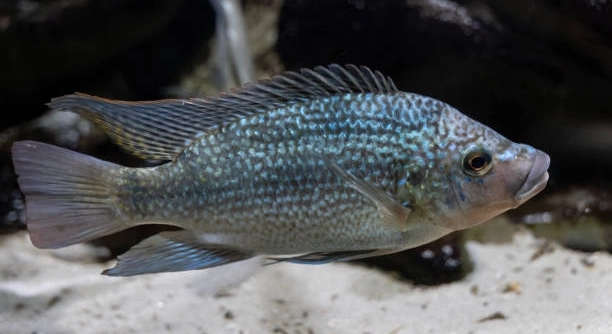
Are your cichlids constantly chasing bubbles across the tank? Many aquarium owners notice this behavior and find it both amusing and puzzling. These small, colorful fish seem fascinated by the floating spheres in their environment.
Cichlids are naturally attracted to bubbles due to instinctive behaviors related to feeding, exploration, and environmental interaction. Bubbles stimulate their curiosity, provide sensory enrichment, and mimic natural water currents that encourage activity and territorial displays.
Observing this behavior can reveal interesting insights into your cichlids’ daily routines and preferences within the aquarium environment. It highlights their playful and attentive nature in subtle ways.
Why Cichlids Are Drawn to Bubbles
Bubbles in an aquarium are more than decoration. For cichlids, they serve as a source of stimulation and interaction. These fish naturally investigate changes in their environment, and bubbles catch their attention immediately. The rising movement, reflections, and occasional pops mimic elements found in rivers and lakes where they originate. Many cichlids push, nibble, or swim through bubbles to explore their surroundings, which keeps them active. This activity also provides a mild form of exercise, helping maintain their strength and coordination. Additionally, some cichlids interpret bubbles as potential food or territory markers, prompting them to investigate further. Their reaction varies depending on species, age, and tank conditions, but most show consistent interest. A tank with regular aeration or bubble streams often encourages this behavior more than still water. Observing their interaction can be enjoyable and helps understand their habits and preferences more clearly.
Bubbles stimulate cichlids’ senses and promote healthy activity, keeping them engaged within their tank environment naturally and safely.
Regularly adding bubble streams can prevent boredom, support physical health, and allow cichlids to display natural behaviors, benefiting their overall well-being in a contained habitat.
How Bubble Behavior Affects Tank Dynamics
Cichlid interaction with bubbles influences both tank activity and environment structure.
The constant movement created by bubbles can change how cichlids navigate their tank. They may chase streams, explore corners, or even rearrange small decorations as they investigate the source. This behavior can lead to more active swimming patterns, which improves circulation and reduces stress. Tanks without bubbles often see less energetic fish, as their environment provides minimal stimulation. Observing these interactions also offers insights into social hierarchies and individual temperaments within the group. Over time, bubble behavior can impact feeding times and resting spots, as fish adapt to moving currents. Adjusting bubble size and placement can optimize activity without overwhelming the tank. Maintaining balance ensures all cichlids can engage safely and reduces conflicts. Understanding these dynamics is key to designing a stimulating environment that encourages both health and natural behavior patterns.
Tank layout, decoration placement, and bubble flow all influence how cichlids interact, helping maintain a lively and balanced aquarium.
By monitoring their reactions, you can fine-tune aeration, bubble strength, and placement to maximize engagement, prevent territorial disputes, and promote healthy swimming. Proper observation allows you to support both physical activity and mental stimulation, ensuring cichlids thrive while respecting natural instincts and social structures. The effect of bubbles extends beyond simple curiosity, shaping the daily patterns, energy levels, and overall satisfaction of your aquatic pets, making your tank an environment that closely reflects their natural habits and encourages positive behaviors.
Common Bubble-Related Behaviors
Cichlids often chase, nibble, or hover near bubbles. Some may push bubbles around with their mouths or fins. These behaviors are usually harmless and indicate curiosity, playfulness, or attempts to interact with their environment naturally.
Chasing bubbles can help cichlids stay active, especially in smaller tanks. Their movements mimic natural foraging and hunting behaviors, encouraging them to swim, turn, and explore corners they might otherwise ignore. Nibbling or bumping bubbles is part of their sensory engagement, helping them learn about objects and changes in their environment. Over time, these behaviors can reduce stress, support coordination, and maintain muscle tone. Some fish even use bubbles as temporary markers or signals to others, showing social awareness within the tank. Consistent observation allows you to understand each fish’s personality and habits, which can guide tank setup and enrichment decisions.
Monitoring bubble-related behaviors can reveal interactions, stress levels, and preferences among cichlids. Adjusting aeration and bubble placement enhances stimulation while ensuring a balanced environment for all fish. Regular engagement through bubbles can maintain energy levels, encourage natural routines, and minimize aggressive or restless behavior, contributing to a healthier and more harmonious aquarium setup.
Adjusting Tank Conditions for Bubble Interaction
Proper aeration affects cichlid activity and comfort. Bubbles should not create excessive current or turbulence, which can stress fish. Placement matters.
Smaller streams of bubbles work best for gentle stimulation, allowing cichlids to engage without struggling. Strong currents may tire fish or disrupt resting areas, so balancing flow is essential. Temperature, water quality, and tank size also influence how fish respond to bubbles. Observing interactions can show which locations attract the most engagement and which areas need adjustment. Decorations, plants, and hiding spots help fish interact safely with bubbles while maintaining shelter. Adjusting bubble size and placement gradually ensures fish remain curious, active, and comfortable. Well-placed aeration encourages natural behaviors while minimizing potential stress, improving overall tank dynamics. Proper attention to these factors supports both the physical health and mental enrichment of your cichlids.
Bubble Placement Tips
Bubbles should be placed where cichlids can reach them easily without causing strong currents. Corners and open spaces work well. Observing fish reactions helps identify their preferred areas for interaction.
Avoid placing bubbles near fragile decorations or plants. This prevents damage while still encouraging natural play and exploration.
Impact of Bubble Size
Smaller bubbles are easier for cichlids to investigate and chase. They provide gentle stimulation without creating stress or turbulence in the tank. Consistent bubble size encourages predictable interaction and helps fish remain active.
Timing Bubble Streams
Limiting bubble streams to certain periods can mimic natural conditions. Intermittent bubbles keep cichlids engaged while allowing calm periods for rest and feeding.
FAQ
Why do my cichlids chase bubbles all the time?
Cichlids chase bubbles because they are naturally curious and responsive to movement in their environment. Bubbles mimic natural water activity, triggering instinctive behaviors like exploring, foraging, or testing objects. Chasing them keeps the fish active, provides sensory stimulation, and helps maintain their muscle tone, coordination, and overall health.
Is it harmful for cichlids to play with bubbles?
For the most part, interacting with bubbles is harmless. Small, gentle bubbles provide stimulation without stressing the fish. Problems only arise if currents are too strong, bubbles are too large, or decorations are unstable. Observing your cichlids ensures their play remains safe and enjoyable.
Do all cichlid species behave the same around bubbles?
No, different species respond differently. Some are highly playful and chase bubbles constantly, while others are more cautious and only investigate occasionally. Factors like age, size, and tank environment also influence behavior. Species that are territorial may use bubbles to mark areas or assert dominance.
Can bubbles improve my cichlids’ health?
Yes, bubbles encourage swimming and exploration, which keeps fish physically active and mentally engaged. Active fish have better circulation, stronger muscles, and lower stress levels. Bubble interaction can also prevent boredom in smaller tanks, reducing aggressive or restless behavior. Proper bubble placement contributes to overall well-being.
How should I position bubble streams in the tank?
Place bubbles where cichlids can reach them without encountering strong currents. Open spaces and corners work best. Avoid directing streams at fragile plants or decorations. Observing fish preferences helps adjust placement, ensuring consistent engagement without disrupting resting or feeding areas.
What bubble size is best for cichlids?
Smaller bubbles are ideal because they are easy to chase and create gentle stimulation. Large bubbles can stress fish or disrupt their swimming patterns. Consistency in size helps fish interact predictably and safely, while providing enrichment that encourages natural behaviors.
Should I run bubbles all the time?
Continuous bubbles are not necessary. Intermittent streams mimic natural water conditions and maintain engagement. Limiting aeration to certain periods allows fish to rest, feed, and settle, while still offering stimulation when bubbles are active. Timing also reduces potential stress from constant water movement.
How can I tell if bubbles are stressing my cichlids?
Signs of stress include frantic swimming, hiding constantly, or avoiding the bubbles entirely. Aggression or chasing other fish excessively may also indicate discomfort. Adjusting bubble flow, size, or placement usually resolves these issues and keeps interactions positive.
Can bubbles affect social behavior in cichlids?
Yes, bubbles can influence interactions between fish. Playful cichlids may chase or compete around bubble streams, revealing social hierarchies. Territorial species may use bubbles as markers, while shy fish might observe from a distance. Proper bubble management ensures balanced social dynamics and reduces conflict.
Do bubbles replace other forms of enrichment?
Bubbles are one form of environmental enrichment. They encourage activity, but cichlids also benefit from hiding spots, plants, and varied tank decorations. Combining multiple forms of stimulation creates a well-rounded environment that promotes physical health, mental engagement, and natural behavior patterns.
How often should I monitor my cichlids’ bubble behavior?
Regular observation is key. Watching interactions daily helps detect changes in activity, stress, or health. Adjust bubble placement, size, and timing based on behavior. Continuous monitoring ensures the tank remains safe, stimulating, and aligned with each fish’s needs.
Can bubbles influence feeding habits?
Indirectly, yes. Bubbles encourage swimming and activity, which can improve appetite and digestion. Fish may explore the tank more actively before feeding, simulating natural foraging behavior. Ensuring bubbles don’t disrupt feeding areas supports balanced nutrition and proper eating routines.
What equipment works best for creating bubbles?
Air pumps, diffusers, and small airstones provide reliable, controllable bubbles. Adjustable flow allows you to manage current strength and bubble size. Positioning equipment strategically avoids stress while maximizing engagement. Regular maintenance prevents clogging or inconsistent flow, keeping interactions safe and enjoyable.
Are there risks if I overuse bubbles?
Yes, excessive bubbles or strong currents can tire fish, cause stress, and disturb resting areas. Fragile decorations may shift, and shy fish may hide more often. Moderate use with careful observation prevents negative effects while maintaining enrichment and healthy activity levels.
Can bubble behavior indicate a fish’s mood?
Partially. Active and playful chasing often shows curiosity or comfort, while avoidance or frantic swimming can indicate stress, illness, or environmental issues. Observing patterns over time gives insight into individual temperaments and overall well-being, allowing adjustments to improve tank conditions.
Do cichlids eventually lose interest in bubbles?
Some fish may become less responsive over time if bubbles are constant or predictable. Changing placement, size, or timing can renew engagement. Rotation and variety in stimulation help maintain curiosity, ensuring bubbles remain a fun and enriching element of the tank.
How do I balance bubble stimulation with tank stability?
Ensure currents are gentle and decorations remain stable. Combine bubble streams with hiding spots and calm areas. Monitor fish reactions regularly, adjusting as needed. Balancing stimulation prevents stress while promoting activity, natural behavior, and a harmonious tank environment.
Are there seasonal or age-related changes in bubble interaction?
Yes, younger cichlids tend to be more playful and curious, chasing bubbles frequently. Older fish may be less active or more cautious. Seasonal changes in temperature or tank conditions can also influence activity levels, so adjusting bubbles accordingly helps maintain engagement safely.
Can bubbles help reduce aggressive behavior?
Bubbles provide distraction and activity, which can reduce boredom-related aggression. Active engagement encourages exercise and exploration, allowing territorial displays to occur around natural stimuli instead of directed at other fish. Strategic placement ensures balanced interactions while minimizing conflict.
Do different tank sizes require different bubble setups?
Yes, larger tanks may need multiple bubble sources to provide equal stimulation across the space. Smaller tanks benefit from gentle streams in central or accessible areas. Adjusting size, flow, and placement ensures all fish can engage without overwhelming the environment.
How long should bubble sessions last?
Sessions of a few hours spread throughout the day are usually sufficient. Intermittent activity mimics natural water conditions and maintains curiosity. Overly long sessions can create fatigue or stress, while brief, controlled periods provide mental and physical enrichment.
Can bubbles interact with water quality?
Bubbles increase oxygenation and circulation, which benefits water quality and fish health. Proper aeration can help prevent stagnant areas and improve overall tank conditions. Regular maintenance ensures bubbles enhance, rather than disrupt, water stability and cleanliness.
Is there a way to make bubbles more engaging?
Yes, varying flow strength, location, and size can renew interest. Combining bubbles with floating objects, plants, or decorations encourages exploration. Regular adjustments keep interactions stimulating, supporting mental engagement and natural behaviors.
Do cichlids ever create their own bubbles?
Some species may produce small bubbles while feeding or during territorial displays, but this is uncommon. Most bubble activity comes from aeration equipment. Observing self-generated bubbles can indicate health or specific behaviors but is generally minor compared to interaction with tank aeration.
How can I safely introduce bubbles to a new tank?
Start with gentle, small streams and monitor fish reactions closely. Gradually increase bubble flow as fish adjust. Ensure decorations are secure and hiding spots are available. Slow introduction prevents stress and encourages natural exploration while maintaining comfort in the new environment.
What signs show cichlids enjoy bubble interaction?
Playful chasing, nibbling, and repeated engagement indicate enjoyment. Calm exploration around bubbles, swimming through streams, or gentle pushing are positive signs. Avoidance or frantic swimming may indicate stress, requiring adjustment of flow, placement, or bubble size to maintain a positive experience.
Can bubbles help during breeding or spawning?
Bubbles can create mild currents similar to natural habitats, which some species find encouraging during spawning. They may help disperse eggs or stimulate activity. Careful placement ensures currents do not disturb eggs or fry, providing support without creating stress.
Are there alternatives to bubbles for stimulation?
Yes, hiding spots, plants, floating decorations, and varied feeding methods provide enrichment. Bubbles complement, rather than replace, these forms of stimulation. Combining multiple elements creates a balanced environment, supporting mental and physical health for all cichlids.
How do I know if bubble equipment is working properly?
Check that bubbles are consistent in size and flow, equipment is free from blockages, and no strong currents are created unintentionally. Regular maintenance prevents uneven aeration and ensures fish remain engaged safely and comfortably.
Can bubbles affect tank temperature?
Indirectly, bubbles slightly increase water circulation, which can help maintain even temperature distribution. They do not heat or cool water significantly but ensure consistent conditions across the tank, which benefits fish comfort and reduces stress from uneven areas.
Do cichlids ever ignore bubbles completely?
Yes, some species or individual fish may show little interest. Personality, age, health, and tank conditions all influence engagement. Adjusting placement, size, or timing can encourage interaction, but respecting fish preference is important to prevent stress or forced activity.
How often should I clean bubble equipment?
Cleaning weekly or biweekly prevents clogs, uneven flow, and buildup that could disrupt aeration. Maintaining equipment ensures bubbles remain safe, consistent, and stimulating without harming fish or affecting water quality.
Can bubbles help acclimate new cichlids?
Gentle bubble activity can encourage exploration in new fish, helping them adjust to their environment. Careful placement allows fish to investigate safely, supporting comfort, reducing stress, and promoting healthy adaptation to the tank.
Do bubbles interfere with other tank equipment?
Properly placed bubbles rarely interfere with heaters, filters, or decorations. Avoid directing streams at fragile items or sensitive areas. Ensuring adequate spacing maintains safety and tank function while providing stimulation for cichlids.
What adjustments should I make for very small or very large tanks?
Smaller tanks need minimal flow to prevent stress, while larger tanks benefit from multiple bubble sources for even stimulation. Adjust bubble size, placement, and flow according to tank dimensions and fish preferences for safe, consistent enrichment.
Can bubble behavior indicate illness?
Changes in activity, avoidance, or frantic swimming may signal health issues. Consistent monitoring allows early detection of illness, stress, or environmental problems. Adjusting bubbles alone is not a treatment but can help identify concerns for further care.
Are there risks if bubbles pop near the water surface?
Normal popping is harmless. Rapid or large bubbles may startle some fish temporarily. Observing reactions helps ensure interactions remain safe, and adjusting aeration prevents undue stress or disturbance of resting areas.
Do cichlids ever fight over bubbles?
Territorial or aggressive individuals may compete around bubble streams, using them as focal points for displays. Providing multiple bubble sources and enough space reduces conflicts while maintaining engagement and natural behaviors.
How long does it take for cichlids to get used to bubbles?
Most fish adapt within a few days to a week. Gradual introduction and observation allow them to explore comfortably. Patience ensures positive interaction and prevents stress from sudden, strong currents or large bubble streams.
Are bubbles more beneficial in planted or decorated tanks?
Both benefit differently. Planted tanks allow safe exploration among vegetation, while decorated tanks encourage interaction with structures and hiding spots. Strategic placement ensures stimulation without disturbing fragile areas. Combining bubbles with either environment enhances enrichment and activity.
Can I use colored lighting to make bubbles more engaging?
Colored lighting can highlight bubbles, making them more visible and stimulating. Gentle use encourages exploration without overwhelming fish. Avoid bright or flashing lights, as they may cause stress instead of engagement.
Should I adjust bubble behavior during feeding times?
Yes, reducing or pausing bubbles during feeding prevents disruption. Fish can focus on eating, reducing stress or competition. After feeding, resuming gentle bubbles encourages activity and exploration naturally.
How do I balance multiple forms of enrichment with bubbles?
Alternate between bubbles, hiding spots, and decorations to prevent overstimulation. Observe fish reactions to determine preferences. Balanced enrichment promotes physical activity, mental stimulation, and natural behaviors while maintaining calm periods.
Can bubbles encourage breeding behavior?
Mild currents from bubbles can simulate natural habitats, sometimes encouraging spawning. Proper placement and gentle flow help fish feel secure, promoting natural reproductive behavior without creating stress or disturbance.
What maintenance is required for bubble stones and diffusers?
Rinse weekly to remove buildup, ensure even airflow, and check for cracks or damage. Consistent maintenance prevents uneven bubbles, maintains safety, and ensures ongoing engagement for cichlids.
Do bubbles affect oxygen levels significantly?
Yes, bubbles improve aeration, increasing dissolved oxygen in the tank. This benefits all fish, supports metabolism, and improves overall tank health. Proper placement maximizes efficiency without stressing the fish.
How can I tell which fish prefer bubbles?
Observe which fish interact most with streams. Playful chasing, nibbling, or repeated engagement shows preference. Some may ignore bubbles completely, indicating different temperaments, age, or comfort levels.
Is it normal for fish to push bubbles around?
Yes, pushing or nudging bubbles is typical exploratory behavior. Fish test the environment, interact socially, or satisfy curiosity. This activity is healthy and provides mental stimulation.
Do bubbles help reduce tank algae or debris?
Indirectly, bubbles improve circulation, which can prevent stagnant areas where algae or debris accumulate. They do not replace proper cleaning, but enhance water movement and distribution of oxygen.
Can cichlids get bored of the same bubble setup?
Yes, predictable patterns may reduce engagement over time. Changing bubble location, flow, or size renews interest and keeps fish active, supporting mental stimulation and natural behaviors.
What is the ideal number of bubble sources per tank?
Depends on tank size and fish number. Small tanks often need one source, while larger tanks benefit from multiple, spaced sources to ensure all fish can interact safely without overcrowding or stress.
How do I ensure shy fish also enjoy bubbles?
Provide hiding spots near bubble streams and avoid strong currents. Shy fish may gradually explore at their own pace. Patience allows them to benefit from enrichment without stress or forced interaction.
Are bubbles more effective during certain times of day?
Morning and afternoon often see higher activity levels. Intermittent sessions timed to coincide with active periods encourage natural engagement while allowing rest at night or during feeding.
Can bubble interaction indicate learning or problem-solving?
Yes, repeated engagement shows fish are exploring, testing, and adapting to currents. Nibbling, chasing, and pushing bubbles reflect curiosity and cognitive activity, demonstrating environmental awareness and learning capacity.
Do bubbles affect territorial behavior?
They can highlight territories or focal points for displays. Proper placement reduces conflict by providing multiple engaging areas. Observing reactions helps manage interactions and maintain a peaceful tank environment.
How do I combine bubbles with water plants?
Place bubbles where fish can swim among plants safely. Gentle streams avoid uprooting vegetation while encouraging exploration. This combination creates a dynamic, enriched habitat that supports activity and natural behavior.
Should I change bubble equipment regularly?
Not frequently if maintained well, but occasional replacement ensures consistent airflow, prevents wear, and maintains safe, stimulating interaction for cichlids. Regular checks keep equipment functioning optimally.
Do bubbles improve overall tank aesthetics?
Yes, bubbles add movement, light reflection, and visual interest. While primarily functional for fish enrichment, they also enhance the tank’s appearance, making it livelier and more natural-looking.
Can bubbles cause overexcitement in fish?
Excessive bubbles or strong currents may overstimulate cichlids, leading to fatigue or aggression. Controlled placement and intermittent use prevent overexcitement while maintaining enrichment.
Are bubbles useful for monitoring fish health?
Yes, changes in interaction patterns can indicate stress, illness, or environmental issues. Observing bubble behavior helps track activity, engagement, and overall well-being.
Do cichlids interact differently with air stones versus diffusers?
Softer diffusers create gentle bubbles, ideal for small or shy fish. Air stones may produce larger streams suitable for active or larger species. Observation helps select the best method for each tank and group.
Can bubble interaction replace exercise for cichlids?
Partially, bubbles encourage activity, but swimming freely, exploring decorations, and interacting with other enrichment items provide more complete physical exercise and stimulation.
How do I prevent bubbles from disturbing eggs or fry?
Use gentle streams, avoid direct flow on nests, and provide shelters. Careful placement ensures young fish remain safe while allowing adults to interact naturally with bubbles.
Can bubble behavior help with tank acclimation?
Yes, gradual introduction encourages exploration and reduces stress in new environments. Gentle aeration allows fish to adjust while staying active and curious.
Do bubbles affect water clarity?
Not directly, but improved circulation helps distribute particles and prevent stagnant zones. Combined with proper filtration, bubbles contribute to a cleaner, healthier tank environment.
Are there signs that bubble activity is too high?
Fish avoiding streams, frantic swimming, hiding excessively, or showing aggression may indicate overuse. Reducing flow, size, or duration restores comfort and engagement.
Can bubbles help cichlids recognize territory boundaries?
Yes, bubbles can act as focal points, guiding movement and marking areas. This can reduce conflict when carefully managed and strategically placed.
How do I maintain consistent bubble patterns?
Regularly check pumps, diffusers, and stones for clogs or wear. Adjust flow rates and placement to keep streams stable and predictable for fish engagement.
Do bubbles impact filter efficiency?
Indirectly, bubbles improve water circulation, helping filters distribute cleaned water evenly. Proper placement avoids interference with intake or outflow while enhancing overall tank function.
Can bubbles help reduce boredom in community tanks?
Yes, multiple fish can interact simultaneously, promoting activity and exploration. Bubble placement should consider space, social behavior, and flow strength to maintain harmony and prevent stress.
How do I adjust bubble interaction for mixed-species tanks?
Observe species preferences, swimming styles, and social behaviors. Adjust flow, size, and placement to suit all fish, ensuring safe, engaging interaction without over-stimulating or stressing specific individuals.
Are there any seasonal adjustments for bubble use?
Warmer months may increase activity, allowing longer or more frequent sessions. Cooler months may require gentler flows or shorter periods. Monitoring fish behavior guides seasonal adjustments safely.
Do bubbles help reduce algae growth on surfaces?
Indirectly, by improving circulation and oxygenation. Water movement prevents stagnant areas where algae accumulate but does not replace regular cleaning or maintenance.
Can bubble behavior indicate environmental issues?
Yes, sudden changes in engagement, avoidance, or frantic movement may signal water quality issues, temperature shifts, or illness. Observing patterns helps detect problems early.
Do cichlids interact differently with vertical versus horizontal bubble streams?
Vertical streams encourage upward chasing and exploration, while horizontal flows promote
Cichlids’ fascination with bubbles is a natural part of their behavior and environment interaction. Observing them chase, nibble, or hover near bubbles can provide insight into their instincts and daily activity. Bubbles simulate elements found in natural habitats, such as currents, water movement, and reflections, which trigger curiosity and exploration. These behaviors are not only entertaining to watch but also serve important functions in their physical and mental health. Regular engagement with bubbles encourages swimming, strengthens muscles, and keeps fish alert, contributing to their overall well-being. Different cichlid species respond differently, so paying attention to individual habits can help tailor the tank environment to suit all fish. Understanding these behaviors allows for better tank management, making it easier to create a stimulating and comfortable space.
Proper placement, size, and timing of bubbles are crucial for maintaining a balanced aquarium. Small, gentle bubbles placed in accessible areas are ideal for encouraging interaction without creating strong currents that could stress or tire the fish. Observing how cichlids respond to various bubble setups helps determine the most effective arrangement for each tank. Intermittent aeration can mimic natural water conditions, allowing periods of activity followed by calm for feeding and resting. Bubble interaction also influences social behavior, as territorial or playful fish may use streams for displays or exploration. Combining bubbles with other forms of enrichment, such as plants, hiding spots, and decorations, provides a well-rounded environment that promotes natural behaviors and reduces boredom or aggression. Maintaining equipment properly, including pumps, diffusers, and air stones, ensures consistent bubble flow and prevents disruptions that could affect fish comfort.
Monitoring bubble behavior over time is important for both the health and happiness of cichlids. Changes in interaction patterns, such as avoidance, frantic chasing, or excessive aggression, can indicate stress, illness, or environmental issues that need attention. By adjusting bubble size, placement, and flow, these issues can often be mitigated while still providing enrichment. Observing and responding to fish preferences helps create a tank environment that supports natural instincts, encourages exploration, and maintains physical activity. Bubbles offer more than visual appeal; they are a functional tool for enhancing the tank environment, supporting healthy behaviors, and improving overall tank dynamics. Paying attention to these details allows for a harmonious and engaging habitat that meets the needs of all cichlids in the aquarium.

Hello,
If you enjoy the content that we create, please consider saying a "Thank You!" by leaving a tip.
Every little bit helps us continue crafting quality advice that supports the health, happiness, and well-being of pets around the world, for pets of all shapes, sizes, and species.
We really appreciate the kindness and support that you show us!