
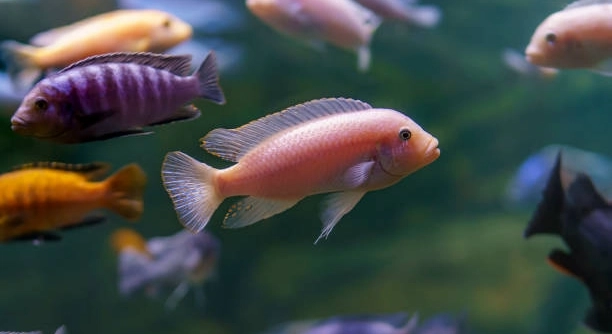
Have you ever noticed your cichlids spending a lot of time on the tank glass, arranging and cleaning spots with care? Their behavior can be both fascinating and puzzling, especially for new fish keepers observing it closely.
Cichlids often build nests on tank glass because it provides a smooth, stable surface that mimics natural spawning sites. This behavior is influenced by breeding instincts, water conditions, and territorial tendencies that encourage glass selection.
Learning why they choose glass can help you support their breeding and overall well-being in the tank environment. Observing these behaviors closely can improve your understanding of their needs and habits.
Why Cichlids Prefer Glass Surfaces
Cichlids often choose glass for nesting because it is flat, smooth, and easy to clean, which makes it ideal for laying eggs. The transparency allows them to see threats and monitor their territory. Many species feel more secure when they can clearly view their surroundings. Glass also stays at a consistent temperature, which helps eggs develop evenly. In addition, the smooth surface makes it simpler for the parents to remove debris or algae near the nest. Some cichlids are highly territorial, and glass provides a clearly defined boundary they can defend. Even subtle vibrations in the tank or movements outside can influence where they place their nest. Observing them closely reveals that nest building on glass is a deliberate, instinct-driven behavior that supports reproduction. Tank setup, decorations, and water flow all affect how often they use glass. Over time, owners notice certain patterns that reflect the fish’s natural spawning instincts and preferences.
Glass nesting behavior can indicate healthy reproductive instincts and active territory management.
Many cichlids create shallow depressions or clear algae on the glass before laying eggs. This careful preparation ensures a safe environment for their offspring. Parents often guard these sites aggressively, showing their instinct to protect future generations.
Supporting Glass Nesting in Your Tank
Maintaining clean, stable water conditions encourages cichlids to continue nesting on glass. Proper filtration and consistent temperature are key factors.
To support glass nesting, provide a tank setup that balances open space and shelter. Avoid overcrowding, and monitor water parameters closely. Some cichlids benefit from slightly softer surfaces nearby, but most will still prefer glass for egg-laying. Ensure lighting is moderate, as overly bright lights can stress breeding pairs, while dim areas encourage comfort. Feeding a diet rich in protein supports reproductive health, increasing the likelihood of successful spawning. Remove aggressive tankmates during nesting periods to reduce stress and allow parents to focus on caring for eggs. Even minor changes, like adding new decorations or cleaning algae near the nest, can influence behavior, so make adjustments gradually. By observing their patterns and providing consistent care, owners can encourage natural breeding behavior. Attention to detail in tank setup, diet, and water quality ensures cichlids feel secure enough to choose glass as their primary nesting site, promoting healthier offspring and reducing stress for the adults.
Common Signs of Glass Nesting
Cichlids cleaning glass constantly, creating shallow pits, and aggressively guarding a specific area are clear signs of nesting. Eggs may appear as small, sticky clusters directly on the glass, often near the bottom or sides of the tank.
Parents may fan the eggs with their fins to provide oxygen while chasing away intruders. You might notice increased territorial behavior, including chasing other fish or blocking access to the nest. Mating pairs often take turns guarding, with one parent staying close to the eggs and the other patrolling the tank. Changes in diet or water conditions can sometimes trigger more frequent nesting attempts. Observing these behaviors carefully allows you to identify when a pair is actively preparing for reproduction.
Understanding these signs helps you anticipate breeding activity and minimize stress for both parents and fry. Monitoring tank conditions, removing threats, and keeping water quality high supports healthy egg development and encourages natural parental care.
How to Protect Glass Nests
Positioning decorations or plants near glass nests can reduce stress without blocking visibility. Avoid sudden movements around the tank.
It’s important to maintain stable water parameters to prevent parents from abandoning the nest. Fluctuations in temperature, pH, or hardness can discourage spawning or damage eggs. If tankmates are overly aggressive, consider temporary separation to protect eggs. Feeding high-quality, protein-rich food supports reproductive energy and overall health, ensuring the parents are strong and attentive. Gentle cleaning routines are essential, avoiding scraping near the nest. Monitoring for fungus or bacterial growth on eggs can prevent loss. Providing a calm, stable environment ensures that cichlids focus on nurturing eggs rather than responding to disturbances. These small adjustments often result in higher survival rates for the fry and more consistent nesting behavior over time.
Why Some Cichlids Avoid Other Surfaces
Some cichlids ignore rocks or decorations because these surfaces can feel unstable or uneven. Smooth glass provides a consistent area for laying eggs and keeping them safe from shifting objects or accidental disturbance.
Rough or porous surfaces may collect debris, making egg care more difficult. Cichlids prefer surfaces they can clean quickly and maintain easily, which helps ensure successful hatching.
Adjusting Your Tank Setup
Adding flat stones or acrylic panels can give alternative nesting sites, but glass often remains preferred. Placement near gentle water flow and open areas encourages natural behavior. Adjusting light intensity and reducing crowding also supports breeding pairs in using glass effectively.
Common Mistakes to Avoid
Frequent tank rearrangements, sudden water changes, or overhandling eggs can stress parents and disrupt nesting. Keep conditions calm to maintain successful breeding behavior.
FAQ
Why are my cichlids cleaning the glass so often?
Cichlids clean glass to prepare it for nesting. The smooth surface allows them to remove debris and algae easily. This behavior ensures eggs are laid in a safe, clean spot and reduces the risk of fungus or bacterial growth.
Is it normal for them to chase other fish near the glass?
Yes, this is normal. Cichlids are territorial, especially when guarding eggs. Chasing other fish is a way to protect the nest. Aggression usually decreases once eggs hatch or the fry become mobile. Observing their behavior helps you determine if the aggression is temporary.
Can I move the eggs if they are on the glass?
It’s not recommended. Eggs on glass are delicate, and parents often reject or eat them if disturbed. The glass provides stability and visibility that the cichlids prefer. If the tank conditions are stable, it’s best to leave eggs undisturbed.
Why do they sometimes abandon glass nests?
Abandonment often occurs due to stress, poor water quality, or aggressive tankmates. Changes in temperature, pH, or ammonia spikes can trigger this behavior. Ensuring consistent conditions and a calm environment reduces the risk of abandonment.
Do all cichlid species nest on glass?
No, not all species prefer glass. Many South American and African cichlids favor rocks or sandy substrates. Glass nesting is more common among species that value flat, visible, and stable surfaces for egg-laying. Observing your species’ natural habits helps guide tank setup.
Should I remove other fish while they are nesting?
It can help reduce stress. Other tankmates may harass the parents or disturb eggs. Temporarily separating aggressive or overly curious fish increases the chances of successful hatching without altering the tank’s overall balance.
Does the size of the tank affect glass nesting?
Yes, tank size influences behavior. Smaller tanks may make parents more territorial, while larger tanks offer multiple nesting options. Providing enough space helps reduce stress and prevents conflicts with other fish.
How can I encourage them to use glass for nesting?
Provide clean, flat glass areas near moderate water flow and open spaces. Consistent water conditions, proper diet, and minimal disturbances encourage natural spawning behavior. Avoid frequent rearrangements or harsh lighting that may make them feel unsafe.
Can I tell when eggs will hatch?
Eggs on glass usually hatch in 3–7 days, depending on species and temperature. Parents often fan the eggs continuously, which helps oxygenate them and signals active care. Observing movement or changes in egg color can indicate development progress.
What do I do after the fry hatch?
Once fry hatch, parents often continue guarding and fanning them. Keep water clean, avoid sudden changes, and monitor for aggression from other tankmates. Gradually provide finely crushed food suitable for fry, ensuring they receive proper nutrition while remaining protected by the parents.
Can glass nests be cleaned?
Cleaning should be very gentle, if at all. Avoid scraping near eggs, as this can damage or dislodge them. If algae buildup becomes a concern, wait until the eggs hatch before carefully cleaning the surface.
Why are some eggs infertile on glass?
Infertile eggs are natural and occur due to mating issues or stress. Parents may remove or eat these eggs. Consistent water quality, nutrition, and minimizing disturbances help maximize the number of viable eggs.
Is it okay to add decorations over glass nests?
Avoid placing items directly over nests. Covering eggs can reduce oxygen flow and stress the parents. Instead, place decorations around the nest to provide visual barriers or reduce disturbances while leaving the flat glass area clear.
Do parents always guard eggs on glass?
Most cichlids remain attentive to eggs laid on glass, fanning and defending them. Guarding intensity varies by species and individual temperament. Some may switch duties between parents, while others stay near the eggs continuously until hatching occurs.
Can temperature changes affect glass nesting?
Yes, small shifts in temperature can disrupt spawning behavior. Stable, species-appropriate temperatures encourage egg-laying on glass and proper development. Sudden drops or spikes can lead to abandoned nests or delayed hatching.
How long should I leave glass nests undisturbed?
Leave nests completely undisturbed until fry are free-swimming. Interfering with eggs or cleaning the area too early can cause parents to abandon them. Observing from a distance is best to ensure natural care continues uninterrupted.
Do cichlids prefer vertical or horizontal glass surfaces?
Most cichlids prefer vertical surfaces for visibility and territorial monitoring. Some species may use horizontal areas if they feel secure, but vertical glass provides easier protection and a clearer view of potential threats.
What role does lighting play in glass nesting?
Moderate lighting encourages natural behavior. Bright, harsh lights can stress parents, while very dim lighting may make them feel unsafe. Consistent, gentle lighting supports egg-laying and attentive care.
Can water flow affect glass nesting?
Yes, gentle water movement near glass nests helps oxygenate eggs but strong currents can disturb them. Adjust filters or use deflectors to provide balanced flow that keeps eggs safe and parents comfortable.
Is it normal for parents to eat some of their eggs?
Yes, occasional egg consumption occurs naturally, especially if eggs are infertile or stressed. Observing overall care behavior is more important than individual losses. Parents typically focus on viable eggs, ensuring the best chance of fry survival.
How do I know if a glass nest is healthy?
Healthy nests have clean, evenly spaced eggs with parents actively fanning and guarding. Eggs should appear clear or slightly golden, and fry hatching within the expected timeframe indicates a successful nest.
Final Thoughts
Observing cichlids nesting on glass can be both fascinating and educational. Their behavior reflects natural instincts that help protect and nurture their eggs. Glass provides a flat, stable, and visible surface, which cichlids prefer because it allows them to guard their territory and monitor their environment. Watching parents clean the glass, fan the eggs, and chase away intruders gives insight into their care routines. These actions are deliberate, instinct-driven, and crucial for the survival of their offspring. Understanding why cichlids favor glass for nesting allows aquarists to create a tank environment that supports these behaviors, ensuring both fish and fry remain healthy and stress-free. Providing stable conditions, proper nutrition, and minimal disturbances encourages natural spawning habits.
Tank setup plays a major role in glass nesting behavior. Clear, flat surfaces, moderate water flow, and open space near the glass make it easier for cichlids to choose this area for laying eggs. Decorations, plants, or rocks can be used around the glass to reduce stress without blocking access. Maintaining consistent water temperature, pH, and cleanliness is essential. Even small changes, like rearranging the tank or introducing new tankmates, can affect nesting activity. It is important to monitor cichlids closely during this time and avoid unnecessary interference. Ensuring that parents feel secure encourages attentive care, which leads to higher survival rates for the eggs and fry. Observing these patterns can also help aquarists anticipate future breeding behavior and adjust tank conditions accordingly.
Parents play a critical role in nurturing the eggs and fry once laid. They remain vigilant, fanning the eggs to supply oxygen and removing debris, and will aggressively defend the area from other fish. This behavior, while sometimes appearing intense, is normal and helps maximize fry survival. Patience and careful observation are key when managing a tank with nesting cichlids. Providing high-quality food, consistent care, and a calm environment supports their natural instincts and strengthens their health. Over time, learning to recognize signs of nesting, stress, and proper care will make it easier to support glass-nesting cichlids successfully. By respecting these natural behaviors and creating a suitable environment, aquarists can foster a thriving tank where both parents and offspring flourish, leading to rewarding experiences with these intelligent and protective fish.

Hello,
If you enjoy the content that we create, please consider saying a "Thank You!" by leaving a tip.
Every little bit helps us continue crafting quality advice that supports the health, happiness, and well-being of pets around the world, for pets of all shapes, sizes, and species.
We really appreciate the kindness and support that you show us!