
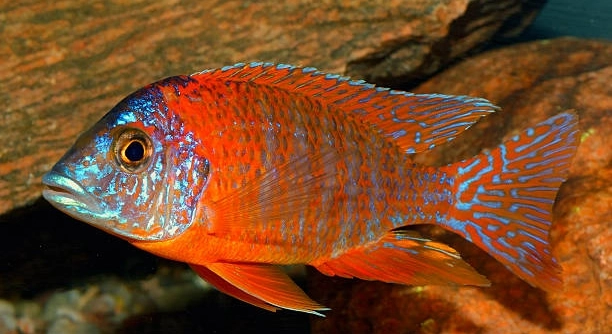
Are your cichlids suddenly locking jaw-to-jaw, leaving you concerned about their behavior and health? This unusual action can be alarming for any aquarist, especially when it happens unexpectedly in a well-maintained tank environment.
Jaw locking in cichlids is typically a territorial or dominance behavior. Fish engage in this display to establish hierarchy, defend territory, or compete for mates. While it can appear aggressive, it is often a natural and instinctive interaction.
Understanding the reasons behind this behavior can help maintain a balanced tank and ensure your cichlids thrive in their environment. Proper care and observation are key to addressing these encounters safely.
Common Causes of Jaw Locking
Jaw locking in cichlids usually stems from social dynamics within the tank. These fish naturally establish dominance, and locking jaws is a primary way to show strength. Territorial disputes are most common when the tank is crowded or lacks sufficient hiding spaces. Even small differences in size or color can trigger these encounters. Environmental stress can also play a role; sudden changes in water temperature, pH, or hardness may heighten aggression. Mating season increases this behavior as males compete for females, often engaging in extended jaw locking to assert control. Observing tank patterns can help identify which fish are more dominant and which are more submissive. While it may seem violent, these interactions rarely result in lasting injury if the environment allows retreat. Providing plants, rocks, and separate zones helps reduce prolonged confrontations. Keeping the tank well-maintained and balanced supports natural behavior without excessive stress on the fish.
Proper tank setup significantly reduces frequent jaw locking among cichlids, keeping interactions healthier and less stressful.
Understanding the context of jaw locking allows you to make thoughtful adjustments to the tank. Space is crucial; overcrowding intensifies disputes. Arranging rocks, driftwood, and plants creates territories where subordinate fish can retreat safely. Monitoring water parameters consistently prevents stress-induced aggression. Feeding routines also affect behavior—hungry fish may fight more. If necessary, separating particularly aggressive individuals temporarily can restore calm. Recognizing patterns of dominance and submission helps anticipate conflicts before they escalate. With observation and minor adjustments, jaw locking becomes a manageable behavior rather than a constant threat to your fish’s well-being. Keeping notes on behavior and tank changes ensures long-term stability and a more peaceful aquatic environment. Over time, your cichlids will settle into a hierarchy with minimal risk of injury, allowing you to enjoy their natural interactions safely and confidently.
How to Reduce Jaw Locking
Adjusting tank layout can reduce aggressive jaw locking by creating clear territories for each fish.
Providing ample hiding spots and dividing open swimming areas helps cichlids avoid unnecessary confrontations. Consistent water quality and feeding schedules reduce stress that often triggers aggression. Selecting compatible species and balancing male-to-female ratios minimizes dominance struggles. Observing interactions and intervening when fights escalate ensures safety. Small changes in environment or routine can make a significant difference in reducing jaw locking frequency.
Addressing jaw locking starts with environmental management and careful observation. Start by assessing tank size relative to the number of fish; larger spaces naturally decrease confrontations. Use rocks, caves, and plants to establish separate territories, allowing subordinate fish to escape if needed. Maintain stable water conditions—temperature fluctuations or improper pH can increase aggression. Balanced feeding prevents competition-driven disputes. Avoid introducing highly aggressive species into the tank without adequate space. If a particular fish repeatedly initiates jaw locking, consider temporary separation to allow recovery. Observation over several weeks reveals patterns in dominance, helping you anticipate conflicts. Behavioral adjustments may also help; sometimes rearranging the tank encourages fish to form a stable hierarchy. The goal is not to eliminate natural behavior but to allow interactions to occur safely. Over time, a well-managed tank leads to calmer cichlids and a healthier, more peaceful environment for all inhabitants.
Preventing Future Jaw Locking
Regular observation helps prevent prolonged jaw locking. Noticing early signs of aggression allows timely interventions, such as rearranging tank decorations or separating fish temporarily. Maintaining clean water reduces stress, which often triggers fights.
Adjusting tank layout creates safer territories and reduces competition. Rocks, plants, and caves give fish spaces to claim and escape from aggressive peers. Avoid overcrowding, as limited space intensifies disputes and prolongs jaw-locking encounters. Feeding consistently and adequately ensures fish do not fight over food, reducing tension. Monitoring interactions regularly helps identify dominant individuals and potential victims, allowing you to make adjustments before fights escalate. Stable water parameters and proper tank size are essential in promoting a calm environment, making natural behavior safer. Observing how fish respond to changes can guide future modifications, helping maintain balance over time.
Temporary separation of aggressive fish can restore peace. Isolating one or two dominant individuals prevents escalation while letting the rest of the tank settle. Introduce them back gradually after tension decreases. Consistency in routine and environment reduces stress-related disputes. Tracking behavior patterns allows proactive adjustments before conflicts intensify. Ensuring each fish has access to territory and resources promotes harmony. By combining careful observation, strategic tank layout, and occasional separation, jaw locking becomes a natural, manageable behavior rather than a constant risk.
Feeding and Nutrition Considerations
Providing a balanced diet reduces aggressive behavior in cichlids, as hunger often triggers disputes. Feeding small amounts multiple times a day ensures all fish receive proper nutrition.
Proper nutrition supports overall health and reduces competition-driven aggression. High-quality pellets, supplemented with vegetables or occasional protein treats, provide essential vitamins and minerals. Avoid overfeeding, which can pollute the tank and create stress. Feeding at the same times daily establishes routine, helping fish feel secure and less prone to jaw locking. Monitor feeding behavior to ensure all fish are eating; weaker individuals may need targeted feeding in separate areas. Nutrition directly affects energy levels, coloration, and resilience, which all play roles in dominance displays. A well-fed tank often results in calmer, more stable interactions. By maintaining balanced diets, you address one of the key factors behind frequent jaw locking, creating a healthier, more harmonious environment for your cichlids.
Tank Size and Space
A larger tank naturally reduces jaw locking by giving each cichlid more room to claim territory. Overcrowded tanks increase stress and provoke frequent confrontations, making space a key factor in maintaining calm behavior.
Providing open swimming areas alongside hiding spots allows fish to retreat safely. This balance of territory and freedom reduces prolonged conflicts and helps subordinate fish avoid constant stress, promoting overall well-being.
Monitoring Behavior
Regularly watching your cichlids helps identify early signs of aggression or imbalance in the hierarchy. Quick intervention prevents fights from escalating and ensures all fish remain healthy and safe.
Temporary Separation
Separating aggressive individuals temporarily prevents prolonged jaw locking. This strategy allows fish to calm down while maintaining overall tank harmony, especially during periods of heightened tension or breeding activity.
Water Quality
Stable water parameters are crucial for reducing stress-induced aggression. Consistent temperature, pH, and filtration support healthier, calmer cichlids and minimize disputes over territory or dominance.
FAQ
Why do my cichlids lock jaws even when the tank seems peaceful?
Jaw locking is a natural behavior linked to dominance and territory. Even in a calm tank, fish may assert their position or test strength. Environmental stress or changes in hierarchy can trigger occasional jaw locking, even without obvious provocation.
Is jaw locking harmful to my fish?
Most jaw locking is ritualistic and does not result in serious injury. Fish rarely break jaws or sustain lasting damage if the tank allows retreat. However, frequent or prolonged locking can cause stress, minor injuries, or fatigue, so observation is important.
How can I tell if jaw locking is serious?
Signs of serious concern include torn fins, bleeding, swelling, or a fish refusing to eat. Persistent locking that lasts hours or involves multiple fish simultaneously may indicate overcrowding or severe dominance struggles. Prompt action, such as separation or tank adjustment, is needed.
Should I separate the fish immediately when they lock jaws?
Immediate separation is not always necessary. Most jaw locking is harmless and short-lived. Separation is recommended if fights escalate, injuries occur, or one fish is repeatedly targeted. Temporary barriers or rearranged decorations can also reduce stress without full removal.
Does tank size affect jaw locking?
Yes, smaller tanks increase aggression and prolonged jaw locking. Providing enough space allows fish to retreat and claim separate territories. A minimum of 55 gallons is often recommended for larger cichlids or multiple males to prevent constant conflict.
Do hiding spots help reduce jaw locking?
Absolutely. Rocks, plants, caves, and driftwood provide secure territories and escape routes. Subordinate fish feel safer and are less likely to engage in constant jaw locking when they have spaces to retreat. Rearranging decor periodically can also reduce established dominance patterns.
Can diet influence aggressive behavior?
Yes, underfed fish often fight more over food. Providing a balanced diet in small, regular feedings ensures all fish get enough nutrition and reduces competition-driven aggression. High-quality pellets with occasional vegetable or protein supplements support overall health.
Does water quality affect jaw locking?
Poor water conditions increase stress and aggressive behavior. Stable temperature, pH, and cleanliness support calmer fish. Regular testing and maintenance of filters, heaters, and water parameters help prevent stress-induced fights, which often escalate jaw locking.
Is breeding season a factor?
During breeding, males become more territorial, increasing jaw locking frequency. Females may also display aggression to protect fry or nesting sites. Temporary separation or additional hiding spots can reduce conflicts during these periods.
Can species mix affect jaw locking?
Certain species are more aggressive or territorial. Mixing highly dominant cichlids with peaceful species can trigger frequent locking and stress. Selecting compatible species and maintaining proper ratios helps create a stable, calmer tank environment.
How long should jaw locking last before intervention?
Short bursts of jaw locking, lasting seconds to a minute, are normal. If locking extends beyond several minutes, becomes frequent, or leads to visible injury, it is time to intervene through separation, tank rearrangement, or environmental adjustments.
Are there long-term effects of repeated jaw locking?
Repeated stress from ongoing jaw locking can weaken immune systems, reduce growth, and affect overall health. By managing tank layout, diet, and population, these long-term risks can be minimized while allowing natural behavior to occur safely.
Can observation and notes help manage behavior?
Tracking interactions helps identify dominant and submissive fish, peak aggression times, and patterns. This allows for proactive adjustments, such as decor rearrangement, separation, or feeding schedule changes, preventing conflicts before they escalate and keeping the tank balanced.
What should I do if a fish is injured?
Remove injured fish to a quarantine tank for recovery. Treat wounds if necessary and maintain clean water. Monitor interactions before returning the fish to prevent repeated attacks. Minor injuries often heal quickly with proper care.
How can I reduce stress in my cichlid tank overall?
Provide stable water conditions, ample space, hiding spots, and a consistent feeding routine. Avoid sudden changes, overcrowding, or introducing aggressive species without preparation. A balanced environment reduces stress and helps prevent frequent jaw locking.
This FAQ addresses the most common concerns about cichlid jaw locking, offering practical advice to maintain a calm and healthy tank while allowing natural behaviors to occur safely. Observing patterns and making small adjustments often resolves the issue effectively.
Final Thoughts
Jaw locking in cichlids is a natural part of their behavior, often linked to territory, dominance, and mating. While it can look aggressive, most interactions are ritualistic and rarely cause serious harm. Observing your fish carefully helps you understand which encounters are normal and which may require intervention. Patterns often emerge over time, showing which individuals are dominant and which are more submissive. By recognizing these behaviors, you can adjust the tank environment to reduce prolonged conflicts and keep all fish safe. Natural interactions like these are part of what makes cichlids interesting to watch, and allowing them to establish a hierarchy can promote long-term stability in the tank.
Managing jaw locking successfully requires attention to multiple factors. Tank size and layout play a significant role, as overcrowding or lack of hiding spots increases stress and prolongs confrontations. Providing rocks, plants, and caves creates separate territories where subordinate fish can retreat, lowering tension. Feeding routines and nutrition also impact behavior. Underfed or stressed fish may fight more aggressively over food, so maintaining a consistent, balanced diet is essential. Water quality is another critical aspect; stable temperature, pH, and filtration support overall health and reduce stress-induced aggression. Monitoring the tank regularly and making small adjustments when needed ensures that interactions remain natural and safe for all cichlids.
It is also important to recognize when intervention is necessary. Short bursts of jaw locking are normal, but prolonged or repeated fights can lead to stress, fatigue, or minor injuries. Temporary separation of aggressive individuals or rearrangement of decorations can restore calm. Observing behavior, taking notes, and understanding the hierarchy in your tank allows for proactive management, preventing conflicts before they escalate. By combining careful observation, thoughtful tank design, stable feeding routines, and attention to water quality, you create an environment where jaw locking becomes a normal, manageable behavior. This approach ensures your cichlids remain healthy, active, and less stressed, making it easier to enjoy their natural interactions over the long term.

Hello,
If you enjoy the content that we create, please consider saying a "Thank You!" by leaving a tip.
Every little bit helps us continue crafting quality advice that supports the health, happiness, and well-being of pets around the world, for pets of all shapes, sizes, and species.
We really appreciate the kindness and support that you show us!