
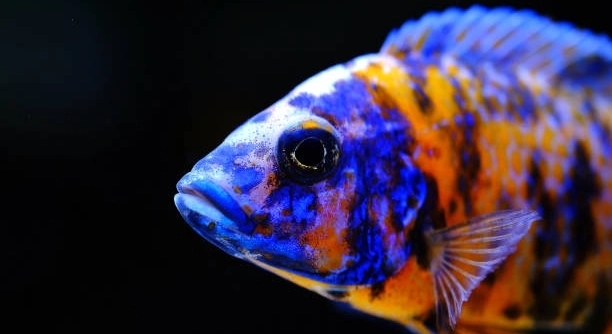
Do you ever find yourself adding new rocks, plants, or ornaments to your cichlid tank but notice they hardly seem to care? It can be confusing when your fish continue to ignore the fresh decorations.
Cichlids often ignore new tank decor because they rely on familiar territory and established routines. Sudden changes can make them cautious or stressed, and they may take time to explore or accept unfamiliar objects within their environment.
Understanding this behavior can help you create a more engaging tank. Learning how cichlids respond to changes allows you to introduce decor more effectively.
Why Cichlids Avoid New Tank Decor
When I first added new plants and rocks to my cichlid tank, I noticed they stayed in their usual spots, barely exploring anything new. Cichlids are naturally territorial and cautious. They rely on familiar surroundings to feel safe. Any sudden change can make them hesitant or even hide more than usual. Even bright or interesting objects may go unnoticed at first because the fish are focused on maintaining their established areas. Over time, they might explore, but patience is key. Introducing decor slowly, rather than all at once, often encourages them to investigate without feeling stressed. Observing their behavior closely helps understand what makes them comfortable, from hiding spots to open swimming areas. I learned that even small adjustments in placement or gradual additions can make a big difference. Some cichlids are bolder than others, but giving them space and consistency is essential.
Decor placement, size, and texture all influence whether cichlids interact with new objects. Small details matter.
Even subtle changes, like shifting a rock slightly or adding a familiar plant first, can encourage fish to explore. Temperature, water quality, and the presence of other fish also affect their willingness to move around. Consistency and patience allow cichlids to adapt naturally. Watching their habits teaches you what works best for each species and helps the tank feel more balanced.
Tips to Encourage Interaction
Adding a single new object at a time can reduce stress.
When introducing decor, it helps to mimic their natural habitat. Smooth rocks, small caves, or floating plants can be more inviting than unfamiliar shapes or materials. Avoid overloading the tank, as too many new items can overwhelm them. Placement is important—cichlids prefer hiding spots near the bottom or edges of the tank. Light, shadow, and water flow also play a role in attracting attention. Some fish may start exploring after a few days, while others take weeks. Offering gentle changes gradually helps maintain a sense of security while still enriching their environment. Noticing which areas they frequent and which they avoid can guide future additions, ensuring the tank remains both safe and stimulating. Ultimately, observing reactions and adapting slowly encourages natural exploration without causing unnecessary stress or fear.
Common Mistakes When Adding New Decor
Many times, I noticed that placing too many decorations at once overwhelms the cichlids. They ignore new items if the tank feels crowded or unfamiliar. Decorations that are too sharp or unnatural also make fish cautious, so small, safe, and simple changes work best.
I learned that sudden rearrangements can confuse cichlids. Moving rocks or plants from one spot to another without giving them time to adjust can cause hiding or stress. They prefer stable environments, so introducing new decor gradually helps them feel secure. Observing their favorite hiding spots and swimming paths before adding items ensures the tank remains balanced. Soft textures and familiar shapes encourage exploration. Even changing water flow or lighting slightly can affect how they react. It’s important to respect their comfort zones while making enhancements.
Decor size and placement also play a role. Large pieces blocking sightlines or swimming space can be ignored. Small caves or clusters near corners attract more attention. Gradually changing one section at a time, rather than the entire layout, encourages natural curiosity. Watching their behavior after each addition allows you to see what works. Lighting adjustments or floating plants can create appealing spaces without overwhelming them. Cichlids often respond to slow, deliberate changes better than sudden shifts. Noting which items get explored and which are avoided guides future decor choices.
Encouraging Natural Exploration
Positioning objects where fish already spend time increases interaction.
I noticed my cichlids respond well to items placed near their usual swimming paths. Adding caves or rocks in partially open areas encourages them to explore while feeling safe. They often inspect corners first before moving into new territory. Offering hiding spots along the edges reduces stress and builds confidence. Variety in shape and texture attracts interest, but too many new items at once can be ignored. Gradual introduction lets them adjust while maintaining normal routines. Observing their movement helps determine the best placement for future additions, making the tank both engaging and comfortable.
Providing familiar yet slightly varied decor helps fish adapt naturally. Rocks, driftwood, and plants that resemble their natural habitat encourage activity. Rotating or moving one object at a time prevents overstimulation, and soft edges reduce fear. Lighting that highlights new areas without sudden glare invites inspection. Cichlids respond to slow changes by exploring cautiously, often starting with corners or shaded areas. Offering both hiding spots and open swimming zones balances safety and curiosity. Watching reactions after each adjustment provides valuable feedback for future decor planning. Small steps ensure the tank remains stimulating, safe, and aligned with their natural behavior, leading to more interaction with new items over time.
Timing and Patience
I noticed my cichlids rarely check new decor immediately. They take time to adjust, sometimes several days or even weeks. Patience is essential when introducing anything unfamiliar to their environment. Sudden changes often result in avoidance.
Consistency in the tank helps. Keeping water parameters stable and avoiding rapid rearrangements encourages fish to explore gradually. Even small changes can be ignored if they feel unsafe.
Choosing the Right Materials
Decor materials can affect interaction. Smooth rocks, natural wood, and soft plants are more appealing than sharp or artificial items. Rough surfaces or strong artificial colors may cause hesitation. Using materials that mimic their natural habitat promotes exploration and reduces stress, helping cichlids feel secure in their surroundings.
Observing Behavior
Watching how cichlids respond to new items is key.
Noting which areas they investigate or avoid helps guide future decor placement. Observation allows adjustments that encourage natural exploration while maintaining comfort and security in the tank.
FAQ
Why are my cichlids ignoring new plants?
I noticed that my fish often avoid new plants because they are cautious about unfamiliar objects. Even if the plants are safe and natural, cichlids prefer to explore slowly. Placing them near edges or hiding spots can encourage investigation, but it often takes days or weeks for them to interact.
How long does it take for cichlids to explore new decor?
In my experience, it depends on the individual fish and how familiar their tank already feels. Some cichlids check new items within a day, but most take several days or longer. Gradual introduction, along with consistent water conditions and minimal stress, speeds up their adjustment.
Does the type of decor matter?
Yes, it really does. Smooth rocks, driftwood, and natural-looking ornaments are usually more appealing. Sharp edges or bright, unnatural colors can make cichlids wary. Using materials that resemble their natural habitat encourages interaction and reduces stress.
Should I rearrange the tank to get them interested?
Rearranging the tank too often can backfire. I learned that sudden changes cause stress and hiding behavior. Moving one item at a time or adding small clusters slowly works better. Observing which spots they naturally use helps decide the best placement.
Do cichlids prefer hiding spots or open areas?
Both are important. Hiding spots near the edges make them feel safe, while open areas encourage swimming and exploration. When I balanced caves, rocks, and open space, my cichlids gradually became more active around new decor. Gradual additions in safe areas increase interaction.
Can tankmates affect how they explore new objects?
Absolutely. Some cichlids are shy around more dominant fish. I noticed my bolder fish explored new plants first, while others waited. Ensuring enough space and hiding spots reduces competition and stress, letting all fish investigate comfortably.
Does water quality influence interaction with decor?
Yes. Clean, stable water conditions make cichlids more confident. Changes in temperature, pH, or hardness can make them avoid new items. Keeping water parameters consistent encourages natural curiosity and reduces avoidance behavior.
How can I encourage shy cichlids to explore?
Patience and small adjustments are key. I found that adding decor gradually, near familiar areas, works best. Gentle lighting, soft textures, and observing their daily routine helps shy fish feel secure enough to investigate at their own pace.
Is it normal for some cichlids to never touch certain decorations?
Yes, individual preferences vary. Some cichlids simply ignore items that don’t appeal to them or feel unsafe. That’s normal. Watching which objects they interact with helps plan future decor additions and avoids unnecessary stress for the fish.
Do plants versus rocks change their behavior differently?
I noticed they often investigate rocks first, probably because caves and hard surfaces feel more secure. Plants may take longer, especially if they are unfamiliar. Mixing both gradually encourages exploration while maintaining safe spots for hiding and comfort.
Can adding too much decor reduce interaction?
Yes, overcrowding can be intimidating. I learned that fewer, well-placed items encourage exploration more than a crowded tank. Spacing decor, leaving swimming paths open, and gradually introducing new pieces keeps fish active and interested without overwhelming them.
Are there signs my cichlids are stressed by new items?
Hiding constantly, staying in corners, or aggressive behavior often indicates stress. When I noticed these signs, I adjusted placement, reduced clutter, and gave the fish time to settle. Stress management is crucial for them to accept new decor naturally.
Does age affect how cichlids react?
Younger fish are usually more curious, while older, established cichlids can be cautious. I saw adult fish take longer to explore new items, but patience and slow introduction usually help them adapt over time.
Can rearranging decorations improve their engagement?
Yes, but only gradually. I found that moving one object slightly, rather than a full rearrangement, encourages cautious exploration. Sudden shifts often lead to hiding, while minor changes spark curiosity without overwhelming them.
Is it better to introduce one item at a time?
Definitely. Introducing a single object allows fish to adjust without stress. I noticed they respond better to small, incremental changes rather than a sudden full makeover. Gradual introduction is more effective and keeps them confident.
Do cichlids prefer natural or artificial decor?
They generally respond better to natural-looking items. Smooth stones, driftwood, and plants that resemble their habitat attract more attention. Brightly colored or unnatural shapes may be ignored. I’ve seen that subtle, realistic changes encourage exploration without causing fear.
How can I tell if they finally accept the new decor?
When cichlids start swimming around, perching on, or hiding in new items, it’s a good sign of acceptance. I observed that consistent interaction and relaxed behavior show they feel comfortable. Patience is important because some fish take longer than others to explore fully.
Are there tricks to speed up exploration?
Placing new items near areas they already frequent and keeping the tank calm helps. I also found that adding gentle currents, light shading, and familiar textures encourages them to investigate faster. Gradual changes are always better than rushing the process.
What if they still ignore certain decorations?
It’s okay. Some cichlids simply have preferences. I left unused items in the tank anyway, and over time, some fish explored them while others never did. Accepting individual behavior is part of maintaining a healthy, stress-free environment.
Do feeding routines affect decor interaction?
Yes. Feeding near new objects can draw attention, but overdoing it may make them focus only on food. I balanced feeding spots and exploration areas, which encouraged investigation without associating decor solely with meals.
Can changing tank lighting help?
Subtle adjustments in lighting can make a difference. I noticed softer light or shaded corners attract more attention, while harsh or bright lighting can make them avoid new items. Lighting should enhance comfort, not overwhelm their senses.
Should I remove decorations if ignored for a long time?
Not necessarily. I often left items for weeks, and some cichlids explored them eventually. Patience and stable conditions are more important than removing unused pieces. Over time, interest may naturally grow as they become familiar with the tank layout.
How do I balance safety and interest in decor?
I make sure new items are smooth, stable, and placed in safe areas. Adding hiding spots along with open swimming space encourages exploration without stress. Observing behavior helps adjust placement, making the tank both engaging and secure for all cichlids.
Can tank size affect exploration?
Yes, smaller tanks limit movement and choice, which can reduce interaction with new items. I noticed fish in larger tanks explored more freely. Providing enough space allows them to approach new decor at their own pace without feeling trapped.
Does water flow around decor matter?
It can. Gentle currents near new objects can attract attention, but strong flow may make them avoid certain areas. I adjusted flow gradually to encourage natural investigation without forcing them into stressful situations.
Are some cichlid species more cautious than others?
Yes. Some species are naturally shy and take longer to explore, while others are bold and investigate quickly. I learned that knowing your species’ temperament helps set realistic expectations for how quickly they accept new items.
Can I mix live and artificial plants?
Yes, combining both works well. Live plants offer natural hiding spots and improve water quality, while artificial plants provide stability and low maintenance. I used a mix to encourage exploration while keeping the tank safe and visually interesting.
What is the best way to track progress?
I keep notes on which items are explored, ignored, or cause stress. Observing patterns helps decide future additions, placement adjustments, and whether to remove or move certain objects. Tracking progress makes it easier to create a comfortable, engaging environment for all fish.
Do temperature changes affect decor interaction?
Even slight shifts can make cichlids avoid new items. I maintain consistent temperatures to keep them comfortable. Stable water conditions help them feel safe enough to explore without stress. Temperature, along with water quality, is key to encouraging natural behavior.
How important is routine during new decor introduction?
Very important. I stick to regular feeding, lighting, and maintenance schedules. Predictability reduces stress and allows fish to focus on exploring rather than adapting to constant changes. Routine paired with gradual decor changes encourages more consistent interaction.
Can breeding behavior influence interest in decor?
Yes. Breeding or territorial instincts can make fish more focused on certain areas and ignore new items. I noticed that during breeding periods, cichlids often stick to preferred spots, so patience is needed before expecting exploration.
Should I adjust feeding times when adding new decor?
Sometimes. I’ve found feeding near new items can draw initial attention, but it should be balanced. Over-reliance on food as motivation can create stress or unwanted habits. Observing their behavior while maintaining normal feeding schedules works best.
Is it normal for some fish to never explore new items?
Yes, it’s normal. Individual personalities matter. I had fish that avoided certain rocks or plants entirely. Accepting these preferences while maintaining a safe and enriched tank environment ensures overall well-being without forcing interaction.
Do seasonal changes affect their curiosity?
They can. Slight changes in light, temperature, or tank activity may influence how actively cichlids investigate. I noticed subtle seasonal patterns, with fish sometimes exploring more in stable, familiar conditions. Maintaining consistency helps reduce avoidance.
Can rearranging plants gradually help reluctant fish?
Yes, minor adjustments over time work well. I moved one plant at a time, allowing them to acclimate. Gradual changes reduce stress, encourage cautious exploration, and help shy fish gain confidence with new decor in their environment.
What are signs they like the new decor?
Swimming around, perching on rocks, or hiding in caves shows acceptance. I also noticed relaxed fins, steady movement, and curiosity as positive signs. Observing these behaviors confirms they are comfortable with new additions and exploring naturally.
Does tank complexity affect long-term interaction?
Yes. A mix of open spaces, hiding spots, and interesting decor keeps fish engaged over time. I found that too simple a tank leads to boredom, while too crowded a tank causes stress. Balanced complexity encourages natural behavior and curiosity consistently.
Are there tricks to make decor more inviting?
I found shading, gentle currents, and soft textures help. Positioning items near familiar swimming areas without blocking paths makes them approachable. Subtle adjustments attract attention without overwhelming the fish, encouraging gradual exploration and reducing stress.
How often should I change or add decor?
Not frequently. I add or adjust items gradually, observing responses over weeks. Frequent changes cause stress and avoidance. Slow, thoughtful updates maintain interest while keeping the tank stable and comfortable for cichlids.
Can cichlids adapt to completely new tank setups?
Yes, over time. Gradual introduction of familiar elements helps them adjust. I’ve seen cautious fish eventually explore new layouts when changes are slow and safe. Patience, observation, and stable conditions are essential for successful adaptation.
Does the presence of hiding spots speed up decor interaction?
Definitely. I noticed that providing caves or sheltered corners gives them confidence to explore nearby objects. Safe hiding options reduce stress, encouraging investigation of new items without fear or hesitation.
Are bright colors good for attracting attention?
Not always. Natural tones work better. Bright or artificial colors can cause hesitation. I used subtle, realistic shades to encourage exploration, which resulted in more natural and stress-free behavior.
How do I know if decor placement is effective?
Watching where fish swim, perch, or hide is the best indicator. I adjust placement based on their habits, ensuring open areas for movement and safe spots for security. Effective placement balances curiosity and comfort.
Can aggressive tankmates affect new decor interaction?
Yes. Dominant fish can intimidate others, preventing exploration. I provide multiple hiding spots and spaced-out decorations to reduce conflicts. This ensures all fish feel safe enough to interact with new items gradually.
Is it okay if some decorations remain unused?
Yes, some items may never be explored. I leave them in place anyway, as other fish might use them later. Patience and observation help determine which pieces are beneficial and which are optional.
Do feeding methods influence interaction?
Yes. Feeding near new objects can attract attention, but overusing food as motivation can create stress or dependency. Balanced feeding routines alongside gradual decor introduction encourage natural curiosity without forcing behavior.
How do I combine safety and stimulation?
I ensure decorations are smooth, stable, and placed in safe areas while providing variety in shapes and textures. Observation and gradual introduction maintain engagement without causing stress, creating a comfortable, enriched environment for all cichlids.
Can tank lighting be adjusted for better interaction?
Yes. Soft, natural lighting or shaded areas makes new decor inviting. Harsh lights can make fish avoid objects. Subtle lighting adjustments encourage exploration while maintaining comfort and safety.
What if fish still ignore decorations after weeks?
It’s normal for some to never explore certain items. I leave them in the tank, as curiosity can emerge later. Patience and consistency are more important than forcing interaction. Individual behavior varies.
Does tank size impact exploration?
Yes, limited space reduces freedom to investigate. I noticed fish in larger tanks explored new objects more readily. Providing enough room for movement and hiding ensures natural, confident exploration.
Can water flow make a difference?
Gentle currents near new items can attract attention, while strong flow can deter exploration. I adjust flow carefully to create inviting areas without stressing fish.
Are some species naturally more curious?
Yes. Bold species explore quickly, while shy types take longer. Knowing your fish’s temperament helps set realistic expectations for decor interaction. Patience is essential for slower species.
Do live and artificial plants interact differently with cichlids?
Yes, live plants often attract more interest due to natural hiding spots, while artificial plants offer stability. A mix provides safety, comfort, and gradual encouragement to explore.
How can I track decor acceptance effectively?
I keep notes on which items are used, ignored, or cause stress. Tracking behavior helps plan future additions and placement, ensuring a balanced, engaging environment for all fish.
Do temperature or seasonal changes affect exploration?
Slight changes in temperature, light, or tank activity can influence curiosity. I maintain consistency to reduce avoidance and encourage steady interaction with new decor.
Is routine important during new decor introduction?
Yes. Regular feeding, lighting, and maintenance reduce stress, allowing fish to focus on exploration. Consistent routines combined with gradual decor changes promote natural interaction.
Can breeding behavior impact interaction?
Yes. During breeding or territorial periods, fish may ignore new items. Patience is necessary, as exploration usually resumes once instincts settle.
How should I introduce new objects gradually?
Adding one item at a time near familiar spots works best. I move or adjust objects slowly, observing reactions to ensure comfort and gradual acceptance.
What signs indicate they like the new decor?
Swimming around, hiding, perching, or relaxed movement shows acceptance. I watch behavior closely to confirm comfort and interest in the new items.
Does tank complexity affect long-term interest?
Balanced complexity with hiding spots and open areas keeps fish engaged. Too simple causes boredom, while overcrowding causes stress. I aim for variety and space to maintain curiosity.
Are subtle tricks effective for encouraging exploration?
Yes. Gentle currents, soft textures, shading, and familiar placement attract attention without overwhelming fish. Gradual adjustments foster confidence and natural exploration.
How often should decor be changed or added?
Rarely. I introduce new pieces slowly, monitoring behavior over weeks. Frequent changes stress fish and reduce exploration, while slow updates maintain comfort and interest.
Can cichlids adapt to a completely new setup?
Yes, with gradual introduction of familiar elements. Patience, observation, and stable conditions help cautious fish explore and accept new layouts naturally.
Do hiding spots speed up interaction?
Definitely. Safe shelters encourage confidence, making fish more likely to explore nearby decor. Providing security promotes curiosity.
Are bright colors helpful?
Natural tones are usually better. Bright, artificial colors may cause hesitation. I use subtle shades to encourage stress-free interaction.
How can I tell if placement works?
Observing swimming, hiding, and perching patterns shows effectiveness. Adjusting based on behavior ensures balance between comfort and curiosity.
Do aggressive tankmates hinder exploration?
Yes. Dominant fish may prevent others from investigating. Multiple hiding spots and spaced decor reduce conflict and allow timid fish to explore gradually.
Is it normal for some decorations to remain unused?
Yes. Some items may never be explored. I leave them for possible later interest, as individual preferences vary.
Does feeding method affect exploration?
Feeding near new items can attract attention, but overusing food as motivation may stress fish. Balanced routines encourage natural curiosity.
How do I balance safety and stimulation?
Smooth, stable decorations placed in safe spots, combined with gradual introduction, provide engagement without stress. Observation ensures comfort and enrichment.
Can lighting be adjusted for better interaction?
Soft, natural lighting or shaded areas encourages exploration. Harsh light can deter investigation, so subtle adjustments improve engagement.
What if fish still ignore new decor?
It’s normal. Some fish may never explore certain items. Patience, consistency, and observation are more important than forcing interaction.
Does tank size matter?
Yes. Larger tanks allow more freedom to investigate. Adequate space promotes confident exploration and reduces stress.
Does water flow affect exploration?
Gentle currents attract attention, while strong flow may deter fish. Adjusting flow carefully encourages natural interaction without stress.
Are some species more curious than others?
Yes. Bold fish explore quickly, shy fish take longer. Understanding temperament helps set realistic expectations and encourages patience.
Do live versus artificial plants affect interaction?
Yes. Live plants offer natural hiding spots and interest, while artificial plants provide stability. A mix encourages exploration while keeping the tank safe.
How can I track acceptance?
Keeping notes on explored, ignored, or stressful items helps plan future placement and additions, ensuring a comfortable, engaging tank environment.
Do seasonal or temperature changes matter?
Yes. Slight variations can influence curiosity. Maintaining stable conditions encourages steady interaction with new items.
Is routine important during introduction?
Consistent feeding, lighting, and maintenance reduce stress and help fish focus on exploring. Gradual changes combined with routine promote acceptance.
Can breeding behavior influence interest?
Yes. Fish may ignore new items while breeding or defending territory. Patience ensures exploration resumes later.
How should I introduce decor gradually?
Add one item at a time near familiar areas. Slow adjustments let fish adapt naturally and explore confidently.
What signs show they like the decor?
Swimming around, hiding, per
Final Thoughts
Adding new decor to a cichlid tank can feel tricky at first. I learned that it takes time for fish to accept changes, even when items are safe and natural. Cichlids rely heavily on familiar surroundings, and sudden additions or rearrangements can make them cautious or hesitant. Even small adjustments, like moving a single rock or introducing a new plant gradually, make a noticeable difference in their behavior. Over time, they may begin to explore these new items, but patience is essential. Watching their habits, preferred hiding spots, and swimming patterns helps determine the best placement for each decoration. Understanding their natural instincts for territory, safety, and curiosity is key to creating a tank that encourages exploration without causing stress. Even subtle changes, such as adjusting light or adding gentle currents, can make new objects more appealing. Consistency and observation go hand in hand, and taking note of how each fish responds to new items allows for smarter, more thoughtful adjustments.
Decor materials and placement play an important role in whether cichlids interact with them. Smooth rocks, driftwood, and plants that resemble their natural environment tend to attract attention, while sharp edges, overly bright colors, or unfamiliar textures may be ignored. I found that providing a balance between hiding spots and open swimming areas encourages natural exploration. Hiding spaces give fish confidence, while open zones invite them to move around and investigate. Gradual introductions are more effective than sudden overhauls because they allow the fish to acclimate at their own pace. Overcrowding the tank can overwhelm cichlids, reducing their interest in any new item. By spacing out decorations and observing which items are explored or avoided, adjustments can be made over time to maintain engagement. Providing both visual interest and safety ensures that cichlids feel secure enough to explore while still having choices within their territory. Maintaining stable water conditions, consistent feeding routines, and minimal disruption also reduces stress and encourages interaction with new objects.
Every cichlid behaves differently, and some may never show interest in certain decorations. This is normal, and forcing interaction can create stress rather than curiosity. Patience, gradual changes, and careful observation allow the fish to adjust naturally and comfortably. Some items may be explored quickly, while others remain untouched for weeks or even months. Recognizing their preferences and habits helps in planning future additions and tank arrangements. By respecting their instincts and introducing new decor thoughtfully, it is possible to create an enriched environment that feels safe, stimulating, and comfortable. Over time, the tank becomes a space where cichlids can explore, hide, and swim confidently. Understanding their behavior allows for a better balance between safety and enrichment, resulting in a healthier and more engaging habitat for all the fish. Consistent care, patience, and observation are the best ways to ensure cichlids accept new tank decor naturally and thrive in their environment.

Hello,
If you enjoy the content that we create, please consider saying a "Thank You!" by leaving a tip.
Every little bit helps us continue crafting quality advice that supports the health, happiness, and well-being of pets around the world, for pets of all shapes, sizes, and species.
We really appreciate the kindness and support that you show us!