
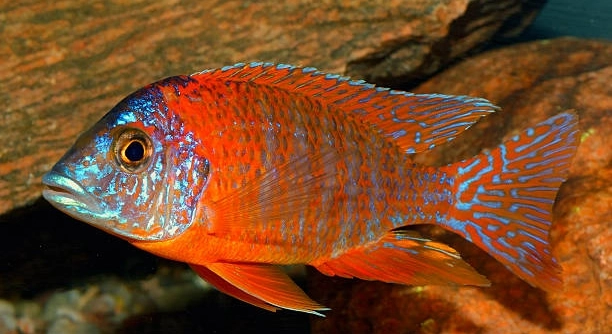
Have you ever noticed your cichlids repeatedly ramming the sides of their tank? It can be surprising and a little alarming, especially when you don’t understand why they behave this way. This is a common observation for many fish owners.
Cichlids headbutt the glass primarily due to stress, territorial instincts, or poor water conditions. This behavior can indicate that their environment is not meeting their natural needs, prompting them to react aggressively or attempt to escape perceived threats.
Knowing the reasons behind this behavior can help you create a calmer, healthier environment for your fish and improve their overall well-being in the tank.
Understanding Stress in Cichlids
Stress is one of the main reasons cichlids hit the glass. Loud noises, sudden movements, or frequent tapping on the tank can startle them. They are sensitive to changes in their environment, and even small disturbances can trigger repeated headbutting. Poor water quality also adds stress. High levels of ammonia, nitrites, or nitrates make the fish uncomfortable, pushing them to react aggressively. Overcrowding is another common factor. Cichlids are territorial, and when there are too many fish in a tank, it can create constant tension. Even changes in temperature can increase stress. Keeping the tank clean, stable, and quiet helps reduce this behavior. Observing their actions regularly lets you notice early signs of stress before it worsens. Providing hiding spots or decorations can also give them a sense of security, reducing the urge to ram the glass repeatedly.
Stress in cichlids is often visible through frantic swimming or hiding as well.
Recognizing stress early is key. By monitoring water quality, controlling tank noise, and arranging territories properly, you create a calmer environment. Adding plants, rocks, or caves allows them to retreat and feel secure. Sometimes separating aggressive fish is necessary. Adjusting feeding routines and keeping a stable temperature further reduces tension. Regular observation ensures small issues don’t escalate, keeping the fish healthy and less likely to hit the tank walls.
Territorial Behavior Explained
Cichlids are naturally territorial and need space to claim as their own.
Territorial instincts can make cichlids headbutt the glass. They often perceive their reflection as another fish intruding. During breeding or when establishing dominance, this behavior intensifies. The size of the tank plays a big role. Smaller tanks limit territory, increasing aggression and repeated glass ramming. Tank decorations, plants, and dividers help define boundaries. Sometimes rearranging the tank reduces confrontations. Aggressive fish may need temporary separation to maintain peace. Understanding their social structure helps manage conflicts. Dominant fish benefit from visible boundaries, and weaker fish require hiding spots. Awareness of these patterns allows owners to prevent injury, stress, and overall tension in the tank, making the environment safer and more comfortable for all cichlids.
Reflection and Glass Aggression
Cichlids often mistake their reflection for another fish. This can trigger repeated headbutting, especially in smaller tanks or when lighting is bright. Mirrors and clear glass can make them feel threatened.
Reflection can escalate aggression. When cichlids see their image, they think it’s an intruder. They may attack the glass repeatedly to defend territory. This is more common during breeding periods or when establishing dominance. Providing visual barriers or rearranging decorations helps reduce this behavior. Some owners use dim lighting or background films on the tank to limit reflections, which can calm the fish.
Preventing reflection-based aggression involves more than covering the glass. Rearranging plants, rocks, and hiding spots creates new territories, distracting them from seeing themselves. Regularly checking tank layout and observing interactions helps identify problem areas. Separating overly aggressive fish may be needed temporarily, ensuring weaker fish avoid stress or injury. Consistency and small environmental adjustments make a big difference.
Water Quality and Headbutting
Poor water quality stresses cichlids, causing repeated glass ramming. High ammonia, nitrites, or nitrates irritate them and weaken their immune system.
Maintaining water quality is essential. Regular testing and partial water changes keep ammonia and nitrites low. Filtration must be sufficient for tank size. Uneaten food should be removed promptly to avoid pollution. Temperature fluctuations can add stress, so a stable heater is important. Proper cycling before adding fish prevents early stress. Healthy water conditions reduce aggressive and erratic behaviors, helping cichlids feel secure.
Even with proper space and territory, water issues can trigger aggression. Keeping the tank clean, balanced, and stable supports both behavior and health. Monitoring parameters like pH, hardness, and temperature ensures a comfortable environment. A strong filter, careful feeding, and routine water changes prevent buildup of harmful chemicals. When water quality is prioritized, cichlids are calmer, and headbutting incidents drop significantly. This approach also reduces disease risk and promotes long-term tank harmony, making life easier for both fish and owner.
Overcrowding Issues
Too many cichlids in one tank increases stress and aggression. Limited space makes it hard for them to establish territories, leading to repeated headbutting.
Overcrowding also causes water quality problems. Waste builds up faster, and aggressive interactions rise. Fish need enough space to swim freely and avoid constant conflict.
Diet and Behavior
Cichlids with poor diets may act out, including glass ramming. Inadequate nutrition affects energy levels and overall health, increasing irritability and aggression. Feeding a balanced diet with protein, vegetables, and occasional treats helps regulate behavior. A proper feeding schedule prevents competition over food, lowering stress and headbutting incidents.
Tank Decorations
Decorations provide hiding spots and visual barriers. Rocks, plants, and caves help cichlids feel secure, reducing glass aggression.
FAQ
Why do my cichlids keep hitting the glass even when nothing seems wrong?
Cichlids often hit the glass because they feel stressed or threatened. Even small changes in lighting, water temperature, or tank setup can make them react. Sometimes, they see their reflection and interpret it as another fish invading their space.
Can headbutting damage my cichlids?
Yes, repeated ramming can injure their mouths, gills, or fins. It can also cause stress that weakens their immune system, making them more prone to illness. Providing hiding spots and reducing stressors helps prevent long-term harm.
Does tank size affect glass ramming?
Absolutely. Small tanks limit swimming space and territory, increasing aggression. Larger tanks with proper decorations allow cichlids to establish areas and avoid constant confrontation, reducing the urge to hit the glass.
How does water quality influence this behavior?
Poor water quality is a major factor. High ammonia, nitrites, or nitrates irritate cichlids and create stress. Keeping the tank clean, cycling it before adding fish, and performing regular water changes keeps water stable and lowers aggressive behaviors.
Can diet affect their tendency to hit the glass?
Yes, nutrition plays a role. Poor diets make fish restless and irritable. Feeding high-quality food appropriate for cichlids, including vegetables and protein, reduces aggression and ensures they have the energy to swim normally rather than act out.
Does lighting make a difference?
Bright lights can increase reflection on glass, making cichlids think another fish is present. Using dim or natural lighting and reducing reflective surfaces can calm them and decrease glass aggression.
Should aggressive cichlids be separated?
Sometimes separation is necessary. If one fish repeatedly attacks others or hits the glass excessively, providing a temporary divider or separate tank prevents injury and lowers stress for all fish.
Do cichlids hit the glass more during breeding?
Yes. During breeding, territorial instincts intensify. Fish become protective of their area and may see reflections or other fish as threats. Adding extra hiding spots and giving them space helps manage this heightened aggression.
Can decorations really reduce glass ramming?
Decorations are very effective. Rocks, plants, and caves create hiding places and visual boundaries. These help cichlids feel secure and give them defined territories, which minimizes frustration and repeated attacks on the glass.
Is headbutting a permanent behavior?
Not necessarily. Addressing stress factors like overcrowding, water quality, diet, and tank setup can reduce or stop this behavior. Consistent observation and small adjustments often result in calmer, healthier fish.
How can I monitor progress?
Keep a daily log of behavior, noting when headbutting occurs. Observe water parameters, tank interactions, and feeding habits. Gradual improvements in environment and care will usually reduce aggressive behaviors over time.
Are all cichlids prone to glass ramming?
Some species are more territorial or aggressive, but most cichlids can exhibit this behavior under stress. Understanding each species’ temperament and needs helps prevent excessive aggression and promotes a balanced tank.
Does rearranging the tank help?
Yes. Changing decoration layouts can confuse fish temporarily and break up established territories. This reduces direct confrontations and lowers stress, helping cichlids focus on their surroundings instead of attacking glass.
How quickly can I expect behavior to improve?
Improvement depends on the cause. Stress-related behaviors may calm within days after correcting water quality or adding hiding spots. Territorial issues may take weeks as fish adjust to boundaries. Regular observation ensures timely adjustments and lasting results.
Is this behavior normal for all aquariums?
While common, it is not ideal. Frequent headbutting indicates environmental or social issues. Healthy tanks with proper care, space, and attention to fish needs usually see minimal glass aggression. Consistency in tank maintenance and setup is key.
What’s the simplest step to reduce headbutting?
Start with water quality and tank setup. Ensure clean water, appropriate decorations, and adequate space. Then address diet, lighting, and social dynamics. Tackling these core factors usually reduces headbutting significantly.
Can headbutting stress affect other fish?
Yes, repeated aggression can create tension among all tank inhabitants. Stress spreads quickly, so calming one aggressive fish benefits the entire tank, improving overall health and harmony.
Is professional advice ever needed?
If injuries occur or behavior persists despite adjustments, consulting an experienced aquarist or vet can help. They can evaluate species-specific needs, health issues, or hidden stressors you might have missed.
What role does temperature play?
Temperature swings can increase activity and irritability, prompting glass ramming. Maintaining a stable, species-appropriate temperature reduces stress and aggressive displays.
Can reflections be completely eliminated?
Not always, but they can be minimized. Adding backgrounds, dimming lights, or placing opaque panels around the tank reduces reflections and lowers the chance of fish mistaking themselves for intruders.
How often should I observe my cichlids?
Daily observation is best. Watching interactions, swimming patterns, and response to reflections helps detect stress early. Quick adjustments prevent escalation and keep fish calmer over time.
Does water flow affect behavior?
Yes. Strong currents can tire or stress cichlids, increasing glass ramming. Adjusting flow to suit the species allows them to swim comfortably without added frustration.
Are there specific hiding spots that work best?
Caves, rock formations, and dense plant areas work well. Multiple hiding spots prevent competition and give all fish a sense of security, reducing aggression and repeated attacks on the tank walls.
Can headbutting damage the tank itself?
Occasionally, repeated ramming can cause minor scratches, but most tanks handle this. Still, reducing the behavior is safer for both fish and equipment.
How do I know if aggression is decreasing?
Fewer attacks on the glass, calmer swimming patterns, and less chasing among fish are signs. Consistent observation and small improvements in environment indicate progress.
Is this behavior seasonal or constant?
It depends on species and conditions. Breeding seasons, temperature changes, and social dynamics can increase incidents temporarily. Proper tank management keeps behavior from becoming constant.
Can I prevent headbutting entirely?
Not always, but careful management of space, water, diet, and social groups significantly reduces the behavior. Most cichlids can live comfortably without frequent glass attacks when conditions are ideal.
Does age affect aggression?
Juvenile cichlids may be more playful and less territorial, while adults exhibit stronger territorial instincts. Adjusting tank size and hiding spots as fish grow helps maintain calm behavior.
Are there behavioral signs before headbutting starts?
Yes. Restless swimming, flaring fins, chasing other fish, or frequent inspection of reflections often precede glass attacks. Spotting these early allows for intervention before injuries occur.
What’s the best long-term approach?
Prioritize stable water quality, adequate space, proper diet, and thoughtful tank layout. Observing fish and adjusting based on behavior ensures a calm, healthy tank with minimal glass aggression.
Final Thoughts
Cichlids headbutting the glass is a common issue, but it usually points to problems that can be fixed. Many of these fish are naturally territorial, sensitive to stress, and responsive to their environment. Small changes, like adding hiding spots, rearranging decorations, or adjusting tank lighting, can make a big difference. Providing enough space for each fish to establish its own area helps reduce conflict. Overcrowded tanks increase stress and aggression, so maintaining an appropriate number of fish for the tank size is very important. Observing their behavior regularly helps identify patterns and address issues before they become serious.
Water quality is one of the most critical factors to monitor. Poor water conditions can stress cichlids and lead to repeated headbutting or other aggressive behavior. Testing ammonia, nitrite, nitrate, and pH levels frequently ensures the tank remains safe for the fish. Regular partial water changes and a reliable filtration system help maintain stable conditions. Even small fluctuations in temperature or water chemistry can increase irritation. Keeping a clean and balanced environment reduces stress and allows the fish to focus on swimming and exploring rather than attacking the glass.
Diet and feeding routines also affect behavior. Cichlids need a balanced diet to stay healthy and calm. Offering a mix of protein, vegetables, and occasional treats helps meet their nutritional needs. Uneaten food should be removed promptly to prevent water pollution, which can further stress the fish. In addition to diet, understanding each species’ temperament and social structure is important. Some cichlids are naturally more aggressive, while others are calmer. Observing interactions and adjusting the tank setup to suit the fish can prevent injuries and reduce glass aggression. With careful attention to environment, diet, and social dynamics, most cichlids can thrive in a calm, stable tank without frequent headbutting.

Hello,
If you enjoy the content that we create, please consider saying a "Thank You!" by leaving a tip.
Every little bit helps us continue crafting quality advice that supports the health, happiness, and well-being of pets around the world, for pets of all shapes, sizes, and species.
We really appreciate the kindness and support that you show us!