
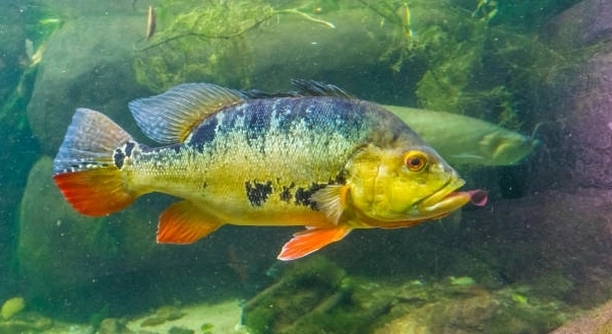
Are your cichlids spending a lot of time guarding a particular rock in their tank? Many fish owners notice this behavior and wonder why it happens. It is a common sight in home aquariums with cichlids, which are known for their unique habits.
Cichlids guard rocks primarily as a form of territorial behavior and breeding preparation. They use the rock as a nesting site or to protect their eggs and young from potential threats. This guarding instinct helps ensure the survival of their offspring.
This behavior may seem unusual but understanding it can help you create a better environment for your fish. Learning why cichlids guard rocks will improve your care routine and tank setup.
Why Cichlids Choose Rocks for Guarding
Cichlids are naturally territorial fish, and they often select rocks as strategic points to establish their territory. Rocks provide a solid, defensible area that is easy to monitor for intruders. These fish use the rock’s crevices and surfaces as ideal places to lay eggs and protect their young. The shape and size of the rock can influence their choice, as some species prefer flat surfaces while others like more textured or cave-like formations. Guarding a rock also allows the cichlid to assert dominance over its environment. This behavior is instinctual and important for their breeding success. Providing appropriate rocks that suit the specific needs of your cichlid species can help reduce stress and aggressive behaviors in the tank.
Rock guarding helps cichlids feel secure and increases their chances of successful reproduction. It is a key part of their natural behavior.
Understanding the reasons behind this behavior helps aquarium owners create a supportive habitat. Selecting rocks that mimic the fish’s natural environment encourages healthy guarding and breeding habits. If the rock is too small or unstable, cichlids may become restless or aggressive, disrupting the tank’s balance. Providing the right type of rock improves both fish welfare and the tank’s visual appeal. Observing how your cichlid interacts with the rock can also offer clues about their health and mood. When the fish guards the rock confidently, it usually signals a well-settled and healthy aquarium environment.
How to Support Your Cichlid’s Guarding Behavior
Providing stable, secure rocks is essential for your cichlids to feel comfortable guarding their territory. Avoid placing loose or sharp rocks that might injure the fish or fall.
Rocks not only support breeding but also reduce aggression by establishing clear boundaries. A well-arranged tank encourages natural behaviors and healthier fish. It is important to research the preferred rock types and arrangements for your cichlid species. Some cichlids prefer sandy bottoms with smooth rocks, while others thrive with larger, jagged formations. Keeping the tank clean and monitoring water conditions will further support their guarding habits. Offering hiding spots and open spaces around the rock helps reduce stress and aggression. By paying attention to these details, you help your cichlids feel secure and behave naturally, which contributes to a balanced and thriving aquarium.
Common Signs Your Cichlids Are Guarding a Rock
Cichlids often stay close to a single rock, showing protective behavior. They may chase other fish away and remain alert, watching their surroundings carefully.
This guarding behavior includes frequent circling around the rock and occasional digging near its base. The fish will flare their fins and display bright colors to signal dominance. If there are eggs or fry, the guarding cichlid will be especially vigilant, fanning water over them to keep them clean and oxygenated. It is common to see increased aggression during this time, which is normal and tied to their instinct to protect their offspring.
Sometimes, cichlids will move small gravel or sand around the rock, reshaping the area to better suit their needs. This activity helps create a safe environment for breeding and keeping young fish secure. Recognizing these signs can help you understand when your cichlids are in breeding mode or simply establishing territory.
When Guarding Behavior Becomes a Concern
Persistent aggression around a rock can lead to stress in other fish, making it important to monitor interactions closely. Overly aggressive guarding may disrupt tank harmony.
If your cichlid’s guarding becomes too intense, consider providing additional hiding spots or rearranging decorations. This can help reduce competition and give other fish safe places to retreat. Ensuring proper tank size is essential, as cramped conditions often increase territorial disputes. Sometimes, temporarily removing the guarded rock can break the cycle and calm the fish. Maintaining clean water and balanced nutrition also supports calmer behavior. Being proactive with tank management helps prevent guarding from becoming a problem while allowing natural instincts to continue in a healthy way.
Preparing Your Tank for Rock Guarding
Choosing the right rocks is essential for your cichlids’ comfort and safety. Make sure the rocks are stable and free of sharp edges to prevent injury.
Arrange the rocks to create caves or flat surfaces that suit your cichlids’ natural preferences. This encourages healthy guarding behavior and reduces aggression in the tank.
Best Types of Rocks for Cichlids
Hard, inert rocks like granite or slate are ideal because they do not alter water chemistry. Avoid limestone or other calcium-based rocks unless you want to raise the pH level, which some cichlid species prefer. Smooth surfaces and secure placement reduce risk of injury and stress. Creating a naturalistic setup with varied rock shapes provides both shelter and territorial markers, supporting your fish’s instincts and well-being.
Monitoring Guarding Behavior
Keep an eye on how your cichlids interact with the rocks. Changes in behavior can indicate stress or illness.
Adjust tank conditions if guarding becomes excessive or aggressive.
FAQ
Why are my cichlids guarding a rock instead of swimming around?
Cichlids guard rocks because they see them as important territory, often for breeding or protecting eggs. Staying close allows them to keep watch for threats and secure their nesting site. This behavior is natural and helps increase the chances of survival for their young.
Is it normal for cichlids to be aggressive when guarding a rock?
Yes, aggression is common during guarding. Cichlids may chase or nip at other fish to defend their territory. This is part of their instinct and usually temporary, especially during breeding periods. However, if aggression becomes constant, it may indicate overcrowding or stress.
Can guarding behavior harm other fish in the tank?
Guarding cichlids can stress or injure other fish if the tank is too small or lacks hiding spots. It is important to provide enough space and decorations to allow less dominant fish to avoid conflict and reduce overall stress in the aquarium.
How can I reduce aggression related to rock guarding?
Adding more rocks, caves, or plants helps break up territory and gives fish more places to hide. Increasing tank size and maintaining good water quality also reduces stress. If aggression continues, rearranging the tank or temporarily removing the guarded rock may calm the fish.
Should I remove the rock if my cichlid is guarding it too aggressively?
Removing the rock can help if aggression is excessive. However, this might stress the cichlid if it is breeding. It’s better to try adding additional decorations and improving tank conditions first. Only remove the rock as a last resort and monitor your fish closely afterward.
Do all cichlid species guard rocks in the same way?
No, guarding behavior varies between species. Some prefer flat rocks for spawning, while others choose caves or gravel beds. Understanding your cichlid species’ natural habits will help you provide the right environment and reduce problems.
Can cichlids guard other objects besides rocks?
Yes, cichlids may guard other sturdy objects like caves, logs, or artificial decorations if they find them suitable for territory or breeding. The key is stability and safety, so they feel secure protecting those spots.
How long do cichlids guard their rocks?
Guarding duration depends on breeding status and individual behavior. During breeding, guarding can last several weeks until fry are free-swimming and less vulnerable. Outside breeding, guarding might be less intense but still present if the fish feels territorial.
Is guarding behavior a sign of a healthy cichlid?
Generally, yes. Guarding is a natural behavior indicating normal breeding instincts and territoriality. A fish that actively guards territory is usually confident and well-adjusted. Lack of guarding may signal stress or illness.
Can guarding rocks affect water quality?
Yes, digging and moving substrate around rocks can stir up debris, which might temporarily reduce water clarity. Regular tank maintenance, such as vacuuming the substrate and filtering, helps maintain water quality despite this activity.
How can I tell if my cichlid is guarding eggs or fry on a rock?
You may see small eggs attached to the rock surface or tiny fry swimming nearby. The cichlid will stay very close, often fanning the eggs with its fins and aggressively protecting the area from other fish.
What should I do if I want to breed my cichlids and encourage rock guarding?
Provide flat, stable rocks or caves suitable for your species. Keep water conditions optimal and reduce stress by minimizing disturbances. Feeding high-quality food supports breeding health. Monitor your fish closely and be prepared to separate fry if necessary.
Can rock guarding behavior be triggered by changes in the tank environment?
Yes, introducing new rocks, rearranging the tank, or changes in water parameters can stimulate territorial guarding. These changes may mimic natural triggers that encourage cichlids to claim or defend territory.
Are there risks in having too many rocks for cichlids to guard?
Too many rocks can fragment territories, increasing conflict as fish try to claim overlapping spaces. It’s important to balance providing shelter with avoiding overcrowding. Observing your fish will help you find the right setup.
What is the best way to clean rocks without disturbing guarding cichlids?
Spot clean the tank regularly and remove rocks for thorough cleaning only when cichlids are not actively guarding or breeding. Use gentle methods and avoid harsh chemicals to maintain a healthy environment.
This FAQ covers common questions about cichlid rock guarding to help you better understand and care for your fish. If issues persist, consulting a specialist or experienced hobbyist may provide additional guidance.
Final thoughts on cichlids guarding rocks highlight the importance of understanding this natural behavior. Cichlids guard rocks mainly to protect their territory and their offspring. This behavior is a sign that your fish are following their instincts, which is a positive indication of their health and comfort in the tank. By recognizing the reasons behind this guarding, you can better meet your cichlids’ needs and create an environment that supports their natural habits.
Providing stable, safe rocks in your aquarium is crucial for encouraging healthy guarding behavior. The right rocks give your cichlids places to settle and protect, which reduces stress and aggression. It also helps the fish feel secure, which is important for their overall well-being. Careful tank setup, including suitable rock types and arrangements, plays a big role in the success of your aquarium. When you provide an environment that meets their needs, your cichlids will display more natural and less harmful behaviors.
Lastly, monitoring your cichlids’ behavior is key to keeping the tank balanced and peaceful. Guarding can sometimes lead to aggression that affects other fish, so it is important to watch for signs of stress or conflict. Making adjustments such as adding hiding spots or increasing space can help reduce problems. Understanding and respecting the guarding instinct will help you enjoy a healthier and more vibrant aquarium, where your cichlids can thrive.

Hello,
If you enjoy the content that we create, please consider saying a "Thank You!" by leaving a tip.
Every little bit helps us continue crafting quality advice that supports the health, happiness, and well-being of pets around the world, for pets of all shapes, sizes, and species.
We really appreciate the kindness and support that you show us!