
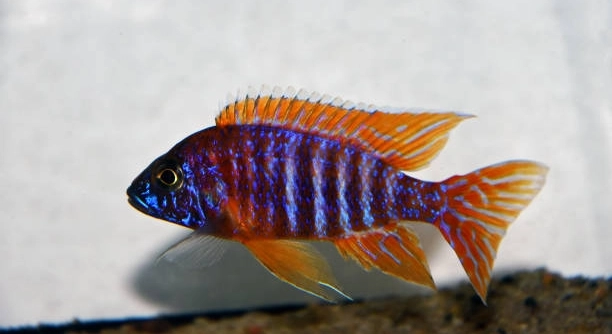
Are your cichlids acting strangely around the heater, spreading their fins and staring intently? This behavior can be unsettling for any fish keeper, especially when it seems sudden or unprovoked. Observing these actions carefully helps identify the cause.
Cichlids often flare at the heater due to territorial instincts, stress from environmental changes, or perceived threats. The heater’s warmth and vibrations may trigger defensive behavior, leading fish to display aggression, protect their space, and assert dominance within the tank.
Understanding these behaviors can help maintain a calmer, healthier aquarium environment for your cichlids and reduce unnecessary stress or aggression in your fish.
Understanding Cichlid Flaring Behavior
Cichlids flare their fins as a natural way to communicate. In the wild, this behavior signals dominance, warns others to stay away, or attracts mates. In a home aquarium, this instinct can appear when they feel threatened or notice changes in their environment. The heater, although harmless, may be perceived as an object encroaching on their space. Vibrations, temperature changes, or reflections on the heater can trigger a reaction. Some cichlids are more territorial than others, so even small disturbances can cause prolonged flaring. Watching their behavior over time can help identify patterns and potential stressors. Adjusting tank layout, providing hiding spots, and monitoring temperature consistency can reduce tension. It’s important to balance their natural instincts with a stable environment. By observing carefully, you can understand their signals and respond in ways that promote a peaceful, healthy tank.
This behavior is not always aggressive. Often, it is simply a reaction to changes or perceived threats in their surroundings.
Flaring can also indicate the need for environmental enrichment. Introducing decorations, plants, or rocks can give them more territory to claim. Spacing out the heater or covering reflective surfaces reduces triggers. Regular tank maintenance and keeping water parameters stable minimizes stress. Feeding routines and avoiding sudden changes in lighting also help. Over time, cichlids become less reactive as they adapt to their surroundings, allowing for a calmer, more balanced aquarium atmosphere.
Common Causes of Heater Flaring
Temperature fluctuations in the tank can trigger flaring, as cichlids are sensitive to heat changes.
Heaters create slight currents and warmth differences that the fish may notice immediately. If the heater is near their usual territory, they may perceive it as an intruder. Reflections on the heater surface can also spark defensive displays, as they mistake the reflection for another fish. Additionally, new tank additions or rearrangements around the heater amplify their alertness. Stress from overstocking, poor water quality, or incompatible tank mates can make flaring more frequent. Cichlids have strong territorial instincts, so anything that challenges their space can provoke this behavior. Adjusting heater placement, adding hiding spots, and keeping consistent water conditions reduce these reactions. Observing and understanding these triggers ensures your cichlids remain healthy, reduces aggressive encounters, and helps maintain a stable, comfortable environment for all inhabitants in the tank.
Adjusting Heater Placement
Placing the heater in a less central location can reduce cichlid flaring. Positioning it near a corner or behind decorations makes it less intrusive while maintaining consistent water temperature throughout the tank.
Carefully arranging the tank helps minimize territorial stress. Cichlids react strongly to objects in their territory, especially ones that change their usual swimming patterns. By moving the heater closer to a less frequented area, the fish are less likely to see it as a threat. Adding rocks or plants around the heater can break up its outline, reducing reflections and sudden movements in the water. Consistent temperature is still crucial, so use a reliable thermometer to ensure stability. Small adjustments like these create a calmer environment and help your cichlids feel secure, lowering aggressive displays while keeping the tank safe and healthy for all inhabitants.
Monitoring their behavior after adjustments is important. Observe changes in flaring frequency and signs of stress. If aggression persists, further modifications or enrichment may be needed to maintain balance.
Environmental Enrichment
Providing hiding spots and decorations gives cichlids territory to claim. Rocks, caves, and plants reduce stress and make the heater less threatening.
Adding enrichment allows fish to establish personal spaces, which lowers territorial disputes. Cichlids often flare when their space feels invaded, so increasing visual barriers helps them feel secure. Plants and rocks not only create hiding spots but also break lines of sight, reducing constant confrontation. Rearranging decorations occasionally keeps the environment engaging without causing sudden stress. Combining enrichment with proper water parameters, consistent feeding, and careful tank mate selection ensures a balanced habitat. Observing how fish interact with the new setup provides insight into their comfort levels. Gradual changes and thoughtful placement encourage calmer behavior, reduce flaring, and support overall well-being in the aquarium.
Water Temperature Consistency
Maintaining stable water temperature helps reduce flaring. Sudden changes can make cichlids feel threatened, triggering defensive behavior and aggression toward nearby objects, including the heater.
Using a reliable heater and thermometer ensures fluctuations are minimal. Even small shifts in temperature can be noticed, so consistent warmth creates a calmer tank environment and lowers stress levels.
Tank Layout Considerations
Spacing out decorations, hiding spots, and the heater creates clear territories. Cichlids need defined areas to feel secure and reduce constant flare responses. Adjusting layout periodically while keeping familiar structures helps balance their instincts with environmental stability, promoting overall tank harmony.
Observing Behavioral Patterns
Track when and how often flaring occurs. This helps identify specific triggers and determine whether changes in placement, temperature, or enrichment are effective in reducing stress.
FAQ
Why do my cichlids flare at the heater only sometimes?
Cichlids flare in response to changes in their environment. If the heater creates small movements, reflections, or minor temperature shifts at certain times, it can trigger flaring intermittently. Their behavior is tied to their instincts, so even small disturbances can spark defensive displays.
Can flaring at the heater harm my cichlids?
Flaring itself is not physically harmful, but constant stress can affect health over time. Repeated aggression or tension increases energy use and may reduce immunity, making fish more susceptible to disease. Providing a stable environment and reducing triggers helps maintain their overall well-being.
Will moving the heater stop flaring completely?
Moving the heater can reduce flaring, but it may not eliminate it entirely. Cichlids respond to multiple environmental cues, including reflections, currents, and territory boundaries. Adjusting placement along with adding decorations and hiding spots is more effective for long-term calm behavior.
How does tank size affect flaring at the heater?
Smaller tanks increase stress because territory is limited. In cramped spaces, cichlids are more likely to flare at objects like heaters. Larger tanks provide more room for territories, hiding spots, and natural movement, reducing perceived threats and aggressive displays.
Do certain cichlid species flare more than others?
Yes, some species are naturally more territorial and aggressive. African cichlids, for example, are prone to flaring compared to less territorial species. Understanding your species’ tendencies helps anticipate behavior and plan tank layout and enrichment accordingly.
Can water quality influence flaring behavior?
Poor water quality can increase stress, making cichlids more reactive. High ammonia, nitrites, or rapid pH changes can heighten aggression and sensitivity to objects like heaters. Maintaining consistent water parameters is essential to reduce unnecessary flaring and protect fish health.
Does lighting affect flaring at the heater?
Bright or uneven lighting can create reflections on the heater or tank walls, which cichlids may perceive as other fish. Dimmer lighting or adjusting the angle of lights can reduce reflections and lower triggers for defensive behavior.
Will adding tank mates reduce heater flaring?
Adding compatible tank mates can distract cichlids, but it may also increase territorial stress if space is limited. Choosing species that coexist peacefully and providing enough room and hiding spots is important to prevent additional aggression around the heater.
How long does it take for cichlids to adjust after changes?
Adjustment varies by species and individual temperament. Some cichlids calm down within days, while others may take weeks. Gradual changes, consistent routines, and environmental enrichment help them adapt faster and reduce repeated flaring episodes.
Are there signs that flaring is more than normal behavior?
Yes, constant flaring, lethargy, loss of appetite, or visible injuries indicate stress or health issues. If flaring persists despite environmental adjustments, it may signal underlying problems that need attention, such as poor water quality, disease, or overcrowding.
Can diet affect flaring and aggression?
A balanced diet helps reduce stress and maintain energy levels. Overfeeding or low-quality food can increase irritability and aggression. Feeding consistent, high-quality meals supports calm behavior and overall health, indirectly reducing excessive flaring.
Is it okay to cover the heater to prevent flaring?
Partially covering the heater with rocks or plants can reduce reflections and perceived threats. However, ensure proper water circulation around the heater to prevent overheating or uneven temperature, which could cause more stress.
Do reflections from the glass also cause flaring?
Yes, cichlids may flare at their reflection, mistaking it for another fish. Reducing light angles, adding background decorations, or positioning the heater to minimize reflections can help manage this behavior.
What is the best combination of strategies to reduce heater flaring?
The most effective approach combines proper heater placement, tank enrichment, stable water conditions, consistent feeding, and observation. Adjusting multiple factors ensures a calmer environment, helping cichlids feel secure and reducing unnecessary flaring over time.
Can stress from flaring impact breeding behavior?
Yes, prolonged stress from flaring or environmental tension can reduce mating readiness. Calm and stable conditions, proper territory, and minimized threats are essential for healthy breeding behavior and successful reproduction.
Is flaring at the heater more common in new tanks?
New tanks often trigger more flaring due to unfamiliar surroundings and incomplete territory establishment. As cichlids acclimate and learn their environment, flaring usually decreases, especially when hiding spots and enrichment are provided.
How can I tell if heater flaring is normal or excessive?
Occasional flaring in response to environmental cues is normal. Excessive flaring, especially accompanied by stress signs, rapid breathing, or constant aggression, indicates a need for adjustments in tank layout, enrichment, or water conditions.
Does temperature uniformity reduce flaring?
Yes, stable and uniform water temperature prevents sudden stress responses. Using reliable heaters, monitoring with thermometers, and avoiding sudden changes in temperature create a consistent environment, reducing defensive behavior and overall flaring.
Can rearranging decorations help manage flaring?
Yes, rearranging decorations gives cichlids new territories and visual barriers, breaking lines of sight around the heater. Periodic, gentle changes prevent boredom and help them establish safe zones, reducing aggression and repeated flaring incidents.
How important is observation in managing heater flaring?
Observing fish behavior is critical. Monitoring flaring patterns, triggers, and interactions provides insight into environmental adjustments needed. Careful observation allows targeted changes in layout, enrichment, and temperature control to reduce stress and promote long-term calm behavior.
Final Thoughts
Managing cichlid flaring at the heater requires attention to their environment and natural behaviors. These fish are instinctively territorial and sensitive to changes in their tank. Even objects that seem harmless, like a heater, can trigger defensive displays. Flaring is a normal behavior, but when it becomes frequent or intense, it can indicate stress or discomfort. Providing a stable environment helps reduce these reactions. Consistent water temperature, clean water, and proper tank setup are the foundation of a calm and healthy aquarium. Adjusting the heater’s placement to minimize its visibility and reflections is a simple step that can make a noticeable difference. Observing the fish closely and making gradual changes allows them to adapt without unnecessary stress.
Environmental enrichment is another key factor in managing flaring. Cichlids need areas to claim as territory, so adding decorations, plants, and hiding spots helps them feel secure. These additions break up open spaces, reducing conflicts and defensive displays near the heater. Rearranging decorations occasionally can create new territories without shocking the fish. Attention to tank mates and stocking levels also plays a role, as overcrowding or incompatible species increases tension and aggressive behavior. Providing a balanced diet and maintaining a predictable feeding routine supports their health and reduces stress-related flaring. Combining these strategies promotes a calmer tank environment and allows the fish to display natural behaviors without unnecessary aggression.
Consistency and patience are essential when addressing flaring. Changes in tank setup, heater placement, or environmental enrichment should be implemented gradually to allow cichlids to adjust. Observing their behavior over time helps determine which strategies are effective and which may need further adjustment. Even with careful management, some species or individual fish may flare more frequently due to their temperament. Understanding these tendencies and responding with supportive care creates a healthier, more balanced aquarium. Reducing stress not only minimizes flaring but also improves overall well-being, encourages natural activity, and allows cichlids to thrive in a secure environment. By combining observation, stable conditions, and thoughtful enrichment, you can create a tank that supports both the physical and behavioral needs of your cichlids, leading to a calmer and more enjoyable aquarium experience.

Hello,
If you enjoy the content that we create, please consider saying a "Thank You!" by leaving a tip.
Every little bit helps us continue crafting quality advice that supports the health, happiness, and well-being of pets around the world, for pets of all shapes, sizes, and species.
We really appreciate the kindness and support that you show us!