
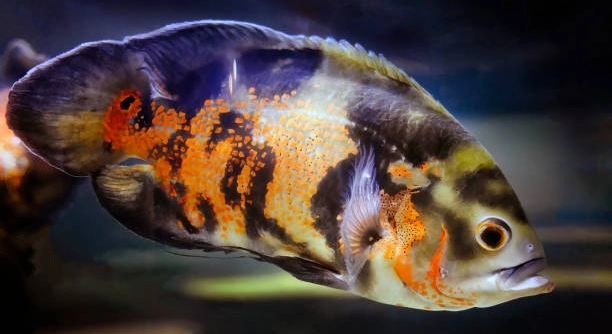
Have you ever noticed your cichlids spending most of their time behind rocks or decorations in the tank? Watching them retreat constantly can feel worrying, especially when you expect them to be active and social.
Cichlids often hide due to stress, poor water quality, or lack of proper shelter. Environmental changes, aggressive tankmates, or sudden movements can trigger hiding behavior, which is a natural response to feel safe and avoid perceived threats.
Learning what causes this behavior can improve your fish’s comfort and activity levels, helping you create a healthier, more engaging tank environment for your cichlids.
Common Reasons Cichlids Hide
Cichlids are sensitive fish, and several factors can make them retreat into hiding spots. Poor water quality is often the main reason. High ammonia or nitrite levels can stress them, making them seek shelter. Temperature fluctuations can also make cichlids feel unsafe, as they prefer stable water conditions. Aggressive tankmates can drive them into corners or behind rocks to avoid confrontation. Even overcrowding can make them feel threatened, reducing swimming space and comfort. Lack of proper decorations or hiding places can increase anxiety, as cichlids naturally like to have areas where they feel protected. Introducing new fish suddenly or rearranging the tank can trigger stress, causing them to hide more than usual. Feeding habits also play a role; if they are not confident about food availability, they may avoid open areas. Observing these factors can help prevent frequent hiding.
Stress, aggressive neighbors, and poor water are the main reasons for hiding behavior in cichlids.
Addressing these issues begins with testing water regularly and maintaining stable temperatures. Adding rocks, caves, and plants creates safe zones where cichlids feel comfortable. Feeding consistently helps build confidence, while introducing new fish gradually reduces stress. Monitoring tank population ensures enough space for everyone, minimizing conflict and anxiety.
Improving Tank Comfort
Providing proper hiding spaces is crucial for cichlid well-being.
Decorations like rocks, caves, and driftwood give them secure areas to retreat. Plants, whether live or artificial, also offer cover and reduce stress. Positioning these items strategically helps create territories, which is important for social species. The goal is to balance open swimming areas with enough shelter so fish can explore without feeling exposed. Avoid overcrowding decorations, as too many obstacles can limit movement and cause more stress. Regularly cleaning and maintaining these structures prevents algae buildup, which could make hiding spots unattractive or unsafe. Observing how your cichlids use the space helps identify which areas are preferred and which need adjustment. Proper tank setup and decoration arrangement encourages natural behavior, increasing activity levels and reducing constant hiding. Consistency in tank layout and water maintenance fosters a sense of security that helps cichlids feel at ease.
Adjusting the tank environment carefully can reduce hiding and improve overall fish behavior. Paying attention to their reactions allows you to fine-tune conditions for a healthier, more active aquarium. Consistent care, proper spacing, and stress reduction lead to happier, more visible cichlids.
Water Quality and Temperature
Poor water quality stresses cichlids and encourages hiding. Ammonia, nitrites, and nitrates must be monitored closely. Stable water temperature is also essential, as fluctuations can make fish feel unsafe and retreat frequently.
Regular testing of water parameters ensures a healthy environment. Maintaining proper pH and hardness levels specific to your cichlid species helps reduce stress. Temperature should remain consistent, ideally within the recommended range, to prevent sudden discomfort. Frequent water changes and cleaning of filters remove toxins that accumulate over time. Avoid overfeeding, as leftover food decomposes and worsens water quality. A balanced diet and clean water help cichlids feel secure and more likely to explore open areas.
Investing in quality testing kits and keeping a maintenance schedule creates stability. Observing fish behavior alongside water readings highlights issues early. Adjusting temperature gradually, avoiding abrupt changes, and keeping water chemistry within safe limits reduces stress. Pairing this with sufficient hiding spots makes your cichlids confident to swim and feed openly.
Tankmates and Social Stress
Aggressive or overly dominant tankmates can force cichlids into constant hiding. Territorial disputes and competition for food increase anxiety, causing timid fish to retreat frequently. Proper species selection and compatible tankmates prevent repeated stress.
Introducing new fish slowly helps reduce tension. Monitor interactions to ensure smaller or less aggressive cichlids are not bullied. Creating separate territories with rocks and plants allows each fish to claim safe zones, reducing conflicts. Avoid overcrowding, as too many fish in limited space heightens aggression. Feeding multiple areas can also decrease competition and keep shy fish from hiding excessively. Choosing compatible species and observing behavior carefully ensures a peaceful, balanced tank.
Providing enough space, hiding spots, and feeding zones helps minimize social stress. Adjusting the number of tankmates or rearranging the layout reduces fights and intimidation. Over time, cichlids will feel more secure, exploring the tank rather than staying hidden. Observing interactions daily allows quick corrections and fosters a calmer, more harmonious environment.
Hiding Spots and Decorations
Cichlids need secure areas to feel safe. Rocks, caves, and plants give them spaces to retreat when stressed or tired, reducing constant hiding.
Placement of these hiding spots matters. They should create territories without blocking swimming areas, allowing fish to explore confidently and feel protected simultaneously.
Feeding Habits
Inconsistent feeding can make cichlids nervous, causing them to hide. Feeding at regular times helps build confidence.
Offering a balanced diet in multiple areas of the tank reduces competition. Observing how they eat ensures timid fish get enough nutrition and feel comfortable coming out of hiding.
Tank Maintenance
Regular cleaning prevents buildup of waste and algae that can stress cichlids. Maintaining filters and removing debris keeps the environment stable, promoting confidence in fish to explore and stay active.
FAQ
Why do my cichlids hide more at night?
Cichlids are naturally more cautious during low light. Darkness makes them feel exposed to predators, even in an aquarium. Providing dim lighting or floating plants can give them a sense of security. Many cichlids are more active during the day, so night hiding is normal behavior.
Is it normal for cichlids to hide constantly?
Some hiding is normal, but constant hiding signals stress or poor conditions. Water quality, aggressive tankmates, or insufficient hiding spaces often cause prolonged retreat. Monitoring behavior, water parameters, and tank layout helps identify problems and encourages healthier, more visible activity.
Can hiding indicate illness?
Yes. Illnesses such as parasites, infections, or swim bladder issues can make cichlids withdraw. Look for other signs like lack of appetite, clamped fins, or unusual swimming. Prompt attention, proper diagnosis, and treatment prevent worsening health.
How can I reduce hiding behavior?
Create a stable, stress-free environment. Test water regularly, maintain consistent temperature, and clean the tank on schedule. Add caves, rocks, and plants to offer secure spots. Choose compatible tankmates, avoid overcrowding, and feed on a regular schedule. Gradual changes help fish adapt without stress.
Do certain cichlid species hide more than others?
Yes. Some species are naturally shy or territorial and prefer hiding. Dwarf cichlids, for example, are more prone to retreating. Understanding species-specific behavior helps plan tank design, decorations, and social interactions to reduce stress.
Will hiding affect my cichlids’ growth?
Prolonged hiding can reduce food intake and exercise, affecting growth. Ensuring accessible food, adequate space, and proper nutrition helps maintain healthy development. Observing feeding patterns ensures timid fish get enough to eat.
Does tank size impact hiding?
Yes. Small tanks increase stress by limiting space and territory, causing more hiding. Larger tanks allow distinct territories, reduce conflicts, and encourage exploration. Proper decoration placement and hiding spots in appropriate numbers are key for cichlid comfort.
How do I know if my cichlids are stressed?
Stress signs include constant hiding, rapid breathing, clamped fins, loss of color, and reduced appetite. Observing behavior daily helps catch issues early. Adjusting water parameters, social dynamics, and environment reduces stress and promotes activity.
Can cichlids get used to their environment?
Yes. Over time, fish adapt to stable water conditions, safe hiding spots, and peaceful tankmates. Consistency in maintenance and feeding builds confidence, reducing unnecessary hiding. Gradual adjustments help them feel secure without sudden stress.
Should I rearrange the tank if cichlids hide too much?
Minor rearrangement can help create new territories, but abrupt changes may increase stress. Move decorations gradually and observe reactions. Combining this with water quality checks and compatible tankmates encourages fish to explore safely.
Do hiding cichlids affect other fish?
Yes. Timid fish may influence the behavior of other species. Aggressive fish may dominate space, while shy fish withdraw, impacting social balance. Proper spacing, hiding spots, and monitoring interactions prevent stress for all tank inhabitants.
Is it okay for cichlids to hide during breeding?
Yes. Some cichlids become secretive during breeding to protect eggs or fry. Providing sufficient hiding spaces ensures safety and reduces stress during this period, allowing natural reproductive behavior.
How long should cichlids hide before it becomes a concern?
Occasional hiding is normal, but prolonged retreat for days or weeks indicates an issue. Investigate water quality, tankmates, diet, and environmental stability. Promptly addressing problems prevents health complications and encourages more natural activity.
Do lighting changes affect hiding behavior?
Sudden or bright lighting can scare cichlids, causing them to hide. Gradual adjustments and providing shaded areas or plants help them feel secure while allowing natural exploration and activity during daylight hours.
Can stress from hiding lead to death?
Chronic stress weakens the immune system, making cichlids more susceptible to disease. Maintaining clean water, proper diet, compatible tankmates, and safe hiding areas reduces stress and helps prevent serious health problems.
How can I tell if hiding is temporary or serious?
Temporary hiding often occurs during minor disturbances, while serious issues persist even with proper conditions. Observing appetite, color, activity, and tankmate behavior helps distinguish between normal caution and concerning stress or illness.
What decorations are best to reduce hiding?
Caves, rocks, driftwood, and tall plants create secure spaces. Arrange them to form territories without overcrowding. This allows fish to feel safe while exploring, reducing excessive hiding and promoting healthy activity.
Does water flow affect hiding?
Strong currents can make some cichlids retreat, especially less powerful swimmers. Gentle, adjustable flow suits their natural behavior, encouraging swimming and exploration while providing areas to rest in calmer zones.
Can feeding methods reduce hiding?
Yes. Feeding in multiple spots and using sinking or floating foods ensures shy fish get access without fear. Consistent schedules build confidence and encourage them to come out of hiding regularly.
Are young cichlids more prone to hiding?
Juvenile cichlids are often timid and hide more to avoid aggression. Providing sufficient cover, gentle tankmates, and easy access to food helps them grow with confidence and gradually explore the tank.
How does noise or vibration affect hiding?
External vibrations, tapping on glass, or loud noises can stress cichlids. Minimizing disturbances near the tank reduces hiding, allowing fish to feel secure and maintain normal activity levels.
Can changing water too often cause hiding?
Frequent or abrupt water changes can stress cichlids. Gradual changes, matching temperature and water chemistry, prevent sudden retreat and promote stability, helping fish feel safe and explore freely.
What role does territory play in hiding?
Cichlids are territorial. Lack of defined spaces can lead to constant hiding. Creating clear boundaries with rocks, caves, or plants ensures fish feel secure in their zones, reducing stress and unnecessary retreat.
Do cichlids hide more in community tanks?
Yes. Timid species may retreat when paired with aggressive or larger fish. Providing hiding spots, balanced populations, and compatible species reduces stress and encourages more visible behavior.
How long until shy cichlids feel comfortable?
With consistent care, proper hiding spots, and peaceful tankmates, shy cichlids usually adapt within a few weeks. Observation and patience are key to building confidence and reducing hiding tendencies.
Can water temperature swings increase hiding?
Yes. Rapid changes in temperature can stress cichlids, causing retreat. Maintaining stable, species-appropriate temperatures encourages exploration and reduces fear-driven hiding. Gradual adjustments during maintenance prevent unnecessary stress.
Do lighting cycles affect hiding behavior?
Cichlids thrive on consistent light cycles. Abrupt changes or extended darkness increase hiding. Regular day-night patterns with shaded areas allow natural activity while providing comfort and security when needed.
Is hiding linked to breeding cycles?
Some cichlids hide during spawning to protect eggs or fry. Providing caves or secluded areas supports natural reproductive behavior and reduces stress, making hiding a temporary and purposeful activity.
Can diet impact hiding behavior?
Poor nutrition or irregular feeding can make cichlids timid and withdrawn. A balanced diet, fed consistently, encourages confidence, supports energy levels, and reduces constant hiding in the tank.
Does tank cleanliness affect hiding?
Yes. Dirty tanks increase stress and encourage hiding. Regular water changes, substrate cleaning, and filter maintenance promote a safe, healthy environment, helping cichlids feel secure and more willing to explore.
How can I encourage timid cichlids to explore?
Gradual introduction to tank areas, gentle feeding, and stable conditions build confidence. Providing clear paths between hiding spots and observing daily behavior encourages shy cichlids to swim and interact more freely.
Are cichlids naturally secretive?
Some species are more cautious by nature. Understanding specific species behavior allows proper tank setup and social planning to reduce unnecessary hiding and encourage normal activity.
How do I know if hiding is caused by tankmates?
Observe interactions carefully. If timid fish hide when specific tankmates are active or aggressive, social stress is likely. Adjusting population, rearranging territory, or separating aggressive fish helps reduce hiding.
Can seasonal changes affect hiding?
Changes in temperature, daylight, or feeding schedules can influence hiding. Maintaining stable tank conditions year-round ensures fish feel safe and continue normal behavior regardless of external factors.
Do cichlids ever hide for comfort rather than stress?
Yes. Hiding can also be part of normal resting behavior. They may retreat to a preferred cave or plant for privacy, especially after swimming or feeding, without indicating a problem.
Will adding more decorations increase hiding?
Excessive decorations can limit swimming space and cause fish to feel trapped, increasing hiding. Balance hiding spots with open areas to encourage natural movement and reduce stress-related retreat.
Can observing hiding behavior help with tank management?
Yes. Noting when and where cichlids hide reveals issues like aggression, poor water quality, or inadequate cover. Using this information allows adjustments that improve overall fish health and confidence.
How important is tank layout for reducing hiding?
Strategic layout is crucial. Providing clear territories, accessible food, and varied hiding spots ensures comfort. Well-planned arrangement reduces stress, encourages exploration, and supports social harmony among cichlids.
Does hiding affect feeding behavior?
Yes. Shy cichlids may avoid food in open areas. Feeding in multiple zones and near hiding spots ensures all fish access food, maintaining health and reducing stress-driven retreat.
Can water chemistry changes trigger hiding?
Yes. Sudden shifts in pH, hardness, or other parameters can cause cichlids to hide. Gradual adjustments and consistent monitoring maintain a stable environment, encouraging natural behavior and exploration.
Are shy cichlids more prone to hiding when new?
New fish often hide as they adjust to unfamiliar surroundings. Providing hiding spots, gentle tankmates, and stable water conditions helps them gain confidence and explore without fear.
Does tank noise impact hiding?
External vibrations, tapping, or loud sounds stress cichlids. Reducing disturbances near the tank encourages comfort, less hiding, and more natural activity.
Can hiding be a temporary reaction to change?
Yes. Rearranging decorations, adding fish, or adjusting lighting can cause temporary hiding. Fish usually resume normal behavior once they adapt to new conditions.
Is frequent hiding a sign of long-term stress?
Persistent hiding despite stable conditions may indicate chronic stress or health problems. Investigating environment, diet, and social dynamics helps identify and address underlying issues to improve well-being.
How does hiding relate to natural instincts?
Hiding is instinctive for safety, territory, and breeding. Providing secure spaces respects these instincts, reduces stress, and allows fish to express natural behavior without constant fear.
Does tank cover or lid affect hiding?
Yes. A secure lid prevents disturbances and reduces stress from outside movement. Covering partially with plants or background decor creates a more protected environment, encouraging exploration.
Can lighting intensity influence hiding?
Bright lighting may intimidate timid fish. Adjustable or shaded lighting allows comfort while letting them explore, reducing stress-driven hiding and promoting natural activity.
How long should I monitor hiding behavior before taking action?
Observing daily for a week helps determine if hiding is normal or stress-related. Persistent retreat or other signs of distress indicate adjustments in water, tankmates, or environment are needed.
Will adding more fish reduce hiding?
Not always. Adding aggressive or territorial fish can increase hiding. Careful species selection, adequate space, and proper hiding spots are key to maintaining balance and reducing retreat.
Can hiding behavior change over time?
Yes. As cichlids adapt to their environment and tankmates, hiding may decrease. Consistency in care, feeding, and tank layout supports gradual confidence and more visible behavior.
Does tank color affect hiding?
Darker backgrounds or substrate can make fish feel secure, encouraging exploration. Bright or reflective surfaces may increase stress, causing more retreat. Matching tank design to species preferences helps reduce hiding.
Are some cichlids naturally more visible than others?
Yes. Bold or aggressive species tend to explore more, while shy or small species hide frequently. Understanding species behavior helps set expectations for activity levels and tank setup.
Can seasonal water temperature changes trigger hiding?
Yes. Fluctuations outside optimal ranges stress cichlids. Stable, species-appropriate temperatures encourage comfort, reduce fear, and promote normal activity throughout the year.
Does the presence of plants affect hiding?
Yes. Plants provide cover, helping fish feel secure. Live or artificial plants reduce stress, encourage exploration, and give shy fish areas to retreat when needed.
Will hiding impact social hierarchy?
Yes. Shy cichlids may be dominated by more aggressive fish, causing constant hiding. Providing territory boundaries and adequate hiding spots maintains balance and reduces stress-related retreat.
Can introducing tankmates slowly reduce hiding?
Yes. Gradual introductions allow fish to adjust socially and establish territories without immediate stress. This reduces hiding and promotes healthier interactions among tank residents.
Do temperature fluctuations cause hiding at specific times?
Yes. Rapid heating or cooling, especially during maintenance, may trigger retreat. Gradual adjustments prevent stress, allowing cichlids to maintain confidence in exploring their environment.
How does hiding affect tank observation?
Hiding can make it difficult to monitor health, behavior, and feeding. Ensuring clear areas for observation while providing safe retreats balances visibility with comfort for cichlids.
Are shy cichlids more likely to hide during feeding?
Yes. Timid fish may avoid open areas with competition. Feeding in multiple spots or near hiding areas ensures they eat, promoting health and gradually building confidence.
Does tank size change hiding patterns?
Larger tanks with defined territories reduce stress and hiding, while small tanks limit space and increase retreat. Proper layout, hiding spots, and compatible populations optimize comfort and activity.
Can water chemistry shocks trigger hiding?
Yes. Sudden changes in pH or hardness stress cichlids. Gradual adjustments maintain stability, reducing retreat and promoting natural behavior and exploration.
Do shy cichlids adapt to aggressive species over time?
Sometimes. With enough space, hiding spots, and gradual social introduction, timid fish may gain confidence. Continuous observation ensures safety and minimizes excessive hiding.
How does hiding impact tank aesthetics?
Fish constantly hiding may make the tank appear empty or less lively. Providing secure spots while encouraging exploration balances visual appeal and fish comfort.
Can hiding behavior indicate a need for medical attention?
Yes. Prolonged hiding with other signs like loss of appetite or discoloration may indicate illness. Timely intervention prevents worsening health.
Will hiding decrease if stressors are removed?
Yes. Reducing aggression, improving water quality, adding hiding spots, and consistent care help fish feel secure, gradually decreasing retreat and encouraging normal activity.
Can shy cichlids become more outgoing?
Yes. Stable environment, proper tankmates, accessible food, and secure hiding areas build confidence. Over time, timid fish explore more and display natural behavior without constant hiding.
How can I balance hiding and activity in the tank?
Providing adequate shelters, proper tankmates, balanced diet, and stable water allows fish to feel safe yet explore freely. Observing behavior helps fine-tune conditions to maintain activity without compromising comfort.
Does hiding increase with frequent disturbances?
Yes. Vibrations, tapping, and sudden movements stress cichlids. Minimizing these disturbances encourages fish to leave hiding spots and maintain normal activity levels.
Can hiding behavior affect breeding success?
Yes. Shy or stressed fish may avoid breeding sites. Providing secure locations and reducing stress supports natural reproductive behavior and increases the likelihood of successful spawning.
Is hiding more common in juvenile or adult cichlids?
Juveniles hide more due to inexperience and size. Adults may also hide when stressed, but juveniles require extra hiding spots and careful monitoring to build confidence.
Can lighting placement reduce hiding?
Yes. Avoid direct bright lights and provide shaded areas. Proper lighting helps fish feel secure while encouraging exploration and normal activity.
Does water flow influence hiding frequency?
Strong currents can scare timid fish. Adjustable flow or calmer zones allow comfortable swimming and resting areas, reducing retreat.
Are cichlids more likely to hide after tank rearrangement?
Yes. Sudden changes in layout can cause stress. Gradual rearrangement with familiar hiding spots helps fish adjust while maintaining comfort.
Can hiding be a response to human activity?
Yes. Frequent movement, tapping, or loud sounds can stress fish. Minimizing disturbances allows shy cichlids to explore without retreating excessively.
Does tank depth affect hiding?
Deeper tanks can increase retreat in timid fish, while shallower tanks with clear, safe zones encourage exploration. Balance depth with hiding spaces for optimal comfort.
Will hiding decrease with improved water quality?
Yes. Clean, stable water reduces stress, encourages activity, and minimizes retreat. Regular testing, water changes, and proper filtration are essential for healthy behavior.
Can hiding behavior indicate nutritional deficiency?
Yes. Fish that do not get enough nutrients may become lethargic and hide. Balanced, consistent feeding supports health and reduces excessive retreat.
Do shy cichlids need more hiding spots than aggressive ones?
Yes. Timid species require multiple secure zones to feel safe. Providing appropriate hiding spots reduces stress and encourages normal activity.
Can hiding behavior signal overpopulation?
Yes. Crowded tanks increase stress, aggression, and retreat. Ensuring enough space and hiding areas for all fish maintains balance and reduces constant hiding.
Does tank background color affect hiding?
Darker backgrounds create security, while reflective or bright colors may stress fish. Adjusting tank decor improves comfort and encourages exploration.
Will hiding reduce if tankmates are separated?
Yes. Removing or isolating aggressive individuals allows timid fish to feel secure, explore more, and reduce retreat.
Can seasonal changes in light and temperature trigger hiding?
Yes. Maintaining stable tank conditions mitigates stress caused by external seasonal variations, reducing hiding and promoting natural behavior.
Does hiding affect cichlids’ energy levels?
Yes. Constant retreat limits swimming and activity, which can reduce fitness. Ensuring proper environment encourages movement and overall health.
Can shy cichlids thrive in community tanks?
Yes, with proper hiding spots, compatible tankmates, and careful monitoring. Creating secure areas allows timid fish to explore while staying safe.
Do cichlids hide more when new decorations are added?
Yes. Sudden changes can cause temporary stress. Gradual introduction and familiarization with new structures help reduce hiding.
**How
Cichlids hiding in a tank is a behavior that can worry anyone, but it is often a normal response to their environment. Fish rely on hiding spots to feel safe, and even in a well-maintained tank, they may retreat when they sense changes or disturbances. Observing your cichlids regularly helps you understand their patterns and preferences. Some may prefer caves, while others hide behind plants or rocks. Providing these safe spaces is not just about aesthetics; it directly impacts how comfortable and confident your fish feel. By paying attention to how and where they hide, you can better design the tank to match their natural instincts and needs.
Water quality, tankmates, and feeding habits all play an important role in whether cichlids hide often or explore freely. Stress from poor water conditions, aggressive neighbors, or inconsistent feeding can push even the boldest fish to retreat. Testing water regularly, feeding on a consistent schedule, and arranging the tank with enough space and hiding spots can reduce stress significantly. It is also important to introduce new fish gradually and monitor social interactions, as conflicts or bullying can lead to long-term hiding. Stable conditions help cichlids feel secure and encourage more natural behaviors, making them more visible and active. Over time, this balance allows fish to explore without constantly seeking refuge, promoting a healthier and more engaging tank environment.
Hiding behavior should always be considered in context. Some species are naturally shy, and some periods of retreat are related to breeding, rest, or adaptation to a new environment. Chronic hiding, however, can signal stress or health problems that require attention. Watching for changes in appetite, color, and movement can help determine if the hiding is temporary or a sign of something more serious. Creating a consistent routine with proper water conditions, compatible tankmates, regular feeding, and well-placed hiding spaces provides the best support for cichlids. When these factors are in place, hiding becomes a natural part of their behavior rather than a source of worry, and the overall health and well-being of the fish improves. Understanding their needs and observing their reactions helps create a tank where cichlids feel safe, secure, and more confident, allowing you to enjoy a more lively and balanced aquarium.

Hello,
If you enjoy the content that we create, please consider saying a "Thank You!" by leaving a tip.
Every little bit helps us continue crafting quality advice that supports the health, happiness, and well-being of pets around the world, for pets of all shapes, sizes, and species.
We really appreciate the kindness and support that you show us!