
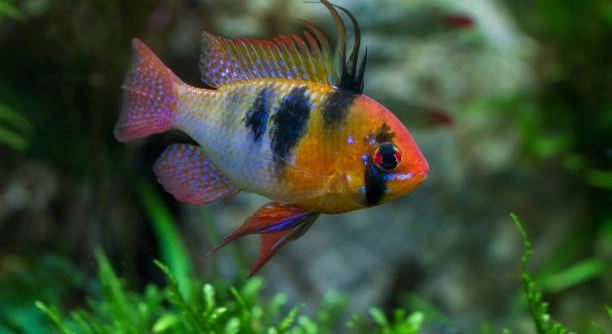
Do your cichlids spend hours hovering over certain patches of gravel in your tank? Many aquarium owners notice this behavior and feel puzzled. This careful attention to the substrate is often both natural and instinctive.
Cichlids guard gravel primarily to protect their eggs and potential fry. This behavior is an innate reproductive instinct, ensuring that their offspring have a safe environment and minimal disturbance from other fish or external factors in the tank.
Observing this behavior can reveal important insights about your cichlids’ breeding habits and tank dynamics, helping you better support their natural instincts.
Understanding Gravel Guarding Behavior
Cichlids are naturally protective fish. When they hover over gravel, it is often linked to breeding instincts. They may clean specific areas, move small stones, or even dig shallow pits. This behavior is most common when the fish feel secure in their tank environment and are preparing a safe space for eggs. Even without spawning, some cichlids display guarding behavior as a territorial instinct. It can also be influenced by tank setup, including hiding spots, plant placement, and substrate type. Observing how they interact with the gravel can help identify whether this is reproductive or territorial. Water conditions and diet also play a role, as healthy fish are more likely to display natural behaviors. Understanding these patterns allows you to provide proper care while minimizing stress, helping your cichlids maintain a balanced and healthy environment, which ultimately supports their long-term well-being in captivity.
Gravel guarding can be a sign of normal, healthy activity, reflecting instinctual behaviors that require space and attention from the keeper.
Not all guarding behaviors indicate immediate breeding. Some cichlids guard out of instinct or to establish a comfortable territory. Changes in tank layout or introducing new fish can trigger this behavior. Maintaining stable water parameters, offering sufficient hiding places, and providing a balanced diet ensures that your cichlids feel secure. When they guard gravel consistently, it’s usually because they are responding to environmental cues or potential threats. Patience and observation are essential, as these fish communicate through subtle actions. Understanding when guarding signals reproduction versus territory allows you to adjust tank care appropriately. Over time, observing these behaviors can improve your ability to anticipate their needs and reduce stress, creating a calmer, more harmonious tank for both cichlids and other aquatic life.
Encouraging Natural Behavior
Providing a suitable environment encourages healthy interactions with the gravel.
Tank setup, water quality, and compatible tank mates all influence how your cichlids guard areas. Fine gravel or sand allows them to dig and clean effectively. Hiding spots like rocks, caves, or dense plants give security, reducing stress and aggression. Feeding a balanced diet with appropriate protein ensures energy for natural behaviors. Avoid overcrowding, as too many fish can intensify guarding and territorial conflicts. Observing their daily activity helps identify stress or illness early, allowing adjustments before serious issues arise. Cichlids benefit from a consistent routine, stable temperature, and clean water, all of which promote natural instincts. By designing a tank that respects their needs, you allow your fish to express behaviors safely and naturally, fostering both health and longevity. This care strategy supports reproduction, territorial satisfaction, and overall vitality in the tank.
Common Signs Your Cichlids Are Guarding Gravel
Guarding cichlids often hover over specific gravel patches, dig lightly, or move small stones. They may chase other fish away from the area and clean the substrate continuously. This behavior is most noticeable during breeding cycles or when they feel their territory is threatened.
Territorial displays include fanning fins, lowering their bodies, and making short, rapid movements across the guarded gravel. Some cichlids may even shake their bodies or bite at intruders. The intensity of guarding varies between species and individuals. Monitoring these actions can help distinguish normal reproductive behavior from stress-related aggression, ensuring the tank remains balanced and safe for all inhabitants.
Not every movement over gravel indicates breeding. Cichlids may guard areas simply to establish a safe, familiar territory. Subtle differences, like digging depth or frequency of chasing, often reveal intent. Providing enough space, hiding places, and maintaining water quality reduces conflicts. Observing patterns over days or weeks allows you to adjust the tank to suit their natural instincts while preventing unnecessary stress.
How to Support Gravel Guarding Naturally
Creating secure areas encourages healthy guarding behaviors. Fine gravel, sand, and flat surfaces allow cleaning, digging, and egg laying. Rocks, caves, and dense plants provide safety, reducing aggressive encounters and supporting natural instincts.
Maintaining stable water conditions and a balanced diet ensures cichlids have the energy and security to exhibit these behaviors. Avoid overcrowding, as too many fish increase stress and conflict over gravel areas. Monitor interactions between tank mates to prevent injuries while respecting territorial instincts. Adjusting feeding schedules and providing enrichment, like small hiding structures or rearranged substrate, promotes natural activity and reduces boredom. Observing and responding to these behaviors helps maintain a harmonious tank and supports long-term health.
Managing Aggression Around Gravel
Aggression is common when cichlids guard gravel. They may chase or nip other fish to protect their space. Recognizing these behaviors early helps prevent injuries and reduces stress for all tank inhabitants.
Separating overly aggressive fish or adding visual barriers can minimize conflicts. Rearranging rocks or plants also distracts them and diffuses tension, maintaining a calmer environment in the tank.
Feeding and Its Effect on Guarding
A well-balanced diet can influence guarding behavior. Cichlids with sufficient nutrition are less stressed and more likely to guard gravel naturally rather than out of frustration. Offering protein-rich foods supports energy levels for breeding and territorial instincts. Regular feeding schedules maintain stability, reducing unnecessary aggression over territory.
Observing Subtle Behavioral Changes
Noticing small changes in how your cichlids interact with gravel can provide important clues about their health, breeding, or stress levels.
FAQ
Why are my cichlids always moving gravel around?
Cichlids often move gravel to prepare a safe area for eggs or fry. This digging and rearranging is a natural instinct to protect potential offspring. Even if they are not breeding, it can also be a way to mark territory and feel secure in the tank.
Is constant gravel guarding a sign of stress?
Not always. While guarding can indicate territorial stress, it is usually a normal behavior linked to reproduction or territory. Watch for signs like loss of appetite, faded colors, or erratic swimming, which may indicate true stress or health issues.
Do all cichlid species guard gravel in the same way?
Different species display varying guarding behaviors. Some dig deeply, others fan their fins over the area or move small stones. Observing your species’ typical behavior helps determine whether it is natural or a response to environmental stressors.
How can I reduce aggression during gravel guarding?
Providing hiding places, extra space, and visual barriers helps reduce conflicts. Rearranging substrate or adding plants can distract territorial fish. Avoid overcrowding, as too many fish increase competition and stress. Monitoring interactions ensures safety for all tank inhabitants.
Does the type of gravel affect guarding behavior?
Yes. Fine gravel or sand makes digging easier, allowing natural behaviors. Sharp or large gravel may discourage digging or cause injury. Ensuring appropriate substrate supports healthy instincts and encourages safe reproduction or territory establishment.
Should I separate fish that guard gravel aggressively?
Separation is only necessary if aggression leads to injury or constant stress for other fish. Otherwise, providing space, hiding spots, and visual barriers often resolves conflicts naturally while allowing normal territorial behavior.
Can feeding influence guarding intensity?
Adequate nutrition reduces stress and excessive aggression. Protein-rich foods give energy for breeding and natural behaviors. Inconsistent feeding may trigger more guarding or competition over territory. Regular, balanced feeding maintains calm and supports overall health.
Is gravel guarding always linked to breeding?
Not always. While guarding is often reproductive, cichlids may also protect a familiar area or mark territory without eggs present. Observing other behaviors like digging depth, fin fanning, or pairing patterns helps distinguish intent.
How long do cichlids typically guard gravel?
Duration varies by species, tank conditions, and individual temperament. Some guard for days, while others remain vigilant for weeks. Providing stable water conditions, adequate hiding spaces, and low-stress environments allows natural guarding without excessive tension.
What should I do if guarding causes stress in the tank?
Adjust the tank layout, reduce crowding, and provide additional hiding areas. Maintain water quality and a balanced diet to reduce tension. Careful observation and minor changes usually calm aggressive guarding while letting cichlids express normal behavior naturally.
Can other fish disrupt gravel guarding?
Yes. Active or aggressive tank mates can interfere, triggering chasing or stress. Choosing compatible species and ensuring enough space helps maintain harmony. Dividers or rearranged decor can give guarding cichlids safe zones without constant conflict.
Is gravel guarding harmful to the tank ecosystem?
Generally, no. Cichlids moving gravel can even help oxygenate substrate and prevent buildup of detritus. However, excessive digging might uproot plants or disturb decorations. Monitoring activity ensures balance while supporting natural behaviors.
How can I tell if guarding behavior is excessive?
Excessive guarding shows as persistent chasing, aggression toward multiple tank mates, or refusal to leave the area for long periods. It may indicate stress, overcrowding, or unsuitable tank setup. Adjustments to layout, hiding places, or diet often restore normal behavior.
Does water temperature affect guarding behavior?
Yes. Stable temperatures promote natural behavior. Sudden changes can increase aggression or stress, prompting more intense guarding. Maintaining a consistent, species-appropriate temperature helps cichlids feel secure and reduces unnecessary territorial displays.
Are there signs that guarding is linked to breeding?
Signs include digging pits, fanning fins over gravel, pairing with a mate, and preparing specific areas for eggs. Fry may appear after a period of guarding. Observing these patterns helps distinguish reproductive activity from general territorial behavior.
Can rearranging gravel reduce guarding?
Yes. Slight rearrangement can disrupt over-guarding and redirect attention. Adding plants or decorations encourages exploration and reduces territorial conflicts, while still allowing natural behaviors to continue safely.
How often should I monitor guarding behavior?
Daily observation is ideal. Noting changes in intensity, location, or aggression allows timely adjustments to tank setup, diet, or fish placement. Keeping a consistent routine supports calm, healthy behavior and prevents long-term stress.
Does tank size influence gravel guarding?
Smaller tanks increase territorial conflicts and intensify guarding. Providing sufficient space reduces stress, gives room for multiple territories, and supports natural interactions. Larger tanks allow better distribution of resources and reduce aggressive encounters.
Can stress from guarding affect health?
Yes. Prolonged stress from constant guarding or conflict can weaken the immune system, reduce appetite, and cause color fading. Ensuring a stable environment, proper nutrition, and adequate space prevents health issues while supporting natural instincts.
Is gravel guarding permanent behavior?
Gravel guarding persists as long as environmental and social cues trigger it. Reproductive or territorial instincts remain throughout life, but intensity can vary with tank setup, mates, and overall conditions. Adjusting the environment helps maintain balance while respecting natural behavior.
Do juvenile cichlids guard gravel?
Juveniles may display mild territorial behavior, often less intense than adults. Guarding usually increases with maturity and reproductive readiness. Providing space and monitoring interactions prevents stress as they grow into fully territorial adults.
Can hiding structures reduce guarding stress?
Yes. Caves, rocks, and dense plants offer refuge, minimizing confrontations. These structures allow fish to feel secure while still performing natural behaviors. Regularly evaluating tank layout ensures ongoing balance between security and interaction.
What is the best way to encourage natural guarding safely?
Provide proper substrate, hiding areas, compatible tank mates, stable water conditions, and a balanced diet. Observe daily to adjust as needed. Encouraging natural instincts while managing stress maintains a healthy, harmonious tank for all cichlids.
How do I know if guarding is linked to breeding or territory?
Breeding guarding usually includes paired behavior, pit digging, and egg preparation. Territorial guarding focuses on area defense, chasing, and repeated substrate disturbance. Observing patterns over time clarifies intent and informs tank management strategies.
Can adding more cichlids reduce guarding intensity?
Adding fish can either diffuse aggression or increase competition, depending on species and tank size. Proper planning, spacing, and compatible selection are crucial to avoid escalating conflicts while maintaining natural behaviors.
Is gravel guarding more common in certain tank setups?
Yes. Tanks with open substrate and few hiding spots may increase guarding, while those with caves and plants reduce stress. Layout affects both intensity and frequency of guarding, highlighting the importance of thoughtful tank design.
How can I safely support breeding cichlids?
Provide fine substrate, secure hiding spots, and minimal disturbance. Maintain water quality and a consistent diet to reduce stress. Observing interactions ensures eggs and fry remain safe while allowing natural guarding behavior.
Does lighting affect guarding behavior?
Moderate, consistent lighting encourages normal activity. Sudden changes or overly bright conditions may trigger stress or hiding, influencing how intensely cichlids guard gravel. A balanced light schedule supports natural instincts and overall tank health.
Can gravel guarding damage plants?
Some digging may uproot plants or displace decorations. Using sturdy plants, weighted substrates, or protected areas reduces damage while allowing natural behavior to continue safely.
Should I change the substrate if guarding is excessive?
Changing to softer or finer gravel can reduce conflicts. Adding rocks, caves, or plants provides alternative areas for digging and reduces constant guarding without restricting natural instincts.
How do I tell if guarding is causing harm to other fish?
Watch for injuries, constant chasing, or hiding. Persistent aggression indicates that intervention, such as rearranging the tank or separating individuals temporarily, may be necessary to prevent harm while maintaining natural behaviors.
What role does water quality play in guarding behavior?
Stable water parameters reduce stress, making guarding more controlled and natural. Poor conditions increase aggression and intensity. Regular testing, partial water changes, and proper filtration support calm, healthy behavior.
Can gravel guarding indicate readiness to breed?
Often yes. Persistent cleaning, digging, and pairing behaviors suggest reproductive readiness. Observing these signals helps prepare the tank and manage interactions safely.
Does tank depth influence guarding?
Shallow tanks may limit space for territories, increasing conflicts, while deeper tanks allow more distinct areas. Appropriate tank size and depth help balance guarding and reduce stress.
Can feeding multiple times a day affect guarding?
Frequent, balanced feeding reduces competition over territory and energy-related aggression. It supports natural behavior while keeping stress levels low. Scheduling meals consistently promotes stability and calm interactions.
Is it normal for guarding to continue after eggs are laid?
Yes. Adults often protect eggs and fry until they are mobile. Guarding decreases gradually as fry develop independence. Observing the timeline helps understand normal breeding behavior.
How do tank decorations influence guarding behavior?
Rocks, caves, and plants create visual barriers and secure areas. Proper placement reduces conflicts, allows natural digging, and helps fish express instincts safely. Rotating or rearranging decorations periodically can diffuse intense guarding.
Can guarding behavior change with age?
Yes. Younger cichlids show mild guarding, which intensifies with maturity and reproductive readiness. Aging adults may reduce activity but retain territorial instincts. Adjusting the tank over time accommodates these changes while supporting natural behaviors.
How can I encourage peaceful coexistence while guarding occurs?
Provide space, hiding places, compatible tank mates, and consistent feeding. Observe interactions to intervene only when aggression becomes harmful. Structured environments allow natural guarding while maintaining harmony for all fish.
Do all fish respect a guarding cichlid’s territory?
Not always. Some species may challenge or ignore boundaries, leading to conflicts. Selecting compatible tank mates and providing sufficient space prevents stress and injuries while allowing cichlids to express natural behaviors.
How long should I monitor guarding to understand behavior?
Consistent daily observation over several weeks provides insights into patterns, intensity, and triggers. This allows informed adjustments to tank layout, diet, or population for balanced behavior.
Can environmental enrichment reduce guarding intensity?
Yes. Adding caves, plants, and rearranged substrate encourages exploration and diversion, reducing aggressive territorial displays while supporting natural instincts safely.
Does gravel size or type affect guarding frequency?
Yes. Fine gravel encourages digging and egg-laying, while coarse or sharp gravel may discourage it. Selecting appropriate substrate supports natural behavior and reduces stress-related aggression.
Is guarding behavior different in community tanks?
Community tanks may increase tension if other fish intrude. Providing visual barriers, extra hiding spaces, and compatible species helps maintain peace while allowing cichlids to guard gravel naturally.
Can stress from guarding affect breeding success?
Excessive stress can reduce reproductive success. Ensuring stable water, proper diet, hiding areas, and minimal disturbance supports healthy breeding and controlled guarding behavior.
How do I balance natural guarding with other tank needs?
Provide space, hiding places, and enrichment. Monitor aggression, maintain water quality, and offer consistent feeding. Thoughtful design allows natural guarding without compromising safety or tank harmony.
Is it normal for a single fish to guard multiple gravel areas?
Some cichlids patrol several areas to establish dominance or secure potential breeding sites. Observing behavior patterns helps distinguish normal activity from excessive territorial aggression.
Can introducing new fish disrupt established guarding?
Yes. New fish may provoke chasing or stress. Adding them gradually, with visual barriers or separate acclimation tanks, helps maintain balance while allowing natural guarding behavior to continue safely.
Should I record guarding behavior for reference?
Keeping notes or photos helps track intensity, duration, and triggers. This data informs adjustments to tank setup, feeding, or population management, supporting long-term healthy behavior.
Can temperature swings trigger guarding?
Sudden changes may increase aggression or stress, causing more intense guarding. Maintaining consistent, species-appropriate temperatures ensures calm, natural behavior.
How do I know when guarding is harmful?
Injuries, constant chasing, or extreme hiding indicate harm. Adjusting tank layout, separating fish temporarily, or reducing stressors prevents negative effects while respecting natural instincts.
Does tank cover or lighting influence guarding?
Moderate lighting and visual security reduce stress. Bright lights or sudden changes may provoke hiding or more intense guarding. Balanced conditions support healthy, controlled territorial behavior.
Can overcrowding make guarding worse?
Yes. Too many fish increase competition and aggression over territory. Providing space, hiding spots, and compatible species minimizes conflict and allows natural behavior to continue safely.
Is it normal for guarding to decrease after fry are free-swimming?
Yes. Once fry are mobile, adults gradually reduce intensity, though they may still monitor them. Observing the transition ensures normal post-spawning behavior.
How do I adjust tank layout to support guarding?
Add caves, plants, and visual barriers. Space out territories and substrate areas. Rearranging decor diffuses tension and allows safe expression of instincts.
Can gravel guarding indicate health problems?
Unusual intensity, lethargy, or aggressive chasing may signal stress or illness. Monitoring behavior alongside water quality and diet ensures early detection and intervention.
Does water flow affect guarding behavior?
Strong currents may stress cichlids, increasing territorial displays. Moderate, steady flow supports comfort and normal guarding without creating unnecessary aggression.
Are there species differences in guarding style?
Yes. Some dig intensely, some fan their fins, others chase intruders. Knowing species-specific behavior helps interpret and manage guarding appropriately.
How can I safely observe guarding behavior?
Use quiet observation from outside the tank. Minimize tapping or sudden movements. Taking notes or photos helps track patterns without disturbing fish.
Can gravel guarding interfere with other tank activities?
Occasionally, chasing or digging may disturb plants or decorations. Proper tank design and monitoring prevent disruptions while supporting natural behavior.
How do I prevent guarding from stressing other fish?
Provide hiding spots, sufficient space, and compatible tank mates. Observe interactions and adjust layout to reduce conflict while respecting territorial instincts.
Does tank size limit natural guarding expression?
Smaller tanks restrict territory and may increase conflict. Larger, well-structured tanks allow multiple territories, reducing stress and supporting healthy expression of instincts.
Can frequent tank cleaning affect guarding?
Disturbing gravel too often may trigger stress or repeated guarding. Clean carefully, leave some undisturbed areas, and maintain stability to reduce unnecessary agitation.
Is guarding behavior consistent day and night?
Some species guard continuously, others mostly during daylight. Observing patterns helps understand normal behavior and informs feeding, lighting, and interaction schedules.
Can overfeeding influence guarding intensity?
Yes. Uneaten food may increase competition or attract other fish into territories. Feeding appropriate amounts maintains calm and reduces aggression while supporting health.
How can I safely support multiple guarding cichlids?
Provide sufficient space, hiding areas, and compatible species. Distribute gravel zones and enrich the environment. Monitor interactions to prevent injury while allowing natural behavior.
Does breeding season change guarding behavior?
Yes. Intensity usually increases with reproductive readiness. Pairing, pit digging, and chasing are common. Observing these signals guides tank management and care during breeding periods.
Can environmental stress reduce guarding behavior?
High stress, poor water quality, or aggressive tank mates may suppress natural instincts. Maintaining optimal conditions ensures healthy expression of guarding without negative effects.
Is gravel guarding always visible?
Some guarding is subtle, with fin fanning, small movements, or slight digging. Close observation helps distinguish normal activity from signs of stress or aggression.
Can tank mates learn to avoid guarded areas?
Yes. Over time, other fish recognize and respect the territory, reducing conflicts and allowing the guarding fish to maintain normal behavior safely.
Does seasonal lighting affect guarding behavior?
Consistent lighting schedules support normal patterns. Sudden changes in intensity or duration may trigger stress, increased aggression, or hiding, influencing guarding behavior.
Can frequent tank rearrangement worsen guarding?
Yes. Constant changes may increase stress and territorial disputes. Stable layout with occasional enrichment maintains safe, natural behavior without unnecessary conflict.
How do I know if guarding is temporary or persistent?
Monitor over weeks. Temporary guarding often occurs during breeding or minor territorial disputes. Persistent, aggressive guarding may indicate overcrowding, stress, or environmental issues needing adjustment.
Are there natural ways to calm guarding behavior?
Yes. Providing hiding spaces, visual barriers, adequate substrate, compatible tank mates, and consistent feeding reduces intensity while allowing natural instincts to continue safely.
Does tank depth and substrate type together influence guarding?
Yes. Deep tanks with fine substrate support digging and egg-laying. Shallow or coarse substrates may trigger stress or excessive territorial displays. Proper design promotes natural, controlled behavior.
Can frequent observation itself affect guarding?
Mild observation from outside the tank usually does not disturb fish. Avoid tapping or sudden movements, as this may increase vigilance and perceived threats, altering natural behavior.
Is it normal for cichlids to switch guarding locations?
Yes. Fish may patrol multiple areas or shift territories based on security, substrate condition, or interactions with other tank mates. This flexibility is part of natural behavior.
How do I balance natural guarding with tank maintenance?
Clean selectively, leave undisturbed areas, maintain water quality, and provide enrichment. Balance ensures health while supporting natural behavior safely.
Can frequent water changes trigger guarding?
Large, sudden changes may stress fish, prompting increased territorial displays. Gradual, consistent maintenance minimizes disturbance and supports calm, natural behavior.
Do gravel-guarding cichlids interact differently with mates?
Yes. Paired fish often coordinate guarding and egg care, while solitary fish may focus on territory alone. Observing these interactions guides tank management during breeding.
How can I safely introduce new hiding spots for guarding fish?
Add gradually and observe responses. Proper placement minimizes conflict and encourages exploration while respecting existing territories and natural behaviors.
Can guarding behavior indicate overall fish health?
Healthy guarding behavior generally reflects normal instincts, energy levels, and low stress. Deviations may indicate illness, poor water quality, or environmental issues that require attention.
Is it normal for guarding intensity to vary daily?
Yes. Factors like feeding, tank activity, and minor disturbances can cause daily fluctuations. Consistent observation helps differentiate normal variation from problematic aggression.
How does tank population density affect guarding?
High density increases competition, aggression, and intensity of guarding. Proper stocking, space distribution, and enrichment reduce conflicts and support natural territorial behavior.
Can lighting color influence guarding behavior?
Natural or moderate lighting supports calm activity. Extremely bright or unusual lighting may increase stress and provoke more intense guarding.
Do older cichlids guard differently than younger ones?
Older adults may
Final Thoughts
Gravel guarding is a natural and common behavior among cichlids. It is usually linked to reproduction or territorial instincts, and it shows that your fish are interacting with their environment in healthy ways. Observing your cichlids as they hover over, dig, or rearrange gravel gives important insight into their needs and daily activities. While it may sometimes seem excessive or concerning, most of the time it is simply a reflection of their natural instincts. Understanding why they guard gravel can help you create a tank environment that supports their well-being and reduces unnecessary stress.
Providing the right tank setup is essential for managing gravel guarding behavior. A proper substrate, such as fine gravel or sand, allows fish to dig and clean comfortably. Rocks, caves, and dense plants offer hiding places and create natural boundaries that reduce conflicts among tank mates. Maintaining adequate space for each fish is important, especially in community tanks where territorial disputes can become more intense. Balanced water parameters, including temperature, pH, and cleanliness, also play a critical role in keeping cichlids calm and healthy. Regular observation helps you notice changes in behavior early, so you can make adjustments if guarding becomes overly aggressive or disruptive.
Diet and routine care also influence how cichlids interact with gravel. Providing a consistent feeding schedule and a protein-rich diet supports energy levels for natural behaviors and reduces competition over territory. Overfeeding or irregular feeding can increase stress, causing more intense guarding behavior. Beyond nutrition, minimizing disturbances, maintaining a stable lighting schedule, and avoiding sudden tank changes help fish feel secure. By combining careful observation, proper tank design, and attentive care, you allow your cichlids to express natural instincts safely. Supporting these behaviors ensures a balanced, harmonious tank where both fish and plants thrive, making gravel guarding a normal and manageable part of their life.

Hello,
If you enjoy the content that we create, please consider saying a "Thank You!" by leaving a tip.
Every little bit helps us continue crafting quality advice that supports the health, happiness, and well-being of pets around the world, for pets of all shapes, sizes, and species.
We really appreciate the kindness and support that you show us!