
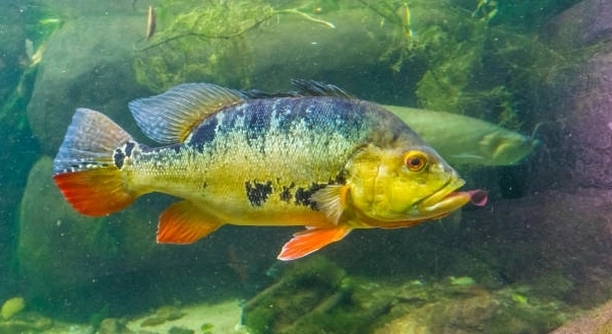
Are your cichlids all facing the same direction in their tank? This behavior can be puzzling for many fish keepers who want to understand their pets better. Observing fish behavior is important for maintaining a healthy aquarium environment.
Cichlids often face one way due to environmental factors such as water flow, light direction, or social behavior. They may align themselves to reduce stress, conserve energy, or communicate within the group. This behavior is a natural response to their surroundings.
Learning why your cichlids behave this way can help improve their tank conditions. The following information explains common causes and how to create a more comfortable habitat for your fish.
Common Environmental Reasons for Cichlids Facing One Way
Cichlids often orient themselves in the same direction because of the water flow inside the tank. When water currents move consistently from one side, fish tend to face upstream to maintain balance and conserve energy. Light direction can also influence their position. Fish may face away from bright lights or toward shaded areas to feel more secure. Tank layout matters as well; hiding spots or decorations placed unevenly may cause the fish to cluster and face one way. Temperature variations within the tank can lead to this behavior, with fish seeking the warmer or cooler side. These environmental factors combine to create a setting where fish align naturally in one direction to optimize comfort and safety.
This behavior is a natural adaptation to the tank’s conditions and helps cichlids maintain their well-being.
Adjusting flow, light, and tank layout can reduce this directional alignment.
Social Behavior in Cichlids
Cichlids are social fish that communicate through body language.
When many face the same way, it can signal group cohesion or hierarchy.
Dominant fish often set the direction, and others follow to stay connected and feel secure. This alignment also allows easier detection of threats or food. In some cases, fish may face away from perceived dangers or disturbances outside the tank. Additionally, synchronized movement supports breeding behavior, with fish signaling readiness or guarding territory together. Understanding their social dynamics helps explain why they may form groups facing the same way for extended periods. Maintaining proper social conditions, such as adequate space and hiding spots, encourages healthy interaction and reduces stress-related behaviors. Observing these patterns allows better management of your aquarium to ensure your cichlids remain calm and active.
Water Quality and Its Impact on Directional Behavior
Poor water quality can cause fish to behave unusually, including facing one way.
High levels of ammonia, nitrites, or nitrates create stress, making cichlids group and orient together to feel safer. Regular water testing and changes are essential to prevent this.
Maintaining clean water is critical for cichlid health. Fish sense water conditions through their sensitive skin and gills. When the water quality declines, they may crowd and face one way near the filter outlet where oxygen levels are higher. This behavior reduces exposure to toxins and supports breathing. Proper filtration and frequent water changes help maintain balance, keeping fish comfortable and less stressed. Avoid overfeeding and remove uneaten food to prevent water contamination. Observing your fish’s behavior can indicate if water quality needs immediate attention.
Besides chemical factors, temperature stability plays a role. Sudden shifts can cause fish to cluster and align as they seek warmer or cooler areas. Using a reliable heater and thermometer ensures stable conditions, encouraging natural, relaxed behavior.
Tank Setup and Decorations Affecting Fish Orientation
Tank design influences how cichlids position themselves.
Uneven decoration or poor space distribution may cause fish to face one direction. Proper layout helps fish explore and reduces clustering.
Rocks, plants, and caves placed mostly on one side can cause fish to gather facing that area. Balanced decoration encourages movement and natural behavior. Too many hiding spots crowded in one corner may lead to group alignment there, while empty spaces discourage exploration. A well-planned setup provides resting areas and swim zones across the tank. Good lighting placement also prevents fish from avoiding bright spots. Regularly rearranging decorations can refresh the environment, reducing repetitive behaviors. Taking time to optimize the tank layout improves overall fish well-being and reduces stress signs like constant directional facing.
Stress and Its Effect on Cichlid Behavior
Stress often causes cichlids to face one way as a coping mechanism.
Stressors include overcrowding, aggressive tank mates, or sudden changes in their environment.
Lighting Conditions Influence Fish Positioning
Bright or uneven lighting can cause cichlids to face away from the source.
Fish prefer shaded or dimmer areas where they feel safer and less exposed.
Feeding Time and Group Orientation
Cichlids may align in one direction anticipating feeding. This behavior helps them spot food quickly and reduces competition by signaling feeding zones. Over time, fish learn feeding schedules and position themselves strategically. Providing food evenly throughout the tank encourages natural movement and less clustering, supporting healthier behavior and reduced stress among tank mates.
Temperature Fluctuations and Fish Alignment
Temperature changes can cause fish to group and face the same way as they seek stable conditions within the tank.
FAQ
Why are my cichlids all facing one way?
Cichlids facing one direction is often linked to environmental or social factors. They may align due to water flow, light direction, or group behavior. This positioning helps them conserve energy, reduce stress, and communicate within their social structure. It is usually a natural and temporary response to their surroundings.
Is it normal for cichlids to swim in the same direction?
Yes, it is common. In the wild, many fish swim in coordinated groups to protect themselves and improve survival. In tanks, this behavior can continue as a way to stay alert and connected, especially when facing a shared stimulus like a current or a feeding area.
Can water flow affect fish direction?
Absolutely. Strong or steady water currents in the tank encourage cichlids to face upstream to maintain position and reduce effort. If the filter or pump creates uneven flow, fish may cluster and orient toward that flow source for comfort.
How does lighting influence fish behavior?
Cichlids tend to avoid bright light by facing away or moving toward shaded areas. Intense or uneven lighting can cause fish to align themselves to minimize exposure and feel safer. Adjusting light intensity or adding plants for shade can help reduce this behavior.
Could tank decorations cause cichlids to face one way?
Yes. If hiding spots, plants, or rocks are clustered on one side, fish will group there and face that direction. A balanced tank setup encourages natural exploration and prevents crowding in one area, which can reduce the tendency to face the same way.
Does stress make cichlids face one direction?
Stress can trigger this behavior. Overcrowding, aggressive tank mates, poor water quality, or sudden changes can make fish seek safety in numbers by facing the same way. Ensuring proper tank conditions helps minimize stress and abnormal behavior.
How can I tell if my fish are stressed?
Signs include hiding constantly, loss of appetite, rapid breathing, clamped fins, and unusual swimming patterns like persistent facing one way. Regular monitoring and maintaining good water quality and tank conditions are essential to prevent stress.
Will feeding schedules affect their orientation?
Yes. Cichlids often learn feeding times and position themselves to spot food quickly. This can cause them to align in anticipation. Feeding in multiple spots within the tank encourages natural movement and reduces clustering.
What water parameters should I monitor?
Keep ammonia and nitrites at zero, nitrates below 20 ppm, and maintain stable pH according to your cichlid species. Temperature should remain consistent, usually between 75–82°F. Regular testing helps maintain healthy conditions and prevents stress-related behaviors.
Can temperature changes cause this behavior?
Temperature fluctuations can cause fish to cluster and face one direction while seeking stable conditions. Using a reliable heater and monitoring temperature helps keep fish comfortable and reduces this behavior.
Should I rearrange my tank decorations if fish face one way?
Rearranging can help balance the tank environment. Distributing plants and hiding spots evenly encourages fish to explore the entire space, reducing the tendency to face or group on one side.
Is it harmful if cichlids always face one way?
It is usually not harmful if caused by environmental factors. However, if persistent and combined with other signs of stress or illness, it may indicate a problem needing attention, such as water quality or tank mates.
Can aggressive tank mates cause this?
Yes, aggressive fish may force others to face away or group tightly for protection. Ensuring compatible species and providing enough space and hiding places helps reduce aggression and abnormal behaviors.
How often should I change the water to improve behavior?
A weekly water change of 20–30% is recommended to keep water clean and stable. This reduces toxins and supports healthy fish behavior, including normal swimming patterns.
What is the best way to improve my cichlids’ environment?
Maintain clean water, stable temperature, balanced lighting, proper tank layout, and compatible tank mates. Regular observation allows early detection of issues and helps maintain a healthy, stress-free habitat for your fish.
Final Thoughts
Understanding why your cichlids face one way can help you create a better environment for them. This behavior is often a response to factors like water flow, lighting, tank setup, and social interaction. Recognizing these causes allows you to make small adjustments that improve your fish’s comfort and reduce stress. When fish feel safe and secure, they show more natural behaviors, which is a sign of a healthy aquarium.
Maintaining good water quality is one of the most important steps. Regular testing and water changes keep harmful chemicals low and oxygen levels high. This creates a comfortable space where your cichlids don’t feel the need to cluster or face a single direction to escape poor conditions. Temperature stability is also key. Sudden changes can cause discomfort, and your fish might group to find a more comfortable area. Using reliable equipment and monitoring your tank closely helps prevent these problems.
Lastly, tank layout and social factors play a strong role. Balanced decoration with plenty of hiding spots and open swimming areas encourages natural movement. Aggressive tank mates or overcrowding increase stress, which can make fish align as a coping strategy. Feeding practices also influence their behavior, so spreading food around the tank promotes activity. By paying attention to these details, you support your cichlids’ well-being and enjoy a more lively and healthy aquarium overall.

Hello,
If you enjoy the content that we create, please consider saying a "Thank You!" by leaving a tip.
Every little bit helps us continue crafting quality advice that supports the health, happiness, and well-being of pets around the world, for pets of all shapes, sizes, and species.
We really appreciate the kindness and support that you show us!