
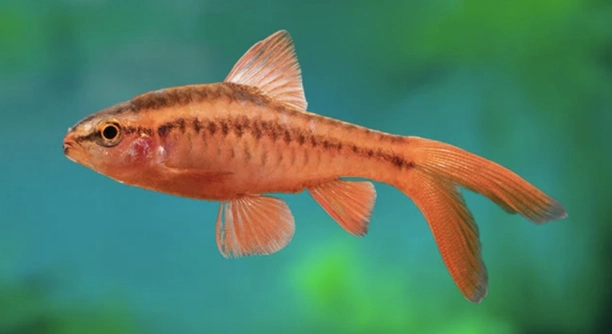
Cherry Barbs are a popular choice for aquarium enthusiasts, known for their bright colors and active behavior. However, sometimes they can be observed swimming near the bottom of the tank, which may raise concerns. Understanding their behavior can help ensure they stay healthy and happy.
Cherry Barbs swimming near the bottom of the tank can be a sign of stress, poor water quality, or health issues. It may also be related to their natural behavior, as they are known to explore all levels of the aquarium, including the bottom.
Learning about the reasons behind their behavior can help you better care for your Cherry Barbs and create a thriving aquarium environment. Keep reading to understand the factors that may be affecting them.
Why Cherry Barbs Might Be Stressed
Stress is one of the most common reasons Cherry Barbs swim near the bottom. They can become stressed due to sudden changes in their environment or handling. This stress may result from fluctuating water temperature, new tank mates, or poor water quality. When fish are stressed, they may avoid swimming in the middle or top areas of the tank, seeking refuge at the bottom instead. As sensitive creatures, Cherry Barbs rely on a stable environment. If their tank conditions change too quickly, they may retreat to the bottom to feel safer. Ensuring a consistent environment is crucial for their well-being.
Fish that are stressed may not show obvious signs of illness right away, but prolonged stress can weaken their immune system. This makes them more susceptible to diseases. You’ll often notice them swimming more slowly and less energetically as they attempt to hide and cope with their environment. When stress is involved, it’s important to address the tank’s conditions as soon as possible.
Regularly check water temperature, levels of ammonia, nitrites, and nitrates, and ensure they are within the ideal range for Cherry Barbs. A good filtration system is essential to maintaining these conditions. It’s also a good idea to observe the behavior of other tank mates to ensure they aren’t causing stress. If all of these factors are addressed, your Cherry Barbs should feel comfortable swimming throughout the tank.
Water Quality Matters
Water quality is vital for Cherry Barbs. Poor water conditions can lead them to swim near the bottom.
Cherry Barbs are particularly sensitive to water quality changes, which makes it crucial to monitor your aquarium regularly. Ammonia, nitrite, and nitrate levels need to be in check, and the water should be properly filtered. Dirty or polluted water stresses these fish, and they may instinctively swim lower to avoid exposure to toxins. Test kits for these parameters are available to help you track water quality. Frequent water changes also contribute to a healthier environment, keeping your Cherry Barbs active and comfortable.
Tank Size and Space
If your tank is too small, Cherry Barbs might feel cramped and stressed. This stress can push them to swim near the bottom where they feel more secure. A crowded environment doesn’t give them enough space to explore and move freely, causing them to become anxious.
Cherry Barbs are relatively small fish but still need ample swimming space. The recommended tank size for a small school of Cherry Barbs is at least 20 gallons. A cramped tank can lead to poor behavior and can even affect their health. If they don’t have enough space to swim around, they might hide near the bottom to avoid feeling overwhelmed.
If you’re keeping more than a few fish in the tank, consider upgrading to a larger one. This will help reduce stress and make your Cherry Barbs feel more comfortable. Having enough space to swim in a group also helps them thrive socially, as they’re naturally schooling fish.
Temperature Fluctuations
Cherry Barbs are sensitive to temperature changes, which can cause them to retreat to the bottom. Sudden drops or increases in temperature can make them uncomfortable, leading them to swim lower in search of stable conditions.
Maintaining a consistent water temperature is essential for Cherry Barbs. They thrive in temperatures between 72-80°F (22-27°C). If the water temperature fluctuates too much, it can stress them out and make them swim less actively. You may notice them spending more time near the bottom if they are too cold or too hot. It’s important to use a heater with a thermostat to maintain a stable temperature in your aquarium.
A sudden temperature change could also result from poor filtration or heater malfunction, so always check these devices. Keeping the water temperature consistent can prevent stress and allow your Cherry Barbs to swim comfortably at all levels of the tank.
Illness or Injury
Cherry Barbs may swim near the bottom if they’re feeling unwell or have been injured. Illnesses often cause them to become lethargic, making them seek shelter in lower parts of the tank. This can also be a sign of a more serious underlying issue.
If you notice that your Cherry Barb is swimming near the bottom and acting sluggish, it’s important to check for signs of illness. Look for unusual behavior, such as not eating, staying still, or hiding. Physical signs like torn fins, discoloration, or swollen areas may also indicate health problems.
If you suspect illness, consider isolating the affected fish in a quarantine tank to prevent the spread of any diseases. You can treat common fish illnesses with medications specific to the condition. Monitoring water quality and tank conditions also helps prevent stress-related illnesses in the first place.
Poor Tank Mates
Tank mates that are too aggressive or territorial can cause Cherry Barbs to swim near the bottom. They may avoid the top or middle areas to stay away from aggressive behavior.
Aggressive fish often chase, nip, or corner more peaceful species like Cherry Barbs. This behavior can lead to significant stress, causing the Cherry Barbs to seek refuge at the bottom of the tank. It’s essential to choose tank mates that share similar temperaments and are not too large or dominant. If aggression is an issue, consider removing the aggressor or adjusting the tank setup to give the Cherry Barbs more hiding spots and space to move away.
FAQ
Why are my Cherry Barbs swimming at the bottom of the tank?
There are several reasons why Cherry Barbs might swim near the bottom of the tank. Common causes include stress, poor water quality, illness, injury, temperature fluctuations, and overcrowding. These fish are sensitive to changes in their environment, so any of these factors could cause them to seek refuge at the bottom of the tank. Make sure to maintain stable tank conditions, provide enough space, and monitor the health of your fish.
How do I know if my Cherry Barb is stressed?
Stress in Cherry Barbs can be seen through changes in their behavior. If they are swimming near the bottom, hiding more often, or swimming less actively, it may be a sign of stress. Other signs include losing color, not eating, or displaying erratic swimming patterns. Stress can be caused by sudden changes in water parameters, aggression from tank mates, or overcrowding.
Can poor water quality affect Cherry Barbs?
Yes, poor water quality is one of the main factors that can cause Cherry Barbs to swim near the bottom. Ammonia, nitrites, and nitrates should be kept at safe levels to ensure the health of your fish. Poor water quality stresses the fish, and they may retreat to the bottom to escape toxins. Regular water testing and maintenance are key to keeping your tank safe for Cherry Barbs.
What temperature should I keep my tank for Cherry Barbs?
Cherry Barbs thrive in temperatures between 72-80°F (22-27°C). If the water temperature fluctuates too much, they may become stressed and swim near the bottom. Use a reliable heater with a thermostat to maintain a consistent temperature. Sudden temperature changes can also harm your fish, so always monitor the tank’s temperature regularly.
What should I do if my Cherry Barb is sick?
If your Cherry Barb appears sick and is swimming near the bottom, you should check for symptoms like discoloration, torn fins, or swelling. If you see any of these signs, isolate the fish in a quarantine tank to prevent the spread of illness. You can treat common diseases with medications, but it’s also important to check and improve the water quality to help your fish recover.
Can Cherry Barbs get along with other fish?
Cherry Barbs are generally peaceful fish and do well with other non-aggressive species. However, they may be stressed by overly aggressive or territorial tank mates. If you have fish that chase or nip at them, it could cause Cherry Barbs to swim near the bottom to avoid confrontation. Choose tank mates that are similarly peaceful to ensure a harmonious environment.
How much space do Cherry Barbs need?
Cherry Barbs should be kept in a tank that’s at least 20 gallons for a small school. A larger tank provides enough swimming space and helps reduce stress. When they’re kept in a cramped tank, they may feel trapped and avoid swimming in the middle or top areas of the tank. Ensure your Cherry Barbs have plenty of space to swim freely.
Can Cherry Barbs live in cold water tanks?
Cherry Barbs are tropical fish and require warm water temperatures to stay healthy. They are not suited for cold water tanks. If the water is too cold, they may become lethargic, swim less, and eventually retreat to the bottom for warmth. To keep your Cherry Barbs comfortable, maintain a temperature between 72-80°F (22-27°C).
How do I prevent my Cherry Barbs from getting sick?
To keep your Cherry Barbs healthy, maintain excellent water quality, provide them with enough space, and ensure stable tank conditions. Regular water changes, filtration, and temperature control are essential. Avoid overcrowding and watch for signs of stress or illness. Proper diet and good tank maintenance can also help prevent sickness.
What are the signs of overfeeding Cherry Barbs?
Overfeeding can lead to poor water quality, which in turn stresses your Cherry Barbs. Signs of overfeeding include uneaten food at the bottom of the tank, increased waste in the water, and changes in water parameters like rising ammonia levels. To prevent overfeeding, feed your Cherry Barbs small amounts they can consume in a few minutes. Adjust your feeding schedule based on how much they actually eat.
Can Cherry Barbs live with shrimp or snails?
Yes, Cherry Barbs can coexist with shrimp and snails. They are peaceful and won’t usually bother these species. However, they might nibble on baby shrimp, so it’s best to keep them with adult shrimp or snails. Always monitor their behavior and the well-being of all tank inhabitants to ensure they live peacefully together.
Do Cherry Barbs need a school of fish to thrive?
Cherry Barbs are schooling fish, meaning they do better in groups. Keeping at least six of them together helps reduce stress and encourages more natural behaviors. A larger school will also make them feel more secure, as they are naturally social fish. If you only have one or two, they may become stressed and act unnaturally.
How often should I clean my Cherry Barb tank?
Cleaning your tank regularly is important for maintaining good water quality. Perform partial water changes (about 25-30%) every two weeks to keep ammonia, nitrites, and nitrates at safe levels. Clean the tank decorations and substrate to remove waste and debris. Be sure to clean the filter regularly as well, but avoid disturbing the biological filtration.
What do Cherry Barbs eat?
Cherry Barbs are omnivores and enjoy a varied diet. You can feed them high-quality flakes, pellets, and occasional live or frozen foods like brine shrimp or bloodworms. Offer a balanced diet to keep them healthy and active. Overfeeding should be avoided as it can lead to water quality problems.
Final Thoughts
Cherry Barbs are beautiful and peaceful fish, but they are sensitive to their environment. If you notice them swimming near the bottom of the tank, it’s often a sign of stress or discomfort. Various factors can contribute to this behavior, including poor water quality, temperature fluctuations, or overcrowding. Stressful interactions with tank mates or illness can also cause Cherry Barbs to seek refuge at the bottom of the tank. Understanding these signs is important for ensuring your fish stay healthy and comfortable.
To avoid issues that lead to bottom-swimming behavior, it’s crucial to maintain a stable and clean tank environment. Regularly test the water for ammonia, nitrites, and nitrates, and make sure these levels stay within safe limits. Keeping a consistent water temperature, ideally between 72-80°F, can also help prevent stress. Additionally, providing enough space for your Cherry Barbs to swim freely is key. A larger tank and avoiding overcrowding will reduce stress and allow them to behave naturally. Be mindful of their tank mates, ensuring they are compatible and not too aggressive.
By keeping the tank conditions stable and addressing any stressors, you can help your Cherry Barbs feel secure and thrive in your aquarium. Paying attention to their behavior and acting quickly when changes occur can prevent health problems and ensure a happy, thriving tank. Cherry Barbs are a joy to watch when they are healthy, so by taking the time to care for their needs, you’ll enjoy their vibrant colors and playful nature for years to come.

Hello,
If you enjoy the content that we create, please consider saying a "Thank You!" by leaving a tip.
Every little bit helps us continue crafting quality advice that supports the health, happiness, and well-being of pets around the world, for pets of all shapes, sizes, and species.
We really appreciate the kindness and support that you show us!