
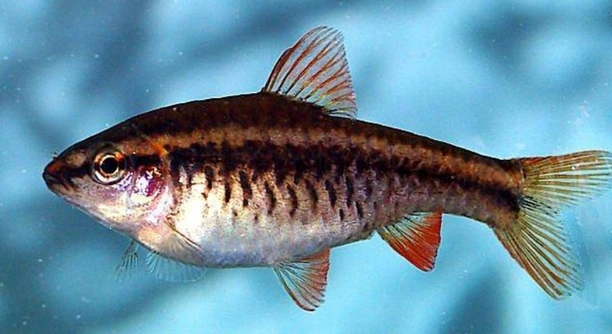
Cherry barbs are popular aquarium fish known for their lively behavior. However, if you notice them pacing back and forth, it can raise some concerns. This behavior is more common than you might think, but understanding it can help.
The primary cause of pacing in cherry barbs is stress, often triggered by poor water quality, overcrowding, or incompatible tank mates. They may also pace due to boredom or inadequate tank space, which restricts their natural movements.
Taking a closer look at their environment and routine can help reduce this behavior. The following tips will help you create a better living space for your fish, ensuring their well-being.
Causes of Stress in Cherry Barbs
Cherry barbs are sensitive to changes in their environment, and stress can cause a variety of behaviors, including pacing. Poor water quality is one of the most common stressors. If the water is too acidic, too alkaline, or contains high levels of ammonia or nitrates, it can negatively affect their health and cause them to pace around the tank. Overcrowding is another issue that often leads to stress. When there are too many fish in one tank, cherry barbs can feel cramped, which causes them to swim frantically in search of space. Additionally, poor tank conditions can make it difficult for them to establish territory, which leads to restless behavior.
It’s important to monitor water parameters and ensure they are within the appropriate range for cherry barbs. Regular water changes and proper filtration can help maintain a clean and healthy environment. Make sure the tank is not overcrowded and that the barbs have enough space to swim comfortably.
Keeping these factors in check will reduce stress and help your cherry barbs feel more secure. In the next section, we will look at how tank mates and boredom can also contribute to pacing.
Tank Mates and Compatibility
The behavior of cherry barbs is also influenced by the types of fish they share their tank with. Aggressive or overly dominant tank mates can make cherry barbs feel threatened, leading them to pace or hide more often. It’s important to choose peaceful and compatible fish species that won’t harm or stress the barbs. Fish that are too large or territorial may intimidate the barbs and cause them to act anxiously.
On the other hand, peaceful species like other small, non-aggressive fish work well with cherry barbs. Ensure that the tank is large enough to accommodate everyone without too much competition for space. This can reduce territorial issues and create a more relaxed environment.
If your tank mates are causing the pacing, consider relocating the aggressive fish to another tank. Creating a balanced and peaceful environment will help reduce stress and allow your cherry barbs to feel safe in their home.
Tank Size and Space
Tank size is crucial for the well-being of cherry barbs. If the tank is too small, they won’t have enough space to move around, which leads to pacing. A 20-gallon tank is a good minimum for a small school of cherry barbs. This gives them enough room to swim freely and feel comfortable in their environment.
If your tank is smaller than this, consider upgrading to one that offers more space. Cherry barbs are active swimmers and need room to explore. Without proper space, they will feel cramped and stressed, which often results in pacing. Additionally, a larger tank provides better water quality stability and a more balanced ecosystem.
Providing enough swimming space will help your cherry barbs feel less confined and reduce pacing. A larger tank also gives you more flexibility with tank mates and decorations, allowing you to create a more stimulating environment for them.
Boredom and Lack of Stimulation
Boredom is another common reason behind pacing. If cherry barbs are not provided with enough stimulation, they may swim back and forth, searching for something to do. Adding plants, rocks, and other decorations can create an environment where they can explore and hide. Cherry barbs are naturally curious, and giving them things to interact with will reduce their stress.
It’s also a good idea to introduce a group of cherry barbs if you have just one or two. They feel more secure and less anxious when they can interact with others of their species. Having a school of fish provides social interaction and prevents loneliness.
Consider switching up the tank decorations every once in a while to keep things fresh. New hiding spots, plants, or ornaments can stimulate their curiosity and reduce repetitive behaviors like pacing.
Water Temperature and Conditions
Cherry barbs prefer stable water conditions. If the temperature fluctuates too much, they can become stressed and start pacing. The ideal water temperature for cherry barbs is between 75°F and 80°F. Keeping the water steady helps them feel secure in their environment.
A heater can help maintain a consistent temperature in the tank. Sudden temperature changes or cold water can cause the barbs to become lethargic or overly active as they try to adjust. Make sure to regularly check the temperature and use a thermometer to keep it within the recommended range.
Stable water temperature is key for keeping your cherry barbs calm and preventing pacing behaviors.
Lighting and Its Impact
The lighting in the tank also plays a role in how cherry barbs behave. Too much light can cause them to feel stressed and uneasy, while too little light may make them feel disoriented. A moderate lighting schedule that mimics natural daylight is ideal for keeping the fish calm.
Proper lighting also allows cherry barbs to establish a natural day/night cycle, which helps regulate their activity levels. You can control the lighting by using a timer to maintain a consistent schedule. Aim for around 10 to 12 hours of light per day to prevent any unwanted stress.
By providing a stable and natural lighting schedule, you create a more peaceful environment for your fish, minimizing stress and reducing pacing behaviors.
Water Flow and Filtration
Cherry barbs thrive in environments with moderate water flow. If the current in the tank is too strong, they may struggle to move comfortably, which leads to pacing. Ensure the filter is working properly and not creating an excessive current.
A sponge filter or an adjustable powerhead can be helpful in controlling water flow. It’s important to strike a balance between adequate filtration and a gentle current. If the flow is too intense, consider adding decorations or plants to buffer the current and give your cherry barbs places to rest.
FAQ
Why are my cherry barbs swimming in circles?
Swimming in circles can be a sign of stress or boredom. Cherry barbs are active fish, but if they’re confined to a small space or lack stimulation, they might start swimming in repetitive patterns. To address this, consider improving the tank size, adding more plants or decorations, and increasing tank mate compatibility. Sometimes, cherry barbs may circle as they explore new areas or react to changes in the tank environment, such as water parameters or lighting.
Can cherry barbs become too stressed from being alone?
Yes, cherry barbs are social creatures and do better in schools. If they’re kept alone, they can experience stress and loneliness, which may lead to pacing or erratic swimming behavior. It’s best to keep them in groups of at least 5 or 6, which helps them feel secure and reduces stress. A solitary fish may lack the comfort and social interaction needed to thrive in captivity. Adding more cherry barbs to the tank can alleviate these issues.
How can I tell if my cherry barbs are bored?
Cherry barbs show signs of boredom by swimming in repetitive patterns, like pacing or circling, especially if they are not interacting with their environment. They may also appear more active or restless than usual. A well-decorated tank with plants, caves, and other hiding spots can encourage natural behaviors and provide more engagement for your fish. Regularly changing decorations can also help reduce boredom. If your cherry barbs are pacing, try increasing the tank’s complexity to provide mental stimulation.
Can poor water quality make my cherry barbs pace?
Absolutely. Poor water quality can stress your cherry barbs, leading to pacing or abnormal swimming. High levels of ammonia, nitrites, or nitrates can irritate their gills and cause discomfort. Regular water changes and proper filtration are key to maintaining water quality. Additionally, testing the water parameters for pH, hardness, and temperature regularly will help ensure they stay within an acceptable range. Keeping your tank clean and regularly monitoring the water helps reduce stress and keep your cherry barbs healthy.
What temperature do cherry barbs prefer?
Cherry barbs thrive in a temperature range of 75°F to 80°F (24°C to 27°C). Maintaining a stable temperature is crucial to prevent stress. Extreme fluctuations can cause your fish to become anxious, resulting in behaviors like pacing. A consistent temperature helps regulate their biological processes and keeps them comfortable. Investing in a reliable aquarium heater and thermometer will help you keep the temperature steady, ensuring your cherry barbs remain calm and healthy.
How much space do cherry barbs need in the tank?
Cherry barbs are active swimmers, so they need plenty of space to move around. A 20-gallon tank is a good size for a small school of cherry barbs. If you have more fish or plan to add more, consider a larger tank to avoid overcrowding. Overcrowding can cause stress, which leads to behaviors like pacing. Additionally, a larger tank provides better water quality stability and allows more room for decorations and plants. This space helps reduce territorial aggression and gives your cherry barbs a more natural, comfortable environment.
Can aggressive tank mates cause my cherry barbs to pace?
Yes, aggressive or overly dominant tank mates can cause stress and lead to pacing. Cherry barbs are peaceful fish and do best in calm communities. If tank mates are chasing, nipping, or competing for territory, your barbs may feel threatened and respond by pacing or hiding. To avoid this, choose peaceful species that are compatible with cherry barbs. Avoid keeping them with aggressive or territorial fish, as this can increase stress and disrupt the peaceful nature of the tank.
Is it normal for cherry barbs to pace during the night?
Cherry barbs are diurnal, meaning they are most active during the day and rest at night. However, if they are pacing at night, it could indicate stress or discomfort. Lighting or water temperature changes at night might disturb their sleep. To help them sleep better, maintain a consistent light schedule with a gentle dimming process in the evening. Additionally, ensure the tank is quiet and peaceful during the night to promote restful sleep for your fish.
How can I improve the water flow in my tank?
If your cherry barbs are pacing due to strong water currents, you can adjust the water flow to make the environment more comfortable for them. You can use a sponge filter or an adjustable powerhead to regulate the current. Make sure the water flow is not too strong for small fish like cherry barbs. Additionally, placing plants or decorations near the filter intake will help diffuse the current and create calm areas where your fish can rest.
Why do my cherry barbs pace even after changing the tank setup?
If your cherry barbs continue to pace even after you’ve made changes to the tank, it could be due to other stress factors, such as poor water quality, incompatible tank mates, or inconsistent temperature. It’s essential to check all aspects of their environment. Double-check the water parameters, tank mates, and filtration system. If possible, try adjusting the lighting or adding more hiding spots for them. Sometimes it takes a little while for your fish to adjust to a new setup, so be patient while they acclimate to the changes.
Final Thoughts
If your cherry barbs are pacing back and forth, it’s a clear sign that something in their environment is off. Whether it’s stress caused by water quality, lack of space, or even an incompatible tank mate, it’s important to address the root of the issue. Cherry barbs are active fish, but they need the right conditions to feel secure and comfortable. Identifying the cause behind the pacing is the first step toward helping them feel at ease again. Taking the time to evaluate their tank setup, water quality, and social environment can make a big difference in their overall well-being.
While it’s common for cherry barbs to pace when they’re feeling stressed, this behavior can be reduced with some simple adjustments. Keeping the water clean and within the ideal temperature range, as well as ensuring the tank is large enough and well-decorated, can help your fish thrive. It’s also crucial to consider their social needs—cherry barbs are not solitary creatures, and having a group of them will help reduce feelings of loneliness. Adding plants or creating more hiding spots can also provide the mental stimulation they need to reduce repetitive swimming patterns. A little thought and effort go a long way in creating a peaceful environment for your fish.
In the end, ensuring that your cherry barbs are happy and healthy means paying attention to the details. Regular maintenance, monitoring water parameters, and making sure they have enough space and tank mates are all essential parts of keeping your fish content. By addressing their needs, you’ll not only stop the pacing but also create an environment where your cherry barbs can flourish. Every fish is unique, so take the time to understand what makes your barbs feel safe and comfortable. With the right care, your cherry barbs will enjoy their home, swim peacefully, and show their natural beauty.

Hello,
If you enjoy the content that we create, please consider saying a "Thank You!" by leaving a tip.
Every little bit helps us continue crafting quality advice that supports the health, happiness, and well-being of pets around the world, for pets of all shapes, sizes, and species.
We really appreciate the kindness and support that you show us!