
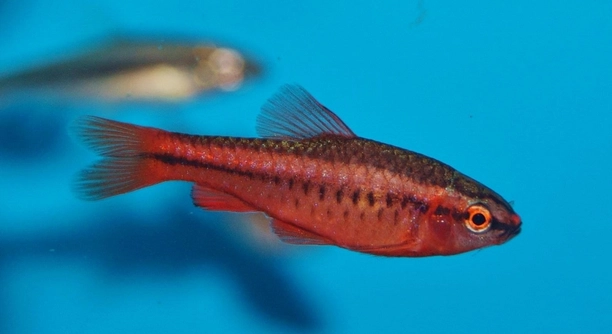
Cherry barbs are popular aquarium fish known for their vibrant color and playful behavior. However, it’s not uncommon for owners to notice that their cherry barbs seem most active in the morning.
Cherry barbs are typically more active in the morning due to their natural behavior patterns. As diurnal fish, they are more active during daylight hours, especially after lights turn on, signaling the start of their daily cycle.
Understanding the morning activity of your cherry barbs helps you create a better environment for them. With the right knowledge, you can adjust their tank conditions and ensure they stay healthy and engaged throughout the day.
The Natural Behavior of Cherry Barbs
Cherry barbs are diurnal, meaning they are naturally more active during the day. In the wild, they spend their days swimming and foraging, seeking food and interacting with others. This pattern is a survival instinct, helping them avoid predators by being more active during daylight hours. When kept in an aquarium, they adapt to this cycle, becoming more energetic when the lights come on in the morning. This is their time to swim, explore their environment, and feed. If you notice your cherry barbs being especially lively in the morning, it’s simply them following their biological rhythm.
Morning activity is a natural behavior seen in many fish. As the lights brighten, they react to the signals of a new day.
If you’ve observed your cherry barbs only becoming active in the morning, it’s likely related to their circadian rhythm. Like many fish, cherry barbs use the light-dark cycle to guide their activity. As the morning light triggers their alertness, they start moving around more energetically, looking for food. This is especially true if they associate feeding time with the beginning of the day. While their activity might taper off later in the day, the morning burst of energy is when they feel most awake and engaged.
Other Factors Affecting Their Activity
In addition to the light cycle, your cherry barbs’ behavior can be influenced by other factors. Water temperature, tank conditions, and even stress can play a role.
Cherry barbs thrive in stable tank conditions. They prefer water that is slightly warm, around 75-80°F (24-27°C), which supports their natural activity levels. If the water is too cold or too warm, they may become lethargic. Stress can also affect their energy levels. If they’re not comfortable in their environment, such as having an overcrowded tank or tank mates that make them feel threatened, they may appear less active. Additionally, poor water quality can reduce their activity, as they may be spending more time hiding rather than swimming around. Providing optimal conditions will encourage them to be more active throughout the day, not just in the morning.
Light and Dark Cycle Impact
The light and dark cycle plays a major role in regulating your cherry barbs’ behavior. Their activity tends to follow the natural progression of day and night, with the mornings being the most energetic period.
In the wild, cherry barbs are used to a natural light cycle that helps set their daily routine. When the lights in your tank come on in the morning, they interpret it as the start of a new day. This signals them to become more active, swimming and exploring their environment. On the flip side, as it gets darker, they will slow down and rest. This natural cycle is important for their overall health and wellbeing, mimicking their behavior in their native habitat.
Consistency in your tank lighting will help your cherry barbs feel secure. A steady day and night cycle prevents confusion and keeps them in sync with their instincts. Avoid abrupt changes in lighting, as this can cause unnecessary stress or disrupt their activity patterns. This predictability supports their natural rhythms and helps them maintain healthy behaviors.
Temperature and Water Quality
Temperature and water quality directly affect how active your cherry barbs are. If the water isn’t ideal, their energy levels can drop, and they may be less lively.
Cherry barbs are tropical fish, and they thrive in warmer water, typically between 75-80°F (24-27°C). If the temperature falls outside this range, it can cause them to become sluggish and inactive. Additionally, poor water quality can stress them out, further reducing their activity. Ammonia, nitrite, and nitrate levels should be kept in check to ensure the water remains healthy. Regular water changes and good filtration will help maintain the environment and keep your fish active.
A clean and stable tank with proper filtration encourages your cherry barbs to swim and interact more. If the water quality is compromised, they might hide or become lethargic. So, maintaining ideal water conditions is crucial for their overall health and activity levels throughout the day.
Feeding Schedule
The feeding schedule you set can also influence how active your cherry barbs are. If they associate morning with food, they’ll be more energized during that time.
When you feed them in the morning, they are more likely to be active as they prepare for a meal. This is because cherry barbs are often most eager to eat after a period of rest. Establishing a consistent feeding time helps them sync with their daily rhythm. If they are fed regularly at the same time, they will become more active and expect food during that part of the day.
Feeding your cherry barbs at the same time each morning helps them build a routine. Over time, they’ll become more predictable in their activity levels, allowing you to observe and adjust accordingly. Their morning activity becomes a signal that they’re ready to interact and be more active.
Tankmates and Social Dynamics
The presence of other fish in the tank can affect your cherry barbs’ energy levels. Tankmates can either encourage or reduce their activity.
If you have other active species in the tank, your cherry barbs may feel more comfortable swimming and exploring. They tend to be social fish and may enjoy the company of other peaceful species. On the other hand, aggressive or territorial tankmates can stress your cherry barbs, causing them to retreat and limit their activity. Ensuring compatibility in your tank is important for keeping your fish happy and active.
Stress Factors
Stress can dramatically affect the activity levels of cherry barbs. Whether it’s from poor water conditions, aggressive tankmates, or overcrowding, stress leads to lethargy.
Overcrowding, for example, can cause cherry barbs to feel confined and anxious. This may result in reduced activity, as they hide more often and avoid swimming freely. Stress also weakens their immune system, making them more susceptible to illness. Keeping their environment calm and well-maintained will help them feel secure and active.
FAQ
Why are my cherry barbs not as active in the evening?
Cherry barbs are diurnal fish, meaning they are naturally more active during daylight hours. As the day progresses and the lighting in the tank dims, they begin to wind down. This is part of their circadian rhythm. Their energy levels drop as the environment gets darker, signaling them to rest. By the evening, their biological clock is telling them it’s time to slow down. However, if your barbs seem overly sluggish at night, you may want to check the water temperature and quality to ensure they aren’t stressed or uncomfortable.
Do cherry barbs get more active with tank mates?
Yes, cherry barbs can be more active when they are kept with peaceful tank mates. Being social creatures, they tend to be more energetic and confident when they feel safe with other fish. They may engage in more swimming, chasing, and exploring if they have companions. However, if tank mates are too aggressive or territorial, your cherry barbs might become stressed and retreat, making them less active. Choosing tankmates that are calm and compatible with cherry barbs is essential to ensure they stay lively.
Can I change my cherry barbs’ feeding schedule to make them more active?
Changing your cherry barbs’ feeding schedule can influence their activity patterns. If you feed them in the morning when they naturally tend to be more active, they may become more energetic. Consistent feeding times will help establish a routine, and your barbs will likely anticipate mealtime, making them more engaged and active during those periods. However, be cautious not to overfeed. Overfeeding can lead to poor water quality and obesity, both of which can negatively impact their energy levels.
What water temperature is ideal for cherry barbs?
Cherry barbs thrive in warm water, with the ideal temperature range being between 75-80°F (24-27°C). Water that is too cold can slow down their metabolism and make them lethargic. On the other hand, water that is too hot can stress them out, leading to decreased activity. Keeping the water within the optimal range ensures that your cherry barbs stay active, healthy, and vibrant. It’s important to monitor the temperature regularly with a reliable thermometer and make adjustments if necessary to maintain a stable environment.
Can stress make my cherry barbs less active?
Yes, stress is one of the primary reasons for reduced activity in cherry barbs. Stress can come from various sources such as poor water conditions, overcrowding, aggressive tankmates, or sudden changes in their environment. When stressed, cherry barbs may retreat, swim less, or even hide. To reduce stress, maintain clean water, ensure your fish have enough space, and provide appropriate tankmates. Stress management is crucial to ensure your barbs remain lively and healthy.
Do cherry barbs sleep at night?
Yes, cherry barbs sleep during the night. Like most fish, they follow a natural cycle where they rest when it gets dark. Their sleep is not the same as mammals’ sleep, but they do slow down their activity, rest, and conserve energy during the night. This is a natural behavior influenced by their circadian rhythm, where they become more active when the light is on and rest when it’s off. Having a consistent day and night cycle in your tank helps regulate their sleep patterns and overall health.
How long should I wait before expecting my cherry barbs to become active?
Cherry barbs usually start to become active within 30 minutes to an hour after the tank lights come on in the morning. This is their most active time of day. However, their activity levels may vary depending on factors like water quality, temperature, and tankmates. If they aren’t moving much during the day, it’s worth checking these variables. If all is well, they should be swimming around more as the day progresses.
Can poor water quality affect cherry barbs’ activity levels?
Yes, poor water quality can significantly affect the activity levels of cherry barbs. High levels of ammonia, nitrites, or nitrates can lead to stress, causing them to become sluggish or inactive. It’s important to maintain good water quality through regular water changes and proper filtration. Cherry barbs are particularly sensitive to changes in water conditions, so consistent monitoring of pH, hardness, and temperature is essential for their wellbeing and activity. When water quality is optimal, they’ll be more likely to remain active and healthy.
Are cherry barbs more active when they’re in a group?
Yes, cherry barbs are more active when they are in a group. These fish are naturally social and feel more secure when kept in groups of at least 5 or more. They tend to swim and interact more when they have company, especially during feeding times. A group of cherry barbs will often engage in playful swimming, exploring, and foraging together. Keeping them in small groups mimics their natural behavior and helps reduce stress, making them more likely to be active throughout the day.
How does lighting affect my cherry barbs’ activity?
Lighting has a direct impact on your cherry barbs’ activity levels. A consistent light-dark cycle helps regulate their circadian rhythm. Cherry barbs will typically become more active when the tank lights come on, signaling the start of the day. Conversely, they begin to slow down and rest as the light dims. If your tank lights are on for too long or the schedule is inconsistent, it could confuse your fish and cause them to be less active. Maintaining a regular 10-12 hour light cycle mimics natural daylight patterns and supports their active periods.
Final Thoughts
Cherry barbs are naturally active during the morning hours due to their diurnal behavior. This means they are more likely to swim and explore when the lights come on, signaling the start of their day. As the day progresses and the light dims, their activity levels tend to decrease, which is normal for this species. By understanding their natural cycles and ensuring a consistent light schedule, you can help them feel secure and more engaged during the daytime. A steady environment promotes their health and activity, making it easier for you to enjoy watching them.
There are several factors to consider if you want to keep your cherry barbs active throughout the day. Water quality, temperature, and feeding schedules all play a role in their energy levels. Maintaining a warm, clean tank with stable water conditions ensures they stay comfortable and lively. Additionally, feeding them regularly in the morning helps to align their activity with their natural rhythm. Tankmates can also influence their behavior—peaceful companions encourage activity, while aggressive ones can cause stress and reduce their energy levels. Monitoring these factors will help you create the best environment for your cherry barbs to thrive.
Understanding the needs and behaviors of your cherry barbs will not only help you support their natural activity but also ensure their overall health. If your fish seem unusually inactive, it’s a good idea to check the water temperature, quality, and lighting. By keeping these elements in check, you can ensure your cherry barbs are active, healthy, and happy. These small adjustments will help you make the most of your time with these beautiful and energetic fish.

Hello,
If you enjoy the content that we create, please consider saying a "Thank You!" by leaving a tip.
Every little bit helps us continue crafting quality advice that supports the health, happiness, and well-being of pets around the world, for pets of all shapes, sizes, and species.
We really appreciate the kindness and support that you show us!