
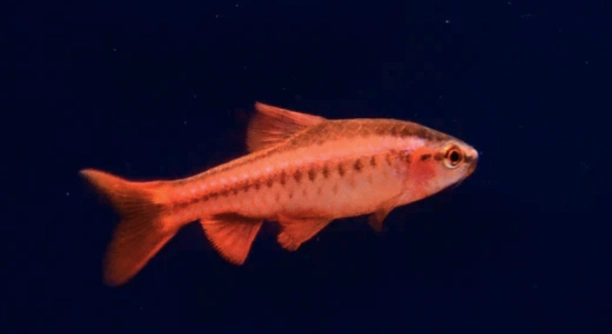
Cherry barbs are often admired for their vibrant colors and active social behavior. However, it can be frustrating when they seem to ignore each other, especially if you’ve added them to a community tank. Understanding their behavior can help resolve this issue.
The main reason cherry barbs may ignore each other is stress or a lack of appropriate social stimuli. Inadequate tank conditions, such as poor water quality, overcrowding, or insufficient hiding spots, can affect their interactions and social bonding.
Addressing the root causes of stress in your tank will encourage a healthier environment and improve their social interactions.
Common Reasons Cherry Barbs May Ignore Each Other
There are several factors that could cause cherry barbs to ignore one another. Stress plays a significant role in their behavior, particularly if their tank environment is not ideal. Overcrowded tanks, insufficient hiding spaces, or water that’s not properly maintained can make your fish feel uneasy, resulting in a lack of social interaction. Cherry barbs are generally peaceful and active but need a suitable environment to thrive. If their tank is too small, too busy, or poorly maintained, they may not feel safe enough to engage with each other. Ensuring your fish have plenty of space and the right water conditions will help them settle and interact more.
In addition to stress, another factor is the dominance of a single cherry barb. When one fish is more dominant, it may create a power imbalance that discourages others from socializing. This is especially common when there is an unequal sex ratio or if the tank lacks enough hiding places.
Making sure the tank is set up correctly, with ample space and hiding spots, can make a big difference. Adding more plants, decorations, or even a few more cherry barbs can give them a better chance to bond.
How to Address the Issue
If your cherry barbs are not interacting as expected, it’s important to address the factors that might be causing their discomfort. First, check your tank’s water quality. Poor water parameters can cause stress and disrupt the fish’s natural behavior. Testing for ammonia, nitrites, and nitrates, as well as maintaining a consistent temperature, can go a long way. Keep the water clean and perform regular water changes to keep the environment stable.
Next, evaluate the tank size. Cherry barbs require enough space to swim freely, and overcrowding can lead to stress, aggression, or hiding. If your tank is too small, it may be time to upgrade. Adding plants and decorations will not only make your tank more visually appealing but also create hiding spots that will help reduce stress.
Lastly, ensure you have the right balance of male and female cherry barbs. A ratio of 2–3 females per male will encourage more natural interactions and reduce the likelihood of dominance issues. By making these adjustments, you can create a more harmonious environment for your fish and encourage them to engage with each other.
Tank Size and Space for Cherry Barbs
If your tank is too small, your cherry barbs may feel cramped and stressed. This can cause them to avoid each other. A tank of at least 20 gallons is ideal for a small group of cherry barbs. Ensuring enough space to swim and hide is key to their well-being.
A larger tank provides more territory for each fish, which can reduce stress. Overcrowding can also lead to competition for food and space, which could make them more withdrawn. Adding plants, rocks, and decorations will break up the space and give each fish their own area. This creates more opportunities for socializing, as it prevents the barbs from feeling like they’re constantly in each other’s way.
You should also consider the number of fish in the tank. More space allows you to keep a better balance of male and female cherry barbs. With the right ratio, the fish will feel more comfortable in their environment. This encourages positive social interactions rather than competition.
Water Quality and Parameters
Water quality plays a critical role in the behavior of cherry barbs. Poor water conditions can cause significant stress, which may lead to them ignoring one another. Testing your water regularly for ammonia, nitrites, nitrates, and pH is essential for maintaining a healthy tank environment.
Keeping the water clean with regular water changes is necessary to avoid any buildup of harmful substances. Cherry barbs prefer slightly acidic to neutral water, with a pH range of 6.5 to 7.5. The water temperature should also be stable, ranging from 72°F to 80°F. If the temperature fluctuates too much, it could stress your fish and cause them to retreat.
Filtration also plays a role in water quality. Ensure your filter is properly maintained to prevent any toxic substances from building up. Keeping the tank clean and within optimal parameters will help your cherry barbs feel secure and more willing to socialize.
Dominance and Hierarchy
If one cherry barb is more dominant, it can cause the others to avoid interaction. Dominant fish tend to claim the best spots in the tank, which can make others feel insecure. This power dynamic can prevent social bonding, as the others stay out of the dominant fish’s way.
To reduce dominance issues, provide enough space and hiding spots for all fish. A lack of hiding places can make the dominant barb even more territorial. This will encourage more even social behavior and reduce the feeling of competition.
Gender Imbalance
An unequal number of males and females can lead to aggression or stress in cherry barbs. Males often compete for attention from females, which may lead to isolation among some fish. Ensuring the right ratio will help your fish interact better with each other.
Aim for a ratio of at least two to three females per male. This will reduce the pressure on individual females and keep the males occupied with less aggressive interactions. The more balanced the ratio, the less likely they are to ignore one another.
Tank Environment and Hiding Spots
Cherry barbs feel more secure when there are plenty of hiding spots in the tank. If your tank is too open, they may retreat to corners, which can result in less social interaction. Adding plants, rocks, and driftwood will help them feel comfortable and encourage socializing.
Having areas where they can hide also prevents stress from bullying or excessive dominance. It gives them room to explore and find safe spaces, promoting healthier relationships. Make sure your tank setup includes these features to create a more balanced environment where they can thrive.
FAQ
Why do my cherry barbs hide all the time?
Cherry barbs can hide for several reasons. One of the most common reasons is stress. If the tank environment isn’t suitable, such as poor water quality or overcrowding, your cherry barbs may seek refuge in hiding spots. Another possible cause is bullying or dominance behavior from other fish. If one fish is overly aggressive, it can push others to hide. To help, make sure your tank is properly maintained, has enough space, and contains hiding places like plants or decorations to give your cherry barbs a sense of security.
How can I tell if my cherry barbs are stressed?
Stress in cherry barbs can show in several ways. If they are swimming erratically, avoiding each other, or hiding frequently, these could be signs of stress. Stress may also cause your cherry barbs to lose their color, appear sluggish, or stop eating. If the water temperature fluctuates, or the water quality is poor, it can stress your fish. Ensuring stable water parameters and offering a calm environment can help reduce stress and improve the health of your fish.
What is the best tank size for cherry barbs?
For a small group of cherry barbs, a tank size of at least 20 gallons is recommended. This provides enough space for them to swim freely and interact with each other without feeling overcrowded. A larger tank is always better if you plan to add more fish or live plants, as it offers more territory and reduces competition. Keeping the tank size adequate for the number of fish will ensure a healthier environment and better social behavior among your cherry barbs.
Can cherry barbs live with other fish?
Yes, cherry barbs are peaceful fish and can live well with other non-aggressive species. They thrive in community tanks with similar-sized fish. Some good tank mates for cherry barbs include other peaceful species like neon tetras, rasboras, and guppies. Avoid aggressive fish or those that are too large, as they may intimidate the cherry barbs, leading to stress and hiding. Always consider the tank’s size and the other fish species’ temperament before adding them to the tank.
Why are my cherry barbs not eating?
If your cherry barbs aren’t eating, it could be due to poor water quality, temperature fluctuations, or stress from tankmates. Overfeeding or offering food that doesn’t suit their preferences may also cause them to lose interest in eating. To resolve this, check your tank’s water parameters, ensure the temperature is within the optimal range (72°F to 80°F), and offer a variety of food types like flakes, pellets, and occasional live food. Keeping a clean tank and avoiding overcrowding will also encourage them to eat properly.
How many cherry barbs should I keep together?
Cherry barbs are social fish and should be kept in groups. A minimum of six cherry barbs is recommended to help them feel secure and comfortable in their environment. Keeping a larger group can reduce stress and encourage natural social behaviors. In smaller groups, the fish may become more territorial, and aggression or dominance issues may arise. With a proper group size, they are more likely to display their natural behaviors, including swimming and interacting together.
Do cherry barbs need plants in their tank?
While cherry barbs can survive in tanks without plants, they greatly benefit from the addition of live plants. Plants provide hiding spots, reduce stress, and give the fish areas to explore and interact with each other. Plants also help maintain water quality by absorbing excess nutrients. In addition, plants help create a more natural environment, promoting the overall health and well-being of your cherry barbs. Consider adding floating plants or bushy species to provide more coverage.
What temperature is best for cherry barbs?
Cherry barbs prefer water temperatures between 72°F and 80°F. They thrive in warm water and will be most comfortable when the temperature stays within this range. Too low or too high a temperature can cause stress, affect their immune system, and reduce their activity levels. Ensure that your tank’s temperature is stable, and use a reliable heater to maintain the proper conditions for your fish. Regularly check the temperature to avoid any sudden fluctuations.
Are cherry barbs aggressive?
Cherry barbs are generally peaceful and non-aggressive fish. However, males may become territorial and display aggressive behaviors during breeding or if they are kept in too small of a space. Aggression can also occur if there are not enough hiding spots in the tank, leading the fish to feel threatened. By maintaining a proper tank size, providing enough space, and keeping a proper male-to-female ratio, aggression among cherry barbs is typically minimal. They are best kept in groups where they can interact without the pressure of dominant behaviors.
How often should I feed cherry barbs?
Cherry barbs should be fed once or twice a day. It’s important to offer small amounts of food that they can eat within a few minutes to avoid overfeeding and water quality issues. Their diet should consist of a mix of high-quality flakes, pellets, and occasional live or frozen foods like brine shrimp. Overfeeding can lead to excess waste in the tank, which can negatively impact water quality. Feeding them regularly but in moderation will keep them healthy and active.
Final Thoughts
Cherry barbs are peaceful and social fish, but when they ignore each other, it can be a sign that something isn’t quite right. Understanding the causes behind their behavior can help you create an environment where they feel secure and comfortable. Factors such as stress, dominance issues, or gender imbalances can all contribute to the lack of social interaction. With the right care, adjustments to the tank, and attention to their needs, you can encourage your cherry barbs to engage more with each other.
One important aspect is ensuring the right tank setup. Cherry barbs thrive in tanks that provide plenty of space, hiding spots, and plants. Without these elements, they may feel vulnerable, which could lead them to hide more often or avoid interaction with others. Ensuring your tank’s water quality, temperature, and size are ideal is also critical for creating a positive environment. Overcrowding and poor water quality are common causes of stress that may cause your cherry barbs to act in ways you don’t expect.
Lastly, keeping the right balance of fish in the tank is essential. Cherry barbs are best kept in small groups, with a higher number of females to males. This balance helps reduce aggression, especially during breeding periods, and encourages social behavior. By paying attention to these factors, you’ll create a healthier environment for your cherry barbs to thrive and interact. With the right care, you’ll see your fish become more active and engaging with each other, providing a better overall experience for both you and your fish.

Hello,
If you enjoy the content that we create, please consider saying a "Thank You!" by leaving a tip.
Every little bit helps us continue crafting quality advice that supports the health, happiness, and well-being of pets around the world, for pets of all shapes, sizes, and species.
We really appreciate the kindness and support that you show us!