
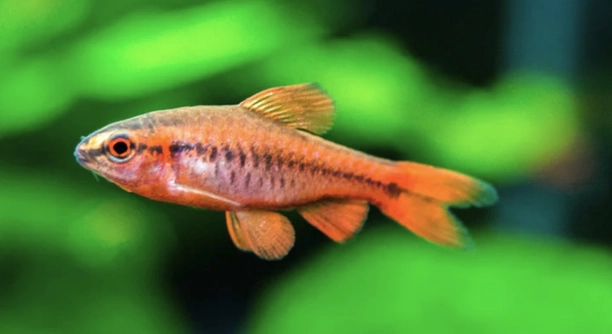
Cherry barbs are lively, social fish, often seen following one another in schools. This behavior is part of their natural instincts and can occur for various reasons, including bonding and safety in their environment.
The primary reason cherry barbs follow each other is due to their schooling behavior, which helps them stay protected from potential predators. They also follow each other as a way to communicate and establish a social structure within the group.
This behavior is essential to their well-being, ensuring that they feel safe and connected to their group.
Why Cherry Barbs Follow Each Other: The Basics of Schooling Behavior
Cherry barbs, like many other fish species, are known for their schooling behavior. This is a natural instinct that provides several benefits, such as protection from predators and easier access to food. When they follow each other, it helps the group stay unified and reduces the risk of becoming isolated. In the wild, this behavior ensures the safety of the group by making it harder for predators to target a single fish. Cherry barbs often stick together, not only for protection but also to share social bonds and communicate with each other.
The following behavior is a sign that your cherry barbs feel comfortable in their environment. It’s a positive sign that they’re adjusting well to their aquarium, creating a peaceful and secure atmosphere.
However, if you notice that the fish are excessively chasing or bumping into each other, it might signal some stress or discomfort. In a well-maintained tank, this behavior is typically harmless and part of their natural routine.
What Triggers Schooling Behavior?
Schooling is also triggered by environmental factors such as light levels, water temperature, and tank size. Cherry barbs are sensitive to changes in their surroundings and will naturally adjust their schooling behavior to cope with these changes. For example, when they feel threatened or insecure, they tend to gather in tighter groups for comfort. Proper tank setup, including hiding spots and gentle filtration, can also encourage schooling by giving the fish a place to retreat if needed.
It’s important to maintain stable conditions, as dramatic changes can lead to stress and disrupt their schooling patterns. If you notice your cherry barbs no longer schooling as usual, it may be time to check your water quality or adjust their habitat.
Why Cherry Barbs Follow Each Other in Tight Groups
Cherry barbs follow each other closely in groups because they are naturally social creatures. This behavior, known as schooling, provides them with protection and increases their sense of security. In the wild, they rely on this instinct to evade predators and stay safe.
When cherry barbs school, they move together in synchrony. This coordinated movement makes it harder for predators to single out one fish. It’s not just for protection, though. Schooling helps the fish establish and maintain social connections within the group. If they’re alone, they may become stressed, so being part of a group ensures a stable, low-stress environment.
In an aquarium, this behavior is essential for their well-being. Ensuring they have enough space to swim and socialize with other fish can prevent them from becoming anxious. A well-maintained tank with compatible tank mates encourages cherry barbs to school, allowing them to thrive in their environment.
Schooling and Communication Among Cherry Barbs
Cherry barbs also follow each other to communicate. In a group, they use subtle movements and body language to convey information. This can include signals for finding food, avoiding threats, or simply staying together.
When in a group, cherry barbs rely on these cues to interact with one another. They will often mimic each other’s movements to stay in sync and keep the school together. This communication is vital for their social structure, helping them know when to speed up, slow down, or change direction.
To ensure this behavior, your cherry barbs need a stable environment where they can interact freely. A tank with other peaceful species and hiding spots will give them space to express their natural schooling tendencies.
How Tank Conditions Affect Schooling Behavior
The conditions in your tank can significantly impact how cherry barbs interact with each other. If the water temperature is too high or low, or if the tank feels too cramped, the fish may not school effectively. Providing a comfortable, stable environment encourages them to follow each other.
Proper tank conditions, including a stable temperature and clean water, make the environment more inviting for cherry barbs. They thrive when they feel secure and comfortable, which includes having enough space to move around freely. If conditions are off, they may become more reclusive, disrupting their natural schooling behavior.
The Role of Tankmates
Cherry barbs can be sensitive to their tankmates. Peaceful species are ideal companions, as aggressive fish can cause stress and break up the school. When placed with suitable fish, cherry barbs are more likely to school together, feeling less threatened.
Choosing the right tankmates will help your cherry barbs maintain their social behavior. Avoid species that are overly aggressive or territorial, as this can lead to stress and cause them to swim alone. Instead, consider peaceful species that complement the cherry barbs’ temperament, promoting a calm, cohesive school.
How to Encourage Cherry Barbs to School
To encourage cherry barbs to school, offer plenty of hiding spots and live plants. These will help the fish feel secure and reduce stress. A spacious tank with soft, non-abrasive substrate also makes it easier for the fish to swim together without feeling confined.
In addition, adding more cherry barbs to the group will strengthen their natural instinct to school. Ideally, a group of at least six will help them feel more secure. The more social fish there are, the more likely they are to stay close to each other and maintain their schooling behavior.
FAQ
Why do cherry barbs follow each other?
Cherry barbs follow each other due to their natural schooling behavior. This instinct helps them stay safe from predators and maintain social bonds within their group. In the wild, moving in a school makes it harder for predators to target an individual fish. In an aquarium, following each other also allows the fish to communicate and share space comfortably. It’s a sign that they feel secure in their environment, and it’s a healthy part of their behavior.
Can cherry barbs school with other fish species?
Yes, cherry barbs can school with other species, but it depends on the tankmates. They typically school with other cherry barbs or similar peaceful species that share their temperament. Aggressive or overly dominant fish can disrupt the school and stress the cherry barbs. It’s best to keep them with non-aggressive fish like rasboras or other small community fish that won’t compete for space or intimidate them.
How many cherry barbs should I keep together?
Cherry barbs should ideally be kept in groups of at least six. The more fish in a group, the more likely they are to school and feel secure. Smaller groups may not exhibit as strong schooling behavior because the fish may feel less comfortable and more exposed to stress. Larger groups create a sense of security, encouraging natural behaviors.
What size tank do cherry barbs need to school properly?
To ensure cherry barbs can school properly, the tank should be at least 20 gallons. A larger tank provides enough swimming space for the fish to follow each other comfortably without feeling cramped. A tank that is too small can make the fish feel stressed and disrupt their schooling behavior. The more space they have to move around, the better their schooling behavior will be.
Can cherry barbs be kept in tanks with strong currents?
Cherry barbs prefer calm to moderate water flow. Strong currents can stress them and prevent them from schooling effectively. In nature, they live in slow-moving streams and ponds, so replicating this environment in an aquarium is ideal. If your tank has a strong filter or current, consider placing decorations or plants to create calm spots where the fish can retreat and feel secure.
Do cherry barbs need live plants to school?
Live plants are beneficial for cherry barbs, but they are not strictly necessary for schooling. However, plants provide shelter, hiding spots, and help reduce stress. Cherry barbs feel more secure when they have places to hide or explore. A well-planted tank mimics their natural habitat, encouraging natural behavior like schooling and communication.
How can I tell if my cherry barbs are stressed?
Stressed cherry barbs may exhibit behaviors such as hiding, refusing to eat, or swimming erratically. They may also stop schooling and isolate themselves from the group. Stress can be caused by various factors, such as poor water quality, overcrowding, or incompatible tankmates. If you notice these signs, it’s important to address the issue promptly to improve their well-being.
Can I mix male and female cherry barbs in the same tank?
Yes, male and female cherry barbs can be kept together. In fact, having both sexes in a group encourages natural breeding behaviors. However, it’s important to maintain a balance of males and females to reduce competition for mates. Too many males can cause stress as they may become territorial and aggressive toward each other. A good ratio is 2-3 females for every male.
Why are my cherry barbs not schooling together?
If your cherry barbs aren’t schooling, it may be due to stress, poor water conditions, or incompatible tankmates. They may also be too few in number, making them feel insecure. Check the tank’s temperature, water quality, and ensure that their environment is peaceful and stable. Adding more fish or providing more hiding spots might encourage them to school together.
Do cherry barbs get along with other peaceful fish?
Yes, cherry barbs generally get along with other peaceful fish. They are not aggressive and can coexist with many other small, non-aggressive species. Good tankmates include other community fish like tetras, rasboras, and corydoras. Avoid keeping them with large, predatory fish that may intimidate or harm them.
What is the best way to feed cherry barbs in a school?
Feed cherry barbs in a way that encourages group feeding. Use small, high-quality pellets or flakes and sprinkle them across the surface of the tank. This way, all the fish can get their share and remain together while eating. You can also provide occasional live or frozen food, like brine shrimp or daphnia, to keep them healthy and satisfied.
Do cherry barbs need a heater in their tank?
Yes, cherry barbs need a heater in their tank to maintain a stable temperature. They thrive in water temperatures between 72-80°F (22-27°C). Keeping the water too cold or too hot can stress the fish and affect their schooling behavior. A reliable heater ensures that the environment stays consistent, supporting their health and natural behaviors.
How long do cherry barbs live in captivity?
Cherry barbs typically live for around 3-5 years in captivity, although some can live longer with proper care. Providing them with a well-maintained tank, stable water conditions, and a healthy diet can help them live a full, happy life. Regular tank maintenance and monitoring their health are key to ensuring they thrive for years.
Can cherry barbs breed in a home aquarium?
Yes, cherry barbs can breed in a home aquarium, though they are egg scatterers. If you want to encourage breeding, provide plenty of hiding spots for the eggs and make sure the water temperature is slightly warmer, around 78°F (25-26°C). Once the eggs hatch, remove the adults to prevent them from eating the fry. With proper care, you can enjoy watching the baby cherry barbs grow and develop in your tank.
Final Thoughts
Cherry barbs are wonderful fish to keep in a community tank. Their schooling behavior makes them interesting to watch and adds a lively dynamic to any aquarium. When they follow each other, it’s a sign of their social nature and instinctual need for safety. This behavior can be encouraged by providing a tank that feels secure, with good water quality and suitable tankmates. Ensuring they have enough space and avoiding strong currents will also help them feel comfortable and more likely to school.
The key to keeping cherry barbs happy and healthy lies in maintaining their environment. A stable temperature, clean water, and appropriate tank size are crucial. A tank that is too small or has poor water quality can cause stress, disrupting their natural behaviors. Providing enough hiding spots with plants or decorations can also help them feel more secure, which encourages them to school and interact with each other. Proper tank maintenance, such as regular water changes and monitoring for any signs of illness, is essential for their long-term well-being.
If you want to see your cherry barbs thrive, consider adding more to the group. A larger school of fish will help them feel more secure and encourage natural behavior. Cherry barbs are peaceful and will generally get along with other non-aggressive species, making them great for community tanks. With the right care, they will not only school together but also add beauty and energy to your aquarium. Remember to keep an eye on their environment, and you will enjoy watching their social interactions for years to come.

Hello,
If you enjoy the content that we create, please consider saying a "Thank You!" by leaving a tip.
Every little bit helps us continue crafting quality advice that supports the health, happiness, and well-being of pets around the world, for pets of all shapes, sizes, and species.
We really appreciate the kindness and support that you show us!