
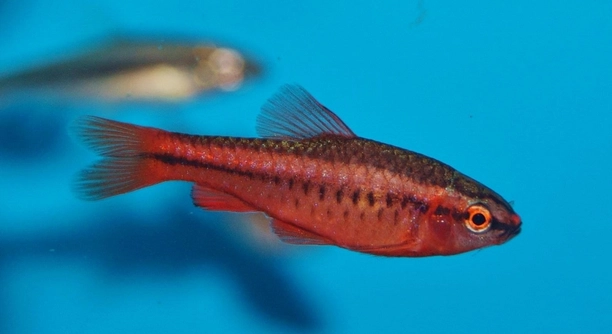
Cherry barbs are a popular freshwater fish, but it can be concerning when their breathing becomes noticeably fast. Understanding the causes behind this behavior can help ensure your fish’s health and comfort in their environment.
The most common reasons for fast breathing in cherry barbs include poor water quality, low oxygen levels, or stress. If your aquarium has high ammonia, nitrites, or low oxygen, the fish may increase their gill movement to compensate.
Identifying the cause of rapid breathing can help improve water conditions and reduce stress, promoting a healthier environment for your fish.
Common Water Quality Issues
Water quality is one of the leading factors influencing your cherry barb’s breathing. Poor water conditions can stress your fish and lead to faster breathing as they try to compensate for the lack of oxygen. If your aquarium’s water parameters are out of balance, such as high ammonia or nitrites, your fish will struggle to breathe properly. Regular water changes are essential for maintaining a healthy environment, as stagnant water can quickly lead to an oxygen deficit. It’s vital to monitor water temperature, pH, and hardness to ensure they remain within the recommended range for cherry barbs.
If your water parameters are not up to standard, it’s crucial to take immediate action. Testing the water regularly and using a reliable filter can help keep the water clear and oxygenated. This is essential for preventing further health issues and reducing the stress your cherry barbs experience.
Adding a good filtration system, coupled with proper aeration, ensures that oxygen levels are adequate. Clean water promotes not only proper breathing but also a more vibrant and active cherry barb. Consistently maintaining water quality helps keep your fish comfortable and thriving.
Stress-Inducing Factors
Cherry barbs are sensitive to changes in their environment, which can cause stress and lead to rapid breathing. Stress may arise from overcrowding, aggressive tank mates, or sudden changes in water temperature. If your fish are exposed to constant disturbances, they will exhibit signs of distress, including fast breathing.
To prevent stress, consider keeping only compatible species with your cherry barbs. Fish that are too aggressive or territorial can create tension in the tank, leading to breathing issues. Additionally, sudden temperature fluctuations can shock your fish and make them more vulnerable to respiratory problems. Keeping a stable and calm environment is key to maintaining healthy cherry barbs.
Making sure the tank is properly sized and well-planted also helps create a stress-free habitat. Cherry barbs appreciate having plenty of space to swim and hide, allowing them to feel secure. Regularly monitor the interactions of your tank mates to ensure that everyone is getting along.
Low Oxygen Levels
If your aquarium has low oxygen levels, your cherry barbs will breathe faster to compensate. This often happens when there isn’t enough water movement or aeration. Adding an air pump or a better filter can help oxygenate the water. A well-aerated tank ensures your fish can breathe properly without stress.
Low oxygen can also occur in densely planted tanks or tanks with poor water circulation. If plants are consuming too much oxygen, it leaves your fish gasping for air. Regularly check oxygen levels using an aquarium test kit. If your water doesn’t circulate well, install a sponge filter to improve flow.
Maintaining good water flow is essential for preventing low oxygen. You may need to adjust your filter’s flow rate or add a small powerhead to move water around. This will ensure the oxygen from the surface is properly mixed into the water, improving your cherry barb’s overall health and making it easier for them to breathe.
Temperature Fluctuations
Cherry barbs are sensitive to changes in temperature. If the water is too warm or too cold, your fish may struggle to breathe efficiently. Ideally, the tank should be kept between 75°F and 80°F (24°C to 27°C). Any drastic shift can cause rapid breathing and distress.
To avoid temperature fluctuations, use a reliable aquarium heater with a thermostat. Check the temperature regularly, especially if you live in an area with large temperature shifts between day and night. Consistent water temperature helps keep your fish calm and prevents respiratory issues.
If the tank is located in a drafty or highly variable environment, consider moving it to a more stable location. Additionally, avoid placing the tank near windows or heating vents, as these can cause rapid temperature changes. A stable temperature ensures your cherry barbs can breathe without additional strain on their bodies.
Overcrowding
Overcrowding is another reason your cherry barbs may be breathing quickly. When there are too many fish in the tank, the water quality suffers and oxygen levels decrease. Ensure there is enough space for each fish to swim comfortably.
If overcrowding is the issue, consider rehoming some of your fish or upgrading to a larger tank. A crowded tank also means more waste, which leads to higher ammonia levels. Regular water changes are crucial in overcrowded tanks to maintain a healthy environment.
Proper stocking is important for reducing stress and preventing fast breathing. Always ensure your tank is not overstocked, and monitor the behavior of your fish closely. A spacious tank is essential for cherry barbs to thrive.
Illness or Infection
If your cherry barbs are breathing rapidly, they may be suffering from a disease or infection. Fish illnesses often lead to faster breathing, as their bodies try to fight off the infection. Look for other signs, such as discoloration, lesions, or lethargy.
Infected fish may display rapid gill movement as their bodies attempt to take in more oxygen. It’s important to act quickly when illness is suspected. If possible, isolate the sick fish to prevent the spread of disease. You can also treat the tank with aquarium-specific medications, depending on the symptoms.
Ensure your tank is properly maintained to avoid creating an environment conducive to illness. Healthy fish will breathe steadily and show no signs of distress. Monitoring water quality and the overall well-being of your fish is key to preventing disease outbreaks in the first place.
Poor Diet
A poor diet can also contribute to rapid breathing in cherry barbs. If they are not receiving enough nutrients or eating improperly balanced food, their overall health can decline. Provide a varied diet, including high-quality flakes, pellets, and occasional live food.
FAQ
Why is my cherry barb breathing fast?
Rapid breathing in cherry barbs can be caused by several factors, including poor water quality, low oxygen levels, stress, or temperature fluctuations. Monitoring your tank’s water parameters, ensuring proper oxygenation, and maintaining stable water temperature can help prevent this issue. If the problem persists, check for signs of illness.
Can stress cause cherry barbs to breathe quickly?
Yes, stress is a common cause of fast breathing in cherry barbs. Overcrowding, aggressive tank mates, or sudden changes in their environment can cause stress. Ensure your tank is not overcrowded and that the fish have space to swim and hide. Stable conditions help reduce stress and prevent rapid breathing.
How can I improve the water quality for my cherry barbs?
To improve water quality, perform regular water changes, clean the tank, and maintain your filtration system. Test for ammonia, nitrites, and pH levels frequently. If necessary, use an aquarium filter that offers good mechanical, biological, and chemical filtration. A clean tank will promote better breathing and overall fish health.
What is the ideal water temperature for cherry barbs?
Cherry barbs thrive in water temperatures between 75°F and 80°F (24°C to 27°C). Keeping the water within this range will prevent stress and encourage normal breathing. Rapid temperature fluctuations can cause discomfort and lead to increased breathing. Use a reliable heater to keep the water stable.
Can low oxygen levels cause fast breathing in cherry barbs?
Yes, low oxygen levels can cause cherry barbs to breathe faster. Lack of proper water circulation or insufficient aeration can lead to reduced oxygen availability. Adding an air pump, improving filtration, or increasing surface agitation can help oxygenate the water and provide relief for your fish.
How often should I change the water in my aquarium?
You should change 25-30% of your aquarium water every 1-2 weeks. This helps maintain good water quality and prevents harmful substances like ammonia and nitrites from building up. More frequent changes may be necessary in smaller tanks or tanks with more fish.
What should I do if my cherry barb is sick?
If your cherry barb shows signs of illness, such as rapid breathing, discoloration, or lesions, isolate it in a quarantine tank and observe its behavior. Research the symptoms to identify the possible cause of illness and treat with appropriate medications. If necessary, consult with a veterinarian experienced in fish care.
How can I prevent overcrowding in my tank?
To prevent overcrowding, ensure that your tank has enough space for each fish to swim comfortably. A general guideline is one inch of fish per gallon of water, but this can vary depending on the species. Regularly check your tank’s capacity and rehome any excess fish if necessary.
Can I add more plants to my tank to help with oxygen levels?
Yes, adding more live plants can help increase oxygen levels in the tank. Plants absorb carbon dioxide and release oxygen during photosynthesis, improving the overall water quality. However, make sure to balance the number of plants with your fish load to avoid oxygen depletion at night when plants consume oxygen.
What kind of tank mates are best for cherry barbs?
Cherry barbs do best with peaceful, non-aggressive species that won’t compete for food or space. Good tank mates include tetras, small gouramis, and peaceful catfish. Avoid housing them with fin-nippers or aggressive fish that might stress or injure your cherry barbs.
How can I tell if my cherry barbs are stressed?
Signs of stress in cherry barbs include rapid breathing, hiding, loss of appetite, and erratic swimming behavior. They may also exhibit faded colors or become more aggressive toward tank mates. If you notice these signs, check water parameters, tank conditions, and fish behavior closely to identify the cause.
How can I improve aeration in my tank?
Improving aeration can be done by adding an air pump, adjusting your filter’s output, or installing a surface skimmer. Increased water movement helps oxygenate the water, ensuring that your cherry barbs can breathe comfortably. Adding a sponge filter can also improve water circulation, especially in smaller tanks.
Is my cherry barb breathing fast due to ammonia poisoning?
Ammonia poisoning can cause rapid breathing, lethargy, and loss of appetite in cherry barbs. If ammonia levels are high in your tank, perform a water change immediately. Test for ammonia regularly and ensure proper filtration to keep water conditions safe for your fish.
Final Thoughts
Cherry barbs are generally hardy fish, but they can face issues when their environment is not ideal. Rapid breathing can be a sign that something is wrong with the water quality, oxygen levels, or temperature. It’s essential to pay attention to the conditions in the tank and make necessary adjustments to keep your fish comfortable. Monitoring water parameters like ammonia, nitrites, pH levels, and temperature will help ensure a healthy environment. Regular maintenance of the aquarium, including water changes and filter cleaning, is crucial in preventing problems.
Understanding the behavior of your cherry barbs is key to identifying stress or illness early. If you notice rapid breathing, check the water temperature and oxygen levels first. Low oxygen, overcrowding, and sudden temperature changes are common triggers for fast breathing. Make sure there is enough space for the fish to swim freely and that the tank is not overcrowded. Using proper filtration and aeration equipment can help maintain water quality and oxygen levels. Keeping your tank clean and stable is the best way to prevent these issues.
Taking a proactive approach to your cherry barbs’ care can prevent many of the common causes of rapid breathing. By keeping the tank environment stable and monitoring the fish closely, you can ensure that your fish remain healthy and active. Cherry barbs are peaceful and easy to care for, but they do require attention to detail in their care. If you notice persistent issues with breathing, don’t hesitate to test the water or seek professional advice. Maintaining proper water quality, temperature, and aeration will help your cherry barbs thrive in the long run.

Hello,
If you enjoy the content that we create, please consider saying a "Thank You!" by leaving a tip.
Every little bit helps us continue crafting quality advice that supports the health, happiness, and well-being of pets around the world, for pets of all shapes, sizes, and species.
We really appreciate the kindness and support that you show us!