
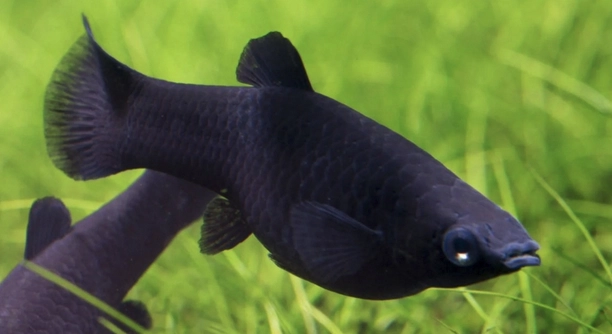
Do your black mollies often dart to the surface, leaving you wondering if something is wrong in your tank? These little fish can act strangely, making even experienced aquarium owners stop and take notice. Their sudden movements can be alarming.
Black mollies darting to the surface are often responding to low oxygen levels, water quality issues, or stress in their environment. Sudden changes in temperature, overcrowding, or poor filtration can cause these fish to exhibit rapid, surface-seeking behavior.
Observing their habits closely can help you correct potential problems early. Understanding these signs ensures a healthier, calmer environment for your fish to thrive in.
Low Oxygen Levels in the Tank
When black mollies start darting to the surface, low oxygen levels are often the reason. Fish naturally swim near the water surface to access more oxygen when the tank is under-oxygenated. This is common in tanks with poor circulation, overstocked conditions, or inadequate aeration. Mollies, being active fish, require consistent oxygen levels to remain healthy. I noticed my mollies acting restless when I first set up a tank without a bubbler. They would quickly swim up, gulping air at the surface, then retreat. Adding an air stone or improving water flow reduced the darting almost immediately. Plants can help produce oxygen, but live plants alone often aren’t enough for highly active fish like mollies. Regular water changes also keep oxygen levels stable, as stagnant or warm water holds less oxygen. Observing your fish closely can prevent stress-related illnesses caused by insufficient oxygen.
Low oxygen stress in mollies can also make them more prone to disease. Increasing aeration is an easy fix.
Keeping oxygen levels stable requires consistent monitoring, especially in smaller tanks. Using an air stone, filter circulation, and routine water changes ensures your mollies have the oxygen they need. Avoid overcrowding, and watch for sudden temperature changes, as warmer water reduces dissolved oxygen. Adding hardy plants can help, but relying solely on them is risky. Maintaining proper oxygenation also improves overall fish behavior, reducing darting and stress signs. Observing the fish for these behaviors regularly allows early detection of potential problems, keeping them healthier. Consistency in care makes a visible difference in their activity levels and overall comfort.
Poor Water Quality
Dirty water can cause black mollies to behave erratically. Waste buildup, leftover food, or decaying plants can reduce water quality, forcing fish to seek cleaner water near the surface.
Regular water changes are essential to maintain a stable, clean environment. Testing for ammonia, nitrites, and nitrates can prevent toxic buildup. Mollies are sensitive to high nitrate levels, which often cause surface-darting and unusual swimming patterns. I experienced this when I delayed a scheduled water change, and my mollies were restless and visibly stressed. Cleaning the substrate, removing uneaten food, and using a good filter system keeps water conditions safe. Even small tanks benefit from partial water changes weekly, as it reduces chemical accumulation and maintains consistent pH. Watching for cloudy water, odor, or sudden behavioral changes signals it’s time for maintenance. Water conditioners can also neutralize chlorine and heavy metals in tap water, protecting delicate fish.
Maintaining clean water reduces stress and supports long-term health. Consistent testing and cleaning practices ensure mollies stay active without sudden darting.
Temperature Fluctuations
Sudden changes in water temperature stress black mollies, causing them to dart to the surface. They thrive in stable, warm water. Rapid drops or spikes make them restless, affecting appetite and behavior.
I once added cooler water during a change, and my mollies immediately swam frantically at the surface. Temperature shifts disrupt their metabolism, making them more active in an attempt to find comfort. Consistent heating, preferably with a reliable heater, keeps their environment stable. Checking the thermometer daily ensures fluctuations don’t go unnoticed. Avoid placing the tank near vents or windows, as drafts and sunlight can create temperature swings. Keeping water within the ideal range helps mollies stay calm and reduces stress-related darting.
Proper acclimation during water changes also prevents temperature shock. Adding small amounts gradually, rather than all at once, helps maintain steady conditions. Over time, a stable environment improves their activity patterns, feeding habits, and overall health. Even minor daily monitoring prevents sudden stress responses.
Overcrowding and Tank Size
Too many fish in a small tank causes stress, forcing black mollies to compete for oxygen and space. Overcrowding increases aggression and surface-darting behaviors.
I kept several mollies in a 20-gallon tank and noticed constant surface activity. Each fish had limited swimming room, and competition for food became frequent. Overstocked tanks reduce water quality faster, amplifying oxygen and waste problems. Mollies need space to swim freely to stay healthy. A larger tank or fewer fish immediately reduced their frantic surface movements. Proper stocking also helps reduce territorial disputes, which can make them dart or hide.
Providing adequate space ensures fish can swim comfortably and interact naturally. Adjusting the number of fish or upgrading tank size directly impacts their stress levels. Monitoring behavior after changes confirms improvements. Proper tank size, combined with good filtration, creates a calmer environment where mollies display normal, relaxed activity.
Stress from Tank Mates
Aggressive or overly active tank mates can stress black mollies, making them dart to the surface. Mollies prefer peaceful companions and may react to bullying or constant chasing.
Even non-aggressive fish can create tension if space is limited. I noticed my mollies behaving nervously with larger, faster fish nearby. Separating aggressive species or increasing hiding spots helped them feel safer. Stress reduction improves their overall health and encourages natural swimming patterns, reducing frantic surface activity.
Poor Diet
A diet lacking essential nutrients can weaken black mollies and increase surface-darting behavior. Feeding a varied, high-quality diet supports their energy and immune system. I realized my mollies were darting more when I relied only on flakes. Adding frozen or live foods balanced their nutrition.
Water Movement
Excessive or insufficient water flow can disturb mollies. Too strong currents make them struggle; too weak water reduces oxygen circulation. I adjusted my filter flow to moderate, calming their behavior.
Signs of Illness
Darting can also indicate illness. Look for clamped fins, discoloration, or lethargy. Early detection and treatment prevent worsening health issues.
FAQ
Why are my black mollies always darting to the surface?
Black mollies dart to the surface most often because of low oxygen levels, stress, or poor water conditions. In my experience, sudden movements like this usually indicate an environmental issue. Checking your filter, aeration, and water quality often resolves the problem quickly.
Can temperature changes cause this behavior?
Yes, black mollies are sensitive to temperature fluctuations. Even small drops or spikes can stress them and make them swim frantically at the surface. I once added cooler water during a change, and the fish immediately showed this behavior. A reliable heater and monitoring the thermometer daily keeps temperatures stable.
Does tank size affect darting?
Absolutely. Overcrowded tanks limit swimming space and oxygen availability, which can increase surface activity. I noticed calmer behavior after reducing the number of fish in my 20-gallon tank. Proper stocking levels help mollies feel comfortable and reduce stress-driven movements.
Can aggressive tank mates cause surface darting?
Yes, aggressive or fast-moving fish can make mollies feel threatened. When my mollies shared a tank with larger, more active fish, they frequently darted to the surface. Providing hiding spots or separating species reduced this behavior significantly. Peaceful companions are best for mollies.
Could diet be a reason for darting?
A poor diet lacking nutrients can weaken mollies, causing them to act erratically. When I relied only on flakes, they darted more often. Including frozen or live foods ensures balanced nutrition and helps maintain normal energy levels. A varied diet supports overall health and behavior.
Is water flow important?
Yes, both excessive and insufficient water movement affect mollies. Strong currents can exhaust them, while stagnant water reduces oxygen circulation. Adjusting the filter to moderate flow calmed my fish. Proper circulation ensures stable oxygen levels and encourages normal swimming behavior.
Can illness cause surface darting?
Illness is another possibility. If darting is accompanied by clamped fins, discoloration, lethargy, or unusual swimming patterns, it could indicate disease. In my experience, early observation and treatment prevent serious health problems. Quarantining sick fish and treating the water often resolves the issue.
How often should I check water quality?
Regular testing is essential. I test ammonia, nitrites, and nitrates at least once a week. Small changes in water chemistry can quickly affect mollies, leading to surface-darting and stress. Keeping parameters stable ensures a calm, healthy environment for your fish.
Will adding plants help reduce darting?
Live plants improve oxygen levels and provide hiding spots, which can reduce stress. I added a few hardy plants, and my mollies seemed calmer. While plants alone aren’t a full solution, they contribute to a balanced tank environment that supports natural behavior.
What is the quickest way to calm darting behavior?
The fastest improvement usually comes from increasing aeration, adjusting temperature, and performing a partial water change. I’ve found that combining these steps often reduces frantic surface swimming within hours. Observing your fish after these changes confirms that the adjustments worked.
Can overcrowding be fixed without buying a bigger tank?
Yes, you can reduce stress by moving some fish to another tank or rehoming them. Even slightly lowering population density eases competition for oxygen and space. My mollies immediately became calmer after decreasing the number of tank mates. Adequate space is crucial for normal behavior.
How do I know if darting is normal activity or a sign of stress?
Occasional quick swimming is normal, but persistent surface-darting, paired with other signs like clamped fins, rapid gill movement, or hiding, signals stress or poor conditions. I learned to watch for these patterns to distinguish between normal and concerning behavior.
Does the time of day matter for darting?
Yes, black mollies can be more active in the morning or after feeding, but constant surface darting outside these times usually indicates environmental issues. Observing daily routines helps identify unusual patterns and address potential problems quickly.
Will partial water changes help immediately?
Partial water changes often improve oxygen levels and reduce toxins, calming surface-darting. I noticed immediate improvement after a 25% water change in my tank. Regular maintenance prevents recurring problems and keeps mollies healthy.
Are air stones necessary for black mollies?
Air stones help maintain oxygen levels, especially in warm or crowded tanks. I added one to my setup, and the frantic surface swimming decreased. While not always required, they provide additional comfort and reduce stress for active fish.
How long does it take for darting behavior to normalize?
Once water quality, temperature, and tank conditions are stabilized, behavior can normalize within hours to a few days. In my experience, consistency in care produces quick, noticeable results. Monitoring fish closely ensures they return to calm, natural swimming patterns.
Can stress affect reproduction?
Yes, stressed mollies may delay or reduce breeding activity. I observed fewer fry when my tank conditions were poor. Improving water quality, space, and diet restored their normal reproductive behavior. Stress management directly impacts overall health and activity levels.
Should I change their diet if they keep darting?
Introducing a balanced diet with flakes, frozen, or live food supports energy levels and reduces erratic swimming. I switched to a mix of high-quality flakes and occasional live food, which improved my mollies’ behavior noticeably. Nutrition is an important part of overall well-being.
Is it okay to ignore occasional darting?
Occasional quick movements are normal, but persistent darting should not be ignored. I learned that early intervention prevents serious problems. Observing patterns over days helps determine whether the behavior is minor or indicates an underlying issue.
Can lighting affect black molly behavior?
Yes, very bright or inconsistent lighting can stress mollies, leading to surface darting. I adjusted my tank lighting to a consistent, moderate level, which helped reduce frantic movements. Stable lighting contributes to a calmer environment and more predictable fish behavior.
Does tank decoration impact darting?
Yes, providing hiding spots and plants reduces stress. I added rocks and artificial caves, which made my mollies feel secure. They used to dart constantly when the tank felt empty, but adding safe spaces encouraged calmer, natural swimming patterns.
How do I maintain long-term calm behavior?
Consistent monitoring of water quality, temperature, diet, and tank conditions is key. I found that routine care, regular testing, and minor adjustments prevented stress-induced darting. Long-term calm behavior comes from stability, attention to detail, and observing fish closely for subtle changes.
What equipment is essential for preventing darting?
A reliable heater, filter, aeration system, and thermometer are the most important tools. I relied on these essentials to stabilize my tank, and the mollies stopped frantic surface movements. Investing in good equipment prevents most environmental stress factors.
How often should I observe their behavior?
Daily observation allows early detection of stress or illness. I make it a habit to watch my mollies for a few minutes each day. Catching unusual activity early helps prevent bigger problems and keeps them healthy.
Can water conditioners reduce darting?
Yes, conditioners that neutralize chlorine, chloramine, and heavy metals improve water quality. I noticed calmer behavior after treating tap water before adding it to the tank. Safe water reduces stress and supports normal activity.
Will adding a bubbler alone fix darting?
It may help, but it’s not a complete solution. Aeration addresses oxygen levels, but temperature, water quality, and tank size must also be managed. I used a bubbler along with other adjustments for noticeable improvement in behavior.
Does the type of filter matter?
Yes, filters that provide adequate circulation without creating strong currents help mollies. My fish responded well when I switched to a moderate-flow filter. Proper filtration maintains oxygen and removes toxins, reducing stress and erratic swimming.
Can surface darting indicate multiple issues?
Yes, often it’s a combination of low oxygen, temperature stress, overcrowding, or illness. I’ve seen mollies react to several factors simultaneously. Addressing each aspect carefully ensures long-term improvement and a stable, healthy environment.
Is darting more common in new tanks?
Yes, new tanks often have unstable water parameters and oxygen levels. I observed frantic surface activity during the first few weeks of setting up a new aquarium. Patience, careful monitoring, and gradual adjustments help mollies settle in.
How do I know if darting is improving?
Improvement is seen when mollies spend more time swimming calmly, eating normally, and exploring the tank. I tracked behavior after changes, and gradual reduction in surface-darting indicated that conditions were stabilizing. Consistency is key to lasting results.
What role does pH play in darting?
Incorrect pH levels stress mollies and can increase surface-darting. I monitored my tank’s pH and adjusted slowly when needed. Keeping pH within a suitable range prevents stress and helps maintain stable, calm behavior.
How often should I clean the tank?
Partial water changes weekly and substrate cleaning every two weeks usually maintain healthy conditions. I followed this routine, and surface-darting decreased noticeably. Regular maintenance keeps water chemistry stable and fish stress-free.
Can darting be seasonal?
Yes, seasonal changes in room temperature or sunlight exposure can affect water conditions, leading to surface-darting. I noticed more activity during hotter months. Adjusting heating and shading the tank helped reduce fluctuations and kept behavior steady.
Should I quarantine new fish?
Always quarantine new fish to prevent disease spread. I learned this after introducing a sick fish, which caused frantic darting among my mollies. Quarantine ensures that new arrivals do not introduce illness or stress into the main tank.
Can black mollies adapt to minor stressors?
They can, but chronic stress still affects behavior. I observed that occasional minor changes didn’t cause major issues, but repeated disturbances led to persistent surface-darting. Providing stability helps them adapt and remain healthy.
Does tank shape matter?
Yes, long tanks provide more horizontal swimming space, which mollies prefer. I noticed calmer behavior in a wider tank compared to a tall, narrow one. Proper tank design supports natural swimming patterns and reduces stress.
Can I use a test kit to monitor improvements?
Yes, testing ammonia, nitrite, nitrate, and pH helps track water quality. I used a test kit weekly, and seeing stable readings confirmed that mollies’ behavior would improve. Monitoring parameters ensures a safer environment for your fish.
How long does it take for water changes to affect behavior?
Partial water changes often produce visible improvement within hours. I observed reduced surface-darting after a single 25% change. Regular, consistent water changes prevent recurring issues and maintain calm activity levels.
What is the best way to reduce multiple stressors at once?
Address oxygen, temperature, diet, tank size, and water quality simultaneously. I found that a comprehensive approach quickly normalized behavior. Small, combined adjustments stabilize conditions and reduce stress effectively.
Can I use decorations to reduce stress?
Yes, adding hiding spots and plants reduces anxiety. My mollies used caves and plants to feel secure, and surface-darting decreased. Proper decorations provide comfort and encourage calmer, natural swimming patterns.
Is surface-darting always a sign of illness?
Not always. Environmental stress is often the main reason. Illness is indicated when darting comes with other signs like clamped fins, discoloration, or lethargy. Observing multiple behaviors helps determine the cause accurately.
How do I balance oxygen and flow in the tank?
Moderate filtration, air stones, and plants create stable oxygen levels without strong currents. I adjusted these elements together, which reduced frantic movements. Balance ensures mollies can swim freely without stress.
Does lighting schedule affect darting?
Yes, consistent lighting reduces stress. I set a fixed day-night cycle, which helped mollies settle. Sudden changes in brightness can trigger erratic movements, so keeping a steady schedule is important.
How do I know if diet changes worked?
After introducing live or frozen foods alongside flakes, mollies should display calmer, more predictable swimming. I noticed they spent more time exploring and less time darting. Balanced nutrition directly improves activity and health.
Are black mollies more sensitive than other fish?
They can be more reactive to environmental changes than some other species. I observed that minor temperature or oxygen shifts caused noticeable surface-darting in mollies, while other fish remained calmer. Extra attention to stability helps keep them healthy.
Can I prevent darting completely?
While occasional quick swimming is normal, minimizing stressors prevents persistent darting. I found that maintaining stable water quality, proper diet, adequate space, and peaceful tank mates reduced erratic behavior significantly. Consistency is the key to a calm aquarium environment.
Does water hardness play a role?
Yes, mollies prefer moderately hard water. Sudden changes in hardness can stress them. I monitored and adjusted my water hardness gradually, which reduced surface-darting. Keeping parameters within their preferred range supports stable, natural behavior.
Can black mollies adapt to community tanks?
They can, if tank mates are peaceful and conditions are stable. I successfully kept mollies with other small, non-aggressive fish, and surface-darting was minimal. Proper planning ensures compatibility and reduces stress-related behavior.
How important is routine observation?
Daily observation is crucial. I check my mollies each day for subtle signs of stress or illness. Catching problems early prevents persistent surface-darting and helps maintain a healthy, stable tank environment.
What adjustments work fastest for reducing darting?
Aeration, partial water changes, and stabilizing temperature usually produce the quickest results. I combined these steps and saw calmer swimming almost immediately. Immediate adjustments address the most common environmental stressors efficiently.
Can frequent feeding help reduce darting?
Not necessarily. Overfeeding can worsen water quality, which increases darting. I feed small, measured amounts, balancing nutrition with water cleanliness. Proper feeding supports health without adding stress.
Are there signs that darting is improving?
Yes, mollies swim calmly, explore the tank, and feed normally. I tracked behavior after changes, and gradual reductions in surface-darting indicated improvements. Monitoring over time confirms progress.
Does seasonal maintenance matter?
Yes, adjusting water temperature, lighting, and aeration seasonally prevents stress. I noticed more darting during hot summers until I made adjustments. Seasonal care ensures stable conditions year-round.
Can black mollies live with minimal darting in small tanks?
It’s challenging. Limited space increases stress and surface-darting. I found that even minor reductions in fish number or improved water flow made a noticeable difference. Adequate space remains important for calm behavior.
How do I track changes effectively?
Observing daily, recording behavior, and testing water parameters helps track improvements. I kept a simple log, which made it easier to see trends and address problems before they became serious.
Do mollies react to external disturbances?
Yes, loud noises, tapping, or vibrations can cause darting. I noticed my mollies swimming frantically when the tank was bumped. Minimizing disturbances helps keep behavior calm.
Are all black mollies equally sensitive?
Individual mollies vary in sensitivity. Some react strongly to minor changes, while others remain calmer. I observed differences in my own tank, adjusting care to accommodate the more sensitive fish.
What long-term strategies prevent darting?
Maintaining consistent water quality, temperature, diet, tank size, and peaceful tank mates reduces persistent darting. I found that combined attention to all factors produces stable, healthy behavior over months and years.
Does acclimation matter when introducing new fish?
Yes, gradual acclimation prevents temperature and water chemistry shock. I drip-acclimated new mollies for an hour, which reduced surface-darting. Proper introduction supports calm adaptation.
Can black mollies get used to aeration?
Yes, they adapt quickly. I noticed initial interest at the surface, but after a day or two, they swam calmly around the bubbles. Proper aeration improves oxygen without causing stress.
How do I balance tank maintenance with fish behavior?
Perform regular water changes, check parameters, and observe behavior consistently. I coordinate cleaning and monitoring to prevent stress. Maintaining this routine keeps mollies calm and reduces erratic swimming.
Does the type of water source matter?
Yes, tap water with chlorine or chloramine stresses mollies. I always treated water with a conditioner before adding it, which reduced surface-darting. Safe, conditioned water is essential for healthy behavior.
Is it normal for darting to happen after feeding?
Occasional quick movements are normal during feeding. I noticed my mollies swim energetically for a few minutes before settling. Persistent darting outside these times usually indicates stress or environmental issues.
Can surface darting damage fish?
Frequent darting can cause exhaustion and increase susceptibility to disease. I noticed that mollies recovering from stress behaved normally once conditions improved. Reducing triggers prevents long-term health problems.
How important is hiding space for mollies?
Very important. Providing plants, rocks, or caves reduces stress and surface-darting. My mollies immediately used new hiding spots, which helped them feel secure and swim calmly.
Can black mollies thrive in community tanks without darting?
Yes, if space, water quality, and companions are suitable. I kept mollies with small, peaceful fish, and surface-darting was minimal. Planning and monitoring ensure compatibility and healthy behavior.
Do regular water changes prevent most darting?
Yes, consistent partial water changes maintain oxygen and remove toxins. I noticed calmer behavior after establishing a weekly water change routine. Proper maintenance addresses several common triggers simultaneously.
Are black mollies more sensitive to stress than other livebearers?
Often, yes. They respond quickly to environmental changes. I observed that small fluctuations caused noticeable darting, while other species remained calmer. Extra attention to stability is essential.
Can plants alone prevent darting?
No, plants help but aren’t sufficient by themselves. I combined plants with aeration, filtration, and temperature control for effective results. Plants provide comfort, but stability in other factors is critical.
Does lighting intensity affect behavior?
Yes, very bright or inconsistent lighting can stress mollies. I adjusted lights to moderate levels, which reduced surface-darting. Stable lighting contributes to calmer, more predictable activity.
Can sudden noises trigger darting?
Yes, loud sounds or vibrations can cause immediate surface movements. I noticed my mollies reacting to sudden tapping. Minimizing disturbances keeps behavior stable and reduces stress responses.
Is darting always a bad sign?
Not always. Occasional quick swimming is normal, but persistent darting indicates environmental stress, poor water quality, or illness. I learned to differentiate between normal activity and concerning behavior.
How do I improve tank stability quickly?
Adjust aeration, temperature, filtration, and perform partial water changes. I found that addressing multiple factors at once produces the
Black mollies darting to the surface is a common behavior that often signals something in their environment needs attention. It is not always a sign of serious illness, but it should not be ignored. Observing your fish closely and understanding the possible causes can help you address the problem before it escalates. Factors such as low oxygen levels, poor water quality, temperature fluctuations, overcrowding, aggressive tank mates, and diet all contribute to surface-darting behavior. I have noticed that paying attention to even small details, like water flow or hiding spots, makes a significant difference in how calm and active the fish are. When these elements are managed properly, black mollies tend to settle into more predictable and relaxed swimming patterns. Regular observation, even for a few minutes each day, can help detect changes early and prevent potential stress or health issues.
Maintaining a balanced and stable aquarium environment is key to reducing darting. Oxygenation is critical, and adding an air stone or improving water circulation can help, especially in tanks with warmer water or higher fish populations. Temperature should remain consistent, avoiding sudden drops or spikes that can stress the fish. Water quality requires regular monitoring for ammonia, nitrite, nitrate, and pH levels. Partial water changes and careful cleaning help remove toxins and maintain a healthy balance. Tank size and stocking levels also play a major role. Providing enough space for mollies to swim comfortably reduces competition and stress, while peaceful tank mates minimize aggressive interactions. Adding live plants, rocks, or caves offers hiding spots and security, which can further reduce frantic surface movements. A varied diet with flakes, frozen foods, or live foods supports energy levels and overall health. Each of these steps works together to create an environment where mollies feel safe, secure, and calm.
Consistency is the most important factor in keeping black mollies healthy and reducing darting behavior. Sudden changes, whether in water quality, temperature, or tank conditions, can trigger stress and frantic movements. I have found that setting a routine for testing water, performing partial water changes, and maintaining proper feeding schedules keeps the tank stable and mollies active in a natural, calm way. It is also important to be aware of their behavior, looking for signs of illness or stress, such as clamped fins, discoloration, or lethargy, as these may require immediate attention. Over time, a well-maintained tank not only improves the physical health of the fish but also enhances their behavior, making them more enjoyable to watch. By addressing the main factors that contribute to surface-darting and maintaining consistency, you can ensure that your black mollies remain healthy, calm, and active, allowing them to thrive in their aquarium environment.

Hello,
If you enjoy the content that we create, please consider saying a "Thank You!" by leaving a tip.
Every little bit helps us continue crafting quality advice that supports the health, happiness, and well-being of pets around the world, for pets of all shapes, sizes, and species.
We really appreciate the kindness and support that you show us!