
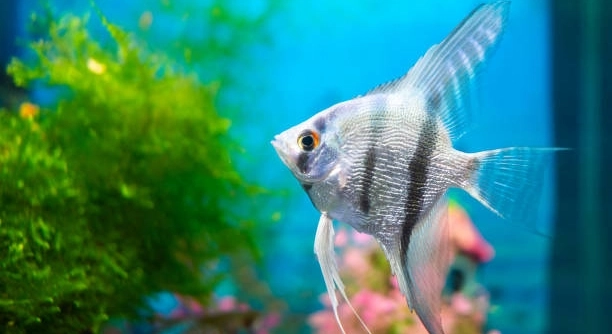
Angelfish are known for their graceful movement, but when you notice their gills moving rapidly, it could be a sign of something important. Understanding why this happens can help keep your fish healthy and comfortable.
Rapid gill movement in angelfish is often caused by water quality issues, such as low oxygen levels or poor filtration. It may also indicate stress, illness, or improper water temperature. Identifying the underlying cause can help prevent further complications.
Monitoring water parameters and fish behavior regularly is essential. Taking quick action will help ensure a healthier environment for your angelfish.
Low Oxygen Levels
When angelfish are struggling to get enough oxygen, their gills will begin moving faster to compensate. This often happens in tanks that are overcrowded or poorly aerated. Angelfish need oxygen-rich water to thrive, and without it, they may experience stress. Low oxygen levels can be caused by insufficient surface agitation or a malfunctioning filter. It’s important to make sure the water is well-aerated, especially if you have a heavily stocked tank. Additionally, some water conditions, like high temperatures, can decrease oxygen availability, leading to rapid gill movement. Keeping an eye on your tank’s oxygen levels will help maintain the health of your fish.
Inadequate oxygen supply is a common reason for increased gill movement. You can improve this by adding an air pump or upgrading your filter.
To ensure your angelfish receive enough oxygen, check the aeration in the tank. Consider adjusting the water flow or adding more plants. Plants naturally release oxygen, creating a more stable environment for your fish. Keeping the tank clean and avoiding overcrowding will also help oxygen levels stay at optimal levels. By addressing these factors, your angelfish will be less likely to show signs of distress related to oxygen depletion.
Poor Water Quality
Angelfish are sensitive to poor water quality, which can cause stress and result in faster gill movement. High levels of ammonia, nitrites, or nitrates can irritate their gills and lead to breathing problems. Regular water testing and routine changes are essential for maintaining a healthy tank environment. Monitoring the water parameters will ensure your fish are not exposed to harmful toxins. Proper filtration and removing waste regularly will help keep the water clean and prevent gill distress. If your angelfish are gasping or showing signs of discomfort, testing the water should be the first step.
Water quality impacts fish health greatly. Keeping the tank clean can prevent issues related to gill movement.
A water change is an easy and effective solution to maintaining water quality. Regularly clean the filter to remove debris and waste buildup. If the water quality does not improve, consider using water conditioners to neutralize harmful substances. In some cases, adding a new filter or upgrading your filtration system may be necessary to maintain a stable environment. Monitoring and improving water quality can help your angelfish thrive and reduce the likelihood of rapid gill movement caused by toxins in the water.
Stress
Stress can cause angelfish to breathe rapidly, triggering fast gill movement. Stressors can include loud noises, sudden changes in the tank environment, or aggressive tankmates. It’s important to create a calm environment and avoid disturbing the fish unnecessarily. Excessive stress can lead to long-term health issues, so monitoring their behavior is key.
Angelfish are especially sensitive to environmental changes. If the water temperature fluctuates rapidly or the lighting is too bright, it can stress them out. Adding hiding spots or plants will provide shelter and reduce stress. Keeping the tank environment stable is crucial for the health of your fish.
It’s also important to monitor the behavior of any tankmates. Aggressive fish can cause stress, making the angelfish feel threatened. Overcrowding in the tank can also increase stress levels, as the fish feel confined. Providing plenty of space and ensuring a peaceful environment will help angelfish feel secure and reduce unnecessary stress. Keeping a calm atmosphere in the tank promotes better health and decreases the risk of rapid gill movement.
Water Temperature
Water temperature plays a significant role in how angelfish breathe. If the water is too hot or too cold, their gill movement will increase. Angelfish thrive in temperatures between 75°F and 80°F. Anything outside of this range can cause them to struggle, leading to faster gill movement. Temperature fluctuations should be avoided.
Investing in a reliable aquarium heater is crucial for maintaining consistent water temperature. If the tank’s temperature is too high, the fish may become stressed and start breathing heavily. A heater can help regulate the water, ensuring it remains within the desired range. Use a thermometer to monitor temperature fluctuations regularly.
Sudden changes in temperature can also cause stress and lead to fast gill movement. Angelfish are particularly sensitive to cold water, and temperatures below their ideal range can weaken their immune system. If the water is too warm, it may decrease oxygen levels, forcing the fish to work harder to breathe. Keeping the tank temperature stable will help prevent these issues and promote healthy gill function.
Illness
Illnesses, such as gill diseases or parasitic infections, can lead to rapid gill movement in angelfish. These conditions can interfere with their ability to breathe properly, causing them to struggle for air. It’s important to watch for other symptoms like discoloration or lethargy, as these can indicate illness.
When a fish is ill, its immune system is compromised, making it more vulnerable to environmental changes. Infected angelfish may breathe heavily as they fight off pathogens. Quick identification and treatment are crucial to prevent the spread of disease to other tank inhabitants. Regular water changes and quarantine for sick fish are essential.
A visit to an aquatic veterinarian might be necessary if illness is suspected. Parasitic infections, like velvet or ich, can cause increased gill movement as fish try to get more oxygen. Medication and improved water quality can help treat these conditions. If you notice changes in behavior or appearance, act promptly to protect the health of your angelfish.
Poor Filtration
A malfunctioning or insufficient filter can lead to poor water quality, which in turn causes angelfish to breathe rapidly. Without proper filtration, harmful waste accumulates, lowering oxygen levels and increasing toxins in the water. This may cause stress and excessive gill movement.
Ensure that your filter is the right size for your tank. If the filter is too small, it won’t be able to keep up with the water’s needs. Over time, this can lead to the buildup of harmful substances. Cleaning the filter regularly will also keep it functioning properly and maintain water clarity.
When the filter isn’t working properly, it can cause the water to stagnate. This decreases the oxygen content and may result in your angelfish needing to breathe harder. Keeping the filtration system well-maintained is vital for ensuring healthy gill movement and preventing stress or illness caused by poor water quality.
Overcrowding
Overcrowding is a common cause of rapid gill movement. When there are too many fish in a tank, the oxygen levels decrease, and the fish struggle to get enough air. Angelfish need space to swim and adequate oxygen, so overcrowding can cause them to breathe faster and feel stressed.
In addition to low oxygen, overcrowding can also increase waste buildup in the tank. This leads to poor water quality and further stresses the fish. If you notice your angelfish moving their gills quickly, consider reducing the number of fish or upgrading to a larger tank to provide more space.
A tank that is too small can also limit the fish’s ability to escape from aggressive tankmates. This combination of overcrowding and stress can lead to rapid gill movement. Ensuring your tank is the proper size for the number of fish will help improve overall water quality and fish well-being.
FAQ
Why are my angelfish’s gills moving fast?
Rapid gill movement in angelfish is often a sign that something is wrong with their environment. This could be due to poor water quality, low oxygen levels, or stress. Illness, water temperature fluctuations, or overcrowding can also cause increased gill movement. It’s essential to address these factors quickly to prevent further issues and ensure the health of your fish.
How can I improve oxygen levels in my tank?
To improve oxygen levels, ensure proper water agitation and filtration. Adding an air pump can help increase surface movement, allowing oxygen to dissolve more efficiently into the water. Regular water changes will also improve oxygen levels by removing waste and ensuring clean water. Keep the water temperature within a suitable range, as warmer water holds less oxygen.
What should I do if my angelfish are stressed?
If your angelfish are stressed, start by examining their tank environment. Make sure they have enough space to swim and that their tankmates are not aggressive. Avoid sudden changes in lighting, water temperature, or décor. Adding plants or hiding spots can provide them with a sense of security. Reducing noise and minimizing disturbances can also help.
What illnesses cause rapid gill movement in angelfish?
Several illnesses can cause rapid gill movement, including gill parasites, bacterial infections, and fungal diseases. Fish with gill flukes or external parasites may struggle to breathe and exhibit faster gill movement. It’s important to closely monitor your fish for other symptoms like discoloration, lesions, or lethargy. If necessary, quarantine sick fish and treat them with appropriate medication.
How can I prevent poor water quality in my tank?
Regular water changes are essential to maintaining good water quality. Test the water parameters often, especially for ammonia, nitrites, and nitrates. Clean the filter regularly to ensure it is working efficiently. Avoid overfeeding your fish, as leftover food can break down and pollute the water. Don’t overcrowd the tank, as this can lead to poor water conditions.
What is the ideal water temperature for angelfish?
Angelfish thrive in water temperatures between 75°F and 80°F (24°C to 27°C). Water that is too cold can lower their immune system and cause stress, while temperatures that are too high can lead to oxygen depletion. Keep the temperature consistent and use an aquarium heater to maintain the appropriate range.
Can poor filtration cause rapid gill movement?
Yes, poor filtration can cause rapid gill movement in angelfish. Without proper filtration, waste accumulates in the tank, leading to lower oxygen levels and poor water quality. This stresses the fish, causing them to breathe faster. Ensure that your filter is appropriately sized for the tank and clean it regularly to prevent problems.
What are signs of overcrowding in an angelfish tank?
Signs of overcrowding include rapid gill movement, poor water quality, and stressed fish. Angelfish may also display aggressive behavior towards each other if the tank is too small. If fish are constantly swimming at the surface or gasping for air, overcrowding could be the issue. Make sure your tank has enough space for each fish to swim comfortably.
How often should I clean my filter?
Cleaning your filter depends on the size of the tank and the number of fish. A general rule is to clean it every 2 to 4 weeks. If the filter gets clogged with debris, it can reduce its efficiency, leading to poor water quality. Always check the manufacturer’s instructions for specific cleaning guidelines.
Is it normal for angelfish to breathe rapidly after feeding?
It’s not unusual for angelfish to breathe slightly faster after feeding, especially if they eat a larger meal. However, if the rapid gill movement persists, it could indicate water quality problems or digestive issues. Make sure you’re not overfeeding the fish and that the food is appropriate for their diet.
Can stress from tankmates cause rapid gill movement in angelfish?
Yes, stress from aggressive or incompatible tankmates can cause rapid gill movement in angelfish. If the fish feel threatened or bullied, they will show signs of stress, such as increased gill movement. Ensuring compatible tankmates and providing plenty of hiding spaces can help reduce stress levels. Keep an eye on the fish’s behavior and remove any overly aggressive individuals.
Should I use medications if my angelfish have rapid gill movement?
Medications should be used if rapid gill movement is accompanied by signs of illness, such as lesions, discoloration, or lethargy. If you suspect a disease like gill flukes or a parasitic infection, consult with a veterinarian or aquatic expert for the proper treatment. Ensure that water quality is optimal, as medications may not be effective if the environment isn’t right.
What is the best way to test water quality in my tank?
To test water quality, use an aquarium water testing kit. These kits allow you to measure parameters like pH, ammonia, nitrites, and nitrates. Regular testing will help you identify any issues with the water before they affect your fish. Many test kits offer both liquid tests and strips, with liquid tests being more accurate.
How do I fix water temperature fluctuations?
To fix water temperature fluctuations, invest in a reliable aquarium heater. Set the temperature to around 75°F to 80°F and monitor it regularly using a thermometer. Avoid placing the tank near windows or air conditioning units, as these can cause temperature changes. Ensure that the heater is sized appropriately for your tank’s volume.
Can I treat rapid gill movement without changing the tank conditions?
Treating rapid gill movement without addressing the tank’s conditions is unlikely to be effective. It’s essential to ensure that water quality, oxygen levels, and temperature are all optimal before considering other treatments. Only after correcting these factors should you consider medications or other interventions to help your angelfish.
What is the best way to prevent rapid gill movement in angelfish?
To prevent rapid gill movement, maintain optimal water quality, oxygen levels, and a stable temperature. Regularly clean the filter, avoid overcrowding, and ensure your fish have plenty of space. Monitoring tankmates for compatibility and minimizing stress factors will also contribute to healthy gill movement.
Final Thoughts
Understanding why your angelfish’s gills are moving fast is crucial for their well-being. This behavior often indicates stress or health issues, such as poor water quality, low oxygen levels, or the presence of illness. Addressing these factors early on can prevent further complications and help maintain a stable environment for your fish. Consistent water testing, proper filtration, and ensuring a comfortable temperature are key steps to support your angelfish’s health. By paying attention to these factors, you ensure that your fish thrive and feel secure in their habitat.
Fish, especially angelfish, are sensitive creatures, and their health can easily be affected by small changes in their environment. It’s important to monitor their behavior and gill movement closely. Rapid gill movement is often an early sign that something is wrong, and by identifying the cause quickly, you can take steps to fix the issue. Whether it’s adjusting the water temperature, improving filtration, or treating a possible infection, acting promptly is essential. Providing a stress-free environment with compatible tankmates and hiding spots can also help reduce unnecessary stress, allowing your angelfish to thrive.
In conclusion, the health of your angelfish relies heavily on a balanced and well-maintained tank environment. Regular care, water changes, and keeping an eye on potential issues can significantly improve your fish’s quality of life. While it’s normal for angelfish to have slight fluctuations in gill movement, persistent or rapid breathing should not be ignored. By staying vigilant and taking action when needed, you can ensure that your angelfish remain healthy and happy for years to come.

Hello,
If you enjoy the content that we create, please consider saying a "Thank You!" by leaving a tip.
Every little bit helps us continue crafting quality advice that supports the health, happiness, and well-being of pets around the world, for pets of all shapes, sizes, and species.
We really appreciate the kindness and support that you show us!