
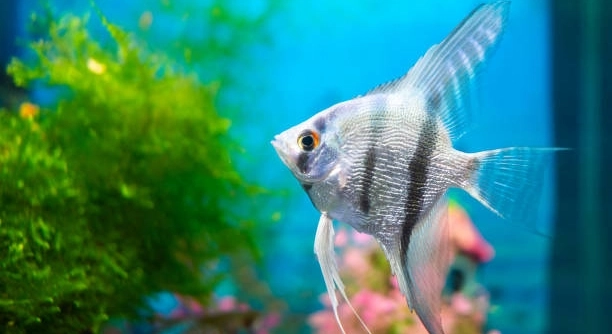
Angelfish are popular for their beauty and grace in aquariums, but if you’ve noticed your fish hanging near the bottom, it can be concerning. Understanding the possible causes can help you address the issue quickly.
Angelfish typically swim near the bottom for various reasons, including stress, poor water quality, illness, or inadequate tank conditions. These factors can make the fish feel unsafe or uncomfortable, causing them to seek shelter in the lower part of the tank.
Understanding these factors will help you address the situation effectively and keep your angelfish healthy and happy.
Poor Water Quality
One of the most common reasons angelfish hang out near the bottom is poor water quality. Angelfish are sensitive to changes in their environment, and high levels of ammonia, nitrites, or nitrates can stress them. These toxins can accumulate if you don’t maintain regular water changes or if your filtration system isn’t working well. Water that’s too warm or too cold can also affect their behavior, making them seek cooler or warmer spots in the tank. It’s important to monitor water parameters regularly using a water test kit and perform water changes when necessary.
To fix this issue, ensure your water conditions are optimal. Test the water for ammonia, nitrites, and nitrates, keeping levels within safe ranges for angelfish. Make sure your filtration system is working correctly, and perform regular water changes, typically 25% every two weeks. Also, adjust the temperature if needed, keeping it between 76°F and 82°F.
Healthy water leads to a healthier angelfish, reducing their stress and encouraging them to swim around the entire tank instead of staying at the bottom.
Stress and Anxiety
Stress can also drive angelfish to hang out near the bottom of the tank. They may feel threatened or unsafe, leading them to seek shelter. This stress could come from various sources, such as aggressive tank mates, sudden changes in tank conditions, or loud noises around the aquarium. Angelfish can be shy, and when they feel anxious, they may avoid swimming in open areas.
Addressing stress involves creating a peaceful environment for your fish. Choose tank mates that are compatible with angelfish, avoiding overly aggressive species. If there are frequent disturbances around the tank, try to keep the area quiet. Keep lighting soft, as bright, harsh lighting can also contribute to anxiety.
By reducing stress factors, you’ll help your angelfish feel more secure and encourage them to swim throughout the tank more confidently.
Illness or Injury
If your angelfish is not feeling well, it may retreat to the bottom of the tank. Illnesses such as swim bladder disease, parasites, or injuries can cause them to become lethargic and hide. Injuries or infections may cause discomfort, leading them to avoid swimming freely.
Watch for signs of illness like changes in appearance, lack of appetite, or abnormal swimming patterns. If you suspect an infection or disease, quarantining the sick fish and treating the tank with the appropriate medication is crucial. Make sure to check for any injuries or wounds, which could be causing pain or discomfort.
Fish that aren’t eating or interacting much might need special care. It’s essential to address illnesses and injuries promptly. If untreated, they could worsen and impact your angelfish’s overall health. A properly maintained tank and immediate intervention can help get them back to their active selves.
Overcrowded Tank
An overcrowded tank can lead to angelfish feeling cramped and stressed, which can cause them to hang out near the bottom. When there is too much activity in the tank or limited space, they may seek quieter areas to avoid the chaos.
Make sure your tank has enough space for each fish. Angelfish typically need at least a 20-gallon tank for one fish, with extra space for each additional fish. Overcrowding can lead to increased aggression and poor water quality. Regularly check the number of fish in your tank to ensure they have enough room to swim comfortably.
Consider upgrading your tank size or moving some fish to another aquarium if necessary. More space can help your angelfish feel more secure, reducing their stress and encouraging more natural swimming behavior.
Water Temperature
Angelfish are sensitive to water temperature changes. If the water is too cold or too warm, they may seek the bottom for comfort. They prefer a stable temperature between 76°F and 82°F.
If the temperature fluctuates outside this range, your angelfish might feel stressed or uncomfortable. Check the water with a reliable thermometer and adjust the heater if necessary. A steady temperature will help them feel more at ease, and they’ll swim more actively.
Maintaining the right water temperature will reduce stress and promote healthier, happier fish. Make sure to monitor it regularly to avoid any sudden shifts.
Tank Decoration
The layout and decorations in your tank can influence where your angelfish swim. Too many sharp objects or a lack of hiding spots can cause stress, making them stay near the bottom.
Angelfish need some places to hide or rest when they feel vulnerable. Adding plants, rocks, or other decorations can help provide a comfortable environment for them to explore. Ensure that there are no obstacles that could cause injury, and leave enough swimming space.
Proper decoration helps angelfish feel more secure and reduces their chances of staying at the bottom. Be mindful of the overall setup for their well-being.
Poor Diet
A poor or imbalanced diet can affect angelfish health and behavior. If they aren’t getting the right nutrients, they may appear lethargic and stay near the bottom.
Ensure you’re feeding them a varied diet, including high-quality flakes, pellets, and occasional live food. A balanced diet keeps them energized and healthy. Overfeeding should be avoided, as excess food can pollute the tank and harm water quality.
A proper diet helps keep angelfish active, vibrant, and moving throughout the tank. Regularly review their feeding habits and make adjustments if needed.
FAQ
Why are my angelfish staying near the bottom?
Angelfish may stay near the bottom due to stress, poor water quality, illness, or a sudden change in tank conditions. They often seek shelter in low areas when they’re uncomfortable, feeling unsafe, or dealing with health problems. If they’re near the bottom and not moving much, it’s crucial to examine the water quality, the tank environment, and their health. Regularly testing water parameters and checking for signs of disease will help pinpoint the issue.
How do I know if my angelfish are stressed?
Stressed angelfish often show signs like erratic swimming, hiding, or staying in one place for long periods. They may also exhibit abnormal behavior, like chasing their tank mates, flicking their bodies, or rubbing against objects. Changes in their color or loss of appetite can also indicate stress.
Can a dirty tank cause angelfish to stay at the bottom?
Yes, poor water quality can definitely lead to angelfish staying near the bottom. Ammonia, nitrites, and nitrates build up in dirty water, causing stress and discomfort for the fish. Regular water changes and proper filtration are essential to maintain a clean tank environment. If your water quality is compromised, your angelfish might seek the bottom to avoid swimming in the polluted areas.
What is the best water temperature for angelfish?
Angelfish thrive in water temperatures between 76°F and 82°F. If the water is too cold or too warm, they may stay near the bottom to regulate their body temperature. Keep the aquarium heater in check to ensure stable water conditions.
Can I add more fish to my tank if my angelfish are staying near the bottom?
Adding more fish could make the situation worse, especially if the tank is overcrowded. Overcrowding can lead to poor water quality and increased stress. Instead, focus on improving the water conditions and removing any stress factors. If you want to add more fish, ensure the tank has enough space and the water quality is optimal.
Is my angelfish sick if it’s hanging near the bottom?
Not necessarily. While illness is one possible reason, angelfish may simply be stressed or uncomfortable. However, if your fish is showing other signs of illness like loss of appetite, faded color, or abnormal swimming, it could be sick. Check for visible signs like external parasites or wounds to rule out any health issues.
What tank mates should I avoid with angelfish?
Angelfish are peaceful but can be territorial, especially during breeding. Avoid aggressive fish like cichlids or species that may nip at their fins. Also, avoid fish that are too small and might be seen as prey. Suitable tank mates include peaceful fish of similar size like tetras, rasboras, and other calm species.
How often should I feed my angelfish?
Feed angelfish once or twice a day, providing small amounts of food they can consume within a few minutes. Overfeeding can lead to poor water quality and health issues, while underfeeding can cause malnutrition. A balanced diet is key to their overall well-being, so offer a variety of food like pellets, flakes, and live food.
Can water changes improve my angelfish’s behavior?
Yes, water changes can improve your angelfish’s behavior by removing toxins and replenishing essential minerals. Aim for a 25% water change every two weeks to maintain healthy water conditions. In case of poor water quality, more frequent changes may be necessary to stabilize the tank and reduce stress.
Do angelfish prefer a specific tank setup?
Yes, angelfish thrive in tanks with soft, slightly acidic water and a balanced environment. They prefer plants and decorations that give them hiding spots, but there should also be enough open swimming space. Avoid sharp objects or decorations that could injure their delicate fins. Providing plenty of space and maintaining clean water helps angelfish feel safe.
How can I prevent my angelfish from getting sick?
To prevent illness, keep the tank clean, maintain stable water conditions, and provide a balanced diet. Quarantine any new fish before introducing them to the tank to prevent disease spread. Also, avoid overcrowding, as this can cause stress and weaken the immune system of your fish.
What are the signs of swim bladder disease in angelfish?
Swim bladder disease affects an angelfish’s ability to swim normally, causing it to float or sink uncontrollably. Fish with swim bladder problems may appear to be swimming sideways, upside down, or struggle to maintain buoyancy. Treatment often involves adjusting diet, water quality, and sometimes using specific medications if needed.
Is it normal for angelfish to spend time near the bottom?
It’s normal for angelfish to rest or hide near the bottom occasionally, especially when they feel tired or secure. However, if they’re spending extended periods at the bottom and showing signs of illness or stress, further investigation into water quality, tank mates, and overall health is necessary.
Can angelfish live with snails?
Yes, angelfish can live with snails as long as the snails are not too large or aggressive. Snails help keep the tank clean by eating algae and leftover food, which can benefit the overall aquarium environment. However, avoid introducing snails that may prey on your angelfish or cause any disruptions in the tank.
Do angelfish need a filter?
Yes, angelfish require a filter to maintain clean water. A good filter helps remove waste, excess food, and toxins from the water, ensuring a healthy environment for your fish. Make sure the filter is properly sized for the tank and does not create strong currents that could stress your angelfish.
Final Thoughts
Angelfish are beautiful and peaceful creatures that thrive in well-maintained aquariums. When they hang out near the bottom, it’s often a sign of discomfort, stress, or poor tank conditions. By understanding the causes, you can take steps to improve their environment and make them feel safer and more comfortable. Monitoring water quality, maintaining the right temperature, and ensuring a balanced diet are crucial in keeping your angelfish healthy and active.
It’s also important to keep in mind that every fish is different. Some angelfish may prefer to stay near the bottom more than others, even without any underlying issues. However, if you notice consistent behavior that indicates stress or illness, it’s important to act quickly. Providing enough hiding spots, avoiding overcrowding, and monitoring tank conditions regularly can go a long way in reducing stress and promoting a happy tank for your angelfish. Ensuring that their tank mates are compatible also plays a big role in preventing them from feeling threatened or stressed.
If you’ve addressed all the potential causes and your angelfish are still hanging near the bottom, it may be time to consult with an expert or veterinarian. Health issues like parasites, internal infections, or swim bladder disease can affect your fish’s behavior, and professional guidance will be helpful in such cases. Taking proactive steps in maintaining a proper tank environment and being aware of changes in behavior will lead to happier and healthier angelfish in the long run.

Hello,
If you enjoy the content that we create, please consider saying a "Thank You!" by leaving a tip.
Every little bit helps us continue crafting quality advice that supports the health, happiness, and well-being of pets around the world, for pets of all shapes, sizes, and species.
We really appreciate the kindness and support that you show us!