
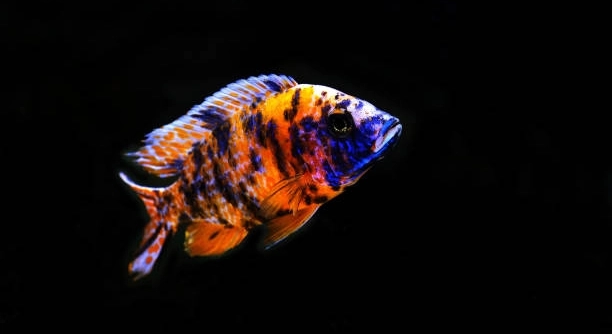
African cichlids often display interesting behaviors, and lip locking is one of the most common to observe. This action can seem unusual or even concerning for many fish keepers. Understanding why it happens can help you better care for your fish.
Lip locking in African cichlids is primarily a form of territorial or mating behavior. It serves as a way for males to establish dominance and resolve disputes without causing serious harm. This ritualized aggression helps maintain social hierarchy within the tank.
Recognizing this behavior is important for maintaining a peaceful aquarium environment and ensuring the well-being of your cichlids.
What Causes Lip Locking in African Cichlids
Lip locking happens mostly because African cichlids are territorial. When two males meet, they often lock lips to test each other’s strength and assert dominance. This behavior is a way to avoid more serious fights that could cause injuries. It’s common during breeding seasons when competition for mates increases. Sometimes, females may lip lock too, but it is less frequent. The tank size and how many cichlids you keep can influence how often this behavior appears. Overcrowded tanks or limited hiding spots increase stress and aggression, which leads to more lip locking. Providing enough space and decorations helps reduce tension between fish. Watching their behavior carefully can show you when things are getting too intense. It’s important to step in if fights escalate beyond lip locking to protect your fish.
Lip locking is a natural way cichlids communicate and set boundaries without physical damage.
To keep your cichlids healthy and happy, make sure their environment supports their natural behavior. Plenty of hiding spaces and enough room will minimize aggressive encounters. Understanding this interaction will help you maintain balance in your aquarium. You might notice patterns in when lip locking happens and can adjust the tank accordingly. Sometimes, slight changes in feeding or tank mates reduce aggression. Observing your fish closely is key to providing the right care. This small detail can improve your overall experience as a fish keeper.
How to Manage Lip Locking Behavior
When lip locking becomes too frequent or aggressive, it may indicate a problem in the tank. Adjusting the environment can help calm your cichlids.
Start by checking the tank size and population. African cichlids need ample space to establish territories without constant contact. If the tank is too small or crowded, consider upgrading or reducing the number of fish. Adding rocks, caves, and plants creates natural barriers and hiding spots, which lower stress and aggression. This setup mimics their natural habitat and allows fish to retreat when needed. Feeding schedules also matter; well-fed fish tend to be less aggressive. Observe their behavior after these changes to see if lip locking decreases. If fights continue, separating aggressive individuals temporarily can prevent injury. Managing these details keeps the social dynamic stable and your cichlids thriving.
Recognizing When Lip Locking Becomes Harmful
Lip locking is usually harmless, but it can become dangerous if it leads to injury or constant stress. Watch for signs like torn fins, swollen lips, or fish hiding excessively. These symptoms mean it’s time to intervene and adjust tank conditions to protect your cichlids.
When aggression escalates beyond lip locking, it can cause physical damage. Injuries may lead to infections or long-term health problems if untreated. Stress from frequent fights weakens the immune system and disrupts normal behavior. Keeping an eye on your fish’s condition helps you act quickly. If you notice serious damage or continual aggression, separating the aggressive fish temporarily is necessary. This prevents further harm and allows injured fish to recover. Providing a peaceful environment is key to avoiding such problems and ensuring your cichlids live comfortably.
Stress and injury from aggressive lip locking can impact your fish’s health and overall tank harmony. Acting early reduces risks and improves outcomes.
Environmental Factors Influencing Lip Locking
Tank size, décor, and stocking levels all influence how often lip locking occurs among African cichlids. Small, overcrowded tanks with few hiding places increase competition and aggression. Proper environment setup helps reduce these conflicts.
African cichlids thrive in tanks that resemble their natural rocky habitats. Rocks and caves offer territories and refuges, allowing fish to avoid constant confrontations. Overstocking forces too many fish into limited space, increasing stress and aggressive behavior. Adjusting the number of fish to fit the tank size lowers competition. Clean water and stable conditions also improve their mood and reduce stress-related aggression. Paying attention to these factors makes a big difference in controlling lip locking and maintaining peaceful interactions among your cichlids.
How Diet Affects Aggression
A poor diet can increase aggression in African cichlids, making lip locking more frequent. Providing balanced nutrition helps reduce stress and supports healthy behavior.
Feeding high-quality pellets or flakes with protein and vitamins keeps cichlids strong. Avoid overfeeding, as excess food can pollute the tank and cause discomfort.
Signs Your Cichlids Are Stressed
Stressed cichlids may hide more, lose appetite, or show dull colors. Stress often leads to increased aggression and more lip locking.
Maintaining a stable environment with clean water, proper temperature, and good tank mates helps minimize stress and promotes calm behavior.
When to Separate Fish
If lip locking leads to injury or constant chasing, separating aggressive fish is necessary to prevent harm. Temporary isolation gives injured fish time to heal.
Using Tank Decorations Effectively
Rocks, caves, and plants create natural barriers that reduce fights. Placing decorations strategically breaks sight lines and offers hiding spots for stressed fish.
FAQ
Why do African cichlids lip lock?
African cichlids lip lock mainly as a way to show dominance and establish territory. It is a common social behavior that helps reduce physical fighting. By locking lips, they test each other’s strength without causing serious harm. This behavior is more frequent during breeding seasons or when the tank is crowded.
Is lip locking a sign of aggression?
Yes, lip locking is a form of ritualized aggression. It allows cichlids to compete and settle disputes without injury. However, it usually stays controlled and does not escalate to severe fights. If the behavior becomes constant or violent, it might indicate stress or poor tank conditions.
Can lip locking hurt my fish?
Normally, lip locking does not harm cichlids. It is a natural behavior designed to avoid injury. But if it happens too often or turns into chasing and biting, it can cause wounds or stress. In such cases, adjusting the environment or separating fish may be necessary.
How can I reduce lip locking in my tank?
To reduce lip locking, ensure your tank is spacious enough and not overcrowded. Provide plenty of hiding places like rocks and caves to help fish establish separate territories. Keep water clean and feed a balanced diet. Sometimes rearranging the tank layout helps break up established territories and lowers aggression.
Does tank size affect lip locking?
Yes, smaller tanks or overcrowded tanks increase competition, causing more lip locking. African cichlids need room to spread out and claim territory. When space is limited, they encounter each other more often, which raises stress and aggressive behaviors.
Can female cichlids lip lock too?
Females do lip lock occasionally, but it is much less common than in males. Males usually use this behavior to compete for mates and defend territory. Female lip locking is usually less intense and less frequent.
Should I separate fish that lip lock often?
Only separate fish if lip locking leads to injury or constant stress. Most lip locking is harmless and part of their social behavior. If fights get violent or wounds appear, separating aggressive fish temporarily can protect all tank inhabitants.
Do decorations help with lip locking?
Yes, decorations like rocks, caves, and plants create hiding spots and break lines of sight. This helps reduce stress and aggressive encounters by giving fish places to retreat and claim territory. A well-decorated tank mimics their natural environment and lowers tension.
Does diet impact lip locking behavior?
A balanced diet reduces stress and supports calm behavior. Poor nutrition can increase aggression, leading to more lip locking. Feeding high-quality pellets or flakes with adequate protein and vitamins helps keep your cichlids healthy and less prone to aggression.
How do I know if lip locking is becoming a problem?
Watch for signs like torn fins, swollen lips, hiding, or loss of appetite. If these appear alongside frequent lip locking, aggression may be harming your fish. Intervene by improving tank conditions or separating aggressive fish to prevent injury and stress.
African cichlids lip locking is a natural part of their behavior and social interaction. This action mostly helps them establish dominance and territory without causing serious harm. While it might seem aggressive at first, lip locking usually serves as a controlled way for these fish to communicate and maintain balance within the tank. Understanding this behavior makes it easier to provide the right environment and care for your cichlids. Recognizing that lip locking is normal can help reduce worry when you see your fish engaging in it.
However, lip locking can sometimes lead to problems if it becomes too frequent or intense. When fish fight too much, they can get injured or stressed. This stress can affect their health and behavior. It is important to watch your fish closely for signs of injury or constant aggression. If you notice torn fins, swollen lips, or fish hiding all the time, it means the situation needs attention. Making changes to the tank, such as adding decorations or increasing the space, can help reduce aggression. In some cases, separating aggressive individuals temporarily may be necessary to protect the health of your fish.
Maintaining a balanced diet, keeping the tank clean, and providing enough space and hiding spots all play a role in controlling lip locking. Each of these factors helps create a stable and comfortable environment for your cichlids. When the conditions are right, lip locking remains a natural and harmless behavior. Watching your fish carefully and making adjustments when needed ensures they stay healthy and peaceful. With the right care, your African cichlids can thrive and their lip locking will be just one interesting part of their social life.

Hello,
If you enjoy the content that we create, please consider saying a "Thank You!" by leaving a tip.
Every little bit helps us continue crafting quality advice that supports the health, happiness, and well-being of pets around the world, for pets of all shapes, sizes, and species.
We really appreciate the kindness and support that you show us!