
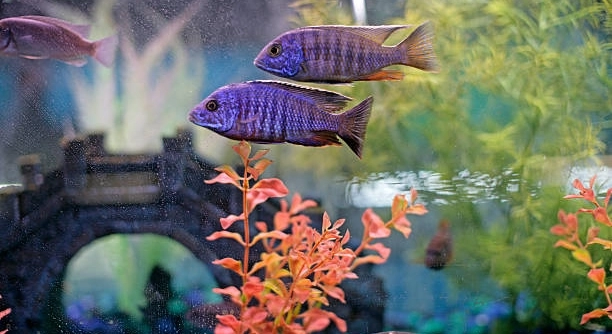
African cichlids are known for their bright colors and lively behavior. Many fish owners notice these cichlids seem to watch their every move, creating a unique connection between pet and owner. This behavior often sparks curiosity and interest.
African cichlids watch their owners due to a combination of territorial instincts, curiosity, and recognition. They are highly aware of movement around their environment, and watching helps them assess potential threats or changes in their territory.
Understanding why your cichlids pay close attention can improve your relationship with them and help create a more comfortable home environment for these fascinating fish.
Why African Cichlids Are So Attentive
African cichlids are naturally territorial fish. In their native habitats, they often guard specific areas against intruders. Watching movements around their tank helps them stay alert to possible threats or changes. This behavior is a survival instinct that carries over even when they are in a home aquarium. They may also be curious about what is happening nearby since their environment is limited. Movement outside the tank, like your presence, becomes an interesting event for them to observe. Many owners notice their cichlids watching them intently when they approach the tank, feeding time, or even when cleaning. This watching can be a sign of their awareness and intelligence. They learn to recognize people who regularly interact with the tank and may respond differently depending on the familiarity. These fish often use watching to gather information and stay connected to what’s happening around them.
Their attentive nature helps them feel secure and in control of their space.
This constant observation is normal and healthy behavior.
How Their Behavior Reflects Their Personality
African cichlids display a wide range of behaviors based on their personality and species. Some are more aggressive and territorial, while others are calmer but still alert. Watching closely is part of how they express these traits. For example, an aggressive cichlid will keep a keen eye on anything entering their territory to quickly react if needed. On the other hand, less aggressive cichlids watch mainly out of curiosity or habit. Their gaze can also be a way to interact with their environment and owners. Over time, these fish may come to recognize regular activities and react differently based on past experiences. This means they are not just watching randomly but are engaging mentally with their surroundings. Understanding these differences can help you better meet their needs and create a more peaceful aquarium. Observing their watching behavior gives insight into their mood and well-being. Watching can indicate comfort or alertness, and changes in this behavior may signal stress or illness. By paying attention to how your cichlids watch, you can learn more about their personalities and health, improving your care routine.
How Feeding Time Affects Their Watching
African cichlids often watch closely during feeding times. They associate movement near the tank with food and become more alert.
Feeding is a strong motivator for cichlids to focus their attention. When you approach the tank or shake the food container, they quickly recognize the signal. This causes them to watch you closely, anticipating their meal. Their eyes follow your actions because food means safety and energy. Over time, they learn to link your presence with feeding, increasing their interest in watching you. This behavior shows how smart and responsive they can be. It also helps establish a routine, which these fish appreciate.
Watching at feeding time also allows cichlids to compete and protect their share of food. In groups, dominant fish may watch others to guard their territory or food source.
Watching as a Sign of Bonding
Watching you can be a subtle way cichlids connect with their environment and caretaker. It shows trust and interest.
When cichlids watch you regularly, they recognize you as part of their surroundings. This familiarity builds a quiet bond based on routine and interaction. Over time, they may become less skittish and more relaxed around your presence. Their watching reflects curiosity and comfort rather than fear. This attention can feel like a form of communication, where they observe your behavior and respond accordingly. It also signals that they feel secure enough to pay attention to you instead of staying hidden or stressed. Developing this kind of connection takes patience but is rewarding. Observing their watching habits helps you understand their moods and preferences better, strengthening your care.
Environmental Factors That Influence Watching
Changes in lighting or movement around the tank can increase how much your cichlids watch. They stay alert to any new activity or change.
Sudden noises or reflections outside the tank may also catch their attention, causing them to watch more closely than usual.
The Role of Social Dynamics in Watching
Cichlids often watch each other as part of their social structure. Dominant fish keep an eye on subordinates to maintain control. This watching helps them manage territory and hierarchy. Social interactions through watching are important to keep peace or challenge others in the tank.
When Watching Signals Stress
If your cichlids watch constantly and seem tense, it may be a sign of stress. Stress can come from poor water quality, overcrowding, or illness.
Watching without relaxation usually means they feel unsafe or uncomfortable in their environment.
Why do my African cichlids always watch me when I approach the tank?
African cichlids watch closely because they associate your presence with something important, often feeding or changes in their environment. They are naturally alert fish, and movement outside the tank signals something to pay attention to. Over time, they learn to recognize you and expect interaction, making them focus more intently when you are near.
Is it normal for cichlids to stare for long periods?
Yes, it is normal. African cichlids have strong territorial instincts and curiosity, so staring helps them monitor their surroundings. However, if the staring comes with other signs of stress like hiding or aggressive behavior, it might mean they feel threatened or uncomfortable.
Can cichlids recognize their owners?
Yes, they can. Although fish don’t recognize faces like mammals do, cichlids learn to identify people by movement, feeding routines, and how often someone approaches the tank. This recognition makes them more likely to watch you closely, especially during feeding times.
Does watching mean my cichlids are aggressive?
Not necessarily. Watching is often a way to stay alert and assess the environment. Aggression is usually shown through chasing, biting, or territorial displays. Watching can be part of their natural behavior without meaning they want to attack.
What should I do if my cichlids watch me nervously or seem stressed?
Check the tank conditions first—poor water quality, overcrowding, or sudden changes can cause stress. Make sure the water parameters are stable and the tank is not too crowded. Also, avoid sudden movements or loud noises around the tank. Stress can cause your fish to watch nervously.
Why do some cichlids watch more than others?
Different species and individual personalities influence how much a cichlid watches. Some are naturally more cautious or territorial, so they stay more alert. Others are calmer and less interested in watching. Group dynamics and tank setup can also affect their behavior.
Does watching mean my cichlids want to interact with me?
In a way, yes. While fish don’t interact like pets such as dogs or cats, watching is their way of responding to what they notice. When they focus on you, it shows curiosity and recognition, which can be seen as a simple form of interaction.
Can watching behavior be harmful or stressful for cichlids?
Watching itself isn’t harmful, but constant alertness due to stress can be bad for their health. If your fish watch nervously and show signs of anxiety, it’s important to find and fix the cause. A calm, stable environment reduces stress and helps them relax.
How can I encourage positive watching behavior?
Maintain a regular feeding and cleaning schedule so your cichlids feel secure. Approach the tank calmly and avoid sudden movements. Providing hiding places and a well-decorated tank helps reduce stress and keeps their watching behavior healthy and curious rather than fearful.
Is it okay to talk or make sounds near the tank?
Yes, many cichlids become used to sounds and voices near their tank. Soft talking or gentle tapping can get their attention and even encourage them to watch you more. Just avoid loud noises that might startle or stress them.
Do African cichlids watch other fish as much as they watch humans?
Yes, watching other fish is a key part of their social behavior. They monitor each other to maintain social order, protect territory, and avoid conflicts. Watching helps them communicate nonverbally and stay aware of their group dynamics.
Can watching help me notice when my cichlids are sick or unhappy?
Absolutely. Changes in how much or how your cichlids watch you can signal health or mood changes. A fish that suddenly stops watching or watches nervously might be feeling unwell or stressed. Paying attention to their watching habits can alert you early to problems.
Will my cichlids stop watching me if I ignore them?
They might watch less if you don’t interact or approach the tank regularly. Watching is often linked to routine and recognition. If you reduce your visits or feeding times, your fish may lose interest in watching as much. However, they still stay alert to changes in their environment.
Does watching mean cichlids want to be fed?
Often yes. Watching usually increases around feeding time because they expect food. They learn to connect your presence or certain movements with being fed. This makes them more attentive and focused on you during those moments.
Can I use watching behavior to train my cichlids?
To some extent, yes. Cichlids are intelligent and respond to routines. You can use watching as a cue to train them to come to a certain spot for feeding or to recognize your approach. Consistency and patience are key for this type of conditioning.
How long do cichlids typically watch at one time?
It varies but watching sessions usually last several minutes. They may follow your movement for a short time, then lose interest or turn away to explore their tank. Extended watching can happen during feeding or if something unusual happens near the tank.
What should I avoid doing if my cichlids watch nervously?
Avoid sudden movements, loud noises, tapping on the glass, or changing the tank setup abruptly. These actions can increase stress and make watching more anxious. Keeping a calm and stable environment helps your fish feel safe and watch with curiosity instead of fear.
Are some species of African cichlids more watchful than others?
Yes, species differ in their natural behavior. More territorial species tend to watch more closely to guard their area. Others that are less aggressive may watch less but still remain alert. Knowing your species’ traits helps understand their watching habits.
Does tank size affect how much cichlids watch?
Smaller tanks can make fish more aware of everything happening nearby, so they may watch more often. Larger tanks provide more space and hiding spots, which might reduce constant watching since the fish feel more secure. Proper tank size helps balance their natural behavior.
Can lighting affect how much cichlids watch?
Bright or flickering lights can increase alertness and watching because fish respond to visual stimuli. Soft, steady lighting helps them feel comfortable and may reduce excessive watching caused by sudden light changes or reflections.
Is it normal for cichlids to watch at night?
Cichlids usually rest during the night, but some may still be alert if the tank is lit or if there are disturbances nearby. Watching at night could indicate they are not fully relaxed or that something in their environment is keeping them alert.
How can I tell if watching is part of play or stress?
Playful watching is relaxed and combined with normal swimming and exploring. Stress watching is tense, with darting movements or hiding. Observing overall behavior helps distinguish between the two, allowing better care adjustments.
African cichlids watching you is a natural behavior rooted in their instincts and environment. They are alert fish, always paying attention to what is happening around them. This watching helps them feel safe and aware of changes, especially in a confined space like a home aquarium. Their attention shows they recognize movements, routines, and sometimes even the person caring for them. It is a sign of their intelligence and curiosity, not just random staring. Understanding this helps owners appreciate their fish’s behavior instead of feeling confused or worried about it.
Watching can mean many things depending on the situation. Often, it is tied to feeding time because the fish learn to expect food when they see you near the tank. It also relates to their territorial nature, as they want to keep an eye on what might affect their space. Watching may also reflect how comfortable and secure the fish feel in their environment. When cichlids are relaxed, their watching looks calm and steady. If they seem tense or nervous, it could be a sign of stress or discomfort. Paying attention to these differences can help you take better care of your fish and ensure their well-being.
Creating a good environment and routine for your African cichlids encourages healthy watching behavior. Keeping the water clean, avoiding sudden changes, and feeding on a consistent schedule helps your fish feel safe. Adding hiding spots and decorations allows them to explore and rest when they want. This reduces stress and makes their watching more about curiosity and connection than fear or anxiety. Watching your cichlids can be a special part of caring for them, showing that they are aware of you and their surroundings. With patience and understanding, this behavior can deepen the bond between you and your fish.

Hello,
If you enjoy the content that we create, please consider saying a "Thank You!" by leaving a tip.
Every little bit helps us continue crafting quality advice that supports the health, happiness, and well-being of pets around the world, for pets of all shapes, sizes, and species.
We really appreciate the kindness and support that you show us!