
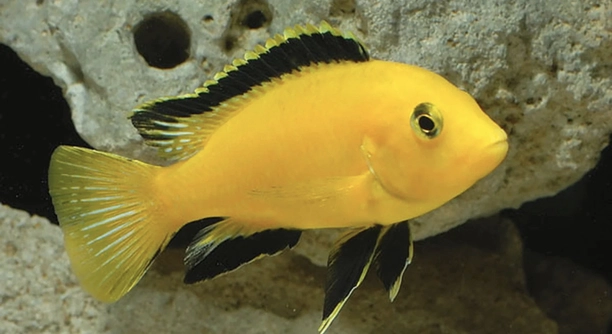
Are your African cichlids constantly digging holes in their tank? This behavior is common and can be puzzling for many fish owners. Understanding why they do this helps create a better environment for your fish.
African cichlids dig holes primarily to create breeding sites, establish territory, and search for food within the substrate. This digging is a natural instinct that supports their reproductive and social behaviors in a captive environment.
Recognizing these reasons will help you better manage their habitat and maintain a healthy aquarium for your cichlids. This article explains what causes this digging and how to respond appropriately.
Why African Cichlids Dig Holes
African cichlids dig holes as part of their natural behavior. In the wild, they use digging to build nests where they can safely lay eggs and protect their young. This instinct doesn’t disappear when they are in an aquarium. The fish will continue to dig and rearrange the substrate to create comfortable spaces. Besides breeding, digging also helps them mark their territory. By moving gravel or sand, they leave signs that tell other fish which areas belong to them. Additionally, digging can be a way for cichlids to search for food hidden beneath the substrate. Watching this behavior can be fascinating, but it may also lead to disrupted tank decorations or cloudy water. Understanding this behavior is important to keep your aquarium setup stable while allowing the fish to express themselves naturally.
This digging is normal and usually not a sign of distress or illness.
It helps to provide the right environment with plenty of sand or fine gravel for digging. Also, creating separate spaces can reduce conflicts among fish. By adapting the tank setup, you support their natural needs while keeping your aquarium tidy and enjoyable.
Managing Digging Behavior
Providing suitable substrate is key to managing your cichlids’ digging.
Using soft sand or fine gravel mimics their natural habitat and makes digging easier for them. Avoid sharp or rough substrates, as these can injure your fish. When setting up the tank, allow plenty of space for digging and rearranging. Consider placing heavier decorations where they won’t be easily moved or damaged. You can also create separate areas with rocks or plants to give your cichlids their own territories.
Sometimes, frequent digging may be a sign of stress or overcrowding. Ensure your tank is large enough to accommodate the number of fish you have. Providing hiding spots reduces stress and limits aggressive behavior. Regular water changes help keep the environment healthy, which supports their overall well-being.
By observing your cichlids and adjusting the tank setup, you can reduce unwanted digging while respecting their natural behavior. This balance makes the aquarium more peaceful for both the fish and the keeper.
Breeding Behavior and Digging
During breeding, African cichlids dig more intensely. This behavior helps create nests to protect eggs and fry. The male often clears a flat area while the female prepares a pit or hole.
Breeding-related digging is natural and indicates a healthy environment. The fish invest energy into preparing secure spots for their offspring. Males become territorial, guarding these areas from intruders. Females stay close to their nests, constantly tending the eggs. If you notice increased digging, it often means your cichlids are ready to spawn or already breeding. Providing a calm environment during this time reduces stress and aggression.
It’s important to avoid disturbing nests or changing the tank layout during breeding. Moving decorations or substrate can cause stress or disrupt the eggs. Let the fish complete their cycle naturally. You can support breeding behavior by keeping water conditions stable and feeding nutritious foods. This care encourages successful spawning and healthy fry development.
Territorial Instincts and Aquarium Setup
Territorial instincts drive much of the digging behavior. African cichlids mark their space by moving substrate and creating boundaries. This helps reduce conflicts in shared tanks.
To manage territorial digging, arrange the aquarium with plenty of hiding places. Rocks, caves, and plants create natural barriers that limit aggressive encounters. Dividing the tank into visible territories can calm the fish and reduce constant digging. Overcrowding increases stress and intensifies territorial disputes, so choose the tank size carefully based on your fish number and species.
Regular maintenance supports a peaceful environment. Keeping water clean and stable reduces stress and unwanted behaviors. Observe your cichlids closely; some digging is normal, but excessive digging combined with aggression may require rearranging the tank or reducing the fish population. Understanding their instincts helps create a balanced aquarium where the fish can thrive without damaging the setup.
Feeding and Digging Behavior
African cichlids often dig while searching for food hidden under the substrate. This natural foraging behavior helps them find small invertebrates and leftovers.
Providing a balanced diet with sinking pellets or wafers reduces excessive digging by satisfying their nutritional needs.
Substrate Choice and Its Impact
The type of substrate influences digging activity. Soft sand or fine gravel allows easy digging and is gentle on the fish. Coarser or sharp substrates can discourage digging but may harm the fish.
Selecting the right substrate creates a comfortable environment that supports natural behaviors and keeps the tank safe.
Tank Maintenance and Digging
Regular cleaning helps manage excess waste stirred up by digging. Removing uneaten food and debris prevents water quality issues that can stress your cichlids and increase digging.
Monitoring Stress Levels
Excessive digging can sometimes signal stress. Watch for other signs like hiding, loss of appetite, or aggression. Addressing tank conditions can improve fish well-being.
FAQ
Why do my African cichlids keep digging even when there is no breeding?
Digging is a natural activity for African cichlids beyond breeding. They use it to explore their environment, mark territory, and find food hidden in the substrate. This behavior helps them feel secure and engaged. Even without breeding, digging keeps their instincts active and their environment interesting.
Is digging harmful to my aquarium setup?
Digging itself is not harmful to the fish but can disrupt decorations, plants, and substrate arrangement. Loose substrate can cause cloudy water if stirred up frequently. To reduce damage, use heavier decorations and create stable zones where fish cannot easily move things. This balances their behavior with maintaining a clean, attractive tank.
Can I stop my cichlids from digging?
It’s not possible to completely stop digging, as it is part of their nature. However, you can manage it by providing an appropriate substrate like fine sand and arranging the tank to limit how much they can rearrange. Offering sufficient hiding spots and space can reduce excessive digging caused by stress or boredom.
How do I know if digging is a sign of stress?
If digging increases suddenly or is combined with signs like hiding, loss of appetite, or aggression, it may indicate stress. Causes include overcrowding, poor water quality, or lack of proper territory. Address these issues by improving tank conditions and ensuring your cichlids have enough space and hiding places.
Does digging affect water quality?
Yes, digging stirs up substrate particles, which can cloud the water temporarily. It may also release trapped debris, increasing waste levels. Regular water changes and good filtration help maintain water quality despite digging activities. Keeping the substrate clean by vacuuming during maintenance also helps.
What substrate is best for African cichlids that dig?
Soft sand or fine gravel works best because it’s easy for the fish to move and safe for their delicate mouths. Avoid sharp or rough substrates that can injure them. The right substrate supports natural digging behavior without causing harm or excessive mess.
Can decorations stop digging?
Heavy or firmly placed decorations can reduce how much the fish rearrange the tank. Rocks, caves, and plants can break up open spaces, limiting digging areas. While this won’t stop digging completely, it controls damage and helps create defined territories, reducing aggression linked to digging.
Should I separate breeding pairs during digging?
If you want to protect eggs or fry, separating breeding pairs can be helpful. This prevents other fish from disturbing nests or eating eggs. However, during the digging phase, allowing the pair space in the main tank is normal. Avoid frequent moves, as this causes stress and interrupts breeding.
How can I encourage healthy digging behavior?
Provide a tank environment similar to their natural habitat with soft substrate and plenty of hiding places. Maintain stable water conditions and feed a balanced diet. This encourages natural digging without stress or aggression. Observing your fish helps you adjust the tank to meet their needs.
Does digging cause aggression among African cichlids?
Digging is linked to territory and breeding, which can lead to aggressive behavior when space is limited. Providing enough room and hiding spots reduces conflicts. Regular monitoring and adjusting fish numbers help maintain peace even with active digging.
What food helps reduce excessive digging?
Balanced diets with sinking pellets or wafers reduce the need for constant substrate searching. Including protein-rich foods like brine shrimp or bloodworms satisfies their nutritional needs and lowers digging caused by hunger or boredom. Feeding smaller, frequent meals also helps control behavior.
Is it okay to change the substrate to reduce digging?
Changing substrate may reduce digging but can cause stress if done suddenly. If you decide to change it, do so gradually and keep water conditions stable. Removing preferred substrate can frustrate the fish, so replacing it with something similar is best to keep them comfortable.
How often should I clean the substrate in a digging tank?
Cleaning frequency depends on the amount of digging and waste buildup. Generally, vacuuming the substrate every 1-2 weeks helps remove uneaten food and debris stirred up by digging. Avoid deep cleaning that disrupts beneficial bacteria; focus on the surface layer to keep the tank healthy.
Can digging cause injuries to African cichlids?
Digging usually does not cause injuries if the substrate is soft and safe. However, sharp or coarse materials can damage their mouths or bodies. Monitor your tank setup and choose appropriate substrate and decorations to prevent harm while allowing natural digging.
What signs indicate that digging is excessive?
Excessive digging can be identified by constant cloudiness in the tank, frequent rearranging of decorations, or signs of stress in fish like hiding or aggression. If digging damages plants or tank equipment repeatedly, it may be necessary to adjust the environment to reduce this behavior.
Is digging common in all African cichlid species?
Most African cichlids exhibit digging to some degree, but the intensity varies by species. Some are more territorial or breeding-focused, leading to more digging. Researching the specific species you keep helps understand their behavior and set up the tank accordingly.
Can providing more space reduce digging?
Yes, increasing tank size reduces territorial disputes and boredom, which lowers digging caused by stress or aggression. More space allows cichlids to establish separate territories peacefully, resulting in a calmer environment with less substrate disturbance.
Are there alternatives to substrate for digging?
Some keepers use bare-bottom tanks or solid surfaces to limit digging. However, this can cause stress, as digging is a natural behavior. If substrate is not an option, provide plenty of hiding spots and enrich the environment to reduce frustration and stress in your fish.
How does water temperature affect digging behavior?
Temperature influences activity levels. Slightly warmer water can increase metabolism, making fish more active and likely to dig. Maintaining stable, appropriate temperatures for your cichlid species helps keep their behavior balanced without overstimulation or lethargy.
What equipment helps manage digging-related problems?
Good filtration reduces cloudiness caused by digging. Powerheads or surface agitation improve oxygen levels disturbed by substrate movement. Using heavier decorations and securing plants minimizes damage. A reliable heater keeps temperature stable, supporting overall fish health and behavior control.
African cichlids digging holes is a natural behavior rooted in their instincts. They dig to create breeding sites, establish territory, and search for food. Understanding this helps in creating a suitable aquarium environment that allows the fish to express their natural behavior without causing too much disruption. While digging may sometimes be frustrating because it rearranges decorations or stirs up substrate, it is important to see it as a normal part of their daily activity. This behavior indicates that your cichlids are active and comfortable enough to engage in their instincts, which is a positive sign of their well-being.
Managing digging in your aquarium requires a balance between respecting your fish’s needs and maintaining the tank’s appearance and water quality. Choosing the right substrate is key. Soft sand or fine gravel works best to allow easy digging while keeping the fish safe. Heavy decorations and plenty of hiding spots help reduce the impact of digging by breaking up the tank into territories. This can limit aggressive interactions and provide fish with spaces where they feel secure. Maintaining good water quality with regular cleaning and filtration also helps prevent problems caused by stirred-up debris. If digging becomes excessive, it may be a sign of stress or overcrowding, which can be addressed by improving tank conditions.
Overall, providing a stable and enriching environment supports healthy digging behavior and fish well-being. Feeding a balanced diet and avoiding sudden changes in the tank setup reduce stress and excessive digging. Observing your cichlids closely helps you understand their behavior and make adjustments as needed. Allowing your fish to dig in a controlled way promotes a more natural and peaceful aquarium. This careful approach creates a space where your African cichlids can thrive and display their natural behaviors while maintaining a clean and attractive tank.

Hello,
If you enjoy the content that we create, please consider saying a "Thank You!" by leaving a tip.
Every little bit helps us continue crafting quality advice that supports the health, happiness, and well-being of pets around the world, for pets of all shapes, sizes, and species.
We really appreciate the kindness and support that you show us!