
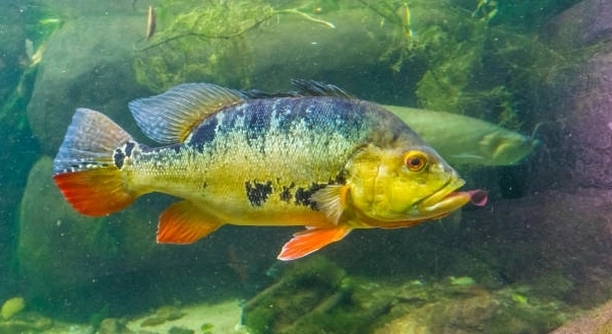
Are your African cichlids constantly digging in their tank? This behavior is common and can seem puzzling to many fish owners. Understanding why they dig is key to keeping your fish healthy and your aquarium balanced.
African cichlids dig mainly to create breeding sites, search for food, or establish territory. This natural behavior helps them feel secure and is essential for their social interactions and overall well-being in captivity.
Learning more about their digging habits will help you manage your aquarium better and support your cichlids’ natural needs.
Why African Cichlids Dig: Natural Instincts at Work
African cichlids dig as part of their natural instincts. They often move substrate to build nests or clear spaces for breeding. This behavior is common among many cichlid species, especially those from Lake Malawi and Lake Tanganyika. Digging also helps them mark their territory by rearranging the tank environment, signaling to other fish that a specific area belongs to them. In addition, digging may serve as a way to search for food hidden in the substrate. If you have a tank with a sandy or fine gravel bottom, it is easier for cichlids to dig and display this behavior. While the digging can sometimes cause a mess by stirring up debris or uprooting plants, it is an important activity that reflects the fish’s health and comfort in their habitat.
This digging is a natural part of their behavior and generally indicates a healthy, active fish.
To support your cichlids’ digging needs, it helps to provide appropriate substrate and decorations that can handle rearranging. Avoid delicate plants or lightweight ornaments that may easily get displaced. Regular water changes are necessary to clear out debris stirred up by digging. You can also create specific digging areas by placing smooth rocks or caves that encourage territorial behavior. Watching how your cichlids interact with their tank helps you identify their digging triggers and adjust the environment accordingly. If digging becomes excessive and disruptive, it may be a sign of stress or poor tank conditions, which you should address promptly.
Managing Digging Behavior in Your Aquarium
Digging can sometimes disturb the tank’s appearance and plants, but it’s a natural activity for cichlids.
To minimize damage, select hardy plants like Anubias or Java fern that tolerate digging. Secure decorations firmly or use heavier materials that won’t easily shift. You might also design separate zones for digging, such as a sandy patch away from planted areas. Maintaining proper water quality and balanced nutrition reduces stress that may increase digging. If aggression triggers digging, consider tank mates and space to reduce conflicts. Monitoring your fish regularly will help you keep their environment stable and minimize damage from digging behavior.
How Breeding Affects Digging Behavior
Breeding is a major reason African cichlids dig in the tank. They prepare nests by moving sand or gravel to create safe spaces for their eggs. This behavior can become more intense during spawning periods.
During breeding, males often clear out flat areas or dig pits to attract females. These nests provide protection for the eggs and fry once they hatch. Females may also dig to create hiding spots for their young. This natural digging helps improve survival rates by reducing threats from other fish. Providing a soft substrate like sand encourages this behavior and supports healthy breeding. Observing your cichlids during breeding will show increased digging and rearranging of the tank environment.
It’s important to respect this behavior and avoid disrupting nests during breeding. Disturbing the substrate too much can stress the fish and affect reproductive success. Offering plenty of hiding places with rocks and caves complements the digging, creating a better environment for raising fry.
Signs of Stress in Digging Behavior
Excessive or frantic digging can indicate stress or discomfort in your cichlids. It may signal poor water quality, overcrowding, or lack of hiding spots.
Stress causes cichlids to behave unusually, and digging can become more aggressive or constant. Poor water conditions, such as high ammonia or nitrite levels, irritate the fish and prompt digging as a coping mechanism. Overcrowding increases competition, leading to territorial disputes and more digging. Lack of proper shelter can make cichlids feel unsafe, driving them to dig more frequently. Monitoring water parameters and tank population helps reduce stress-related digging. Improving hiding spots and rearranging the tank to give each fish its space can calm them. Watching for changes in digging patterns can alert you early to health or environment issues.
Substrate Choice and Digging
The type of substrate in your tank affects how much your cichlids dig. Sand and fine gravel are easier for them to move and dig through compared to larger gravel or rocks.
Choosing the right substrate can encourage natural digging while reducing mess. Sand is often preferred because it mimics their natural habitat and is gentle on their mouths and gills.
Feeding Habits and Digging
Cichlids sometimes dig to find food hidden in the substrate. This behavior mimics their natural foraging instincts where they sift through sand or gravel to locate small prey or leftovers.
Providing a varied diet and avoiding overfeeding can help reduce excessive digging caused by hunger or searching for uneaten food.
Tank Setup to Minimize Digging Damage
Arranging your tank with sturdy decorations and hardy plants helps manage the impact of digging. Use rocks and caves to provide secure territories and reduce substrate disturbance.
Creating zones for digging limits damage and keeps the tank looking neat while meeting your cichlids’ natural needs.
FAQ
Why do my African cichlids dig so much?
African cichlids dig primarily because it is a natural behavior linked to breeding, territory marking, and foraging. Digging helps them create nests for eggs, claim space in the tank, and find food hidden in the substrate. This behavior is common and usually healthy unless it becomes excessive due to stress or poor tank conditions.
Is digging harmful to my aquarium setup?
Digging can disrupt plants and decorations, especially if they are lightweight or fragile. However, it is not harmful to the fish. Using sturdy plants, heavy rocks, and secure decorations can reduce damage. Regular maintenance and careful tank design help keep the aquarium looking tidy despite digging.
How can I reduce excessive digging?
To reduce digging, ensure water quality is good and the tank is not overcrowded. Provide plenty of hiding spots with rocks or caves. Using hardy plants that tolerate digging also helps. Avoid overfeeding, which can lead to more digging when fish search for uneaten food.
Should I change the substrate to control digging?
Yes, substrate choice influences digging. Sand or fine gravel encourages natural digging, while larger gravel or bare bottom tanks reduce it. If digging causes too much mess, consider a substrate that is less easy to move but still comfortable for your fish.
Can digging indicate a health problem?
Excessive or frantic digging might be a sign of stress or illness. Poor water quality, aggressive tank mates, or lack of hiding places can cause stress. Monitor your fish for other symptoms like loss of appetite or abnormal behavior. Fixing water issues and improving the environment often reduces stress digging.
Do all African cichlids dig?
Most African cichlid species exhibit digging behavior, but some dig more than others. Species from sandy habitats are more likely to dig actively. It is part of their natural behavior to manage territory and breeding sites. Knowing the habits of your specific species helps set proper expectations.
How often should I clean the tank if my cichlids dig a lot?
Frequent digging stirs up debris, making the water cloudy. Regular water changes—about 20-30% weekly—help maintain clarity and water quality. Cleaning the substrate gently during changes removes waste without stressing your fish. Avoid over-cleaning, as beneficial bacteria need time to thrive.
Can digging damage eggs or fry?
Digging during breeding usually protects eggs and fry by creating safe nests. However, other tank mates or excessive disturbance can harm young fish. Providing separate breeding tanks or hiding spots increases fry survival. Watching for aggression or disturbances helps protect your fish’s offspring.
What plants survive well with digging cichlids?
Hardy plants like Anubias, Java fern, and Vallisneria tolerate digging better than delicate plants. These species have strong roots or attach to rocks, making them less likely to be uprooted. Avoid planting fragile species in areas where cichlids frequently dig.
Is digging more common in certain tank sizes or setups?
Larger tanks with more space and hiding places can reduce stress and excessive digging. Overcrowded or small tanks increase competition, leading to more digging. Proper tank setup that mimics natural habitats helps balance digging behavior and fish health.
How can I observe digging behavior without stressing the fish?
Watch your fish calmly from a distance or behind a curtain to avoid startling them. Use a tank light with a timer to observe activity patterns. Noting when and how your cichlids dig helps identify triggers, such as feeding time or breeding periods, without causing stress.
Are there tank mates that discourage digging?
Tank mates with less territorial or digging behavior may reduce competition but will not stop digging entirely. Avoid aggressive or overly passive species, as both can increase stress. Choosing compatible species that share similar environmental needs helps maintain harmony and limits excessive digging.
Can digging improve my aquarium’s ecosystem?
Yes, digging helps aerate the substrate and redistribute nutrients. This natural activity can benefit plants and beneficial bacteria. It also keeps the environment dynamic, which is closer to their natural habitat. Proper management ensures digging remains healthy and does not damage the tank.
What signs show my cichlids are comfortable with their tank?
Comfortable cichlids show natural digging without frantic or constant digging. They interact with other fish normally, eat well, and display vibrant colors. Their digging will often focus on specific areas, like breeding spots, rather than random or destructive behavior.
Is digging related to aggression in African cichlids?
Digging can be part of aggressive or territorial displays, especially when defending nests or territory. This behavior is natural but can increase if the tank is overcrowded or poorly arranged. Providing enough space and hiding places reduces aggression and excessive digging.
African cichlids digging is a natural and important part of their behavior. It helps them build nests, claim territory, and search for food. This digging shows that your fish are active and comfortable in their environment. While it may sometimes create a mess in your tank, it is usually a positive sign of healthy fish. Understanding why they dig allows you to better care for them and create a balanced aquarium setup.
Managing digging behavior comes down to providing the right environment. Using sand or fine gravel as substrate gives cichlids a suitable surface to dig and explore. Adding sturdy decorations and hardy plants can reduce damage caused by digging. It is also important to maintain good water quality and avoid overcrowding. Stress and poor tank conditions often lead to excessive digging, so regular maintenance and a calm environment help keep the behavior at a natural level.
In summary, digging is a natural and necessary activity for African cichlids. Instead of trying to stop it completely, it is better to work with this behavior by designing the tank to support it. Proper substrate, decoration, and care will allow your fish to dig without causing problems. Watching your cichlids and understanding their needs will help you keep them healthy and happy in their home. Digging is just one of the many fascinating ways these fish interact with their environment.

Hello,
If you enjoy the content that we create, please consider saying a "Thank You!" by leaving a tip.
Every little bit helps us continue crafting quality advice that supports the health, happiness, and well-being of pets around the world, for pets of all shapes, sizes, and species.
We really appreciate the kindness and support that you show us!