
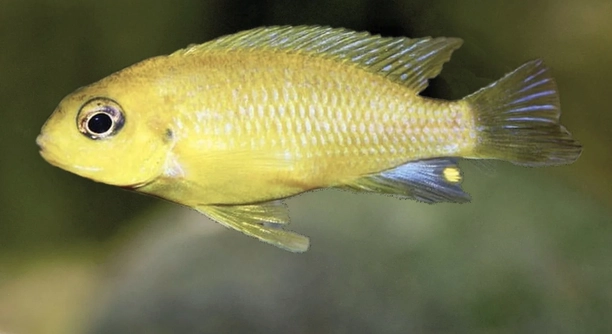
Are your African cichlids suddenly swimming faster and darting around their tank? Many fish owners notice bursts of energy and unusual behavior from these vibrant freshwater species. Understanding why they act hyper is important for their care.
African cichlids often display hyperactive behavior due to factors like water quality changes, territorial instincts, or feeding patterns. Environmental stressors and tank conditions significantly influence their activity levels, causing increased movement and aggression. Proper maintenance helps manage these behaviors effectively.
Recognizing the reasons behind this hyperactivity can improve your cichlids’ wellbeing and create a healthier aquarium environment for them to thrive.
Common Causes of Hyperactivity in African Cichlids
African cichlids can become hyperactive for several reasons, most related to their environment and natural instincts. One major factor is water quality. Poor water conditions, such as high ammonia or nitrite levels, stress the fish and cause erratic swimming. Sudden changes in temperature or pH also impact their behavior. Another reason is territory. These fish are naturally territorial and may act aggressively or move quickly to defend their space, especially in crowded tanks. Overfeeding or feeding large amounts at once can lead to bursts of energy as they compete for food. Lastly, insufficient hiding spots or decorations in the tank can cause stress, making the fish more restless. Observing these factors carefully helps identify why your cichlids are unusually active and allows for timely adjustments.
Maintaining stable water conditions and providing enough space usually reduces hyperactive behavior in African cichlids.
Creating a balanced environment by regularly testing water parameters and arranging the tank with caves or plants makes the fish feel secure. Avoid overcrowding to lessen territorial disputes. Feeding smaller amounts multiple times a day also helps keep their energy steady. These steps will calm your cichlids and improve their overall health.
How Tank Setup Affects Behavior
The design and layout of your aquarium greatly influence cichlid activity.
A well-arranged tank with ample hiding spaces encourages natural behavior and reduces stress.
A properly set up tank mimics the cichlids’ natural habitat, which is often rocky and filled with caves. These spaces allow them to retreat and establish territories calmly. When hiding spots are missing, fish feel exposed and may swim rapidly to seek safety or show dominance. Substrate type and tank size also matter; a spacious tank prevents crowding, lowering aggression and frantic movements. Decorations can serve as visual barriers, reducing confrontations. Light intensity affects their comfort as well, with softer lighting often calming the fish. In summary, thoughtful tank arrangement helps manage hyperactivity and creates a more peaceful environment for your cichlids to thrive.
Feeding Habits and Their Impact on Activity
Feeding routines play a big role in how active your African cichlids are. Overfeeding can lead to sudden bursts of energy as they compete for food.
Feeding too much at once causes excitement and sometimes aggression among cichlids. Their natural instinct drives them to compete for limited resources, making them swim quickly and chase each other. Overfeeding can also cause water quality issues, which further stress the fish and increase hyperactivity. It is better to feed small portions multiple times a day to maintain calm behavior and keep the tank cleaner. Monitoring how much your fish eat prevents waste buildup and unhealthy spikes in activity.
Using high-quality food suited to cichlids’ diet helps maintain steady energy levels. Poor diet or inconsistent feeding may lead to hyperactive or lethargic behavior. Establishing a regular feeding schedule supports their health and keeps their activity balanced.
Stress and Environmental Factors
Stress from external and internal conditions greatly affects cichlid behavior. Stressors include sudden changes in water parameters, overcrowding, or aggressive tank mates.
Fish under stress often become restless and hyperactive as a survival response. Environmental instability, such as fluctuating temperature or pH, causes discomfort and increased movement. Overcrowded tanks lead to constant territorial fights and high energy use. Stress also weakens their immune systems, making them more prone to illness and erratic behavior. Aggressive species living together can trigger stress-induced hyperactivity. Providing a stable, peaceful environment helps reduce these issues and promotes calmness.
Regular monitoring of water quality and careful selection of tank mates prevents stress. Maintaining a peaceful community tank supports healthier, less frantic fish behavior.
Lighting and Its Effects on Cichlid Behavior
Lighting influences how active African cichlids are in the tank. Bright lights can make them feel exposed and increase movement.
Dim or natural lighting tends to calm the fish, reducing stress and hyperactivity. Adjusting light intensity can help control their energy levels effectively.
Water Quality and Maintenance
Clean water is essential for healthy, calm cichlids. Poor water quality causes stress and erratic behavior, including hyperactivity. Regular water changes, testing for ammonia, nitrites, and nitrates, and proper filtration keep the tank environment stable. Maintaining ideal water parameters supports the fish’s well-being and prevents unwanted behavioral changes.
Breeding Behavior and Hyperactivity
During breeding, African cichlids become more active and territorial. This natural behavior causes increased swimming, chasing, and defending spaces within the tank. Understanding this phase helps explain temporary spikes in hyperactivity.
Tank Size Considerations
A tank that is too small restricts movement and increases aggression, leading to hyperactive behavior. Providing ample space reduces stress and promotes calmer swimming patterns.
FAQ
Why are my African cichlids suddenly swimming so fast?
Rapid swimming in African cichlids is often a reaction to stress or environmental changes. It can be caused by sudden shifts in water temperature, poor water quality, or overcrowding. These conditions make the fish feel threatened or uncomfortable, prompting quick, erratic movements as they try to escape or defend themselves.
Can overfeeding make my cichlids hyperactive?
Yes, overfeeding can cause hyperactivity. When too much food is offered, cichlids compete aggressively to eat, which leads to bursts of energy and chasing behavior. Additionally, leftover food can degrade water quality, further stressing the fish and increasing their activity levels.
How does tank size affect cichlid behavior?
Tank size directly impacts cichlid activity. Smaller tanks limit space, causing stress and territorial aggression. This often results in hyperactive swimming as fish try to establish dominance or find hiding spots. A larger tank gives them room to spread out, reducing conflict and frantic movement.
What role does lighting play in cichlid hyperactivity?
Bright, intense lighting can make cichlids feel exposed and stressed, causing them to swim more quickly or hide. Softer, dimmer lighting creates a calming environment, helping to reduce hyperactive behavior. Adjusting lighting to mimic their natural habitat supports their comfort.
Can stress cause my cichlids to act hyper?
Stress is a major factor in hyperactive behavior. Changes in water chemistry, overcrowding, aggressive tank mates, or lack of hiding places can all stress cichlids. When stressed, they swim faster, become more aggressive, and show erratic movements as a coping mechanism.
How often should I clean my tank to prevent hyperactivity?
Regular cleaning is key. Partial water changes of 20-30% weekly help maintain water quality by removing toxins like ammonia and nitrates. Keeping the tank clean reduces stress and keeps cichlids calmer. Filtration should also be checked and maintained frequently.
Does breeding cause hyperactive behavior in cichlids?
Yes, during breeding periods, cichlids become more territorial and active. They may chase other fish, guard nests, and swim aggressively to protect their eggs or fry. This is normal but usually temporary. Providing enough space and hiding spots can ease the tension.
What are the best tank mates to reduce cichlid stress and hyperactivity?
Compatible tank mates should be chosen carefully. Avoid species that are too passive or overly aggressive. Other robust cichlids or fish with similar temperaments tend to coexist better. Proper stocking density helps reduce territorial disputes and hyperactive behavior.
Can diet affect my cichlids’ activity levels?
Yes, diet influences energy and behavior. High-quality foods that match their natural diet support stable energy levels. Feeding smaller portions multiple times a day prevents sudden bursts of excitement caused by competition or overeating. Balanced nutrition promotes calmness.
What signs show that my cichlids’ hyperactivity is a health problem?
If hyperactivity comes with symptoms like gasping at the surface, loss of appetite, or visible wounds, it may indicate illness or parasites. Sudden behavior changes should be investigated by checking water quality and consulting care guides or professionals. Early intervention improves outcomes.
Final Thoughts
African cichlids are lively and interesting fish, but their hyperactive behavior can sometimes be confusing. This activity often signals something about their environment or health. Factors like water quality, tank size, lighting, and feeding routines all play a role in how these fish behave. Keeping these elements balanced helps create a calm and healthy space where your cichlids can thrive without unnecessary stress or excessive energy bursts. Paying attention to their behavior can give useful clues about what might need adjusting in their care.
It is important to remember that some hyperactivity is natural, especially during breeding or territorial displays. African cichlids are known for their strong instincts and need for space to establish dominance. Creating a tank environment that mimics their natural habitat with enough hiding spots and room to swim reduces stress and aggressive actions. Consistent water maintenance and feeding habits also contribute to keeping their behavior steady and predictable. Small changes in how you manage the tank can make a big difference in how your fish act daily.
Overall, understanding why your cichlids act hyper allows you to respond thoughtfully and improve their living conditions. Managing stress, maintaining clean water, providing appropriate space, and offering a balanced diet all support their wellbeing. These steps not only calm hyperactivity but also encourage healthy growth and longevity. Watching your African cichlids settle into a peaceful rhythm is rewarding, and careful care ensures they remain vibrant and active in the best possible way.

Hello,
If you enjoy the content that we create, please consider saying a "Thank You!" by leaving a tip.
Every little bit helps us continue crafting quality advice that supports the health, happiness, and well-being of pets around the world, for pets of all shapes, sizes, and species.
We really appreciate the kindness and support that you show us!