
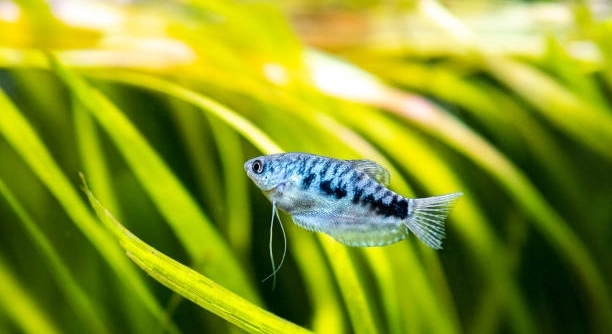
Have you ever noticed your gourami acting strange, twitching at the surface, and wondered what might be going on with them?
The most common reason gourami twitch at the surface is due to water quality issues, such as high ammonia or low oxygen levels. These conditions can stress the fish, causing abnormal behaviors and affecting their overall health.
Understanding these behaviors can help you create a safer environment and keep your gourami healthy and thriving in your tank.
Poor Water Conditions Can Trigger Twitching
Gourami are sensitive to the quality of the water they live in. When ammonia, nitrites, or nitrates are too high, these toxins can irritate their gills and skin. This leads to twitching or rapid movements, especially near the surface where they try to get more oxygen. Sudden changes in water temperature or pH levels can also cause stress. A lack of proper filtration or infrequent water changes often allows harmful substances to build up. Clean, balanced water is essential for their comfort and survival. If your gourami are twitching at the surface, testing your tank’s water should be your first step. Keeping levels stable and within the recommended range can prevent this issue and keep your fish calm. A stable tank creates a safe space, where your gourami can breathe easily and behave normally. Prevention starts with regular tank maintenance and a close eye on your water parameters.
Keep a regular schedule for testing water and changing it weekly. It’s a simple habit that can make a big difference.
Investing in a quality filter and avoiding overfeeding also help maintain clean conditions. Rotting food increases waste in the tank, which harms water quality. Aim for small, regular feedings and avoid overcrowding the tank.
Oxygen Levels Matter More Than You Think
Low oxygen levels can also make your gourami twitch and behave restlessly at the surface.
Gourami have a special organ called the labyrinth, which lets them breathe air from the surface. Still, they rely on dissolved oxygen in the water, especially in crowded or warm tanks. Warmer water holds less oxygen, so during summer or if you use a heater, oxygen can drop quickly. If the surface is still or there’s not enough aeration, your fish might begin showing signs of stress. Twitching is one way they express that something isn’t right. Using an air stone, sponge filter, or adjusting your filter’s output to disturb the surface can help. More movement on the water surface allows for better oxygen exchange. Plants that release oxygen during the day can help too, but be mindful that at night, plants consume oxygen. If your gourami are gasping or twitching at the surface often, improving water movement and checking temperature could bring relief fast.
Aggression or Mating Behavior
Sometimes twitching isn’t a health issue. Male gourami may twitch or flick their fins as part of courtship or to show dominance. It’s a common behavior during mating or when establishing territory in the tank.
When two males are kept together, they may twitch at each other as a warning or challenge. During mating, a male may twitch to attract a female’s attention or to lead her to a bubble nest. These actions are usually more rhythmic and focused, not erratic like stress-induced twitching. If you have both males and females, and the twitching comes with chasing or circling, it could be a normal part of their reproductive behavior. Watching for other signs, like bubble nest building or changes in coloring, can help you tell the difference. If the twitching is paired with aggressive chasing, it may help to rearrange decorations or separate aggressive fish.
Keeping only one male per tank or increasing the number of hiding places can help reduce stress-related twitching. A more peaceful tank setup allows each fish to have its own space.
Gourami can also twitch to establish rank without physical fighting. These short movements, often combined with flaring fins, are a way to avoid serious harm. Monitoring interactions can prevent ongoing tension.
Parasites and Skin Irritation
Twitching at the surface may also be caused by external parasites like ich or flukes. These can irritate the fish’s skin and gills, leading to frequent flicking, rubbing, or twitching. Visible white spots or inflamed gills may appear as symptoms.
Skin parasites can spread quickly if untreated, especially in tanks with poor water quality or newly introduced fish. Quarantining new additions before placing them in your main tank can prevent outbreaks. If you suspect a parasite issue, look for changes in appetite, breathing, or other fish displaying the same signs. Treatments vary based on the parasite, so proper identification is key. Many pet stores offer anti-parasitic medications, but be sure to remove carbon from filters before using them. Maintain high water quality throughout treatment. If caught early, most parasite issues can be managed without lasting damage. Always treat the whole tank unless the affected fish is isolated from others.
Sudden Changes in Environment
A sudden drop or rise in temperature can stress your gourami and lead to twitching. Even a small shift of a few degrees can affect their comfort, especially if it happens quickly or often.
Shifting decorations or changing water too quickly can also disturb their sense of security. They may react with twitching or erratic swimming.
Chemical Exposure
If you’ve recently cleaned the tank or added new items, chemical residue could be affecting your gourami. Soap, disinfectants, or even certain types of untreated tap water can introduce harmful substances. These chemicals irritate their skin and gills, causing twitching or gasping at the surface. Always rinse tank items with plain water and use a water conditioner when adding new water. Avoid using cleaning products near the tank to prevent airborne contamination. If you suspect chemical exposure, do an immediate partial water change. Activated carbon in the filter can help absorb any remaining traces. Consistent care helps prevent these types of reactions.
Lighting and Noise Changes
Sudden bright lights or loud noises near the tank can startle your gourami. Their twitching might be a quick response to feeling unsafe. Keeping the tank in a calm, quiet area helps reduce this kind of stress.
FAQ
Why is my gourami twitching only when I approach the tank?
This could be a reaction to sudden movement or light changes. Gourami can be shy or easily startled. If they associate you with feeding time, they might twitch in excitement or anticipation. If it happens consistently when you approach, it’s likely harmless. Try moving slowly and avoiding tapping or leaning too close. Over time, your fish may become more used to your presence and react more calmly. If twitching only happens during interactions and not at other times, it is usually not a health concern.
Can poor diet cause twitching in gourami?
Yes, a poor diet can lead to stress and health problems. If your gourami aren’t getting the right balance of nutrients, they may weaken over time, making them more sensitive to changes or illness. This can show up as twitching, loss of color, or odd behavior. Feed a mix of high-quality flakes or pellets and supplement with live or frozen foods like brine shrimp or bloodworms. Avoid overfeeding, as this can cause water quality problems, which also lead to twitching. Feeding a proper diet helps support their immune system and keeps their behavior normal.
Is twitching a sign that my gourami is dying?
Not always. Twitching can be a sign of temporary stress, irritation, or minor discomfort. However, if the twitching is frequent, severe, or paired with other symptoms like gasping, hiding, color loss, or refusal to eat, then it might be more serious. Monitor closely for any changes over the next few days. Check water parameters, temperature, and tank mates’ behavior. If no improvements happen after adjusting the environment, consider seeking advice from a vet familiar with fish or using a trusted treatment method based on symptoms.
Should I isolate a twitching gourami?
Isolation can be helpful if you suspect parasites or illness, especially if other fish are not showing symptoms. Use a separate tank with clean, warm, and well-oxygenated water. Observe for a day or two before starting treatment. If the twitching stops in isolation, it may be due to bullying or stress from tank mates. If it continues, it could be a health issue that needs specific care. Isolating early can prevent disease from spreading and gives you more control over treatment conditions. Just make sure the isolation tank is properly cycled and maintained.
What should I check first when my gourami starts twitching?
Start with water quality. Test for ammonia, nitrites, nitrates, and pH. Even slight spikes can stress your gourami. Check the temperature and make sure it’s steady. Look at their diet, recent changes in the tank, and whether there’s been aggressive behavior. Rule out the simple things first—like lights being too bright or a filter being too strong. Sometimes a small fix makes a big difference. If all environmental factors seem fine and twitching continues, consider the possibility of parasites or infection and treat accordingly with the proper medication.
Can twitching happen after a water change?
Yes, especially if the water change was too large or the new water had a different temperature or chemistry. Gourami are sensitive to sudden shifts, and a big water change can cause a shock. Always match the temperature as closely as possible and condition the water before adding it. Doing smaller, more frequent water changes—about 20–25% at a time—can help reduce this kind of stress. If twitching happens only after water changes, review your process and make it more gradual. A gentle routine is better than large, sudden changes.
What’s the difference between twitching and normal movement?
Normal movement includes gentle swimming, gliding, and occasional quick darts—especially when they’re excited or playing. Twitching usually looks like sudden, repeated flicks of the fins or body, often at the surface or against objects. It may look like they’re trying to shake something off. If you’re unsure, watch them for a longer period to see if the behavior continues or spreads to other fish. Context matters—twitching after a scare is likely harmless. But repeated twitching in a calm tank suggests a deeper issue, such as irritation or poor conditions.
Final Thoughts
Twitching in gourami can look alarming at first, but it doesn’t always mean something serious is wrong. Sometimes it’s a natural reaction to stress, new surroundings, or social behavior like mating or showing dominance. It can also be caused by something in the environment that’s making your fish uncomfortable—like poor water quality, low oxygen, or sudden changes in temperature or lighting. Paying attention to when and how often the twitching happens can help you figure out the cause more easily. A calm and steady tank setup can reduce the chances of stress-related twitching.
Keeping your gourami healthy starts with good water care. Regular testing, small weekly water changes, and a steady temperature make a big difference. Using a filter that suits your tank size, along with gentle aeration, can help maintain the oxygen level your fish need. Feeding them a balanced diet and avoiding overcrowding are also important. These small steps go a long way in keeping your gourami from reacting to hidden problems. It’s also helpful to watch how the fish interact. If there’s aggression or signs of bullying, changes to the tank layout or moving fish around might help restore balance.
When twitching does happen, don’t panic. Start by checking your water parameters, watching your fish closely, and thinking back to any recent changes in the tank. Most problems can be fixed with a little patience and care. If the behavior continues and you see other signs like rubbing, gasping, or not eating, it may be time to treat for parasites or illness. Having a small hospital tank on hand can be helpful for cases like this. Overall, the more you learn about your fish’s normal behavior, the easier it becomes to spot when something isn’t right. Simple observation and regular care are often the best tools you have.

Hello,
If you enjoy the content that we create, please consider saying a "Thank You!" by leaving a tip.
Every little bit helps us continue crafting quality advice that supports the health, happiness, and well-being of pets around the world, for pets of all shapes, sizes, and species.
We really appreciate the kindness and support that you show us!