
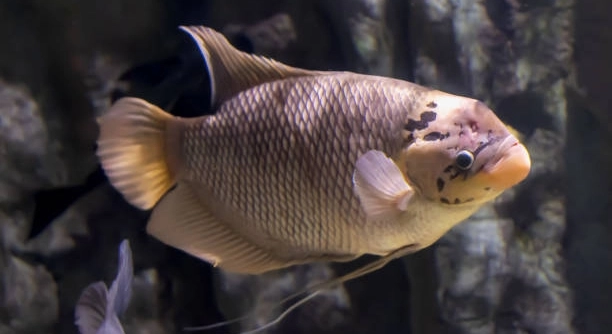
Are your gourami acting out of the ordinary, tearing at the plants in your aquarium instead of swimming peacefully around them?
Gourami often tear at plants due to boredom, poor diet, or a lack of environmental enrichment. This behavior can also be linked to nesting habits or territorial instincts, especially in smaller or overcrowded tanks.
Learning why this happens can help you create a calmer, healthier space that supports your gourami’s natural behavior and tank balance.
Why Gourami Might Be Tearing at Plants
Gourami are known for their gentle personalities, but sometimes they display unexpected behaviors like tearing at aquarium plants. This can be caused by a few different things. Some gourami tear plants out of boredom or stress, especially if their environment lacks stimulation. Others might be looking for food, particularly if they’re not getting enough plant matter in their diet. Males can also do this when preparing a nesting area, especially if they’re ready to breed. Each of these reasons ties back to their natural instincts and needs, which can show up in small ways inside a tank. By observing how often it happens and noting what type of plant is targeted, you can begin to understand what’s going on and how to fix it. Tank conditions, plant type, and even the number of tank mates play a role in triggering these actions.
This behavior is often their way of responding to their tank setup or what’s missing from it.
Giving your gourami more plants, hiding spots, and the right food often helps reduce this habit. Be sure to monitor their activity and adjust slowly if needed.
Adjusting Their Environment to Help
Tank conditions can influence how your gourami interact with plants, so small changes might make a big difference.
Start by reviewing their tank size and layout. Gourami thrive in spacious tanks with clear swimming areas and gentle flow. If the tank is too small or crowded, they may become territorial and start tearing plants. Next, think about the type of plants you’re using. Delicate plants like cabomba or hornwort may get shredded easily, while tougher options like java fern or anubias can hold up better. Lighting matters too—some gourami get more active or aggressive with intense lighting, so try adjusting it to a softer setting. Enrich the tank with floating plants, driftwood, or caves to create a more secure environment. Also, if you’re housing more than one male, keep an eye on territorial behavior. Offering visual barriers and enough space can help reduce competition and stress. Little by little, these environmental tweaks can shift their behavior.
Diet and Feeding Habits
Gourami that tear at plants might be trying to get more plant-based nutrition. Some commercial fish foods lack the greens gourami naturally crave.
Try offering a more varied diet that includes blanched vegetables like spinach, lettuce, or zucchini slices. These provide fiber and help satisfy their need to nibble on plants. Look for high-quality flakes or pellets that include spirulina or other plant matter. Feeding them small amounts a couple of times a day can also prevent boredom snacking. Be careful not to overfeed, as this leads to leftover food and water quality problems. Keeping their diet balanced and consistent goes a long way in reducing unwanted behaviors like plant tearing. Watch how they respond to new foods and adjust based on what they eat most.
Adding frozen foods like bloodworms or brine shrimp once or twice a week gives them protein variety. That balance helps keep them engaged and satisfied.
Social Behavior and Tank Mates
Some gourami may start tearing plants if they feel threatened or unsettled by other fish in the tank. Aggressive or overly active tank mates can increase stress.
Peaceful community fish like corydoras, small rasboras, or tetras usually work well with gourami. Avoid fin-nippers or very territorial species, especially in smaller tanks. A stressful tank dynamic may cause gourami to act out by tearing at plants or chasing tank mates. Make sure there’s enough room for everyone and plenty of hiding places to create a calm space. If one fish is constantly targeted or chasing others, consider rehoming or separating it. Watch for signs of stress like darting, hiding all day, or not eating. Giving each fish space and a compatible environment leads to more relaxed behavior. Pairing the right fish together can change how your gourami interact with their surroundings, including how they treat the plants.
Breeding Behavior and Nesting
Male gourami may tear plants to collect material for bubble nests. This is especially common in species like dwarf gourami or pearl gourami during the breeding season.
They often target softer plants that are easier to shred and float. Nesting behavior can increase if the water is warm and still.
Signs of Stress
Stress can cause gourami to act differently, including tearing at plants. Poor water quality, sudden changes, or overcrowding often lead to these stress behaviors.
Test the water regularly, keep a steady temperature, and avoid sudden changes to help them feel secure and stay calm.
Types of Plants to Avoid
Delicate plants like cabomba and hornwort tend to get shredded quickly. Switch to tougher options like anubias, java fern, or marimo moss balls. These hold up better and discourage plant-tearing behavior without compromising the look of the tank.
FAQ
Why do gourami tear at plants even when they have enough food?
Even with sufficient food, gourami might tear at plants due to natural instincts like exploring their environment or preparing a nest. They also use plants for hiding and comfort. Tearing can be a form of interaction or a way to stay mentally active, especially if the tank lacks enrichment.
Can gourami damage all types of plants in the aquarium?
Gourami tend to target softer, more delicate plants because they are easier to tear apart. Plants like cabomba, hornwort, and some mosses often get damaged. Hardier plants such as java fern and anubias are more resistant and less likely to suffer.
How can I prevent gourami from tearing my plants?
Increasing tank enrichment helps. Add more hiding spots, vary the plants, and provide floating plants to distract them. Feeding a balanced diet with fresh vegetables can reduce their need to nibble on live plants. Also, check tank size and water conditions to reduce stress-related behavior.
Is plant tearing a sign of illness in gourami?
Usually, plant tearing is not a direct sign of illness. However, if combined with other symptoms like lethargy or loss of appetite, it could indicate stress or health issues. Monitor your gourami’s overall behavior and water quality to catch any problems early.
Does the size of the tank affect gourami’s behavior towards plants?
Yes, smaller or overcrowded tanks increase stress and territorial behavior, which can lead to more aggressive interactions with plants. Providing a spacious tank with plenty of room to swim helps reduce such behaviors.
Are male gourami more likely to tear plants than females?
Males are generally more prone to tearing plants because of nesting habits. They use plant material to build bubble nests and protect their territory during breeding seasons. Females tend to be less destructive toward plants.
Can tank mates influence gourami’s plant-tearing behavior?
Yes, aggressive or overly active tank mates can stress gourami, causing them to act out by tearing plants. Peaceful community fish reduce stress and promote calm behavior, decreasing destructive tendencies.
What types of plants should I avoid if I keep gourami?
Avoid fragile plants like cabomba and hornwort that tear easily. Instead, choose tougher, more resilient plants such as anubias, java fern, or marimo moss balls that withstand nibbling better and help maintain tank aesthetics.
Will gourami eventually stop tearing plants as they mature?
Some gourami may reduce this behavior as they mature and settle into their environment. Others may continue, especially if their tank conditions or diet don’t change. Consistent care and attention to their needs can help minimize plant damage.
How often should I feed gourami to prevent plant tearing?
Feeding small, balanced meals twice daily is ideal. Overfeeding can cause water issues, but underfeeding leads to boredom and plant nibbling. Include a mix of flakes, pellets, and fresh vegetables to keep them satisfied and healthy.
Are there any signs to look for that show gourami are stressed?
Signs include hiding, erratic swimming, loss of appetite, and increased aggression. If they start tearing plants more often along with these signs, it’s a good idea to check water parameters, tank size, and social dynamics.
Can changing the lighting in the tank reduce plant tearing?
Sometimes, yes. Intense lighting can increase activity and stress for some gourami. Adjusting to softer lighting or providing shaded areas with floating plants can create a calmer environment, potentially reducing plant damage.
Is it okay to use artificial plants to prevent damage?
Artificial plants can be a good alternative if natural plants are constantly torn up. They provide hiding spots and decoration without risk of damage. However, they don’t offer the same benefits as live plants, such as oxygenation and natural filtration.
How can I tell if my gourami is preparing to breed based on their interaction with plants?
Increased plant tearing, especially by males, combined with bubble nest building at the water surface, indicates breeding behavior. You may also notice more territorial behavior during this time.
What should I do if my gourami keeps damaging expensive or rare plants?
Consider rearranging the tank to protect those plants, adding more hardy plants as a distraction, or separating the gourami temporarily. Also, review their diet and tank conditions to reduce destructive behavior.
Final Thoughts
Understanding why gourami tear at plants helps in creating a better home for these fish. Their behavior is often linked to natural instincts like feeding, nesting, or exploring their environment. This means that plant tearing is usually not a sign of something wrong but a part of how gourami interact with their tank. Knowing this allows you to make small changes that improve both the fish’s well-being and the overall look of your aquarium.
Providing the right balance of diet, tank mates, and plant types can greatly reduce the amount of plant damage. Gourami benefit from a varied diet that includes fresh vegetables and quality flakes or pellets with plant matter. This satisfies their need for fiber and reduces the urge to nibble on live plants. Choosing tougher plants like anubias and java fern helps keep the tank attractive while standing up to gourami’s natural behavior. Ensuring peaceful tank mates and a comfortable environment lowers stress, which can also reduce plant tearing.
Managing a gourami tank requires attention to detail and patience. Sometimes trial and error is necessary to find the best combination of food, plants, and companions. Observing your gourami closely and responding to their needs will create a more peaceful and balanced aquarium. With the right care, gourami and live plants can coexist happily, giving you a beautiful and lively tank to enjoy.

Hello,
If you enjoy the content that we create, please consider saying a "Thank You!" by leaving a tip.
Every little bit helps us continue crafting quality advice that supports the health, happiness, and well-being of pets around the world, for pets of all shapes, sizes, and species.
We really appreciate the kindness and support that you show us!