
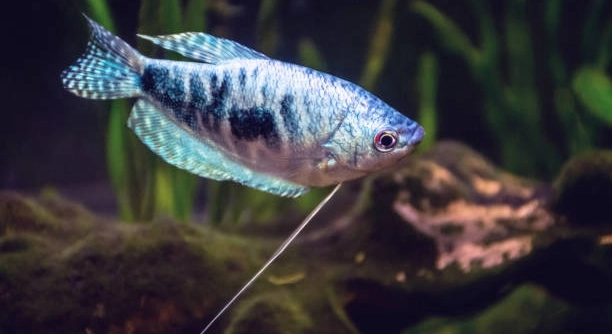
Gouramis are popular freshwater fish known for their vibrant colors and peaceful nature. Sometimes, you might notice them breathing more often than usual. This change can catch your attention and make you wonder what’s going on with your fish.
Gouramis breathe more frequently when there is low oxygen in the water, poor water quality, or stress from their environment. They use a special organ called the labyrinth to take in extra air, helping them survive in less-than-ideal conditions.
Learning what causes this behavior is important for keeping your gourami healthy. We will explore key factors behind their increased breathing and how you can help them feel comfortable again.
Why Gouramis Breathe More Often in Low Oxygen
When the oxygen level in the aquarium water drops, gouramis start breathing more rapidly. These fish have a special labyrinth organ that lets them take in air from the surface, helping them survive when oxygen is low. Poor aeration or overcrowding can reduce oxygen, making gouramis rely on this breathing method. Temperature also affects oxygen levels because warm water holds less oxygen than cooler water. If your tank water is too warm or has poor circulation, your gouramis will struggle to get enough oxygen. Regular water changes and good filtration help keep oxygen at healthy levels. Watching your fish breathe more often can be a sign to check the water’s condition and improve it quickly to avoid stress or illness.
Low oxygen causes gouramis to use their labyrinth organ more, making their breathing rate increase noticeably.
Maintaining proper aeration and water quality is essential to reduce frequent breathing in gouramis. Use an air pump or ensure good water movement. Keep the tank clean and avoid overcrowding to support healthy oxygen levels. Monitoring water temperature also helps, as warmer water lowers oxygen availability. If you spot increased breathing, test the water for oxygen and other parameters like ammonia or nitrite. Correcting these issues can calm your gouramis and improve their overall well-being.
How Water Quality Affects Gourami Breathing
Poor water quality is a major reason gouramis breathe more often. Waste from fish, uneaten food, and decaying plants produce ammonia and nitrites that are harmful in high amounts. These toxins irritate the fish’s gills and make it harder for them to absorb oxygen, so they breathe faster. High levels of nitrates, although less toxic, also reduce water quality and stress fish. Even if oxygen levels seem okay, poor water conditions can make gouramis uncomfortable and cause rapid breathing. Keeping up with regular water changes and testing for harmful chemicals keeps your tank safe. Using a reliable filtration system and avoiding overfeeding also helps maintain clean water.
A clean tank and stable water conditions help gouramis breathe normally and stay healthy.
Changing water regularly and removing waste reduces toxins that cause breathing problems. When water quality is good, fish don’t have to work as hard to get oxygen. Test the water for ammonia, nitrites, and nitrates weekly. Use a water conditioner to remove chlorine and other chemicals harmful to fish. Be mindful of how many fish are in the tank to avoid overstocking, which increases waste and lowers water quality. By paying attention to water conditions, you create a healthier environment that supports your gouramis’ natural breathing pattern and overall vitality.
Stress and Its Impact on Gourami Breathing
Stress can cause gouramis to breathe faster. Changes in the tank, aggressive tankmates, or sudden loud noises may make your fish uneasy. Stress weakens their immune system and affects normal breathing patterns.
When gouramis feel threatened or uncomfortable, their breathing rate increases as part of their stress response. Poor tank conditions, such as overcrowding or lack of hiding places, add to this stress. Maintaining a calm environment with proper tank mates and plenty of plants or decorations helps reduce stress. Regular feeding and a stable routine also keep gouramis relaxed. Stress not only affects breathing but can lead to illness if not addressed quickly.
Avoid sudden changes in the tank environment and monitor interactions among fish. Keeping your gouramis in a peaceful setup will minimize stress-induced rapid breathing. Provide hiding spots and control noise levels near the aquarium. These small efforts help your gouramis feel secure and breathe normally.
Role of Temperature in Gourami Breathing Rates
Temperature influences how often gouramis breathe. Warmer water holds less oxygen, so fish must breathe faster to get enough air.
If the tank temperature rises above their comfort zone, gouramis’ metabolism speeds up, increasing oxygen demand. As a result, they use their labyrinth organ more frequently to compensate for lower dissolved oxygen. Maintaining the ideal temperature, usually between 75°F and 82°F (24°C to 28°C), helps keep breathing rates normal. Use a reliable aquarium heater with a thermostat to prevent sudden changes. Monitoring water temperature regularly prevents stress and supports healthy breathing. Temperature swings cause discomfort and rapid breathing, so consistency is key. Keeping the tank cool enough and stable will reduce the chance of your gouramis overworking their breathing.
Overfeeding and Its Effects on Gourami Breathing
Overfeeding can lead to poor water quality, causing gouramis to breathe faster. Uneaten food decomposes and releases harmful substances.
Too much food also increases waste production, which lowers oxygen levels and stresses the fish. Feeding smaller amounts helps keep the tank clean and your gouramis comfortable.
Signs of Illness Affecting Gourami Breathing
Illness often causes rapid breathing in gouramis. Common diseases like gill parasites or bacterial infections damage the gills, making oxygen absorption difficult.
Watch for other symptoms such as lethargy, clamped fins, or loss of appetite. Early treatment can improve your fish’s chances of recovery and restore normal breathing.
Proper Tank Size and Its Importance
A tank that is too small stresses gouramis and limits oxygen availability. Providing enough space ensures healthier breathing and less stress.
Adequate tank size supports better water quality, reduces competition, and promotes natural behavior, all helping your gouramis breathe comfortably.
Monitoring Water Parameters Regularly
Keeping track of ammonia, nitrites, nitrates, and pH levels prevents issues that increase gouramis’ breathing rate. Regular testing is essential.
FAQ
Why is my gourami breathing rapidly at the surface?
Rapid breathing at the surface usually means your gourami is trying to get more oxygen. This happens when the water has low oxygen levels or poor quality. It can also be a sign of stress or illness. Make sure your tank has good aeration, clean water, and stable conditions to help your fish breathe easier.
Can poor water quality cause gouramis to breathe more often?
Yes, poor water quality is a common reason gouramis breathe faster. Ammonia, nitrites, and nitrates build up from waste and uneaten food, irritating their gills and reducing oxygen absorption. Regular water changes and filtration are important to keep water clean and your fish healthy.
Does tank temperature affect how often gouramis breathe?
Absolutely. Higher water temperatures hold less oxygen, so gouramis must breathe more often to get what they need. Keeping the temperature stable between 75°F and 82°F helps prevent excessive breathing and stress.
Can stress make my gourami breathe faster?
Stress is a big factor in increased breathing. Changes in environment, aggressive tankmates, or sudden noises can make gouramis nervous. Providing hiding spots and a peaceful tank environment helps reduce stress and keeps their breathing normal.
Is overfeeding linked to increased breathing in gouramis?
Yes, overfeeding leads to excess waste that lowers oxygen and pollutes the water. This forces gouramis to breathe faster. Feeding small, controlled amounts and removing uneaten food helps keep the tank cleaner and fish calmer.
What illnesses cause rapid breathing in gouramis?
Gill parasites, bacterial infections, and fungal diseases often cause rapid breathing. These illnesses damage the gills, making it hard for fish to absorb oxygen. Other symptoms include lethargy, loss of appetite, and clamped fins. Early diagnosis and treatment are important.
How does tank size influence gourami breathing?
A small tank can cause stress and poor water quality, leading to faster breathing. Gouramis need enough space to swim and maintain healthy water conditions. Providing a properly sized tank helps them breathe normally and live longer.
How often should I check water parameters for my gouramis?
Regular monitoring is key. Test ammonia, nitrites, nitrates, pH, and temperature weekly to catch problems early. Keeping water conditions stable prevents stress and breathing problems.
Can a lack of plants or hiding places affect breathing?
Yes, gouramis feel safer with plenty of plants and hiding spots. Without them, stress increases, causing faster breathing. Adding decorations and plants creates a comfortable environment that helps your gouramis relax.
What can I do if my gourami’s breathing doesn’t improve?
If breathing stays rapid despite good care, consult an aquatic veterinarian or fish expert. Persistent symptoms may need medication or special treatment to address underlying health issues. Acting quickly improves the chance of recovery.
When gouramis start breathing more often, it usually means something in their environment is not quite right. This change in behavior is a sign that they are trying to get enough oxygen or that they are feeling stressed. It can also mean there are problems with the water quality or temperature. Paying close attention to how often your gouramis breathe can help you notice early warning signs before any serious health problems happen. Watching your fish closely is important because they can’t tell you when something is wrong, but their behavior often gives you clues.
Keeping the aquarium clean and well-maintained is one of the best ways to help gouramis breathe normally. This means doing regular water changes, using a good filtration system, and avoiding overfeeding. Good water quality prevents harmful chemicals from building up and reduces stress on your fish. It is also important to keep the temperature steady and within the right range for gouramis. Warm water can hold less oxygen, so making sure the water is not too hot will help your fish feel comfortable. Besides these basics, giving your gouramis enough space and a calm environment with plants or decorations can reduce stress, which also affects their breathing.
If your gouramis keep breathing rapidly even after you improve their environment, it could be a sign of illness or a more serious problem. At this point, it is best to get advice from an expert who knows about fish health. Early treatment can make a big difference in helping your gouramis recover. Overall, by maintaining good water quality, stable temperature, and a stress-free tank, you can help your gouramis stay healthy and breathe easily. Taking these steps shows that you care about your fish’s well-being and will keep them happy for a long time.

Hello,
If you enjoy the content that we create, please consider saying a "Thank You!" by leaving a tip.
Every little bit helps us continue crafting quality advice that supports the health, happiness, and well-being of pets around the world, for pets of all shapes, sizes, and species.
We really appreciate the kindness and support that you show us!