
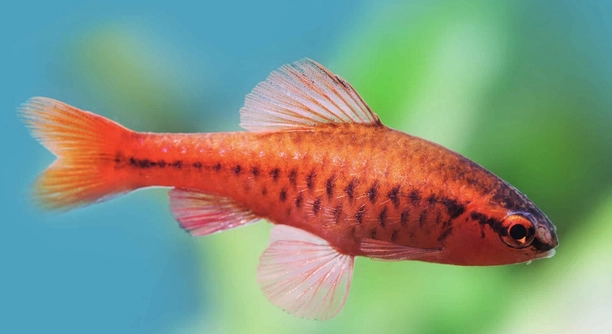
Have you ever noticed your cherry barbs brushing against plants and decorations in their tank, wondering what might be causing this odd behavior? It can look playful, but there is often more going on underneath.
Cherry barbs typically rub on plants due to skin irritation or the presence of parasites such as ich. This behavior may also occur during spawning, as males become more active. Environmental stress can further contribute to increased rubbing activity.
Understanding what triggers this behavior can help you create a healthier, more stable environment for your cherry barbs and other tank mates.
Possible Reasons for the Rubbing Behavior
Cherry barbs rubbing against plants is often a response to discomfort or irritation. This behavior can be linked to external parasites like ich, which causes itching and leads fish to scratch themselves on rough surfaces. It may also be related to spawning, especially in males, who become more active and territorial during breeding periods. Poor water conditions, including sudden changes in temperature or pH, can also lead to stress and unusual behavior. Observing other signs such as clamped fins, loss of color, or rapid breathing can help confirm if something is wrong. In some cases, the behavior is short-lived and harmless, but if it continues, it’s best to check for signs of illness or environmental imbalance. Keeping the tank clean, maintaining stable water parameters, and watching your fish closely are all important steps. A little prevention can help keep your cherry barbs active and healthy without unnecessary stress.
If your cherry barbs only rub occasionally and show no other symptoms, there may be no cause for concern.
Make sure your tank has the right temperature range between 74°F and 80°F, a gentle current, and enough hiding spots. Stress from poor lighting or overcrowding can also contribute to abnormal behavior. When unsure, test your water for ammonia, nitrites, and nitrates using an aquarium test kit. Replace at least 25% of the tank water weekly and remove uneaten food quickly. If rubbing continues despite good conditions, it may be time to look for signs of parasites or infection. Early treatment is important. Medications designed for freshwater tanks can usually help if parasites are the issue. Be careful not to overdose and always follow product instructions. When breeding activity is the reason, males will often chase females and display more vibrant colors. This is natural and not a sign of illness. Understanding the difference between stress and normal behavior makes it easier to care for your fish properly.
How to Help Your Cherry Barbs
Keep your cherry barbs in a calm, well-maintained environment with consistent water parameters to reduce unwanted behavior.
Tank cleanliness plays a big role in fish health. Uneaten food and waste lead to ammonia buildup, which can irritate your cherry barbs and lead them to rub against objects. Use a gravel vacuum regularly and avoid overfeeding. Aim for a gentle filter that keeps the water clean without creating strong currents. Quarantine new fish for two weeks before adding them to the tank to avoid introducing parasites. If parasites are suspected, look for white spots or film on the skin. Use aquarium salt or medications as needed, but always monitor your fish’s behavior during treatment. Lighting should be consistent—too much or too little light can stress your fish. Maintain a balanced diet with a mix of high-quality flakes, pellets, and the occasional live or frozen food. Happy cherry barbs are active, brightly colored, and swim confidently. Watching their behavior will help you spot problems early and act quickly.
Preventing Future Issues
Regular maintenance and observation are key. Stick to a weekly cleaning schedule, test the water regularly, and avoid sudden changes in temperature or pH. A steady routine helps reduce stress and keeps your cherry barbs active and healthy over time.
Keep the tank stocked within limits, as overcrowding can lead to stress and aggression, increasing the chance of rubbing behavior. Ensure each fish has enough space to swim and hide. Add live plants and decorations to give them safe spots to rest. Maintain good water circulation with a gentle filter, and keep the tank covered to reduce noise and light fluctuations. Feed small portions twice a day, removing leftovers promptly. Monitor behavior often. If one fish acts differently, isolate it to observe symptoms more clearly. Avoid adding untreated tap water directly into the tank, as chlorine and other chemicals can irritate their skin and gills.
Make sure to quarantine new fish and decorations before adding them to your main tank. New additions can introduce bacteria or parasites, leading to health issues. Rinse all plants, rocks, and equipment thoroughly. When selecting new tankmates, choose peaceful fish that thrive in similar water conditions. Sudden aggression from incompatible species can trigger defensive behaviors in cherry barbs. Adjust lighting to a consistent day-night cycle to support natural rhythms. Too much light can overstimulate them, while too little might lead to inactivity. Consider a timer for accuracy. Provide a well-rounded diet that includes protein and plant-based ingredients to support immunity and reduce susceptibility to parasites. A healthy, calm tank setup gives your cherry barbs the best chance to thrive and avoid behavioral issues.
Recognizing When to Act
If rubbing becomes frequent or is paired with symptoms like white spots, clamped fins, or gasping at the surface, it’s time to act. These signs usually point to health issues that need attention right away.
Do not wait too long before responding. Early treatment improves recovery and prevents the issue from spreading. Always isolate affected fish to stop transmission and monitor progress closely.
When It’s Just Normal Behavior
Cherry barbs may rub on plants briefly during courtship or spawning. Males often become more active, displaying brighter colors and chasing females. If the tank is stable and no symptoms are present, this is natural and not a concern.
Supporting Long-Term Health
A peaceful tank setup with stable water parameters, balanced lighting, and a nutritious diet keeps your cherry barbs healthy and calm. Watch their behavior often so you can catch small changes before they turn into bigger problems.
FAQ
Why do cherry barbs rub on plants?
Cherry barbs may rub on plants to relieve irritation, often caused by skin issues or external parasites like ich. This behavior can also occur during breeding, particularly with males, who become more active and chase females. Environmental stressors like poor water quality or sudden temperature changes can also cause rubbing. Monitoring the tank for signs of illness and maintaining good water conditions is key to preventing excessive rubbing behavior.
How can I tell if my cherry barbs are sick?
Look for behavioral changes like rubbing against objects, loss of color, lethargy, or abnormal swimming patterns. Other signs include clamped fins, rapid breathing, or white spots on the skin, which could indicate a parasitic infection. If any of these symptoms are present, it’s important to act quickly. Testing the water for ammonia, nitrites, and nitrates, as well as quarantining sick fish, will help prevent the spread of illness to the rest of the tank.
How can I treat parasites in my cherry barbs?
If parasites like ich are suspected, use aquarium salt or medications designed for freshwater fish. Make sure to follow the product’s instructions carefully. Raising the water temperature slightly can speed up the parasite’s life cycle, making it easier to treat. Be mindful of dosage, as too much salt or medication can harm your fish. A quarantine tank is recommended to avoid stressing your main tank.
What’s the best water temperature for cherry barbs?
Cherry barbs thrive in a water temperature between 74°F and 80°F (23°C and 27°C). Keep the temperature consistent, as sudden fluctuations can stress the fish. Use a reliable heater and thermometer to ensure the temperature stays within this range. Regular water testing will help you maintain optimal conditions.
How often should I change the water in my cherry barb tank?
Water changes should be done weekly, replacing about 25-30% of the tank water. This helps remove waste products like ammonia and nitrates that can harm your fish. Use a gravel vacuum to clean the substrate and remove debris. Always make sure to dechlorinate tap water before adding it to the tank.
Can cherry barbs live with other fish?
Yes, cherry barbs are generally peaceful and can live with other small, non-aggressive fish. Avoid pairing them with larger or overly territorial species, as they may become stressed. Ideal tank mates include other barbs, tetras, or peaceful species like gouramis and corydoras. Always ensure the fish are compatible and have similar water requirements.
How do I encourage breeding in cherry barbs?
To encourage breeding, provide a well-planted tank with plenty of hiding spots. Increase the water temperature slightly, which often triggers breeding behavior. Males will become more vibrant and chase females around. After spawning, remove the parents to prevent them from eating the eggs. The eggs will hatch in a few days, and the fry will need special care, such as finely crushed food and appropriate tank conditions.
What should I feed my cherry barbs?
Cherry barbs are omnivores and benefit from a varied diet. Offer high-quality flake or pellet food, supplemented with live or frozen food like brine shrimp or daphnia. Occasional plant-based food, like algae wafers or blanched vegetables, can also be included to ensure a balanced diet. Remove any uneaten food promptly to prevent water contamination.
Are cherry barbs hardy fish?
Cherry barbs are relatively hardy, but they still require good water quality and stable conditions. They are less tolerant of extreme fluctuations in water parameters and can be susceptible to stress if conditions are not ideal. Regular water changes, proper filtration, and monitoring their behavior will help ensure their health in the long run.
Can cherry barbs live in cold water tanks?
Cherry barbs are tropical fish and do not do well in cold water tanks. They require warm water with a consistent temperature between 74°F and 80°F. Cold water can cause them to become sluggish and more prone to illness. If you’re keeping them in a tank with other cold-water fish, a heater will be necessary to keep the temperature stable.
What’s the lifespan of a cherry barb?
Cherry barbs can live up to 3-5 years with proper care. Maintaining a stable, clean tank environment, providing a balanced diet, and monitoring water quality will help ensure they live a full, healthy life. Fish kept in poor conditions or under stress may have a shorter lifespan.
How can I reduce stress in my cherry barbs?
To reduce stress, provide plenty of hiding spots with plants, rocks, and decorations. Avoid overcrowding and make sure the tank has a gentle filter that doesn’t create strong currents. Keep water parameters stable, and avoid sudden changes in lighting or temperature. Additionally, limit disturbances from outside the tank, such as loud noises or vibrations.
Final Thoughts
Cherry barbs are generally peaceful fish that make a beautiful addition to any aquarium. Their bright colors and active nature are a joy to watch, but like all fish, they require proper care to thrive. Maintaining good water quality, a stable environment, and a balanced diet are essential for keeping your cherry barbs healthy. Regular observation of their behavior is key, as any signs of stress or illness should be addressed promptly to prevent further issues.
Understanding the reasons behind behaviors like rubbing on plants helps you make informed decisions about their care. If rubbing is due to external parasites or environmental stress, acting quickly can prevent the problem from worsening. Simple steps like adjusting water conditions, providing enough hiding spots, and ensuring that no fish are overcrowded can reduce stress and promote a peaceful aquarium environment. It’s also important to quarantine new fish and decorations before introducing them to the main tank to avoid introducing any potential illnesses.
With a little attention to their needs, cherry barbs can live healthy, active lives and be a beautiful part of your aquarium. By keeping an eye on their health and behavior, you can ensure that your tank remains a safe and stable home for your fish. Maintaining a consistent routine of water changes, feeding, and monitoring water parameters helps to keep everything in balance. By following these basic steps, you can enjoy watching your cherry barbs thrive in your tank for years to come.

Hello,
If you enjoy the content that we create, please consider saying a "Thank You!" by leaving a tip.
Every little bit helps us continue crafting quality advice that supports the health, happiness, and well-being of pets around the world, for pets of all shapes, sizes, and species.
We really appreciate the kindness and support that you show us!